Introduction: The Next Chapter for Wave Race: Blue Storm
Wave Race: Blue Storm arrived on the GameCube in late 2001, carrying the weight of expectation from its predecessor, Wave Race 64. Developed by Nintendo Software Technology, this title promised a leap forward in graphics, gameplay, and overall experience. While it didn't revolutionize the racing genre, it delivered a polished and enjoyable jetski adventure that showcased the GameCube's capabilities. This deep-dive review will dissect every aspect of Blue Storm, from its visual presentation to its underlying systems, providing a comprehensive analysis for gamers seeking to understand its strengths and weaknesses.
Visual Direction and Graphics Engineering
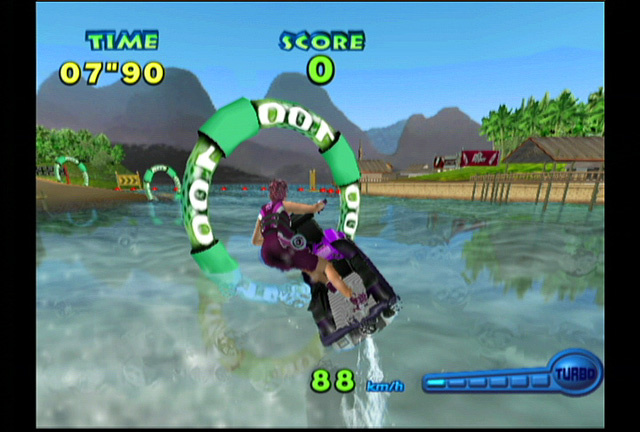
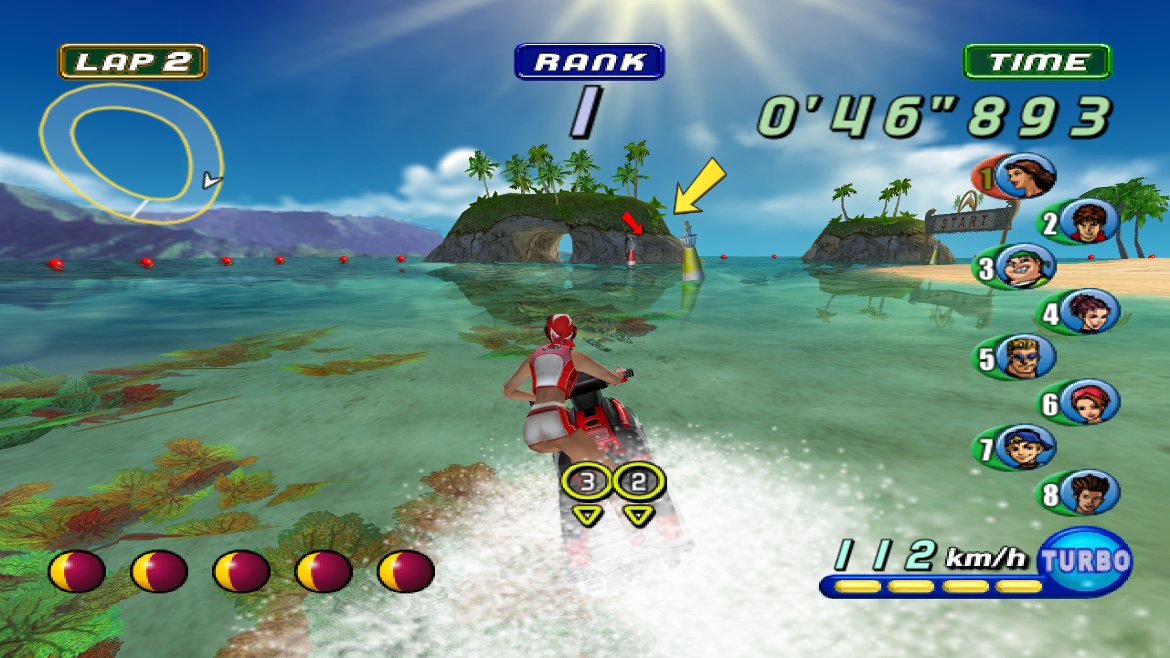
Wave Race: Blue Storm was designed to leverage the power of the GameCube hardware. The game features detailed water effects, realistic reflections, and vibrant environments. While not pushing the console to its absolute limits, the visual presentation is impressive for its time. The developers focused on creating a sense of speed and immersion through dynamic lighting and particle effects. The character models are well-defined, and the jetskis themselves have a distinct aesthetic. However, some textures can appear slightly muddy upon closer inspection, a common limitation of early GameCube titles. The game's visual style leans towards realism, aiming to capture the beauty of coastal environments while maintaining a sense of arcade fun.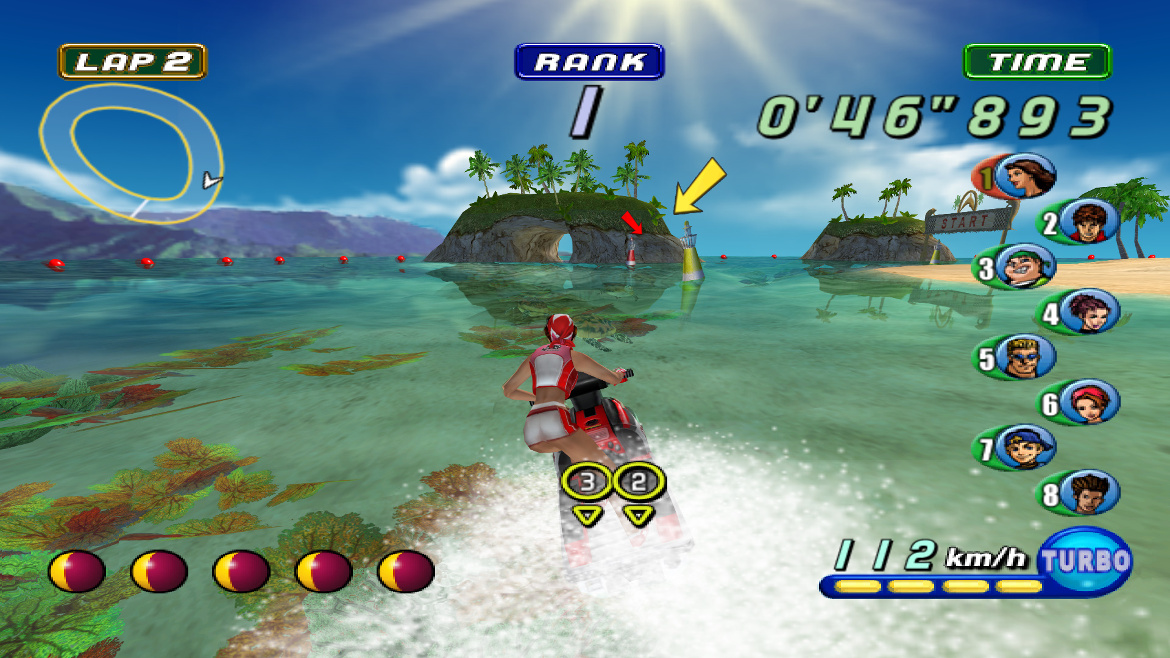
Gameplay Mechanics and Core Systems
The core gameplay in Wave Race: Blue Storm revolves around racing jetskis across various courses. Players begin by selecting a character, which affects their performance slightly. The game features a championship mode where players progress through a series of races, with the order of courses selectable, allowing for strategic planning based on weather forecasts. The handling is tight and responsive, making it easy to pick up but offering depth for skilled players who want to master tricks and shortcuts. Drifting, boosting, and performing aerial maneuvers are crucial for gaining an advantage. The AI opponents provide a decent challenge, although they can sometimes exhibit predictable behavior.
Level Design and World Atmosphere
Wave Race: Blue Storm features a diverse range of courses, each with its unique visual style and challenges. From tropical lagoons to rocky coastlines, the environments are well-crafted and contribute significantly to the game's atmosphere. The weather system adds another layer of complexity, as rain can affect handling and visibility. The level design encourages exploration, with hidden shortcuts and alternative routes rewarding players who take the time to discover them. Each course feels distinct, offering a fresh experience even after multiple playthroughs.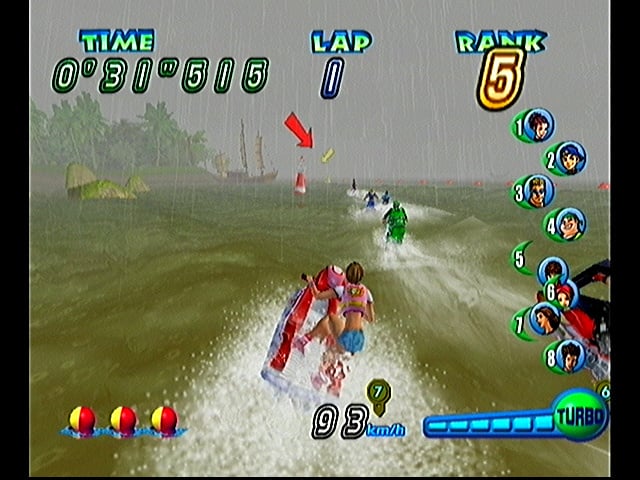
Narrative Depth and Character Profiles
While not heavily narrative-driven, Wave Race: Blue Storm features a light story element that adds context to the racing action. Players interact with various characters throughout the game, learning about their backgrounds and motivations. The character profiles are relatively simple but add personality to the experience. While not a major focus, the presence of these elements helps to create a more engaging world for players to explore.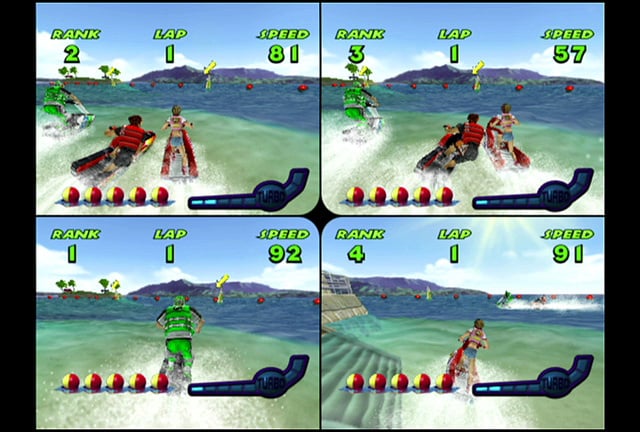
Sound Design and Acoustic Realism
The sound design in Wave Race: Blue Storm is crucial for creating an immersive experience. The roar of the jetskis, the splash of water, and the ambient sounds of each environment all contribute to the overall sense of realism. Lawrence Schwedler and James Phillipsen composed a soundtrack that complements the gameplay perfectly, enhancing the excitement of each race. The sound effects are well-executed and add another layer of polish to the game.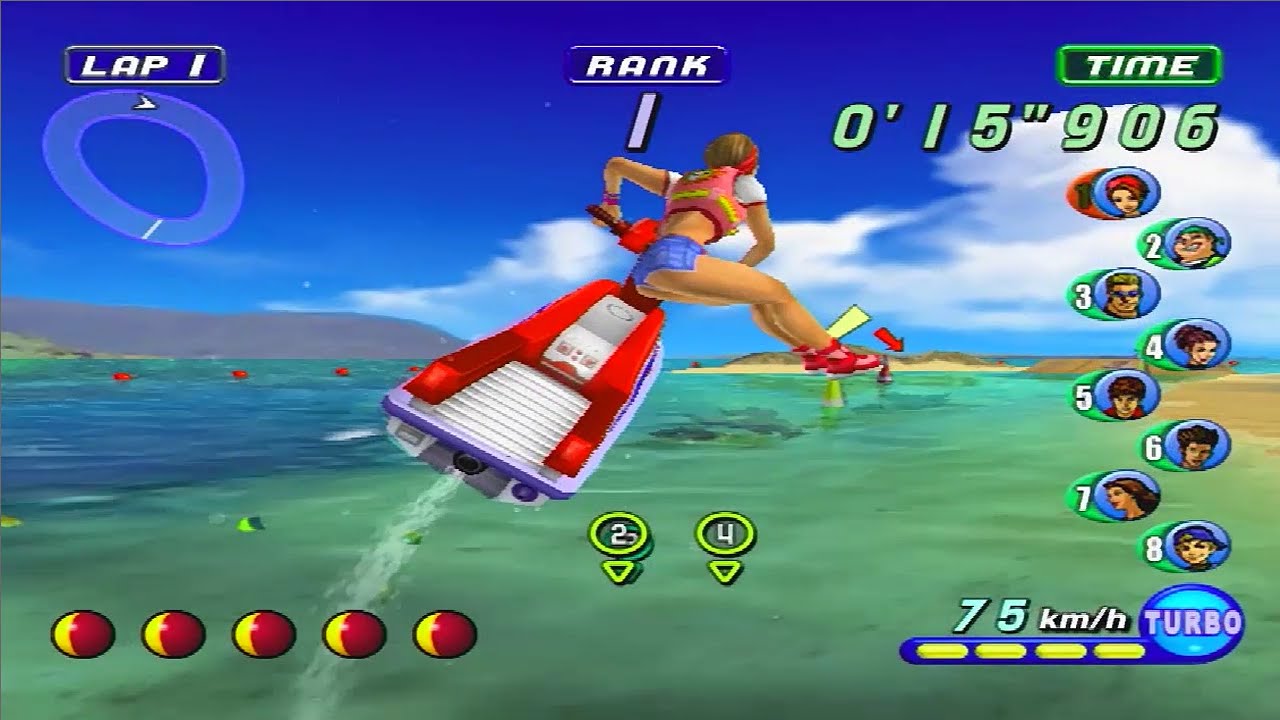
Release Expectations and Community Hype
Upon its release, Wave Race: Blue Storm was met with generally positive reviews. Critics praised its graphics, gameplay, and overall presentation. While some felt that it didn's innovate significantly compared to its predecessor, it was widely considered a solid and enjoyable racing experience. The community embraced the game, appreciating its tight controls and diverse range of courses. The hype surrounding the GameCube launch undoubtedly played a role in the initial reception, with Wave Race: Blue Storm serving as one of the console's flagship titles.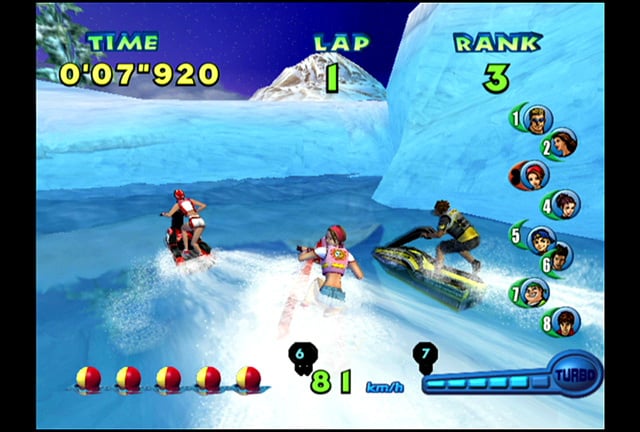
Conclusion: The Future of Wave Race: Blue Storm
Wave Race: Blue Storm remains a fondly remembered title for fans of racing games and Nintendo enthusiasts. While it may not have reached the heights of some other GameCube classics, it delivered a polished and enjoyable experience that showcased the console's capabilities. Its tight controls, diverse range of courses, and immersive sound design continue to resonate with players today. Although a direct sequel never materialized, the legacy of Wave Race: Blue Storm lives on as a testament to Nintendo's commitment to quality and innovation in the racing genre.
Source: Wikipedia
Google Preferred Source
Add us to your favorite news sources on Google
Get instant updates and breaking news directly in Google News