Introduction: The Next Chapter for Wasteland 2
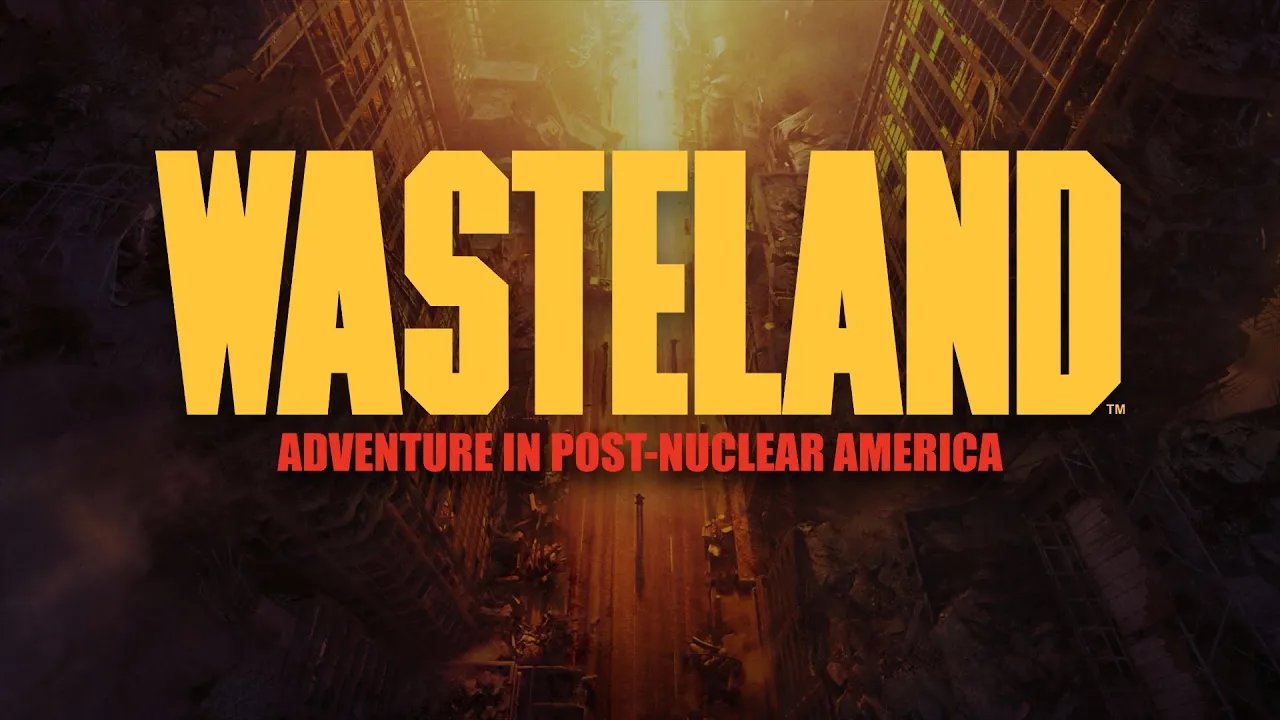
Wasteland 2, a title that resonated deeply within the post-apocalyptic RPG landscape, arrived as both a nostalgic callback and a bold step forward. Developed by inXile Entertainment and published by Deep Silver (and Spike Chunsoft in Japan), it built upon the legacy of its 1988 predecessor while embracing modern game design principles. The successful Kickstarter campaign underscored the enduring appeal of the Wasteland universe, promising fans a return to a world ravaged by nuclear war, teeming with danger, and ripe for exploration. This Masterclass Deep-Dive will dissect every facet of Wasteland 2, from its visual presentation to its intricate gameplay mechanics, offering a comprehensive analysis for discerning gamers.
Visual Direction and Graphics Engineering
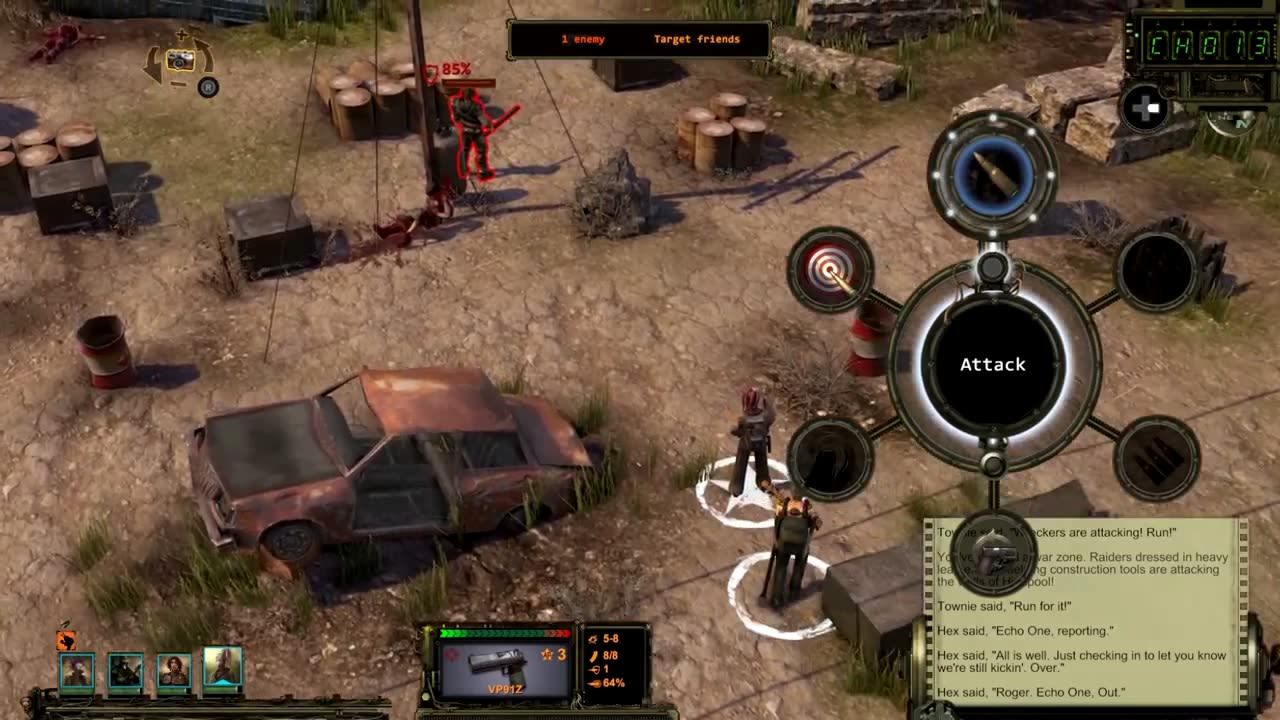
Wasteland 2 leverages the Unity engine to deliver a semi-overhead perspective with a rotatable camera, allowing players to strategically survey their surroundings. While not pushing the boundaries of graphical fidelity, the game’s art style effectively conveys the desolate beauty of the post-apocalyptic world. The environments are meticulously crafted, showcasing the decay and resilience of nature reclaiming urban landscapes. Character models, while stylized, possess a degree of detail that allows for clear differentiation between characters and factions. The visual direction prioritizes clarity and readability during tactical combat, ensuring players can easily identify enemies, environmental hazards, and interactive elements. While the engine limitations are apparent, the artistic choices compensate by creating a visually compelling and immersive experience.
Gameplay Mechanics and Core Systems
At its core, Wasteland 2 is a turn-based party RPG with a heavy emphasis on tactical combat. Players control a squad of up to seven characters, including four player-created individuals and three recruitable NPCs. Character customization is extensive, allowing players to fine-tune attributes, skills, and even appearance. The game features a robust skill system that influences character abilities both in and out of combat. Combat encounters are challenging and require careful planning, utilizing cover, flanking maneuvers, and specialized ammunition types. The morality system plays a significant role, influencing the story’s progression and impacting relationships with various factions. Resource management is crucial for survival, as players must scavenge for supplies to craft items, repair equipment, and maintain their party’s well-being.
Level Design and World Atmosphere
The world of Wasteland 2 is a sprawling tapestry of interconnected locations, each with its own unique atmosphere and challenges. From the desolate ruins of Colorado Springs to the treacherous depths of underground bunkers, players are constantly exposed to new environments that demand adaptation and strategic thinking. Level design often incorporates verticality and environmental hazards, adding another layer of complexity to combat encounters. The game’s map system is intuitive, allowing players to easily navigate the world and track their progress. The atmosphere is palpable, conveyed through evocative sound design, detailed visuals, and compelling narrative elements.
Narrative Depth and Character Profiles
Wasteland 2 boasts a rich and engaging narrative that explores themes of survival, morality, and the rebuilding of society in a post-apocalyptic world. The main storyline is complemented by numerous side quests and optional encounters, providing players with ample opportunities to delve into the lore of the Wasteland and interact with its diverse inhabitants. Character profiles are meticulously crafted, each NPC possessing their own motivations, agendas, and backstories. Dialogue choices significantly impact relationships with characters and factions, shaping the course of the story. The game’s writing is consistently strong, delivering a compelling narrative experience that keeps players invested in the world and its inhabitants.
Sound Design and Acoustic Realism
The sound design in Wasteland 2 plays a crucial role in creating an immersive and believable post-apocalyptic environment. Ambient sounds, such as wind whistling through ruins or the distant rumble of mutated creatures, contribute to the sense of isolation and danger. Weapon effects are impactful and satisfying, providing feedback during combat encounters. The soundtrack is evocative and atmospheric, perfectly complementing the game’s visuals and narrative. Voice acting is generally well-executed, bringing the characters to life and enhancing their personalities. The overall soundscape effectively immerses players in the world of Wasteland 2.
Release Expectations and Community Hype
The release of Wasteland 2 was highly anticipated by fans of the original game and RPG enthusiasts alike. The successful Kickstarter campaign generated significant buzz and demonstrated the strong community support for the project. Pre-release previews and gameplay demonstrations further fueled excitement, showcasing the game’s unique blend of tactical combat, character customization, and narrative depth. The release itself was met with generally positive reviews, praising its faithfulness to the original while incorporating modern design sensibilities. However, some criticisms were leveled at its occasionally unforgiving difficulty and technical hiccups.
Conclusion: The Future of Wasteland 2
Wasteland 2 stands as a testament to the enduring appeal of post-apocalyptic RPGs and the power of community-driven development. Its blend of tactical combat, character customization, and narrative depth provides a compelling gameplay experience that rewards strategic thinking and exploration. While not without its flaws, the game successfully captures the spirit of the original Wasteland while embracing modern design principles. The release of the Director’s Cut further enhanced the experience, addressing some technical issues and adding new content. With the success of Wasteland 3, the future of the franchise looks bright, promising even more immersive and engaging experiences for fans of the genre.
Source: Wikipedia


