Introduction: The Next Chapter for Warriors: Legends of Troy
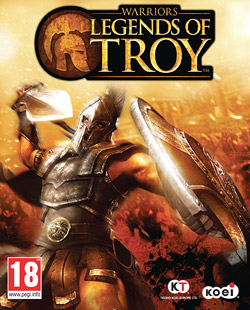
Warriors: Legends of Troy, a title that boldly reimagines the Musou formula within the epic backdrop of Homer’s Iliad. Developed by Koei Canada and published by Tecmo Koei, this game promised a fresh take on the familiar hack-and-slash gameplay while immersing players in the legendary Trojan War. While sharing DNA with the Dynasty Warriors series, Legends of Troy aimed to distinguish itself through increased graphic violence and a unique interpretation of historical events. The initial release date was slated for Q4 2010, but ultimately shifted to Q1 2011, hinting at potential refinements and optimizations before its final launch. This delay allowed the developers to further polish the game’s core mechanics and visual presentation, setting the stage for what would hopefully be a memorable entry in the Warriors franchise.
Visual Direction and Graphics Engineering
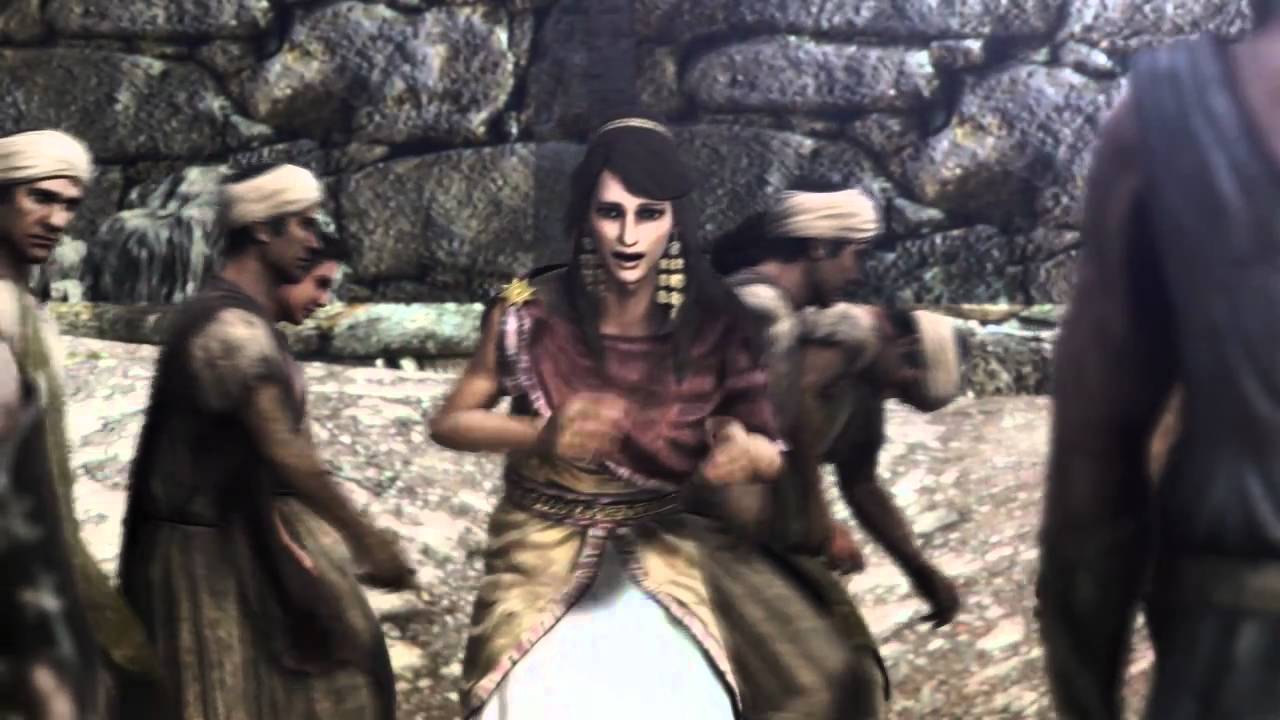
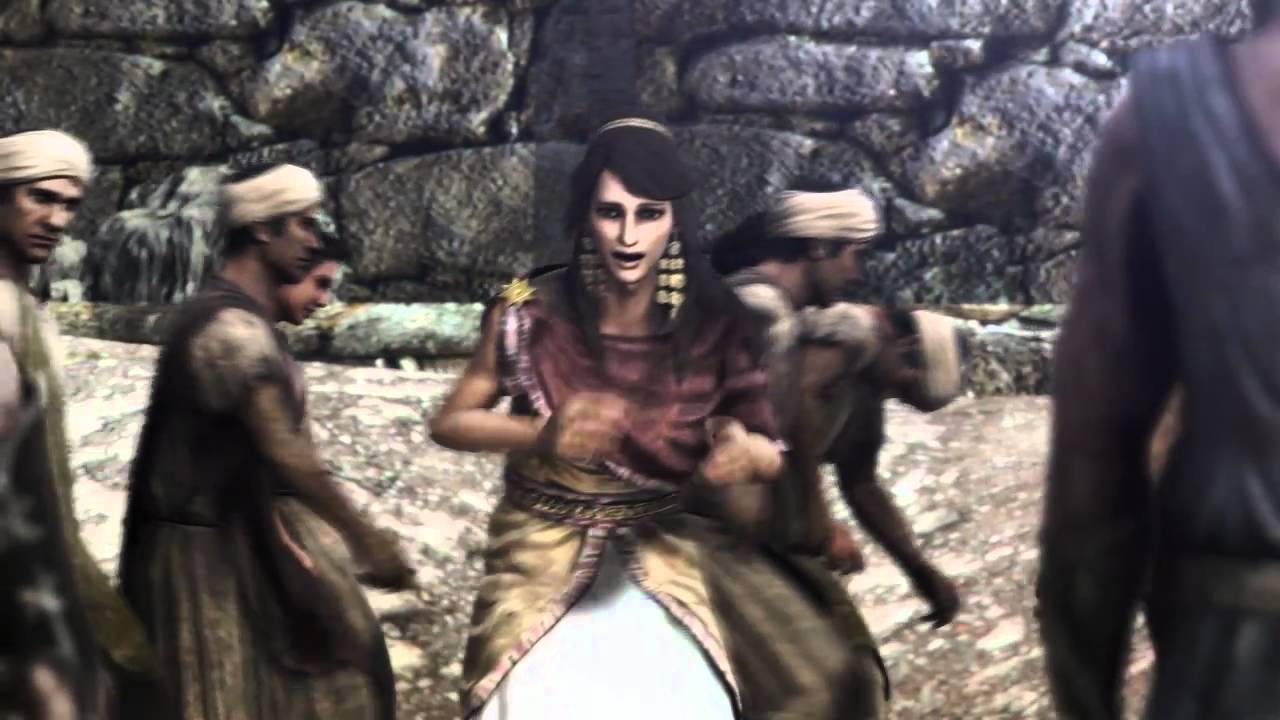
The visual direction of Warriors: Legends of Troy sought to capture the grandeur and brutality of ancient warfare. While built on a proprietary “Next-Gen” engine (details of which remain scarce), the game aimed for a level of graphical fidelity that would push the capabilities of the PlayStation 3 and Xbox 360 consoles. The environments, ranging from the plains surrounding Troy to the besieged city walls, were designed to evoke a sense of scale and historical accuracy. Character models, while adhering to the stylized aesthetic common in Warriors games, featured detailed textures and animations intended to convey both strength and vulnerability. The “Next-Gen” engine likely leveraged techniques such as dynamic lighting and particle effects to enhance the visual impact of battles, particularly during moments of intense action. However, given the hardware limitations of the consoles at the time, compromises were undoubtedly made in terms of draw distance and overall polygon count.
Gameplay Mechanics and Core Systems
At its heart, Warriors: Legends of Troy retained the core gameplay loop that defines the Musou series: overwhelming numbers of enemies through a combination of light and heavy attacks, dodges, and special abilities. However, the game introduced several modifications to differentiate itself from its predecessors. The iconic “Musou Attack” was replaced with a “Fury” mechanic, which provided a temporary boost to attack power rather than unleashing a single, devastating blow. This change arguably aimed to create a more sustained sense of empowerment during combat. Furthermore, players could utilize shields as offensive weapons and employ ranged attacks using javelins and boulders. The ability to grab and weaponize enemy soldiers added another layer of tactical depth to the gameplay. While these additions provided some novelty, the fundamental hack-and-slash experience remained largely unchanged.
Level Design and World Atmosphere
The level design in Warriors: Legends of Troy was crucial in conveying the scope and intensity of the Trojan War. Each battlefield represented a significant location from Homer’s epic, ranging from the open fields where armies clashed to the claustrophobic streets within the besieged city of Troy. The environments were populated with interactive elements, such as destructible walls and siege weaponry, which added another layer of immersion. While the level design was generally functional, it sometimes lacked the intricate detail found in more modern open-world games. The atmosphere was enhanced by dynamic weather effects, such as rain and fog, which could impact visibility and combat effectiveness. However, the limited processing power of the consoles meant that these environmental details were often simplified compared to what might have been possible on later hardware.
Narrative Depth and Character Profiles
Warriors: Legends of Troy attempted to weave a narrative thread through the chaotic battles, drawing inspiration from Homer’s Iliad while also introducing original characters and storylines. Players could embody iconic figures from both the Greek and Trojan armies, each with their own unique abilities and motivations. The game featured cutscenes that depicted key events from the war, providing context for the ongoing conflicts. However, the narrative depth was often limited by the constraints of the gameplay format, which prioritized action over character development. While the game provided a basic understanding of the historical setting, it often took liberties with the source material in order to create more engaging combat scenarios.
Sound Design and Acoustic Realism
The sound design in Warriors: Legends of Troy played a vital role in creating an immersive audio experience. The clashing of swords, the cries of soldiers, and the thunderous impact of siege weaponry all contributed to the sense of chaos and intensity on the battlefield. The game featured a dynamic soundtrack that adapted to the ebb and flow of combat, intensifying during moments of high action and becoming more subdued during periods of relative calm. While the audio quality was generally good for its time, it lacked the sophisticated spatial audio techniques found in more modern games.
Release Expectations and Community Hype
The release of Warriors: Legends of Troy generated a moderate level of hype within the gaming community. Fans of the Musou series were eager to see how Koei Canada would adapt the familiar gameplay formula to the setting of the Trojan War. The promise of increased graphic violence and unique character abilities piqued the interest of players looking for something different from the Dynasty Warriors games. However, the game also faced skepticism from those who felt that the Musou genre had become stale and repetitive.
Conclusion: The Future of Warriors: Legends of Troy
Warriors: Legends of Troy represents an interesting chapter in the history of the Musou series. While it retained the core gameplay mechanics that define the franchise, it also introduced several modifications aimed at differentiating itself from its predecessors. The game’s visual presentation was commendable for its time, and the soundtrack effectively enhanced the sense of immersion. However, the limited hardware capabilities of the PlayStation 3 and Xbox 360 ultimately constrained the scope of the experience.
While not a groundbreaking title, Warriors: Legends of Troy offered a solid and enjoyable Musou experience for fans of the genre.
Source: Wikipedia


