

About this game
Introduction: The Next Chapter for Warhammer 40,000: Dawn of War II
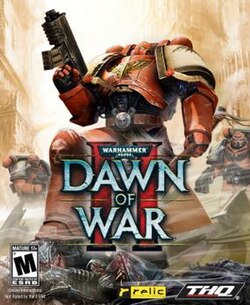
Warhammer 40,000: Dawn of War II arrived in 2009 as a bold reimagining of the real-time strategy formula. While its predecessor focused on base building and large-scale battles, Dawn of War II shifted gears, emphasizing tactical squad combat and a more intimate experience within the grim darkness of the far future. Developed by Relic Entertainment and published by THQ, this sequel aimed to capture the essence of the tabletop game while offering a fresh perspective for both veterans and newcomers. The game’s initial release was followed by two significant expansions, Chaos Rising and Retribution, which further enriched the gameplay and expanded the roster of playable factions. Dawn of War II wasn’s just a game; it was an evolution.
Visual Direction and Graphics Engineering
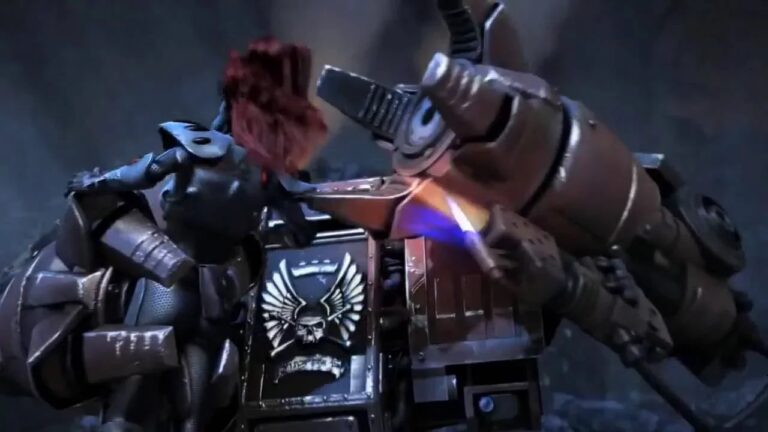
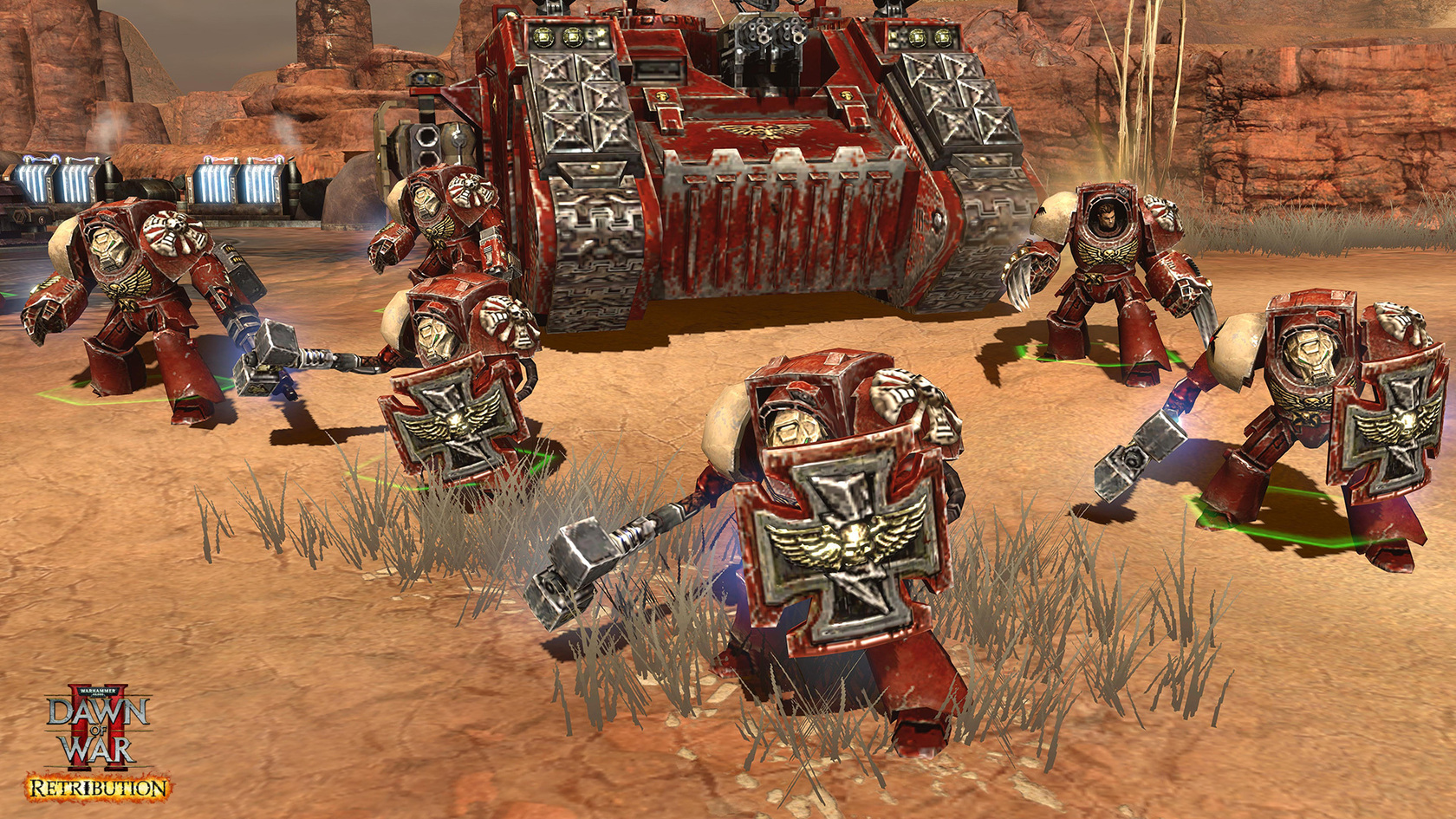
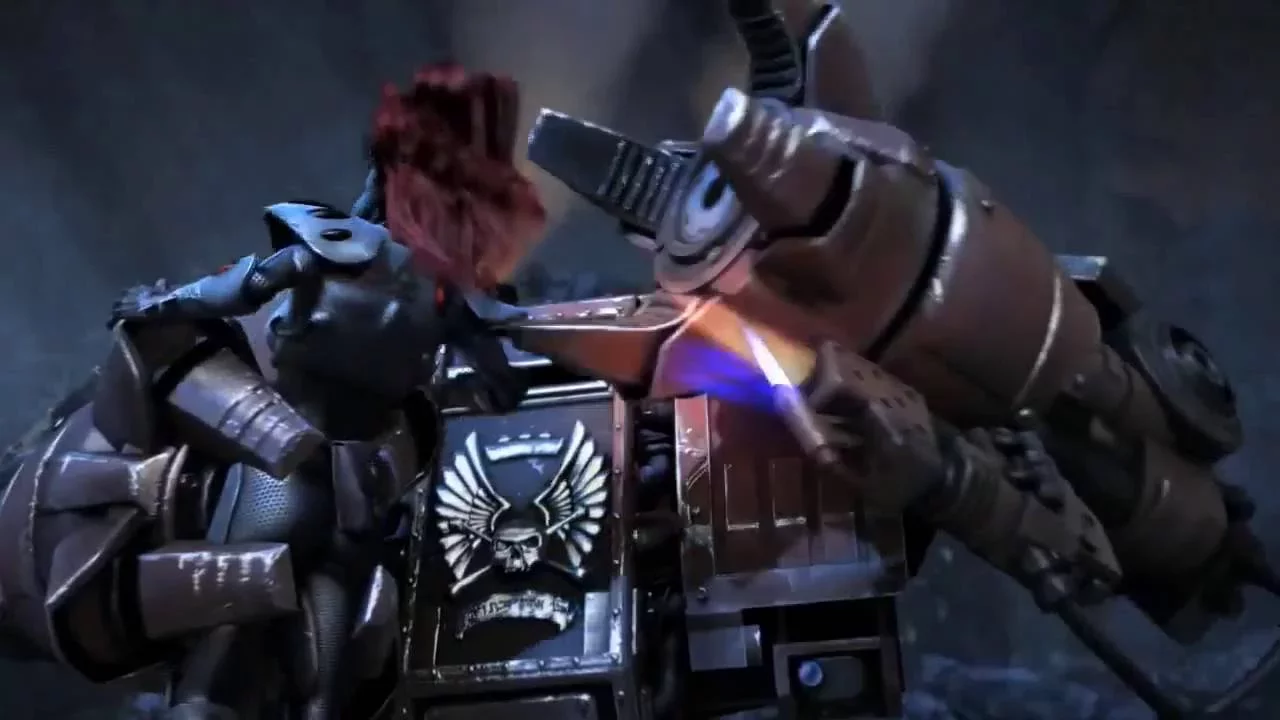
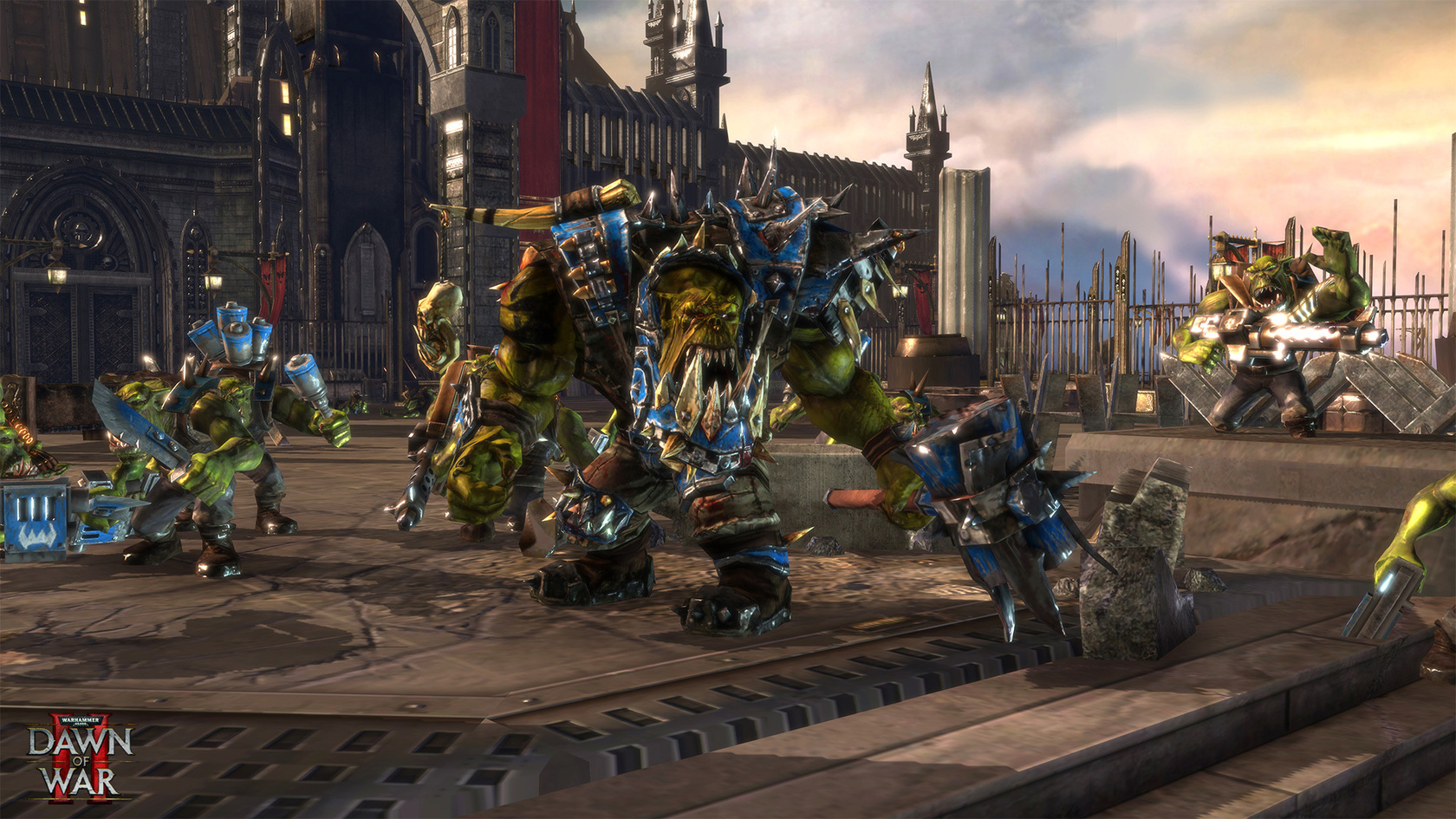
Dawn of War II showcased impressive visuals for its time, leveraging the Essence Engine 2.0 to create a gritty and atmospheric depiction of the Warhammer 40,000 universe. The character models were meticulously detailed, conveying the imposing presence of Space Marines and the brutal ferocity of Orks. Environments ranged from war-torn industrial complexes to alien landscapes, each rendered with a level of detail that enhanced immersion. Relic Entertainment’s art direction successfully translated the visual style of the tabletop game into a compelling digital experience. The lighting effects and particle systems added further depth and realism, creating memorable moments during intense firefights.
Gameplay Mechanics and Core Systems
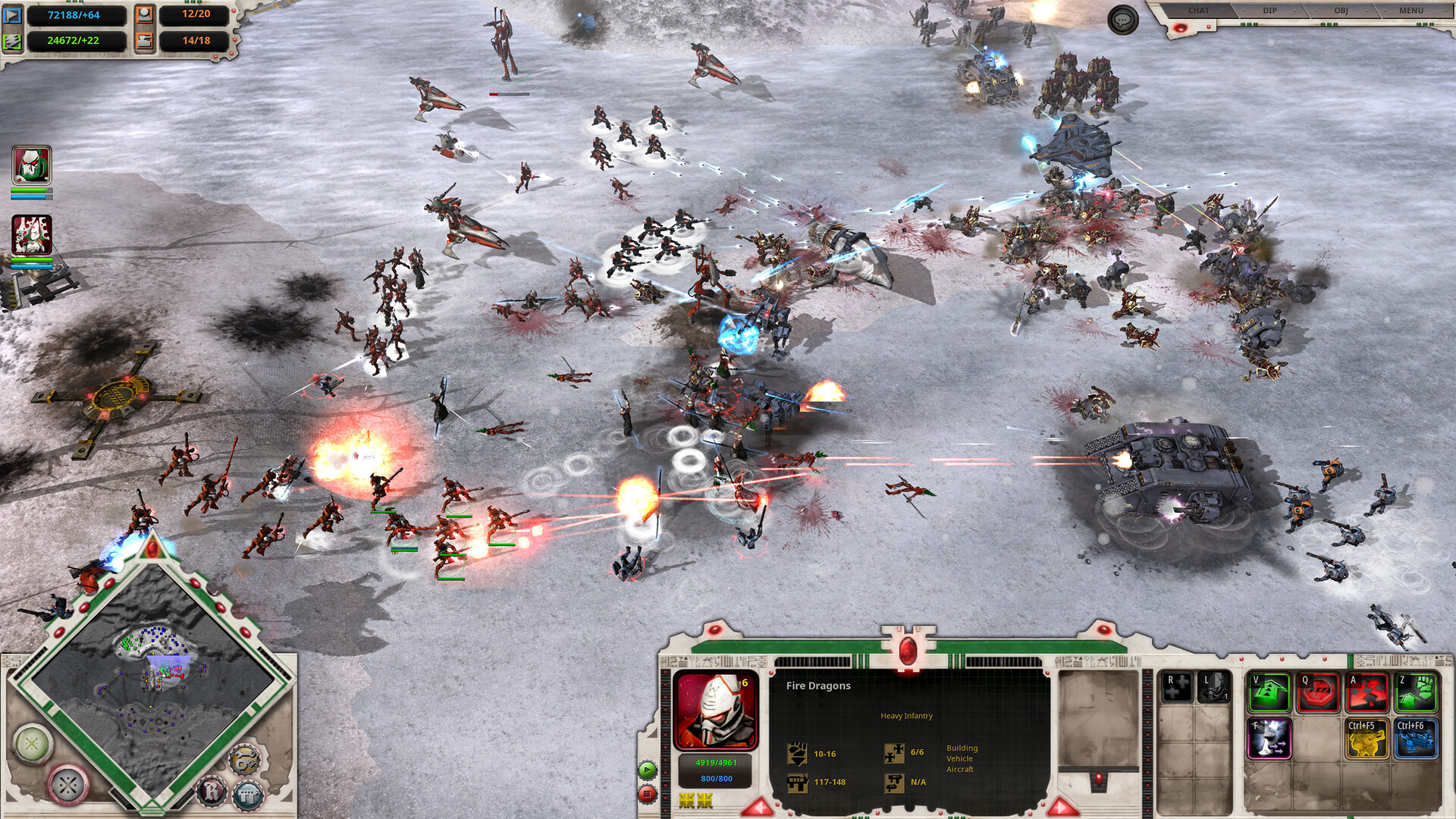
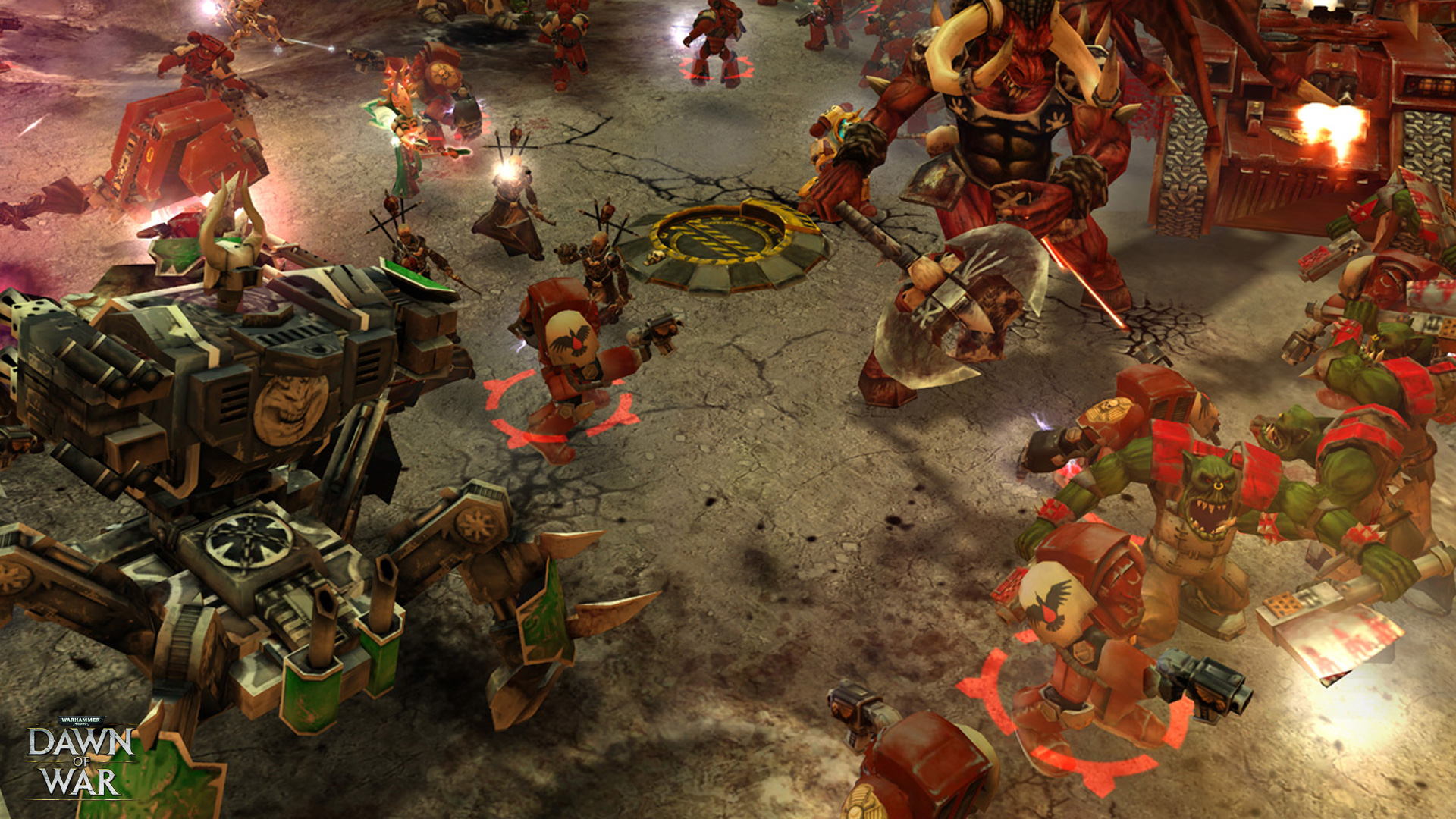
The core gameplay of Dawn of War II revolved around tactical squad combat. Players controlled small squads of elite warriors, utilizing cover, flanking maneuvers, and special abilities to overcome the enemy. The removal of base building was a significant departure from the original game, forcing players to adapt their strategies on the fly. This focus on individual unit capabilities and strategic positioning made each battle feel more intense and rewarding. The “suppression” mechanic played a crucial role, allowing players to pin down enemies and create opportunities for attack. The introduction of hero units with unique abilities added another layer of depth to the gameplay.
Level Design and World Atmosphere
The level design in Dawn of War II was carefully crafted to enhance the tactical experience. Each map featured a variety of chokepoints, cover options, and flanking routes, encouraging players to think strategically about their movements. The environments were richly detailed and atmospheric, immersing players in the grim darkness of the 41st millennium. From the claustrophobic corridors of abandoned factories to the desolate plains of alien worlds, each location felt unique and memorable. The level design actively promoted a slower, more deliberate pace of gameplay, emphasizing careful planning and execution.
Narrative Depth and Character Profiles
While primarily focused on tactical combat, Dawn of War II also featured a compelling narrative that explored the motivations and struggles of its characters. The game’s story unfolded through in-game cinematics and dialogue sequences, providing context for the battles and revealing the personalities of key figures. The Space Marines, Orks, Eldar, and Tyranids each had their own distinct storylines and objectives, adding depth to the overall experience. The expansions further expanded upon these narratives, introducing new characters and factions with their own unique perspectives on the ongoing conflict.
Sound Design and Acoustic Realism
The sound design in Dawn of War II played a crucial role in creating an immersive and visceral experience. The weapons sounded powerful and impactful, while the ambient sounds of battle – explosions, gunfire, and the cries of wounded soldiers – added to the sense of urgency and danger. The voice acting was well-executed, bringing the characters to life with believable performances. The soundtrack, composed by Doyle W. Donehoo, perfectly complemented the game’s atmosphere, ranging from epic orchestral pieces to gritty industrial tracks.
Release Expectations and Community Hype
The release of Dawn of War II was highly anticipated by fans of the Warhammer 40,000 franchise. The shift in gameplay mechanics generated both excitement and apprehension within the community. Some players were eager to experience a more tactical and intimate approach to combat, while others preferred the base-building aspects of the original game. Despite the mixed reactions, Dawn of War II ultimately proved to be a successful title, praised for its engaging gameplay, immersive atmosphere, and faithful adaptation of the Warhammer 40,000 universe. The subsequent expansions further solidified its position as a beloved entry in the series.
Conclusion: The Future of Warhammer 40,000: Dawn of War II
Warhammer 40,000: Dawn of War II remains a landmark title in the real-time strategy genre. Its innovative gameplay mechanics, immersive atmosphere, and faithful adaptation of the Warhammer 40,000 universe have earned it a dedicated following. While its departure from the base-building formula initially divided some players, the game’s focus on tactical squad combat ultimately proved to be a winning combination. Dawn of War II paved the way for future entries in the series, demonstrating the potential for innovation within the established Warhammer 40,000 framework. The legacy of Dawn of War II continues to inspire developers and captivate players alike, solidifying its place as a true classic.
Source: Wikipedia
Gallery




Join the conversation