Introduction: The Next Chapter for Wanted: Weapons of Fate
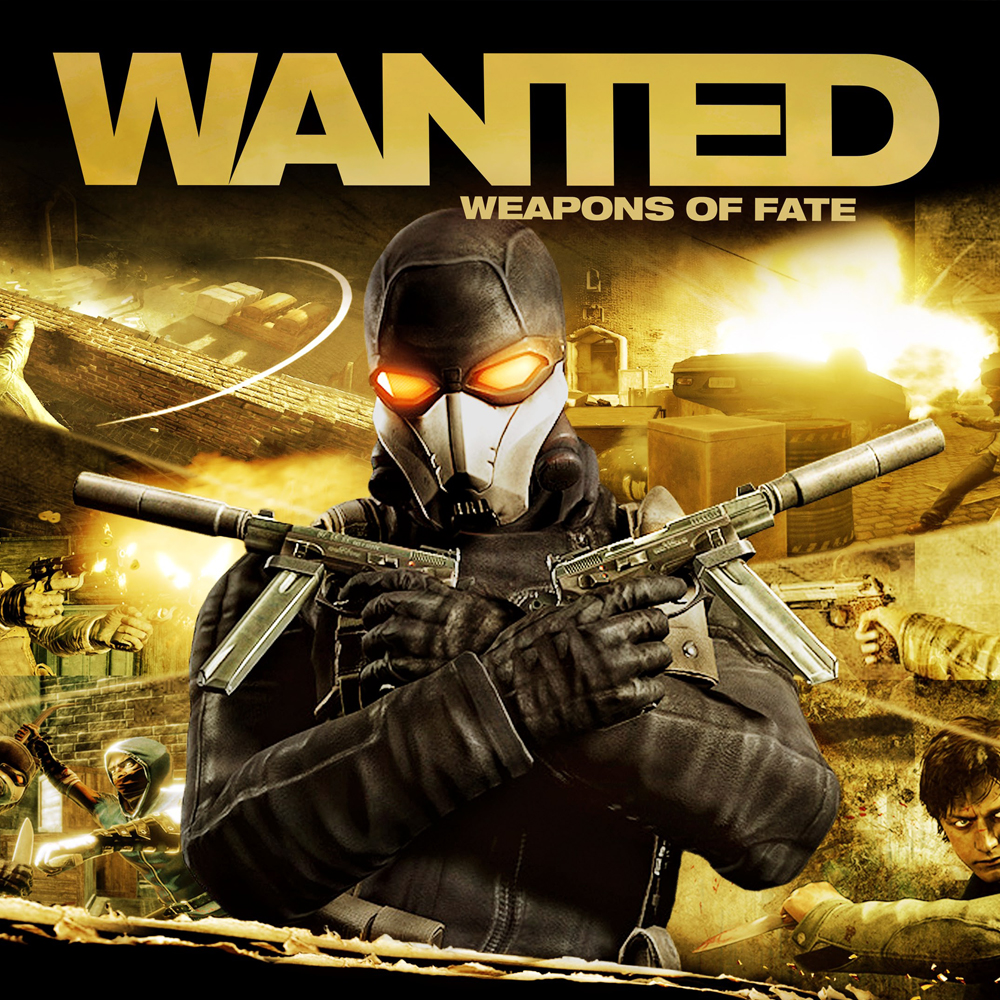
“Wanted: Weapons of Fate,” a title that immediately conjures images of stylish action and superhuman abilities, attempts to expand upon the universe established by the 2008 film. Developed initially by I-play and later refined by Grin, with Warner Bros. Interactive Entertainment at the helm, this third-person shooter aims to deliver a deeper dive into Wesley Gibson’s journey as he grapples with his newfound powers and the legacy of the Fraternity. While the original film offered a visually arresting spectacle, the game sought to translate that experience into an interactive format, exploring themes of destiny, control, and the consequences of wielding extraordinary abilities. The question remains: did it succeed in capturing the essence of the source material and forging its own identity?
Visual Direction and Graphics Engineering
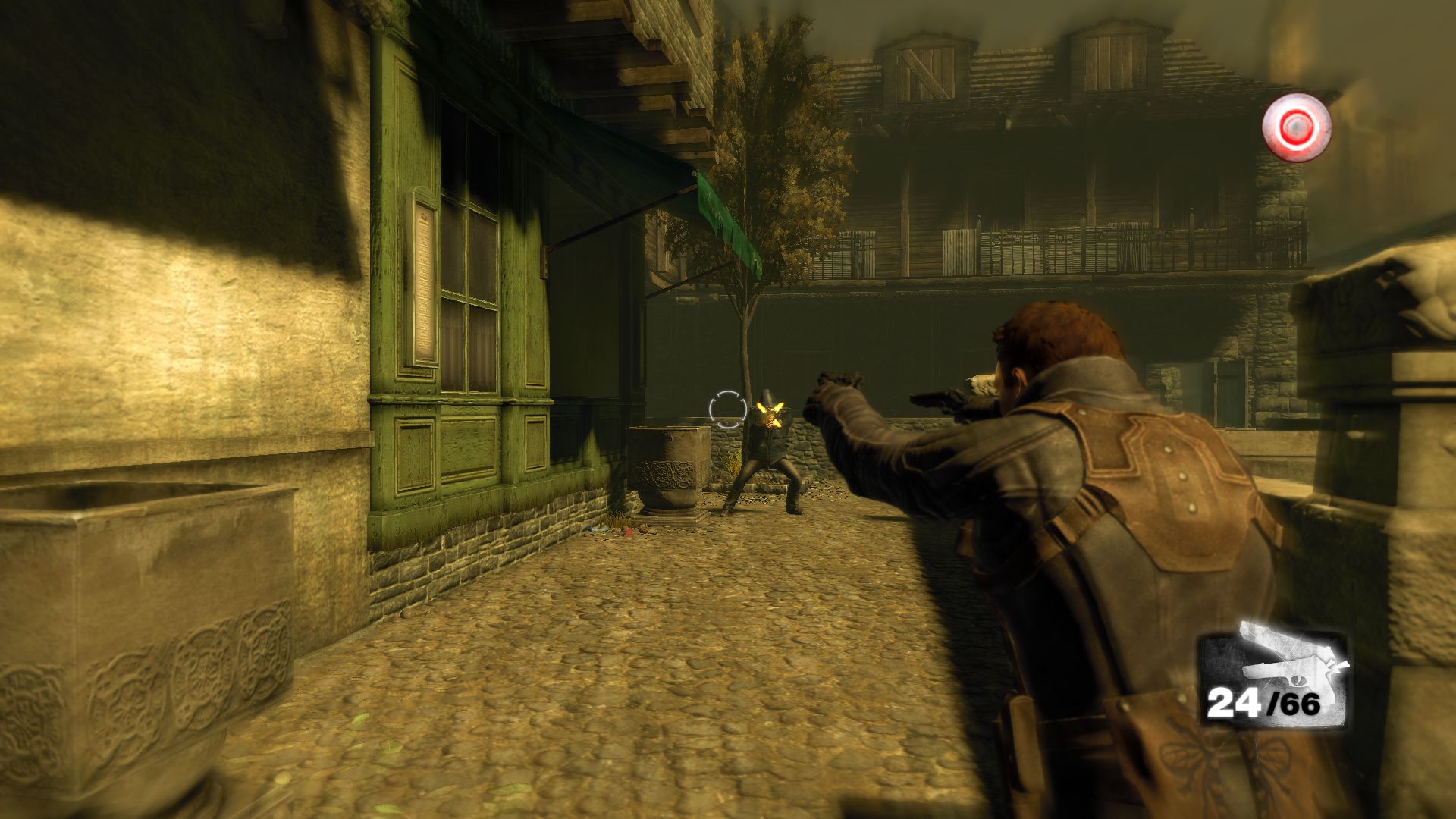
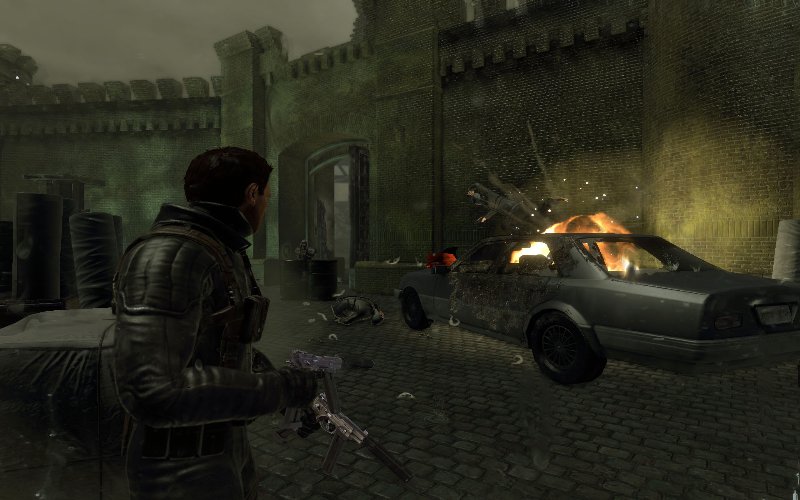
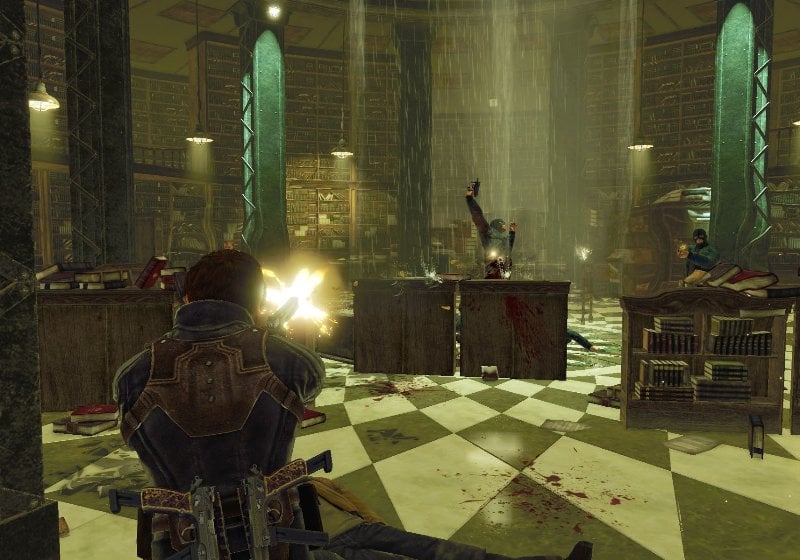
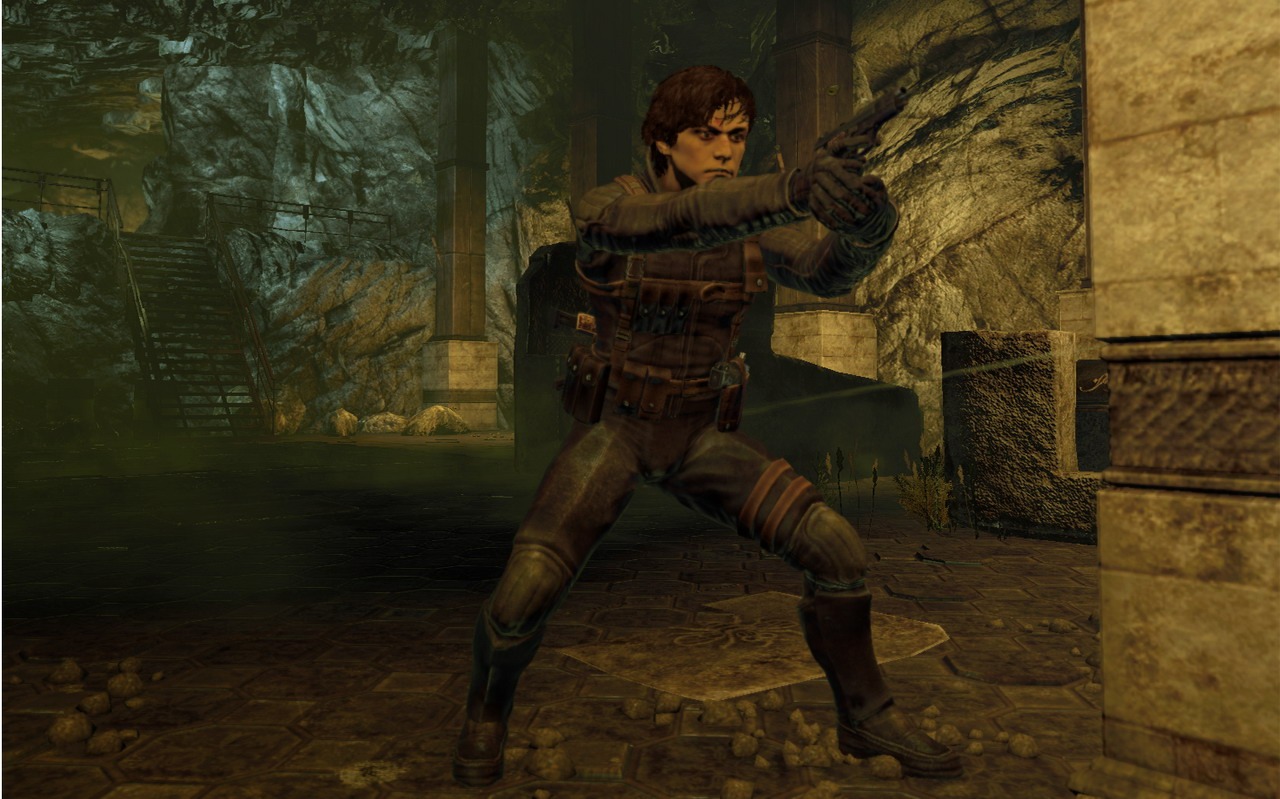
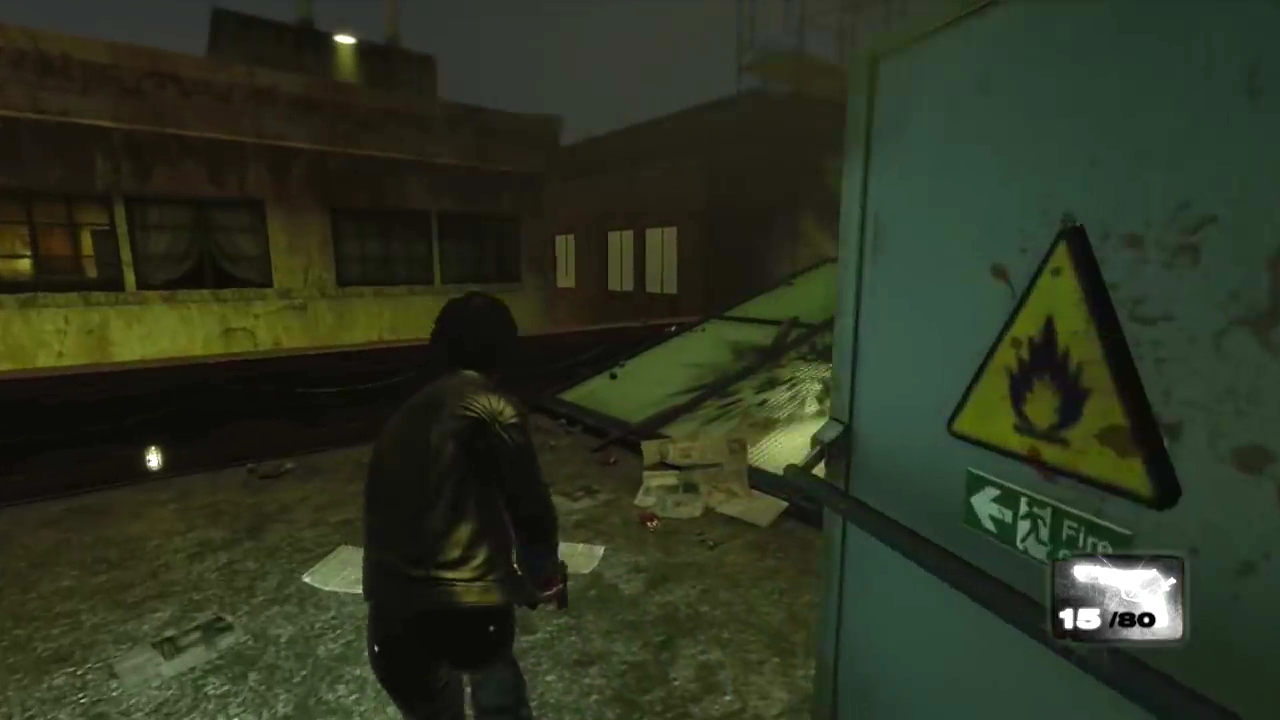
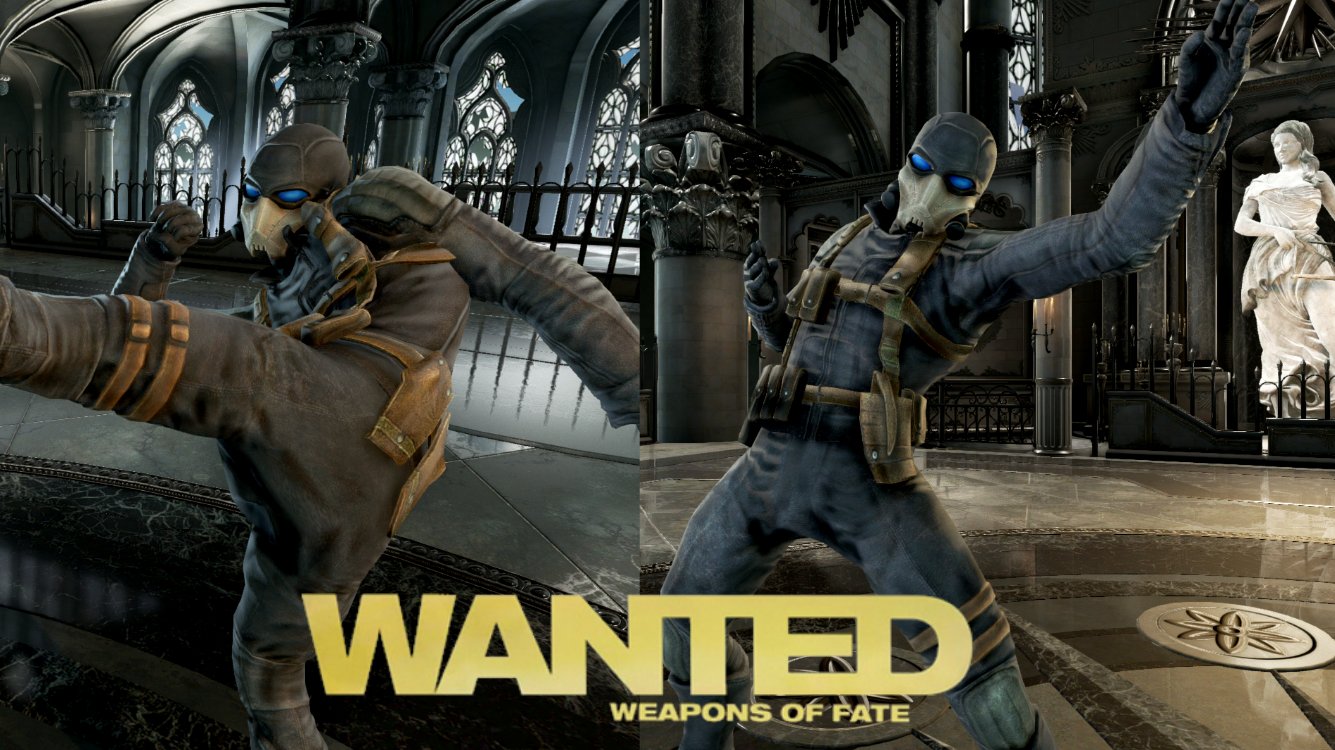
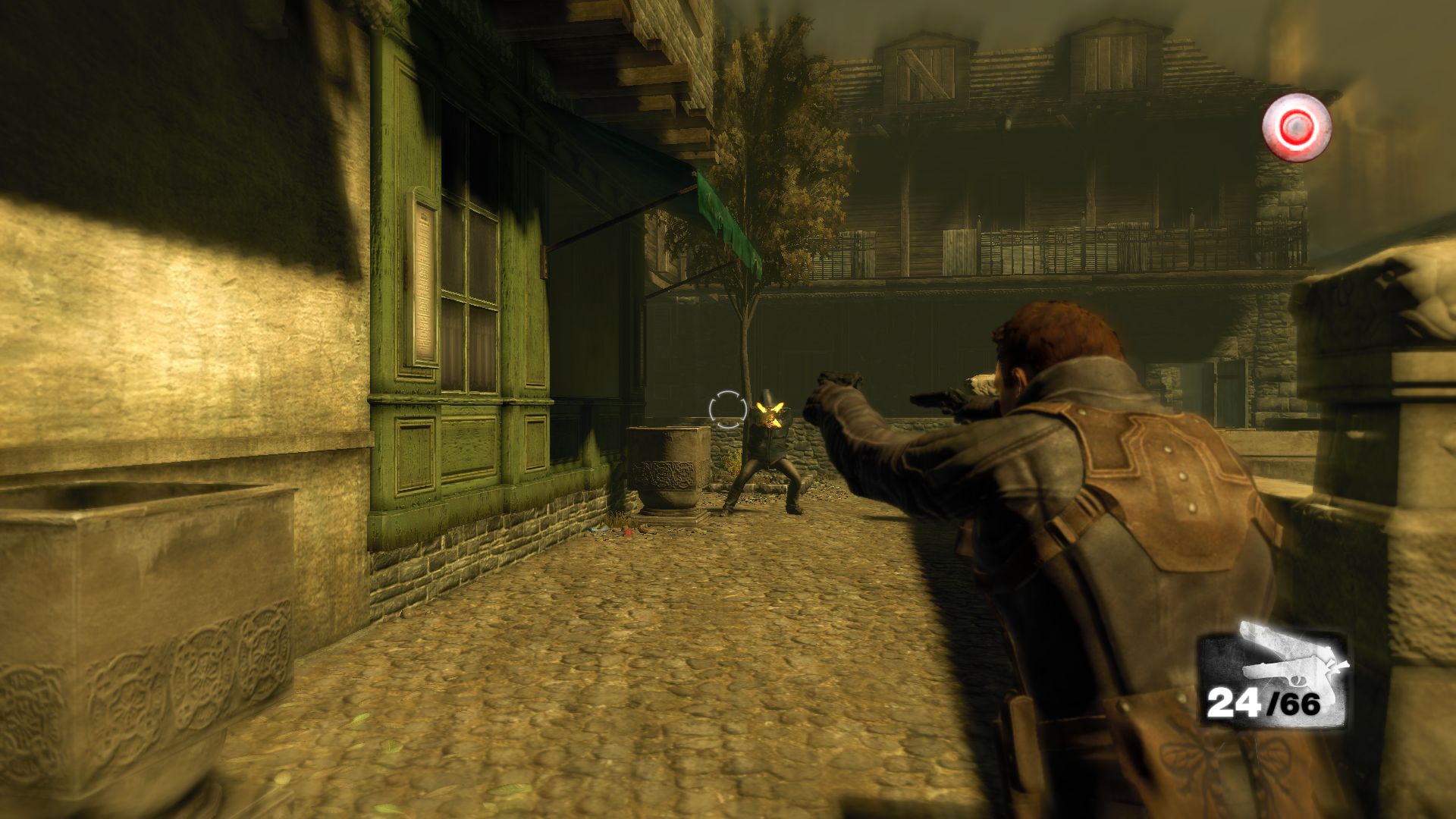
The visual direction of “Wanted: Weapons of Fate” presents a mixed bag. While aiming for a stylized aesthetic that mirrors the film’s hyper-kinetic action sequences, the game often falls short due to technical limitations inherent in its release platforms. The Diesel Engine, while capable of producing decent visuals for its time, struggles to consistently deliver on the promise of seamless slow-motion and gravity-defying stunts. Character models can appear somewhat stiff, and environmental textures lack the detail found in more contemporary titles. However, the developers attempted to compensate with dynamic lighting effects and particle systems designed to enhance the impact of gunfights and superhuman feats. The game’s visual style leans heavily on a comic book aesthetic, employing bold colors and exaggerated character designs to create a sense of heightened reality.
Gameplay Mechanics and Core Systems
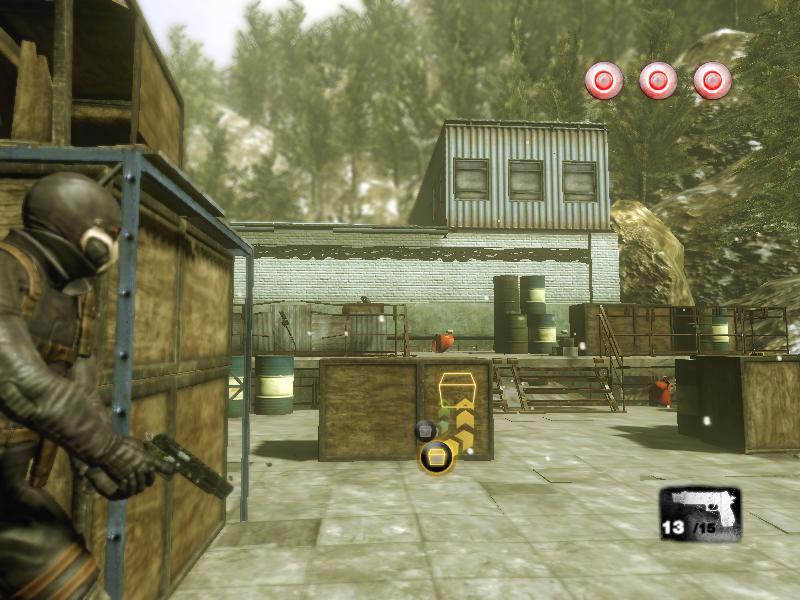
At its core, “Wanted: Weapons of Fate” revolves around mastering the art of superhuman combat. Players are tasked with learning to manipulate time, bend gravity, and unleash devastating attacks on unsuspecting enemies. The game introduces a unique “Focus” mechanic that allows players to slow down time, enabling precise targeting and strategic maneuvers. Mastering this system is crucial for survival, as enemies often employ overwhelming numbers and aggressive tactics. Gunplay is satisfyingly visceral, with a variety of firearms available to suit different playstyles. However, the AI can be inconsistent, ranging from surprisingly competent to frustratingly predictable. The game also features a crafting system that allows players to create new weapons and upgrades, adding an element of progression and customization.
Level Design and World Atmosphere
The level design in “Wanted: Weapons of Fate” is generally functional but lacks the intricate detail and environmental storytelling found in more acclaimed titles. Environments range from urban sprawls to clandestine training facilities, each designed to showcase the game’s unique combat mechanics. While some levels offer opportunities for exploration and experimentation, others feel linear and restrictive. The atmosphere attempts to capture the sense of paranoia and intrigue that permeates the film, but often falls flat due to repetitive environments and a lack of compelling narrative context.
Narrative Depth and Character Profiles
The narrative in “Wanted: Weapons of Fate” expands upon the events of the film, delving deeper into Wesley Gibson’s transformation and his relationship with the Fraternity. While the story introduces new characters and explores previously unexplored aspects of the universe, it ultimately struggles to maintain a consistent level of engagement. The dialogue can be clunky at times, and some character motivations feel underdeveloped. However, the game does attempt to address themes of destiny, free will, and the consequences of power, offering players opportunities to reflect on the moral implications of their actions.
Sound Design and Acoustic Realism
The sound design in “Wanted: Weapons of Fate” plays a crucial role in enhancing the overall experience. Gunshots are impactful and satisfyingly loud, while environmental sounds create a sense of immersion. The game also features a dynamic soundtrack that adapts to the intensity of the action, further amplifying the adrenaline-pumping moments. However, some voice acting performances can be uneven, detracting from the emotional impact of key scenes.
Release Expectations and Community Hype
Upon its release, “Wanted: Weapons of Fate” generated considerable hype among fans of the original film. The promise of an interactive experience that allowed players to embody Wesley Gibson’s superhuman abilities was undoubtedly appealing. However, the game ultimately failed to live up to these expectations due to a combination of technical limitations and design flaws. While some players appreciated the attempt to expand upon the universe established by the film, others were disappointed by the lack of polish and depth.
Conclusion: The Future of Wanted: Weapons of Fate
“Wanted: Weapons of Fate” represents an ambitious attempt to translate the visual spectacle and action-packed narrative of the original film into an interactive experience. While the game ultimately falls short of its potential due to technical limitations and design flaws, it offers glimpses of what could have been. The core gameplay mechanics are engaging, and the attempts to expand upon the universe established by the film are commendable. Whether or not a sequel or reboot is in the cards remains to be seen, but the legacy of “Wanted: Weapons of Fate” serves as a reminder of the challenges inherent in adapting beloved properties into interactive formats.
Source: Wikipedia