Introduction: The Next Chapter for Viva Piñata
Viva Piñata, a franchise born from the creative minds at Rare and later nurtured by Xbox Game Studios, represents a unique blend of gardening simulation, creature collection, and strategic gameplay. Originally conceived as a mobile title, its evolution into a full-fledged console experience on the Xbox 360 marked a significant turning point for both Rare and the gaming landscape. This deep dive will explore the game’s development journey, technical innovations, and lasting impact on players worldwide. We’re not just looking at a game; we’re examining a testament to creative vision and technological prowess.
Visual Direction and Graphics Engineering
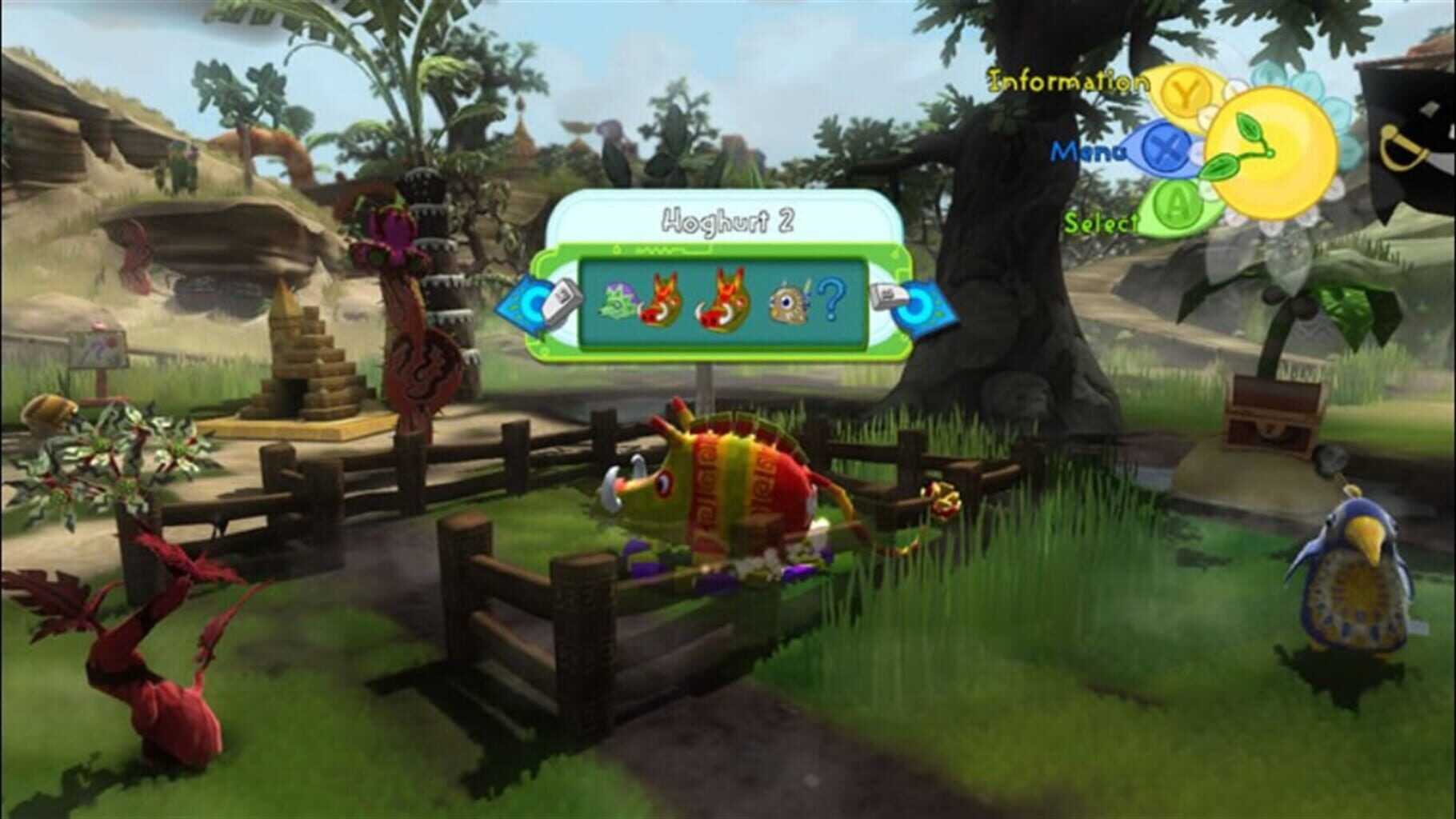
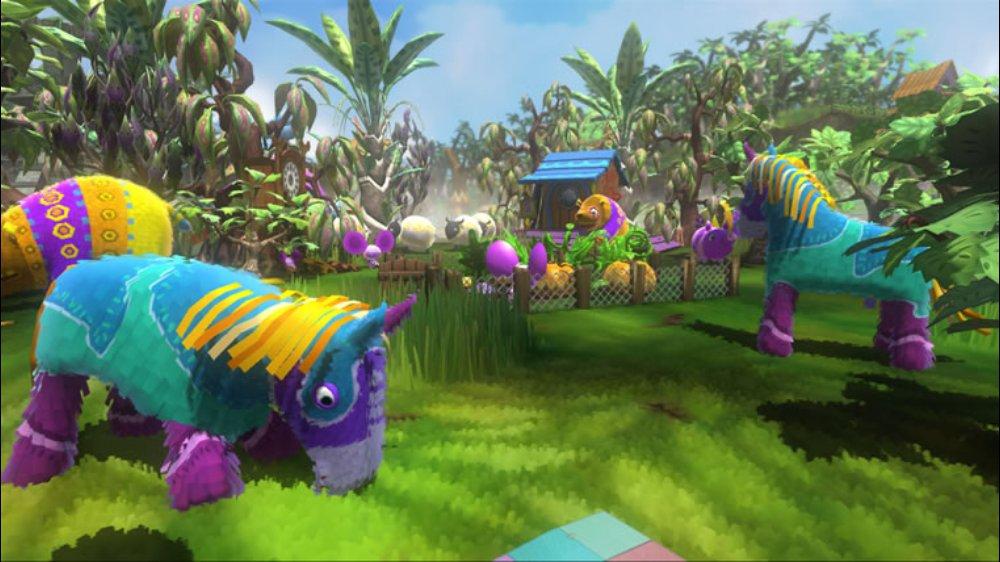
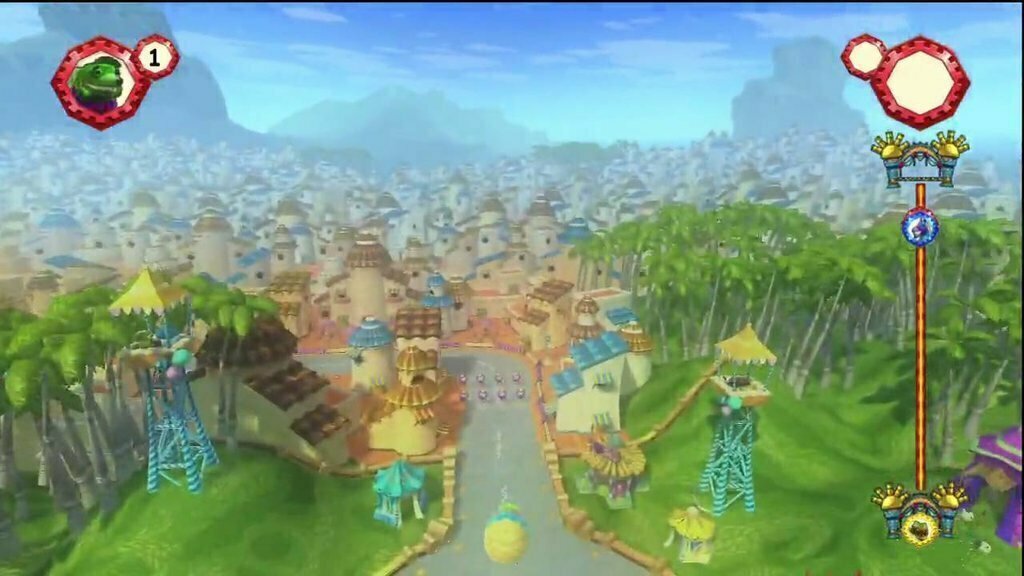
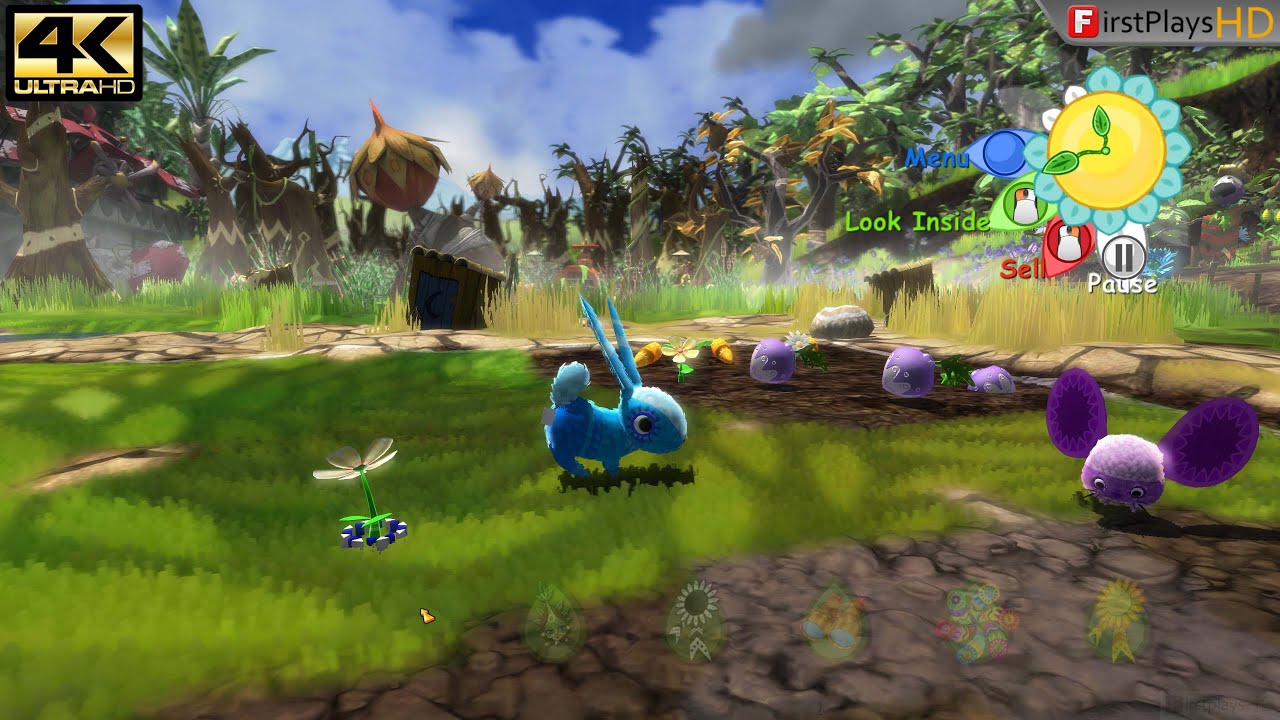
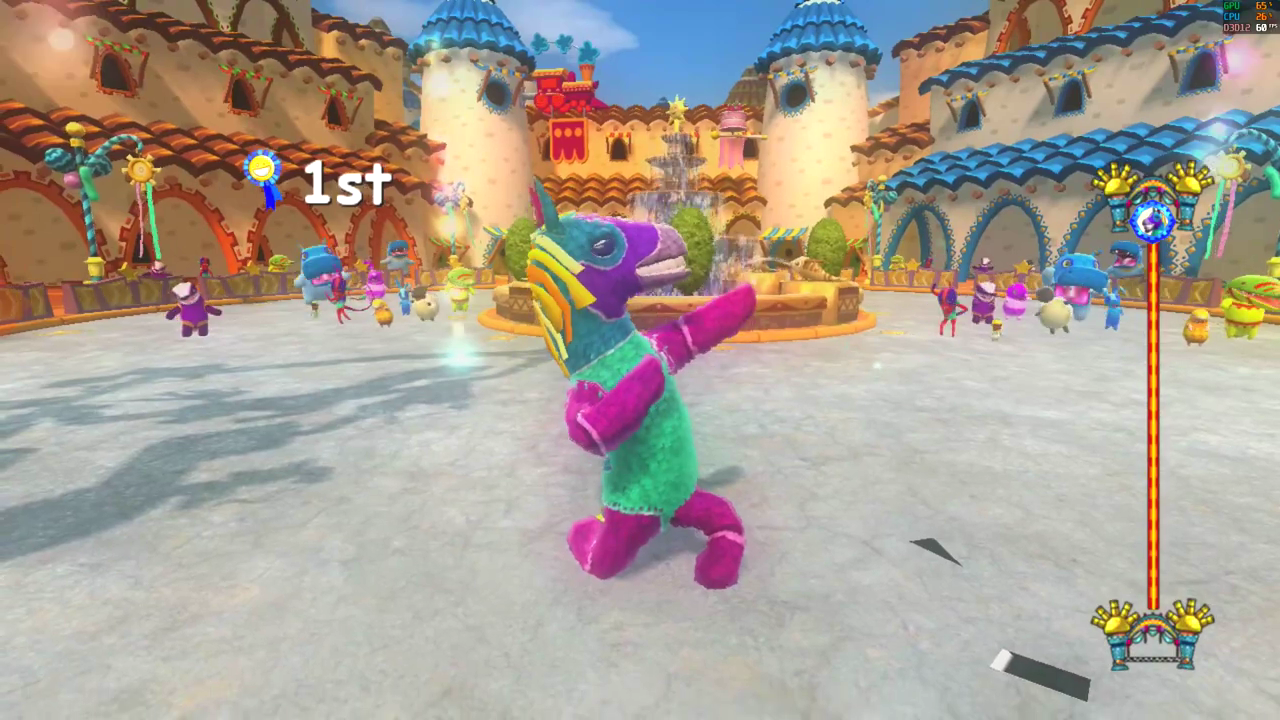
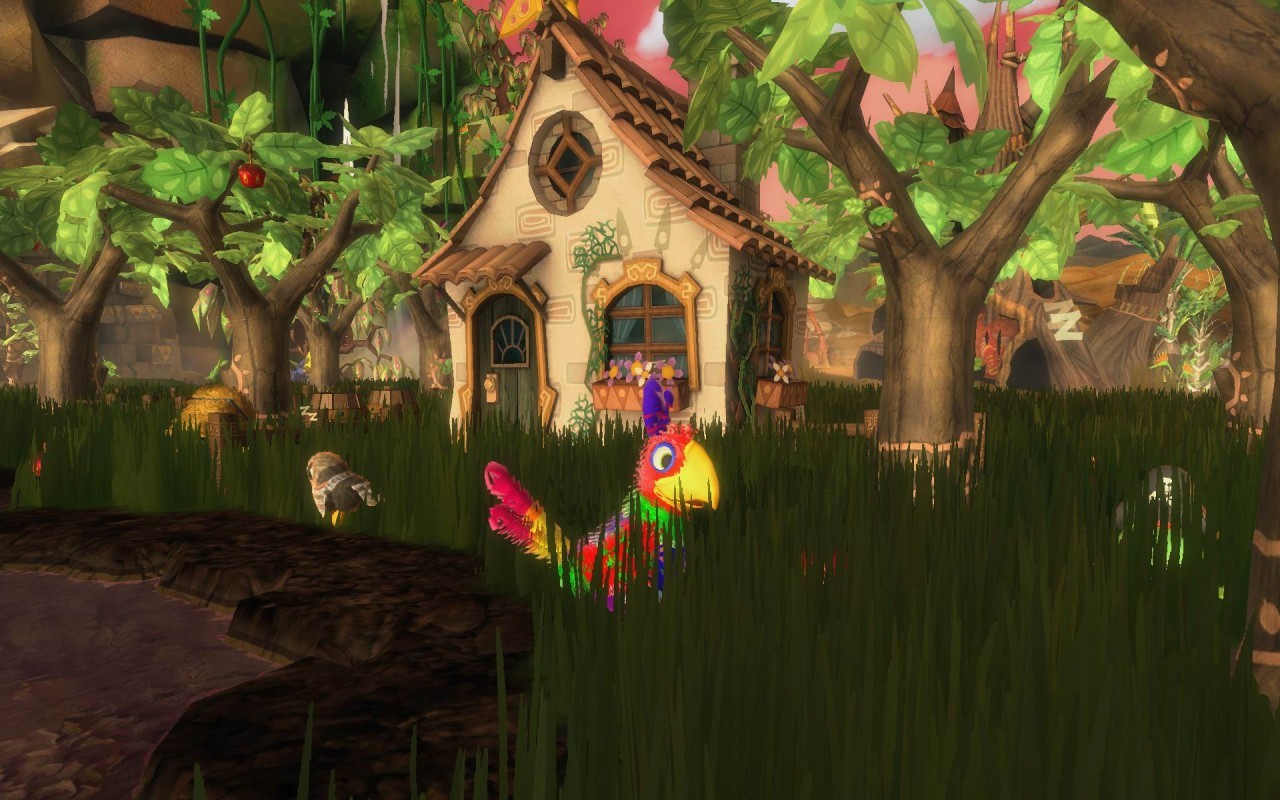
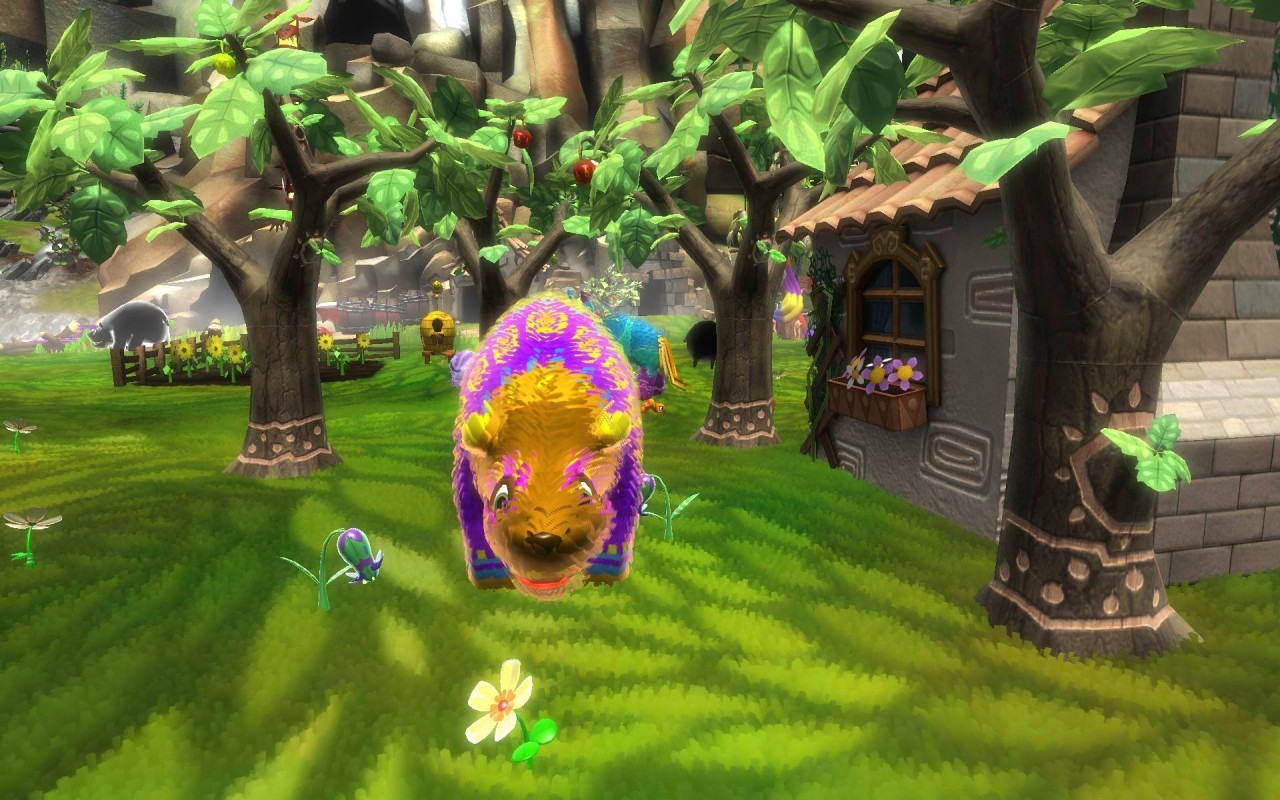
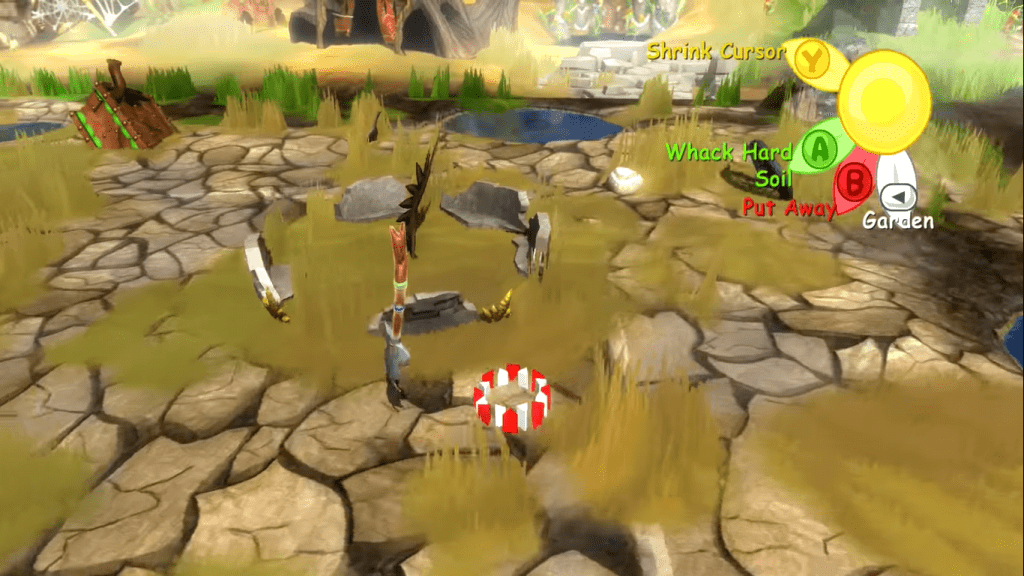
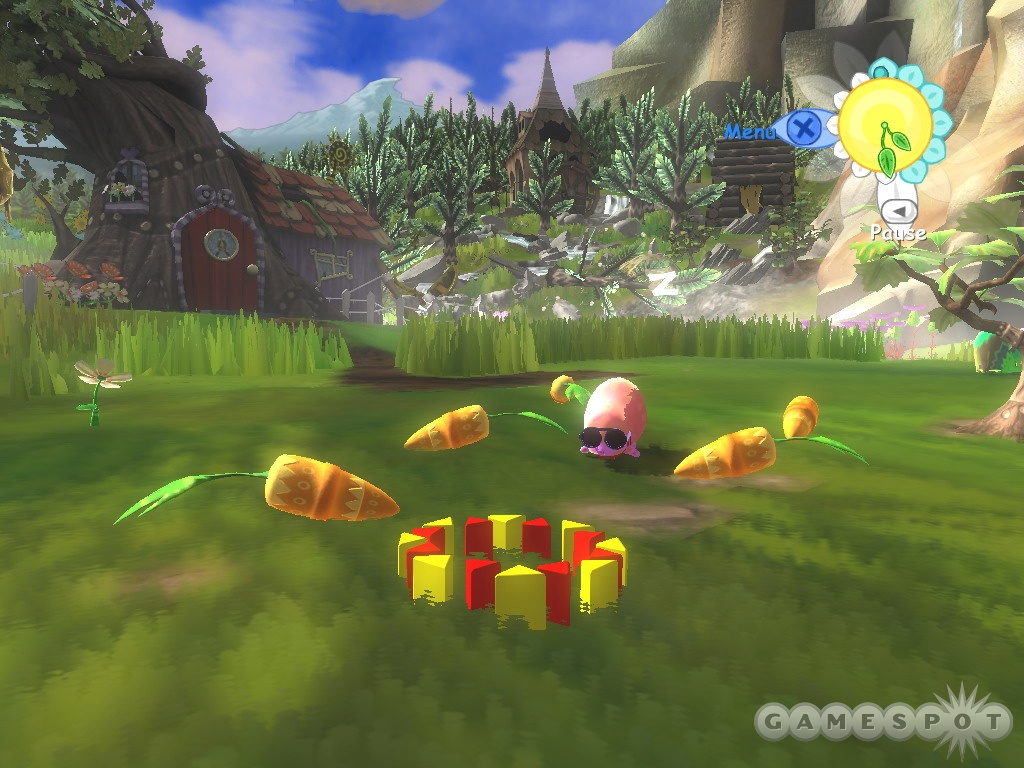
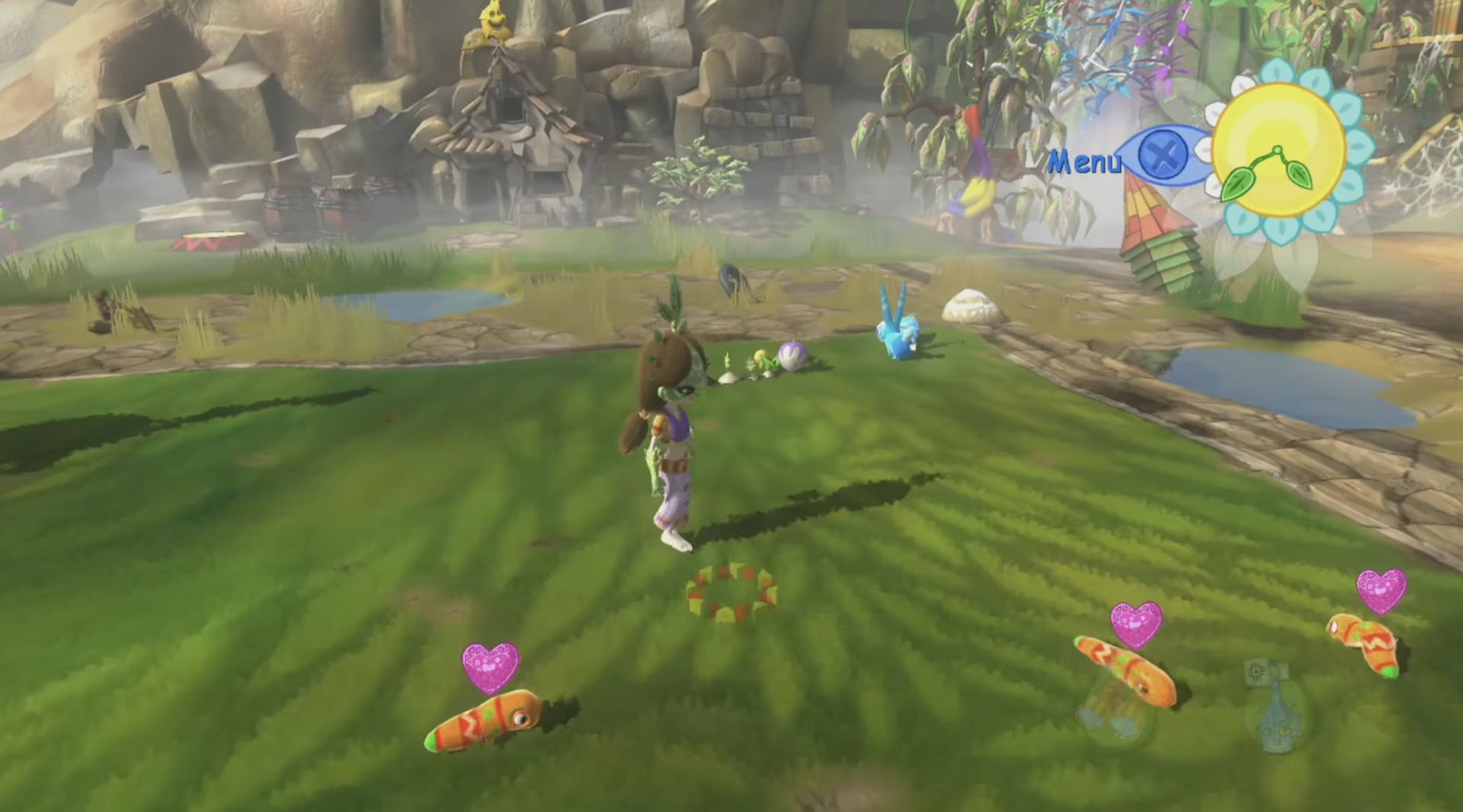
The visual style of Viva Piñata is instantly recognizable: vibrant colors, whimsical character designs, and a charmingly stylized world. The proprietary “Next-Gen Engine” (though its specific capabilities remain somewhat opaque) was instrumental in bringing this vision to life on the Xbox 360. While not pushing the hardware to its absolute limits, the engine allowed for detailed environments, expressive animations for the piñata creatures, and a generally polished aesthetic. The art direction prioritized readability and appeal, ensuring that even younger players could easily understand and interact with the game world. This focus on visual clarity was crucial to the game’s accessibility and overall charm.
Gameplay Mechanics and Core Systems
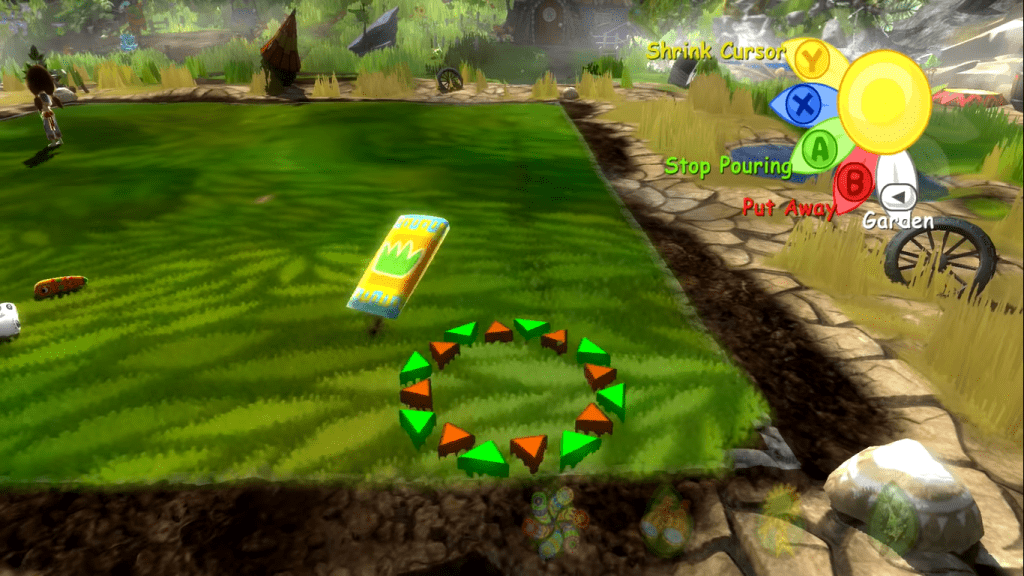
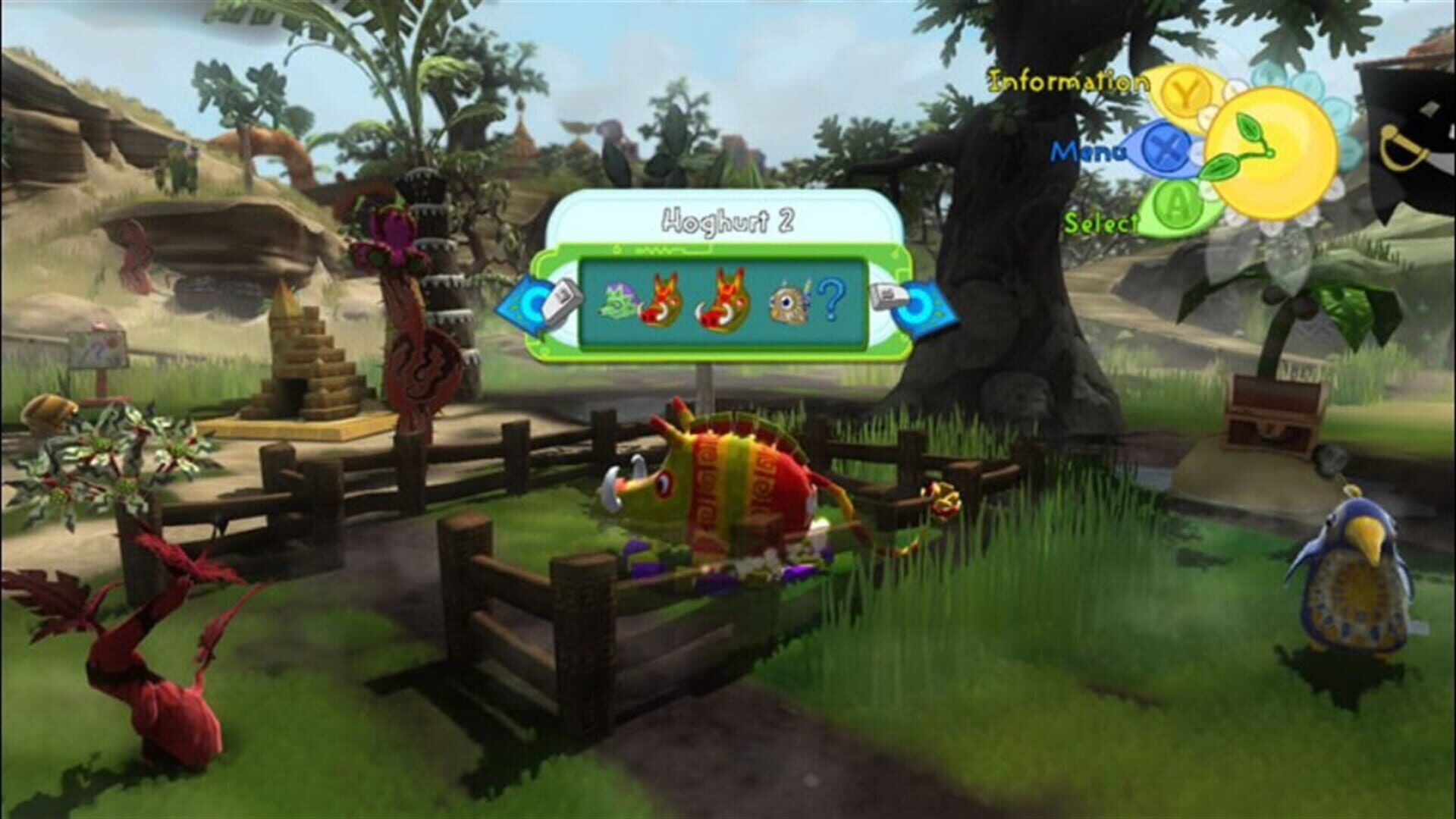
At its core, Viva Piñata is a creature-collecting and management simulation. Players cultivate a garden, attracting various piñata creatures by providing suitable habitats and resources. Each creature has unique preferences, behaviors, and evolutionary paths. The gameplay loop revolves around attracting new species, nurturing existing ones, and strategically managing the ecosystem to prevent imbalances or unwanted events. This system encourages experimentation and rewards players who understand the complex relationships between different creatures. The game’s depth lies in its emergent gameplay; unexpected interactions and chain reactions are common, adding replayability and a sense of discovery.
Level Design and World Atmosphere
The garden itself serves as the primary level design element. Players can customize their gardens with various plants, structures, and decorations, influencing which creatures will be attracted. The game’s world is presented in a bright, optimistic style, creating an inviting atmosphere for players of all ages. While the environments are relatively simple, they are meticulously crafted to provide visual interest and strategic opportunities. The placement of objects within the garden directly impacts gameplay, encouraging thoughtful planning and creative problem-solving.
Narrative Depth and Character Profiles
While Viva Piñata doesn’s feature a traditional narrative structure, it does offer glimpses into the personalities and relationships between the piñata creatures. Each creature has its own unique quirks and behaviors, adding depth to the game world. The absence of a heavy-handed storyline allows players to create their own stories within the garden, fostering a sense of ownership and creativity. While not explicitly stated in dialogue, subtle cues and interactions hint at underlying narratives and motivations, rewarding observant players who take the time to understand the nuances of the piñata ecosystem.
Sound Design and Acoustic Realism
The sound design of Viva Piñata plays a crucial role in creating its immersive atmosphere. The game features a cheerful soundtrack that complements the vibrant visuals, while the distinct sounds associated with each creature add personality and realism. The audio cues also provide valuable feedback to the player, indicating when creatures are happy, sad, or in danger. This attention to detail enhances the overall experience, making the garden feel like a living, breathing environment.
Release Expectations and Community Hype
The release of Viva Piñata was met with considerable anticipation, fueled by Rare’s reputation for innovative gameplay and charming aesthetics. The game quickly garnered a dedicated following, drawn to its unique blend of simulation, creature collection, and strategic depth. The community actively engaged in sharing tips, strategies, and creative garden designs, further solidifying the game’s popularity. This organic growth was driven by word-of-mouth and the inherent appeal of the game’s core mechanics.
Conclusion: The Future of Viva Piñata
Viva Piñata remains a beloved title, celebrated for its unique gameplay, charming visuals, and enduring appeal. While subsequent entries in the franchise attempted to expand upon the original formula, none have quite captured the magic of the first game. The legacy of Viva Piñata lives on through its dedicated fanbase and its influence on other games that followed. The future of the franchise remains uncertain, but the possibility of a revival or reimagining is always tantalizing for fans eager to return to the vibrant world of piñata creatures.
Source: Wikipedia