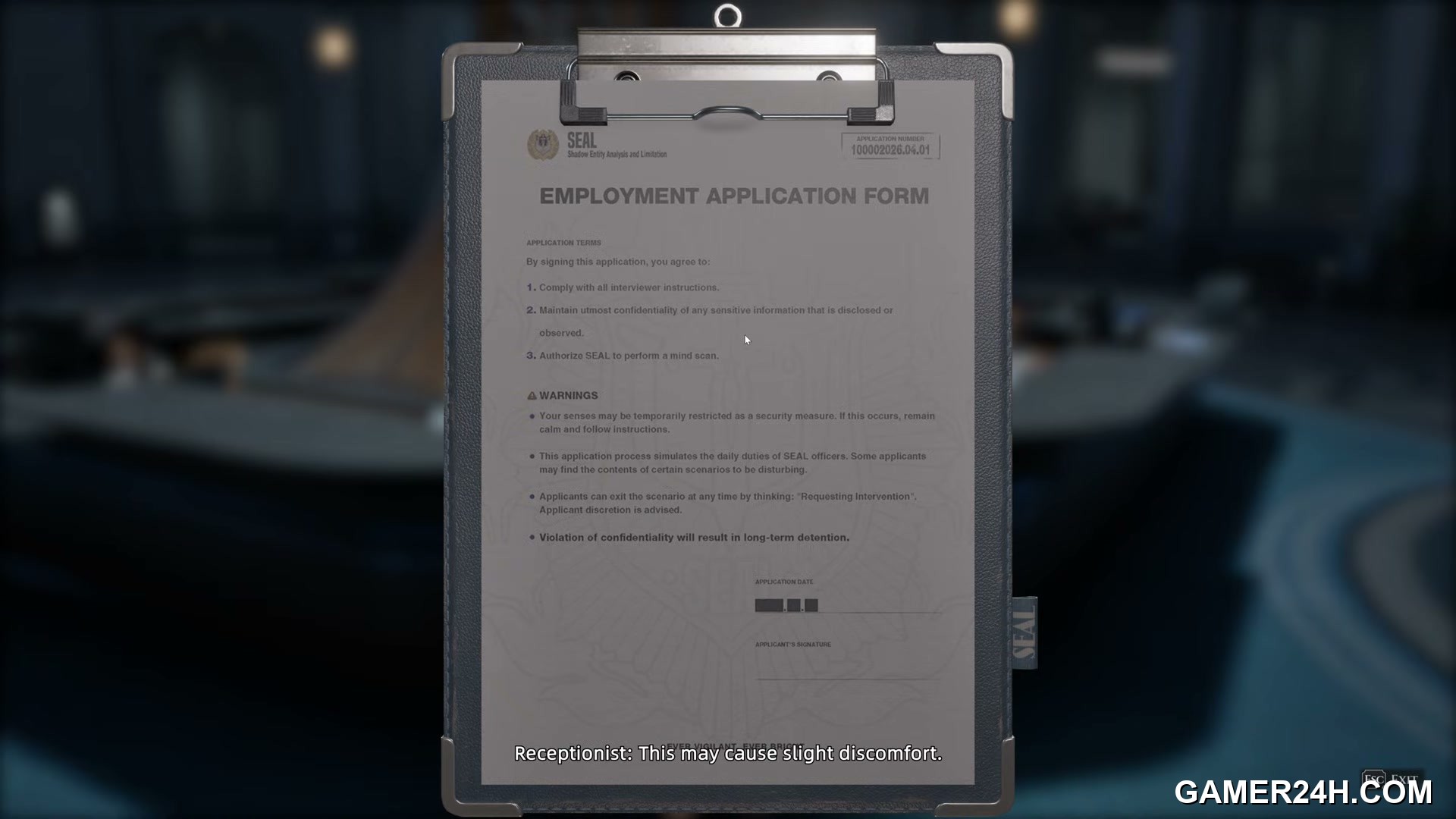
Introduction: Stealth Espionage Reimagined

In an era where the boundaries between reality and virtuality blur ever more finely, miHoYo emerges as a trailblazer with their latest opus, "Varsapura." Set to revolutionize the stealth espionage genre, this title promises an immersive narrative experience coupled with cutting-edge gameplay mechanics. As players step into the shoes of Lucia, they embark on a clandestine mission that pushes both psychological and mechanical limits, weaving through intricate webworks of paranoia and deceit.
Visual Splendor: Pushing the Limits of Unreal Engine 5
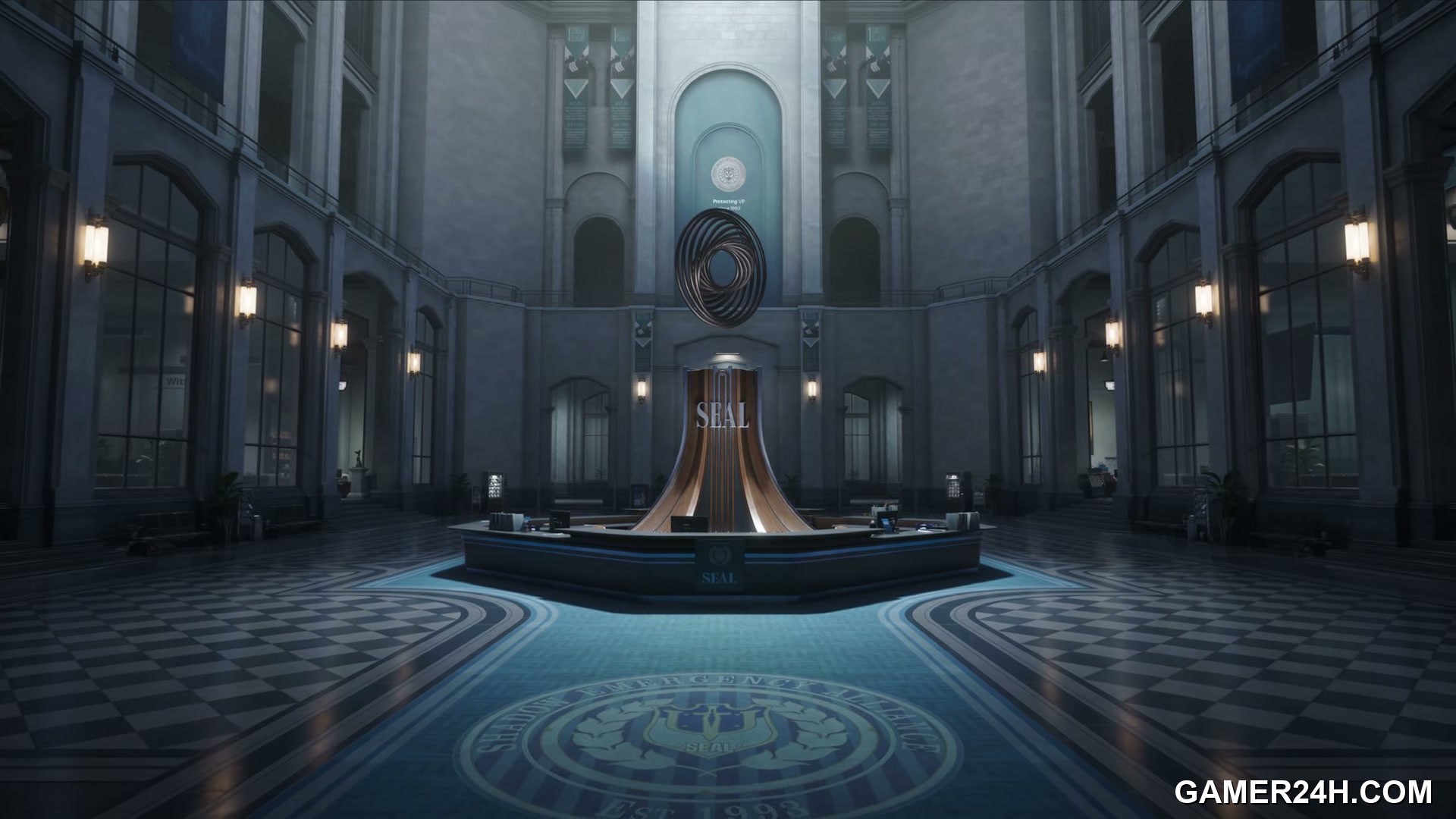
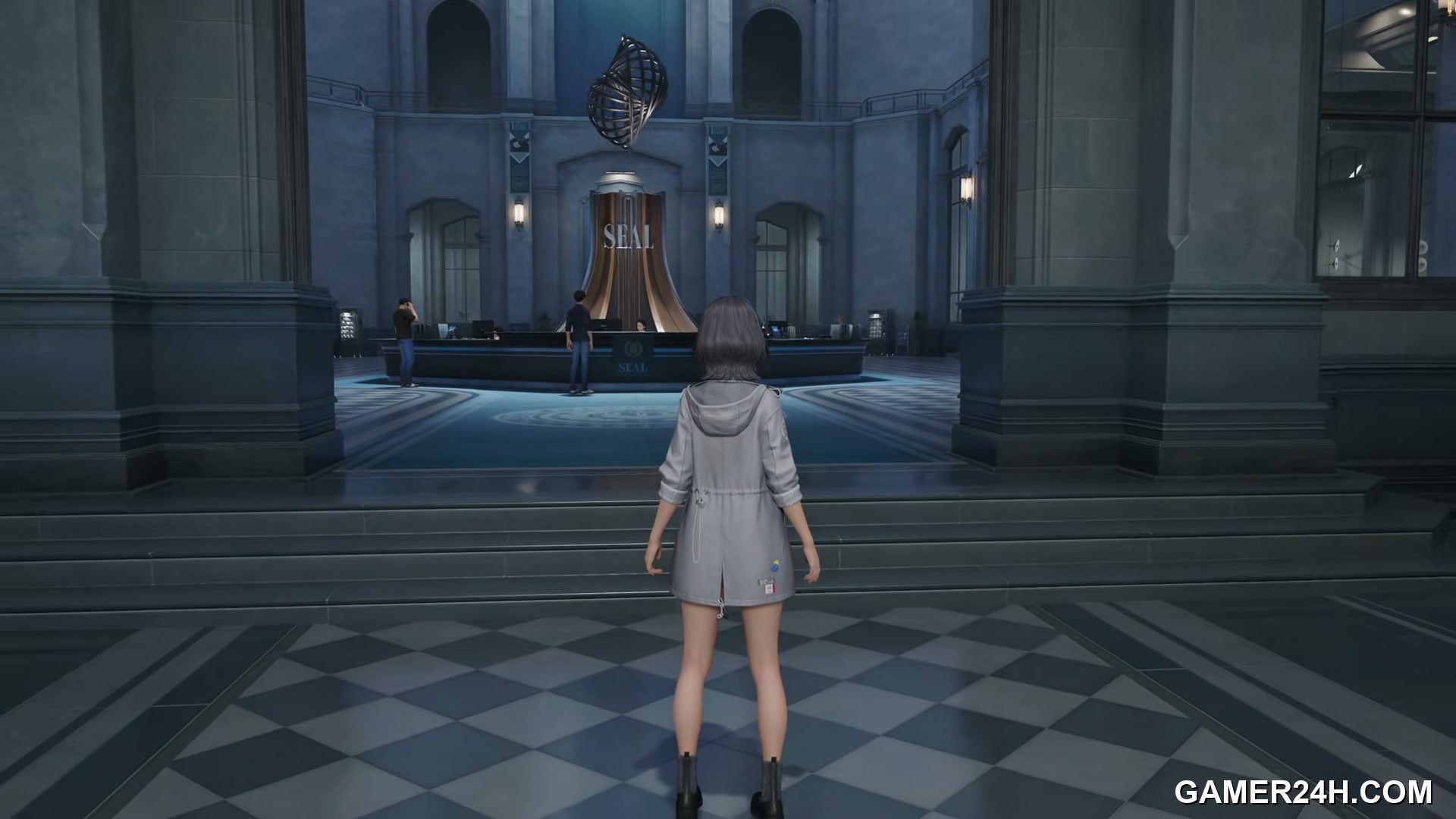
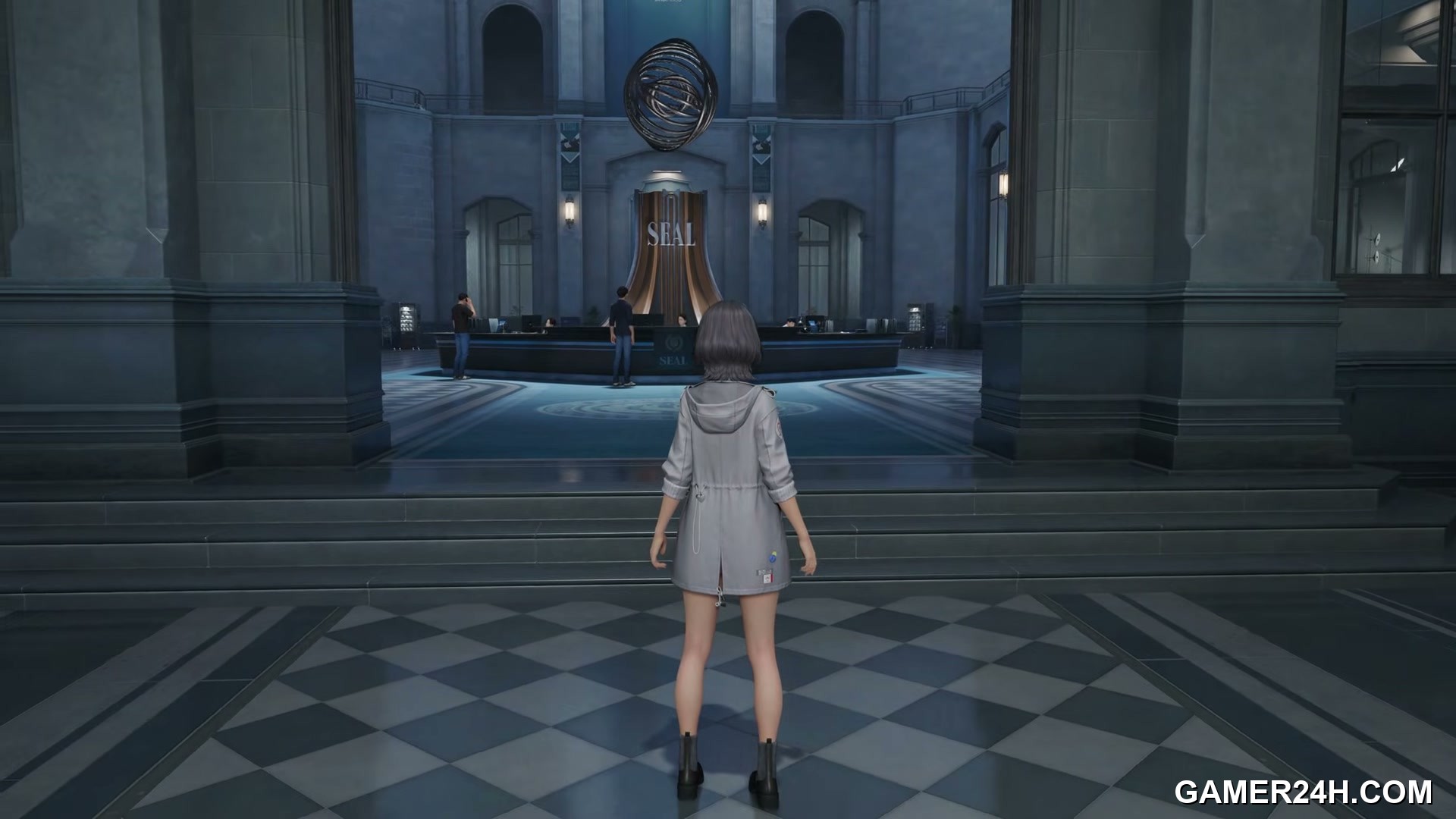
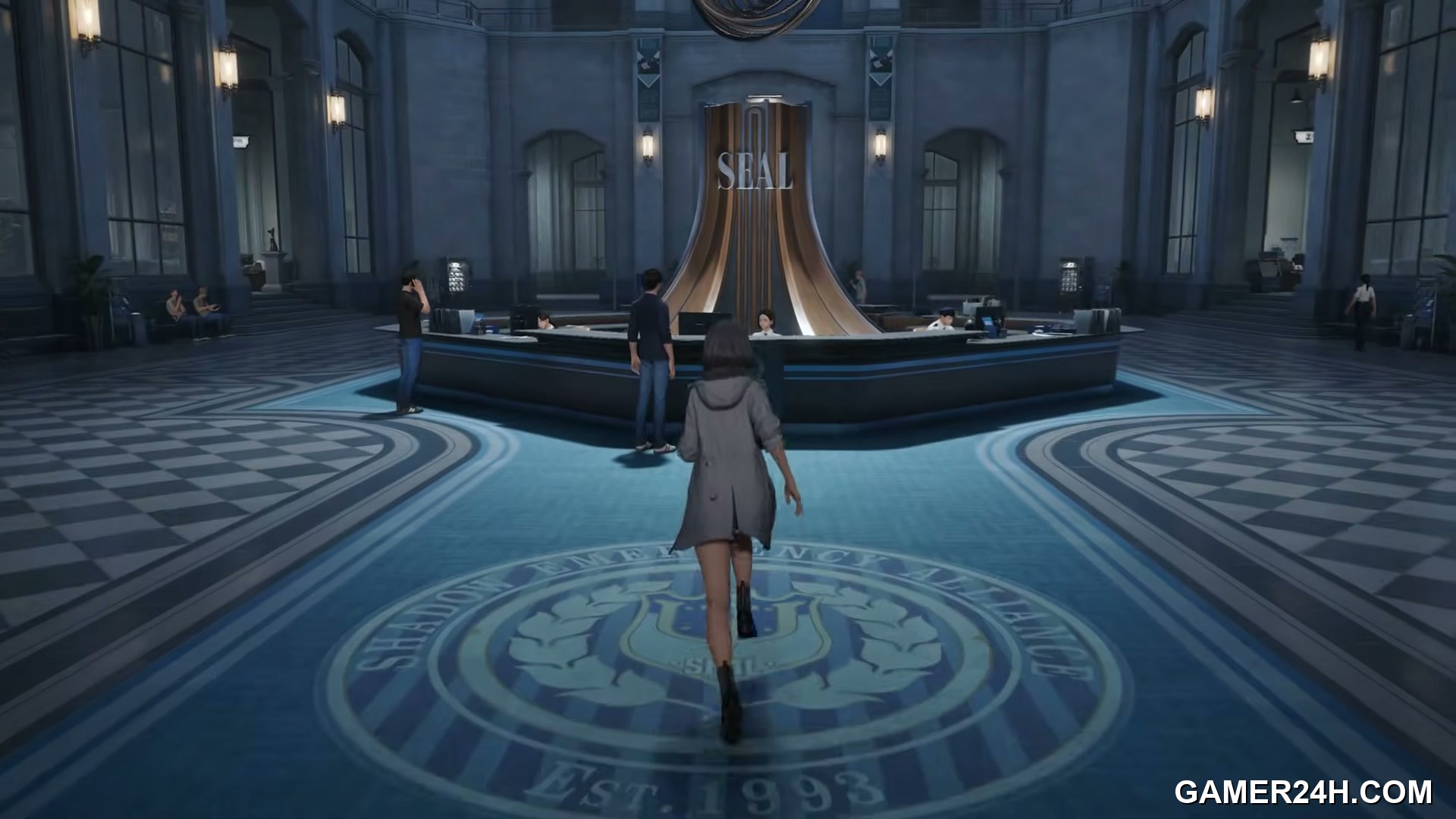
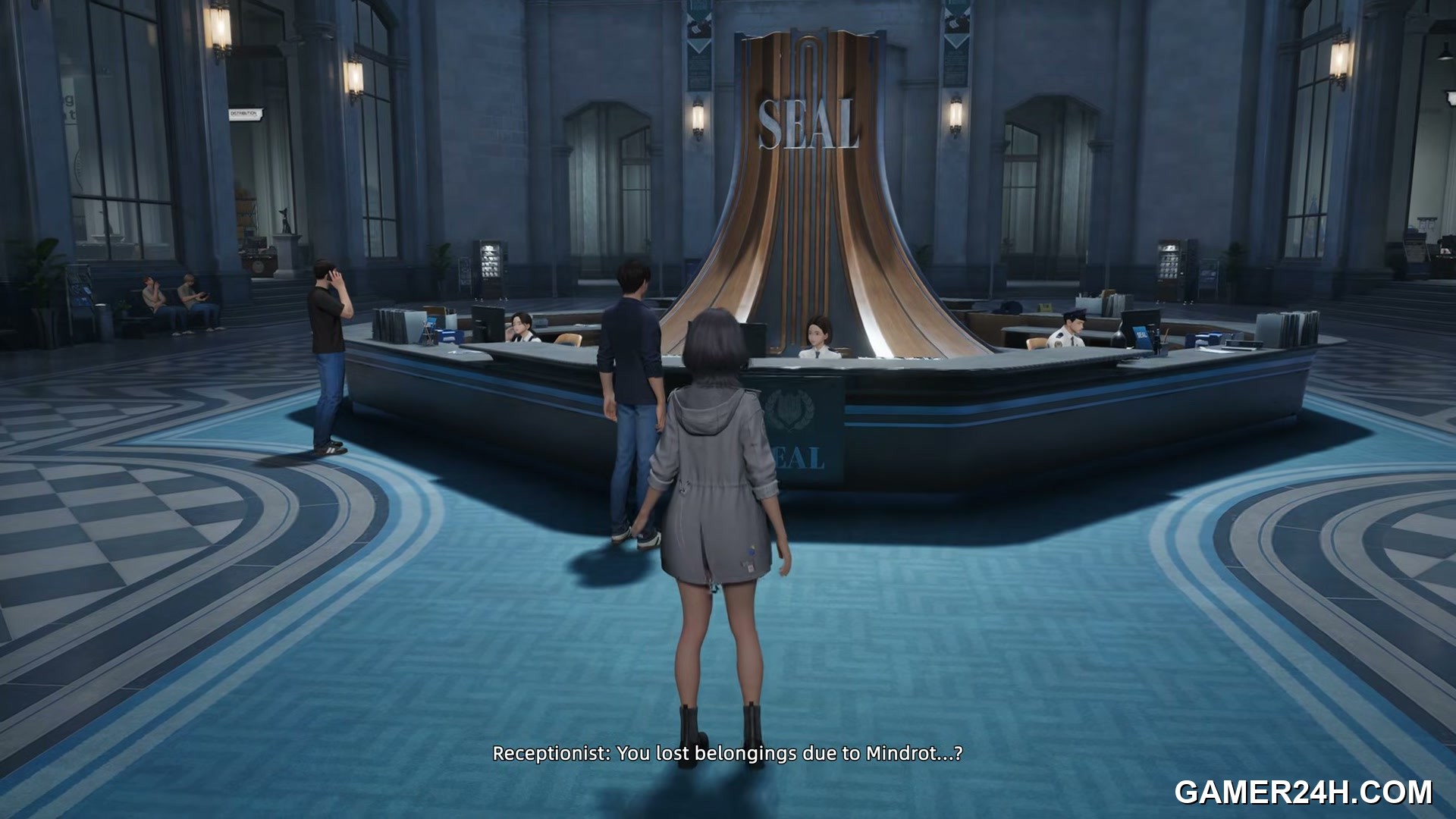
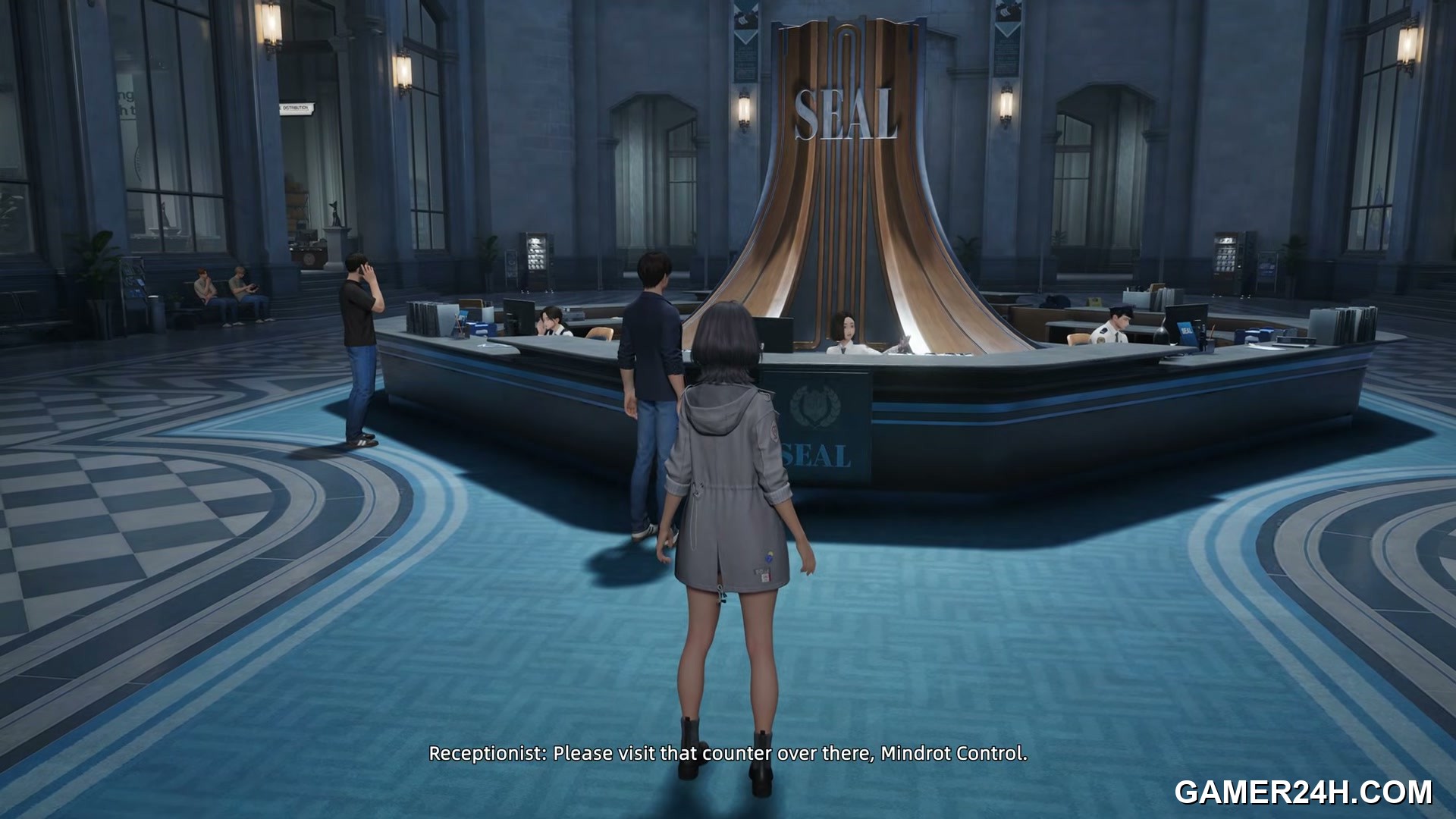
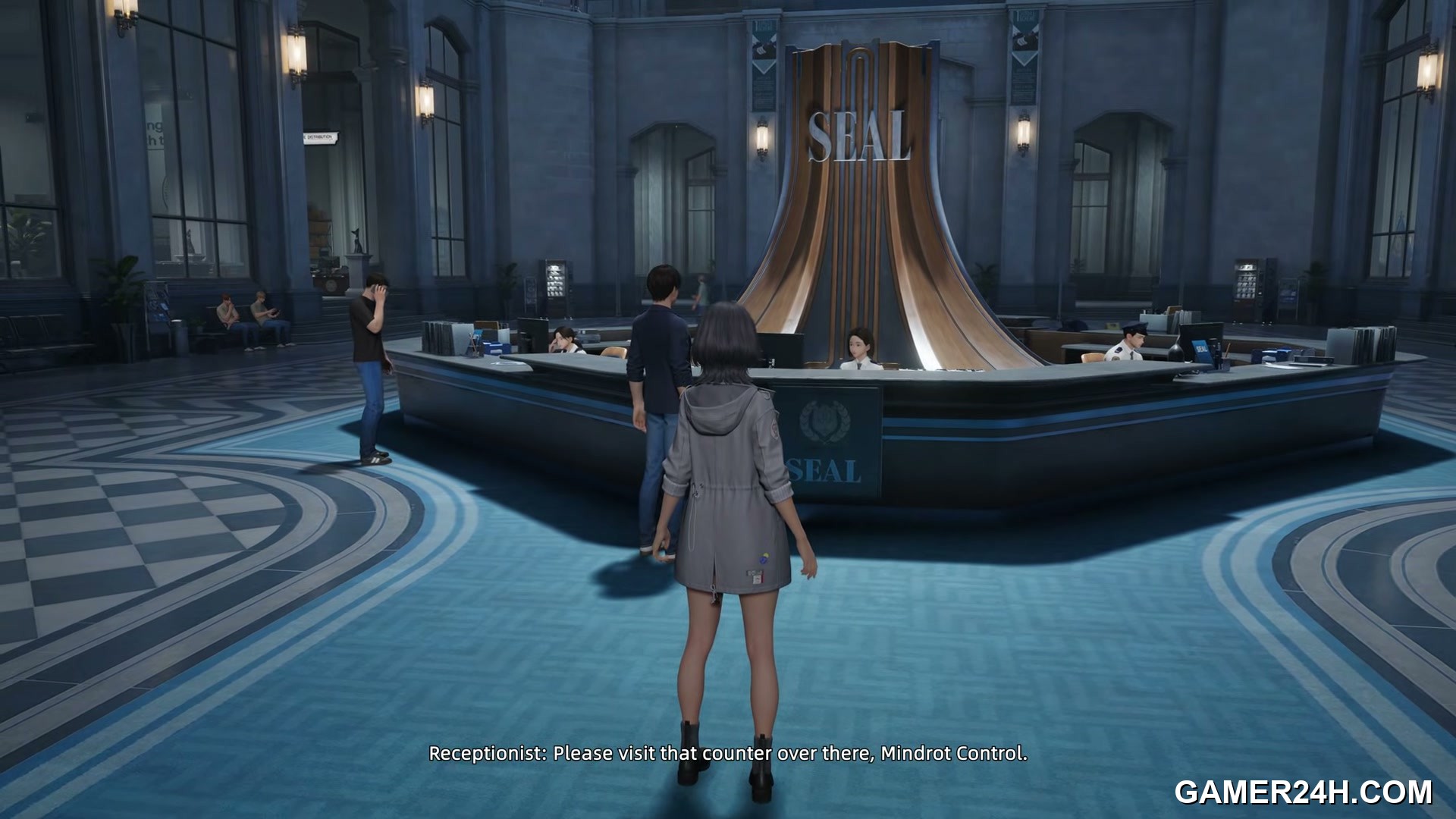
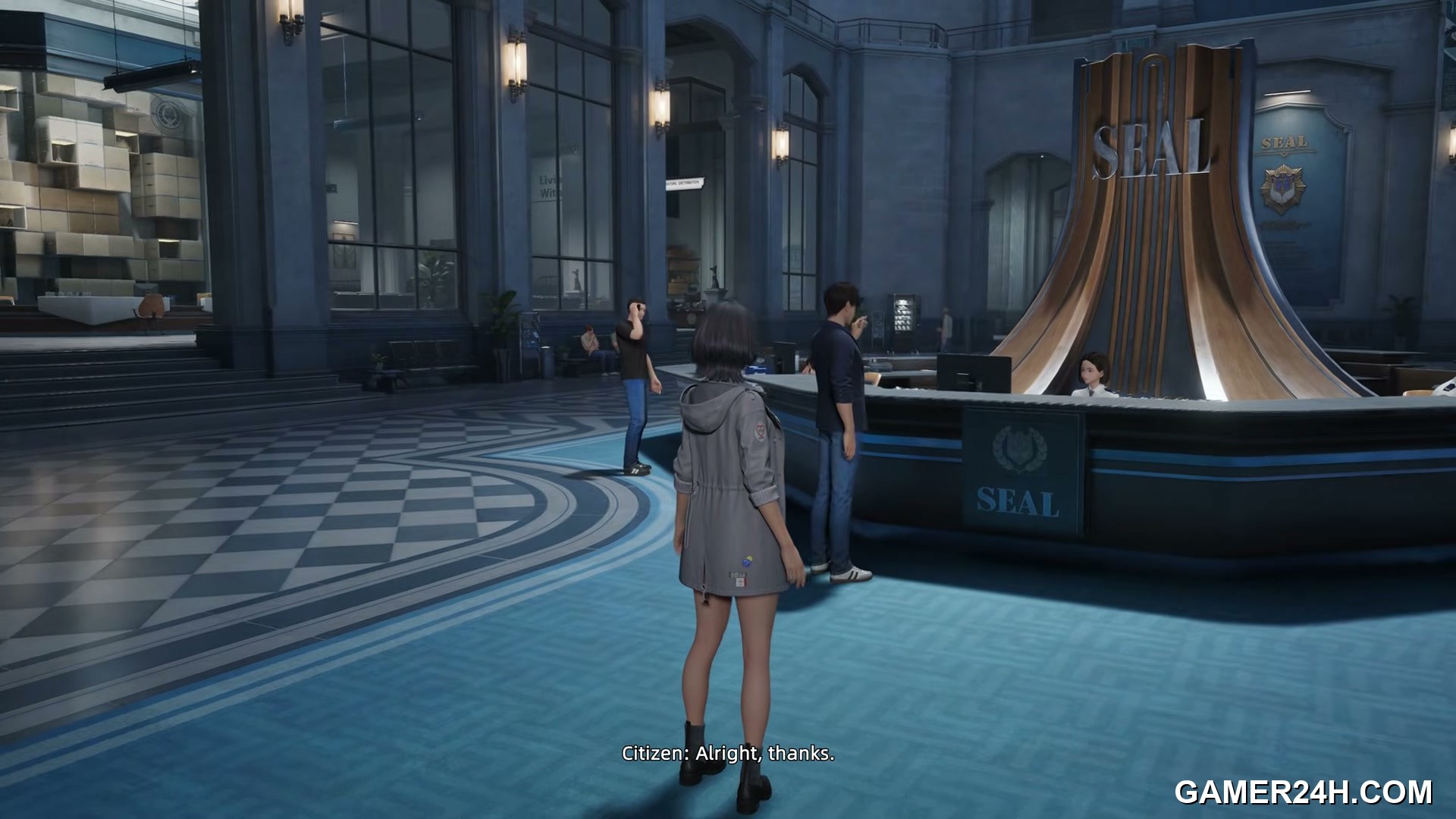
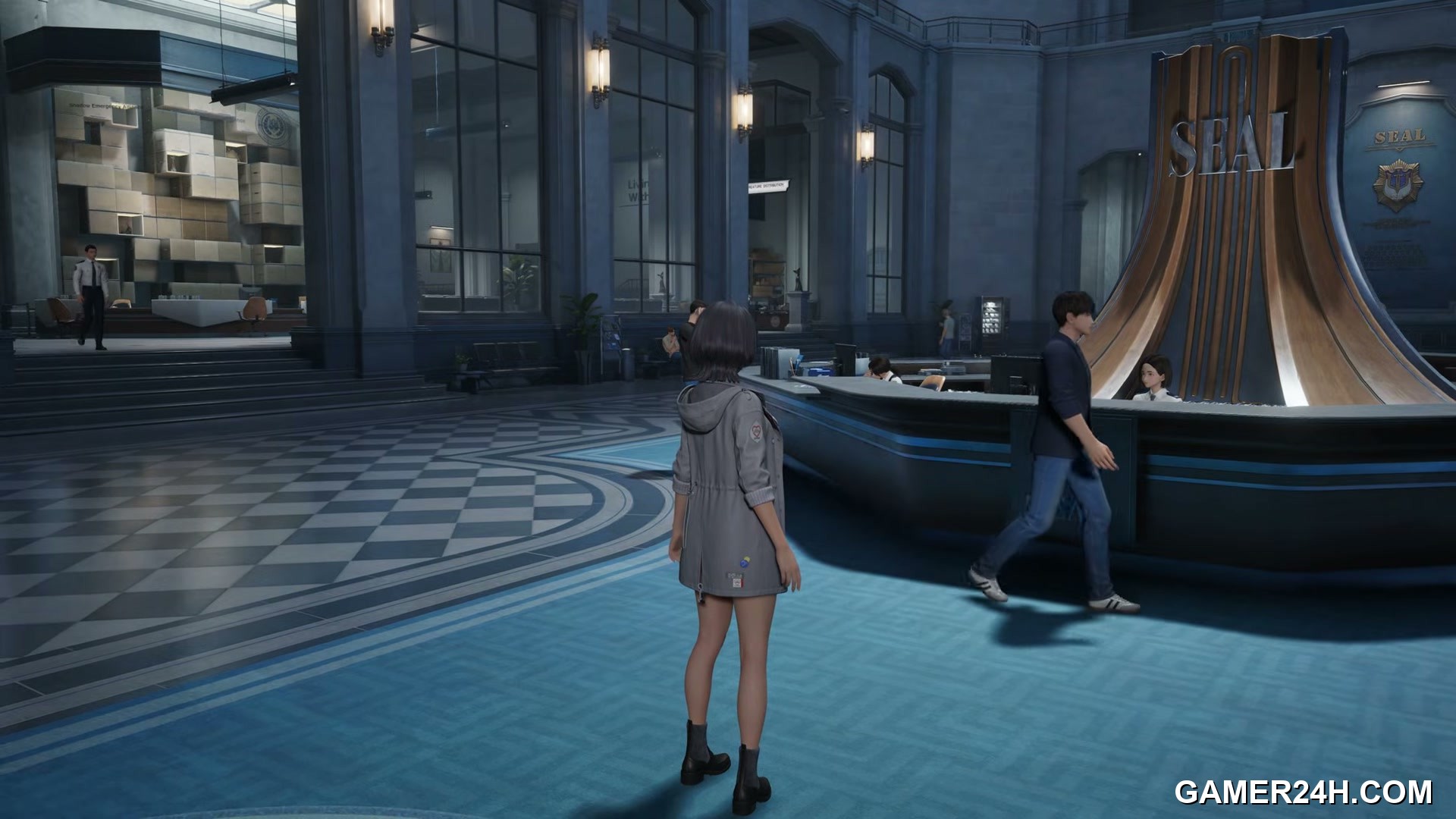
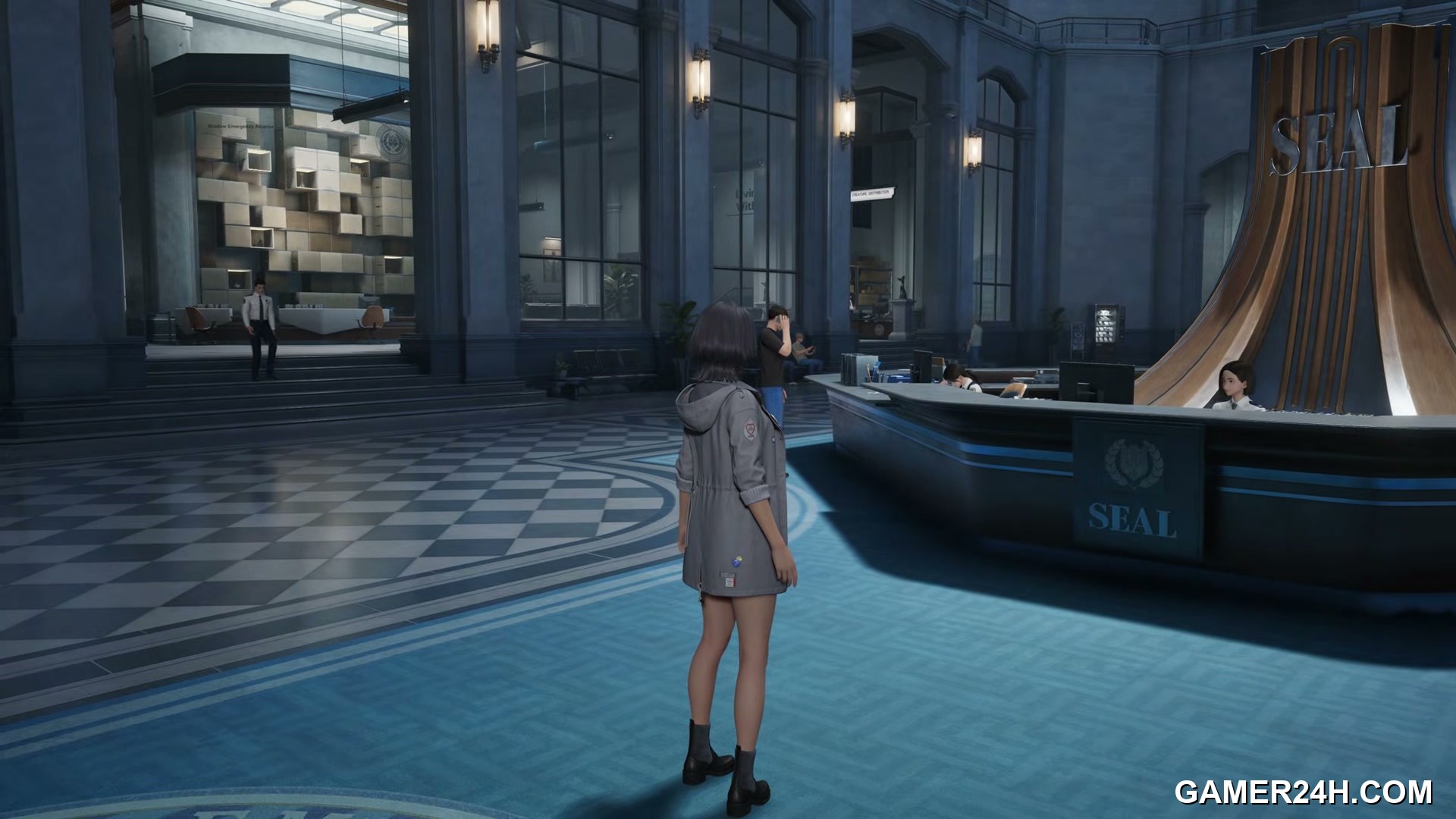
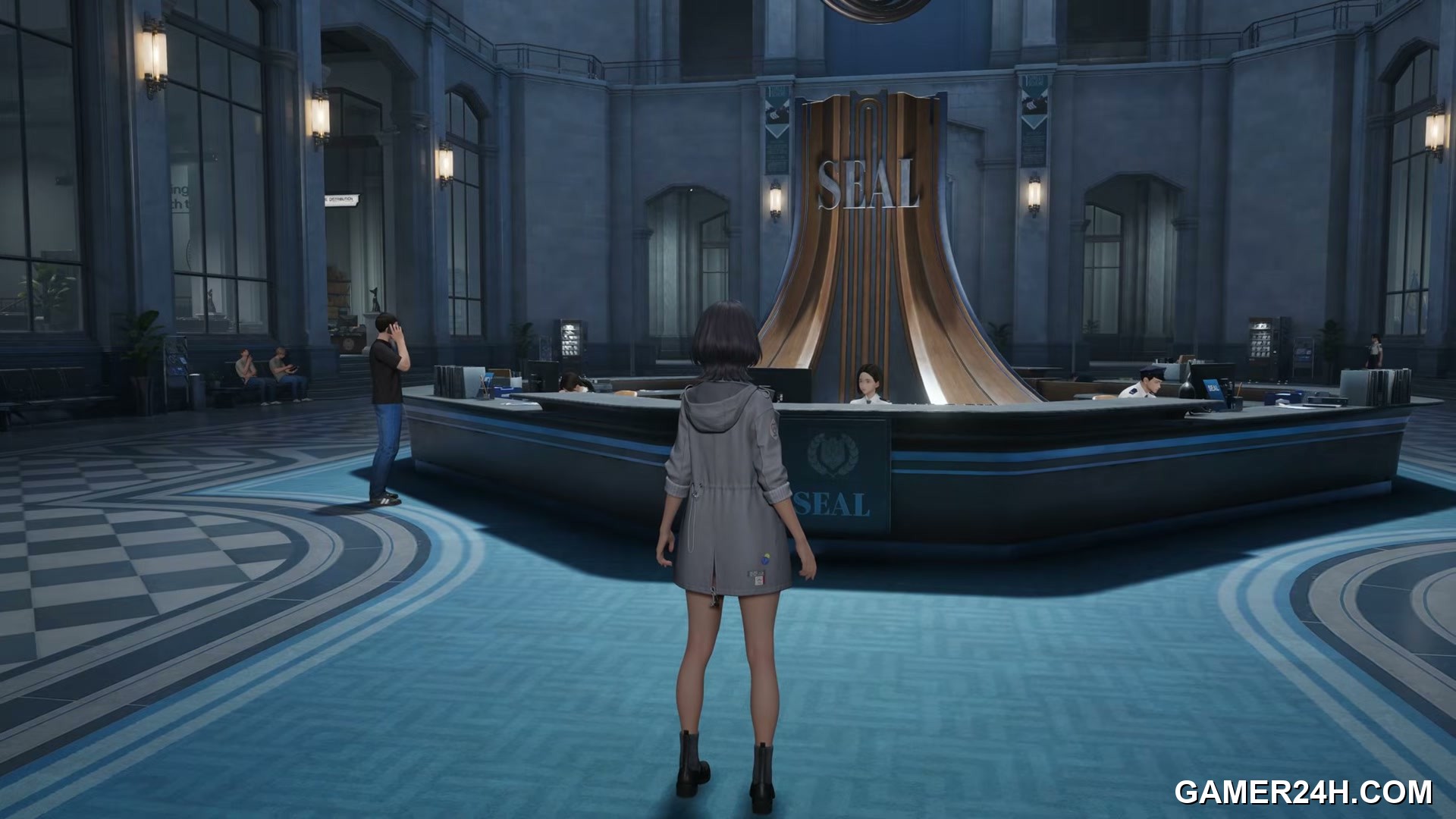
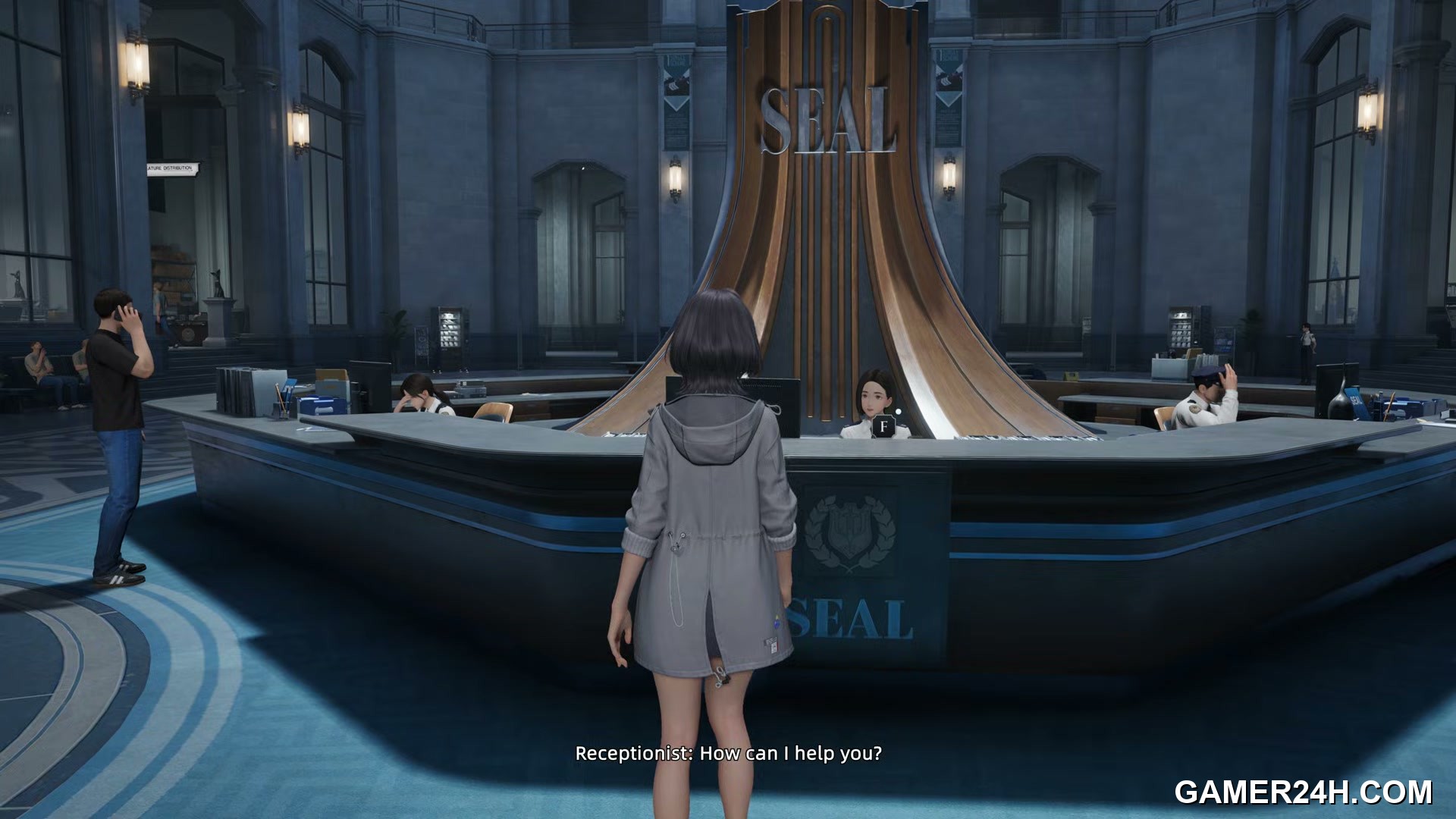
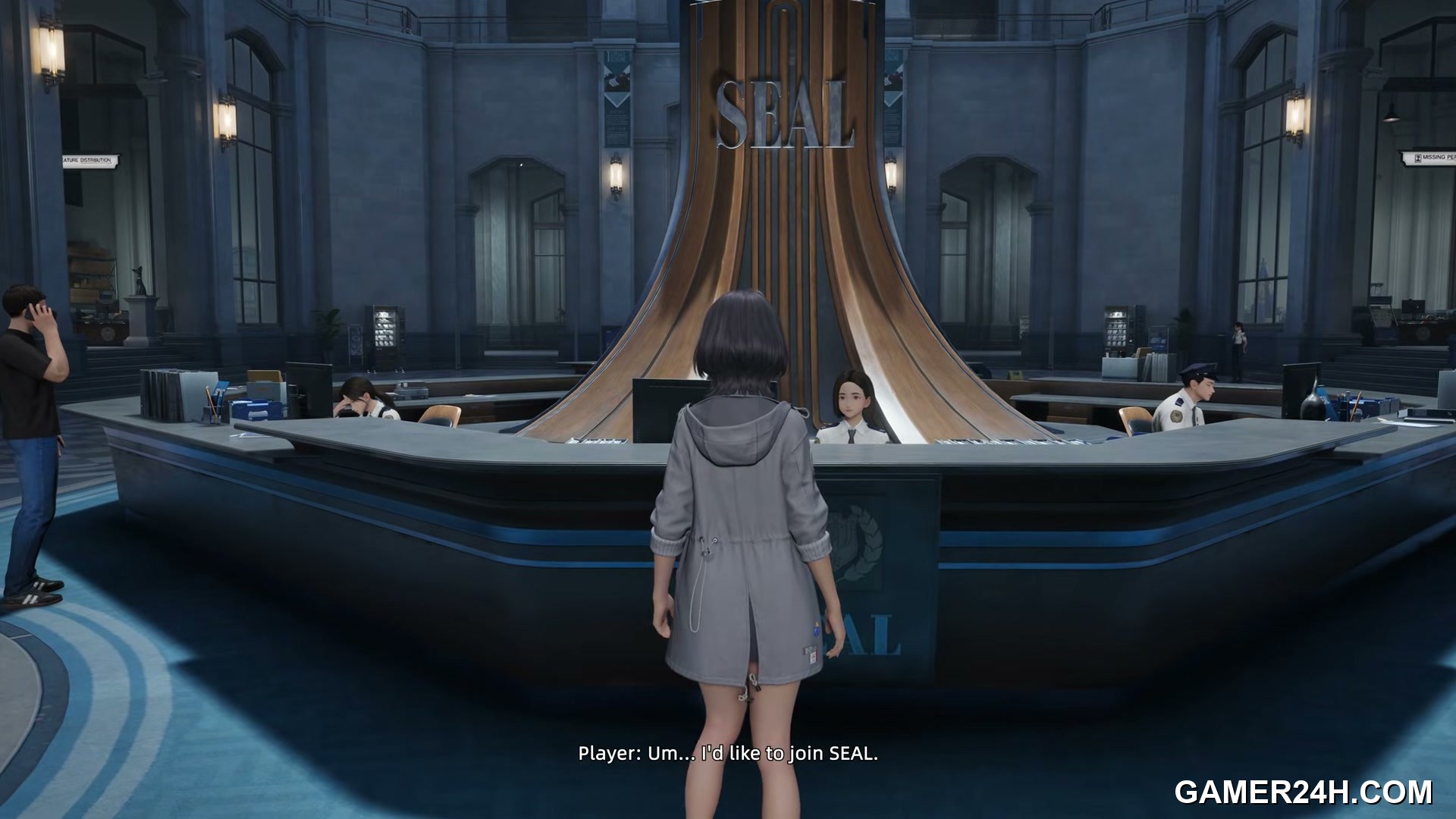
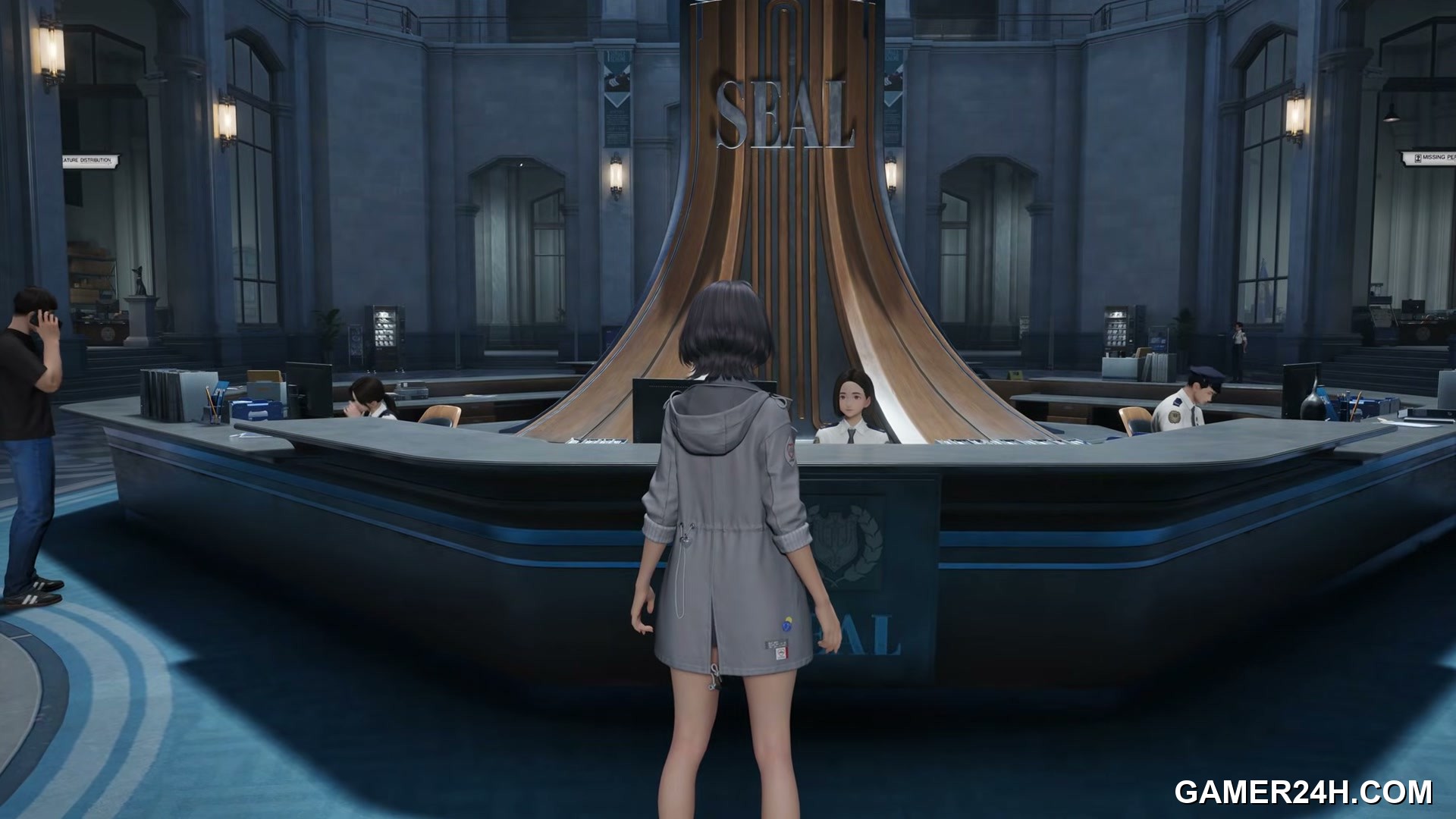
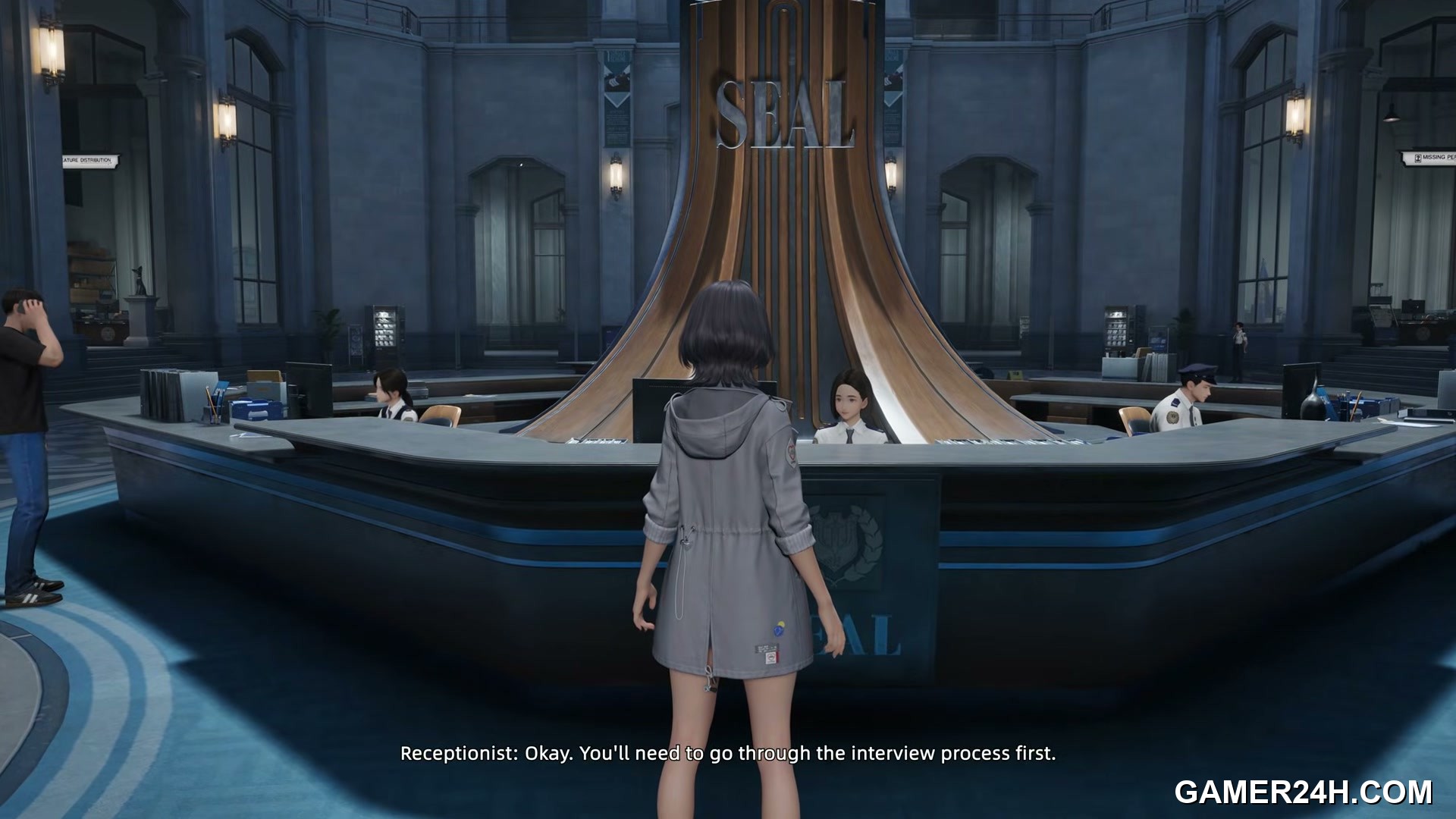
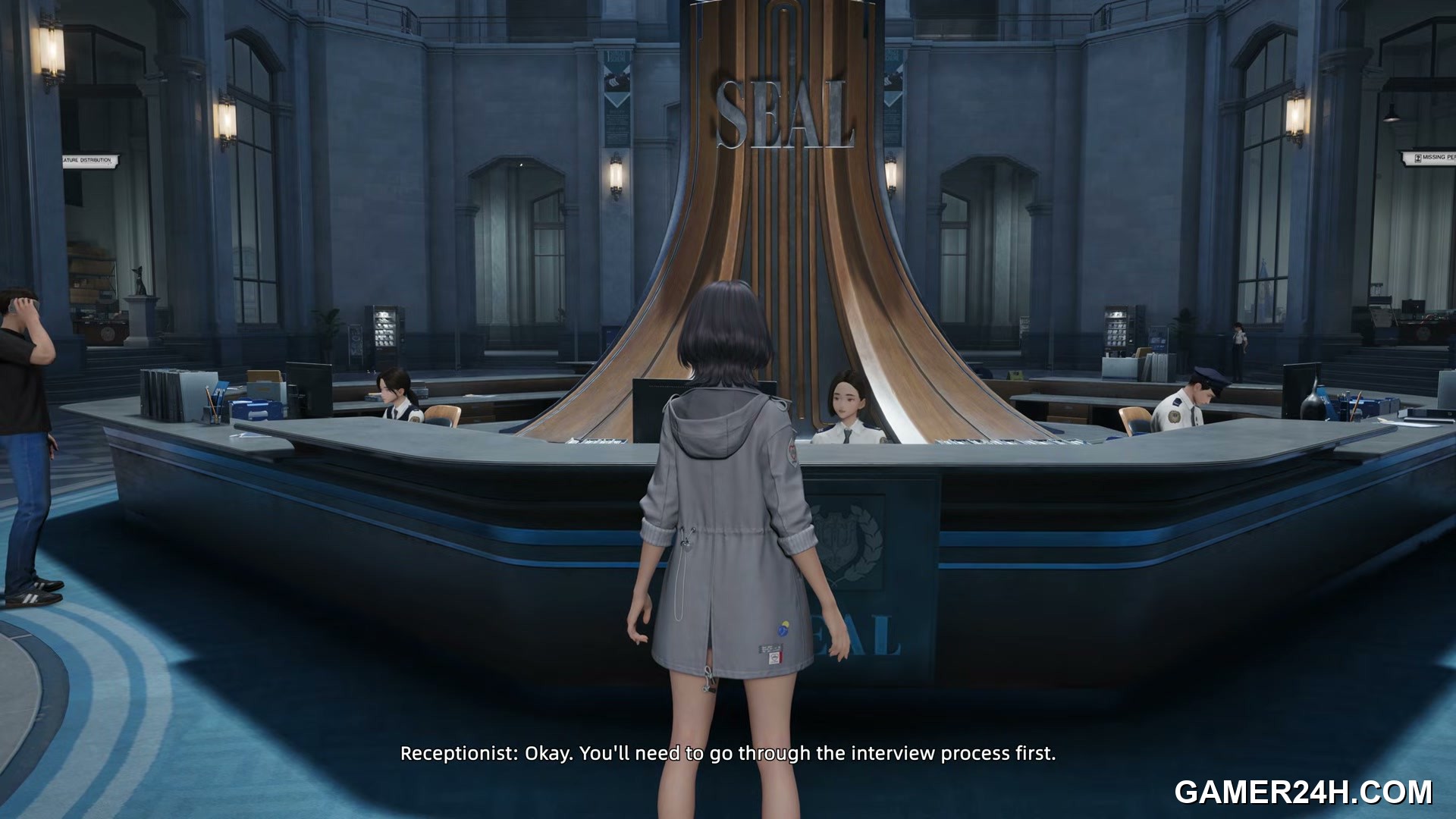
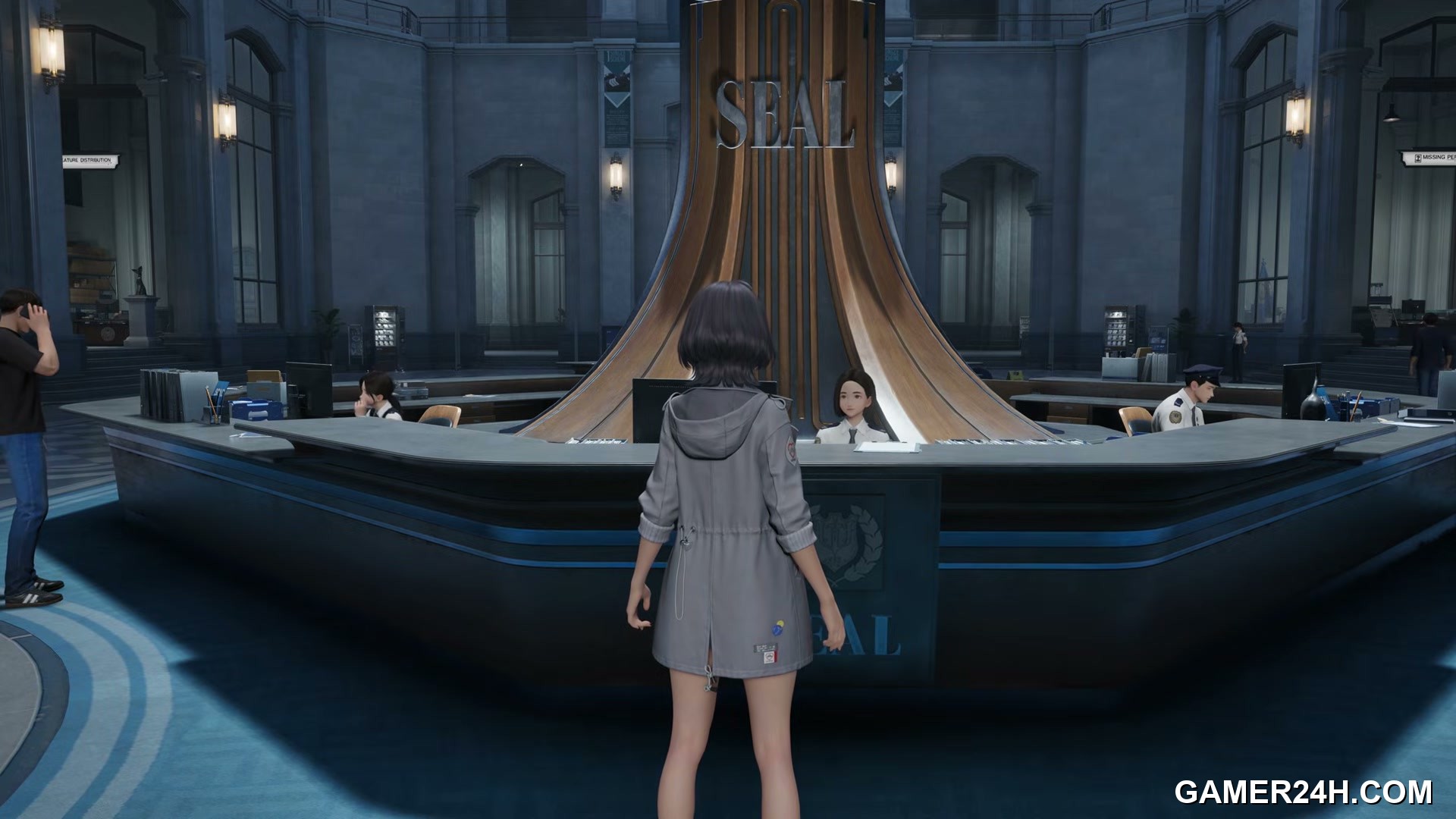
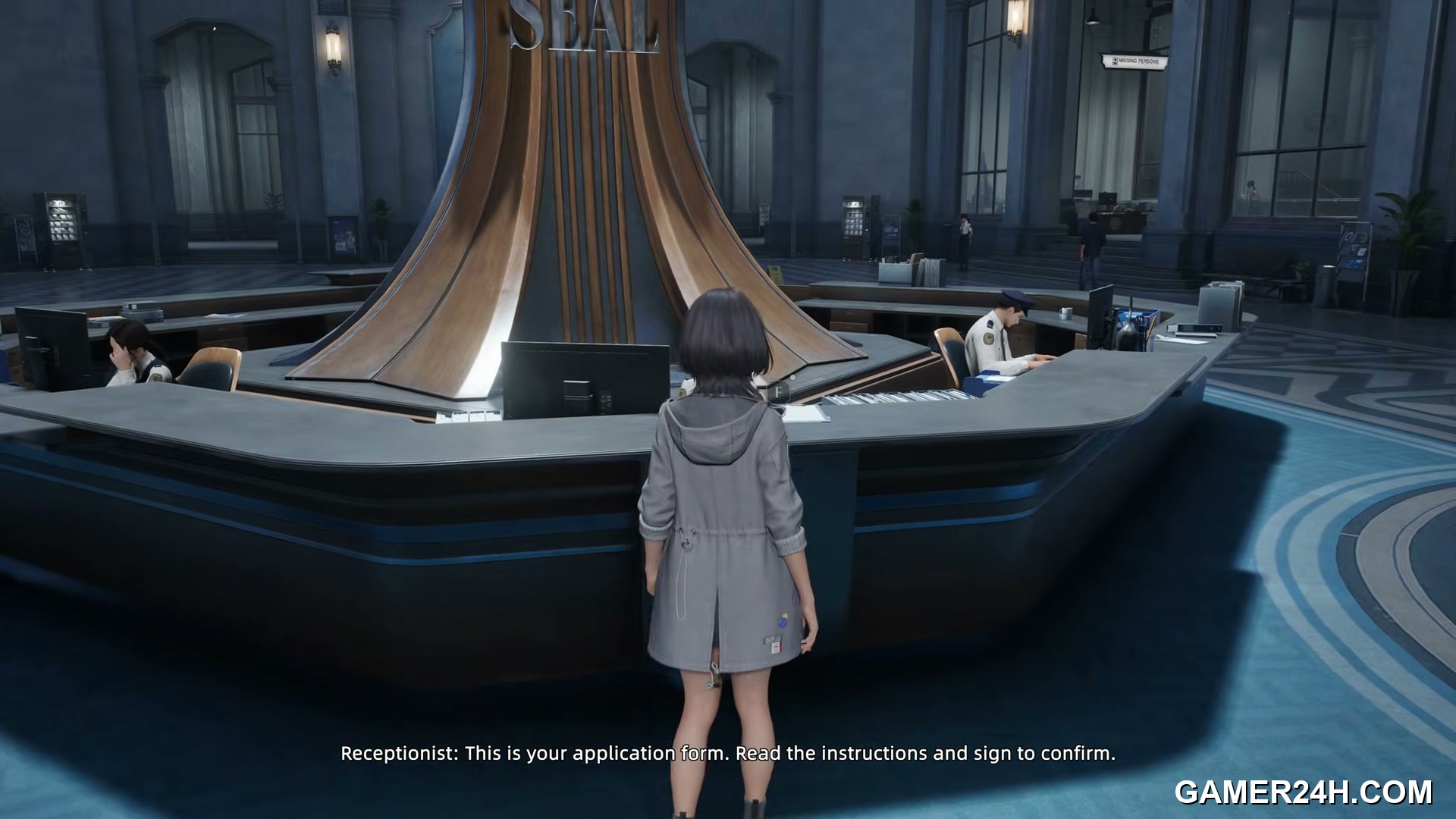
"Varsapura" is not just another title; it's an architectural marvel brought to life using Unreal Engine 5. This choice has enabled miHoYo to deliver visuals that are breathtakingly realistic and exquisitely detailed, setting new standards in gaming aesthetics. The game's use of Nanite technology ensures that every corner of Varsapura, from the claustrophobic alleyways to expansive rooftops, is rendered with unmatched fidelity. Furthermore, the integration of Lumen lighting allows for dynamic shadows and reflections, enhancing immersion as players navigate through environments that react in real-time to their actions.
The narrative's core themes are mirrored in its visual design: a juxtaposition of beauty and corruption, where every pixel tells a story. From the lush gardens hiding dark secrets to the sterile, cold interiors of corporate offices, each setting has been meticulously crafted to reflect the duality at play within the game’s universe.
Combat & Systems: Tactical Espionage and Combat Dynamics
"Varsapura" challenges players with a unique blend of stealth and tactical combat. The gameplay revolves around mastering Lucia's abilities, which range from silent takedowns to precise projectile attacks using her specialized equipment. Each mission presents opportunities for multiple approaches, rewarding strategic thinking over brute force.
One of the standout features is the 'Echolocation' system, a mechanic that allows players to detect nearby threats and plan their movements accordingly. This feature not only aids in stealth but also enhances combat by providing valuable information about enemy positions and movement patterns. Another crucial aspect is the use of environmental elements such as vents for infiltration or traps like tripwires to set up ambushes.
The game's difficulty curve is steep, encouraging players to adapt their strategies continually. Each failed attempt serves as a learning experience, pushing them towards mastery rather than frustration.
Gameplay & Atmosphere Analysis: Portals and Tension

In "Varsapura," the gameplay mechanics are deeply intertwined with its atmospheric design. Central to this is the concept of portals—hyperspace gateways that Lucia uses to bypass security systems and infiltrate high-risk areas undetected. These portals serve dual purposes: they are both a gameplay mechanic for traversal and an integral part of the narrative, representing technological advancements that blur the lines between virtuality and reality.
The tension in "Varsapura" is palpable from the start, with every decision carrying potential consequences. The game's pacing is deliberate, drawing players into its world through carefully crafted moments of revelation and suspense. Sound design plays a crucial role here, where even the slightest noise can signal impending danger or opportunity.
Environmental storytelling complements this atmosphere by providing context for Lucia’s mission. Abandoned offices filled with personal items hint at past betrayals; flickering neon lights in dimly lit corridors suggest systems on the brink of collapse. These details immerse players further into Varsapura's universe, making each step feel like an exploration into a living, breathing world.
Narrative & Characters: The Architects' Mystery and Lucia's Mission

The narrative of "Varsapura" is as intricate as it is compelling. Players unravel the story through Lucia’s eyes, learning about her mission to uncover the truth behind Varsapura—a city built by the enigmatic Architects who have disappeared under mysterious circumstances. As Lucia delves deeper into this mystery, she uncovers layers of deception and corruption that challenge her own beliefs.
Lucia's character is multidimensional, evolving as players progress through various missions. Her interactions with other characters reveal a complex web of relationships, each contributing to the overarching narrative. Supporting characters such as Dr. Elara and Mr. Misk are equally richly developed, adding depth and nuance to the story.
The Architects' legacy looms large over Varsapura's future, creating an atmosphere of uncertainty and intrigue. Their disappearance leaves behind a city teetering on the brink of chaos, making Lucia’s quest all the more urgent. Through her journey, players will question morality, trust, and the nature of truth itself.
Acoustic Preservation / Audio Design: Sounds of Silence and Combat
The audio design in "Varsapura" is a masterclass in creating atmosphere through sound. From the eerie silence that fills vacant rooms to the mechanical hums of security systems, every auditory element contributes to building tension and immersion.
Combat encounters are particularly notable for their dynamic soundscape. The crisp sound effects of Lucia's weapons contrast sharply with the sudden silence after eliminating a target, heightening awareness and anticipation. Footsteps on different surfaces offer clues about approaching enemies, while ambient noises like wind blowing through vents or distant conversations provide context and depth.
Environmental audio cues are also integral to gameplay mechanics such as echolocation. The subtle changes in sound when Lucia approaches a portal set the stage for strategic decision-making. This interplay between sound and action enhances player engagement by providing real-time feedback on their surroundings, crucial for navigating Varsapura's complex environments.
Critical Reception: Expectations and First Impressions
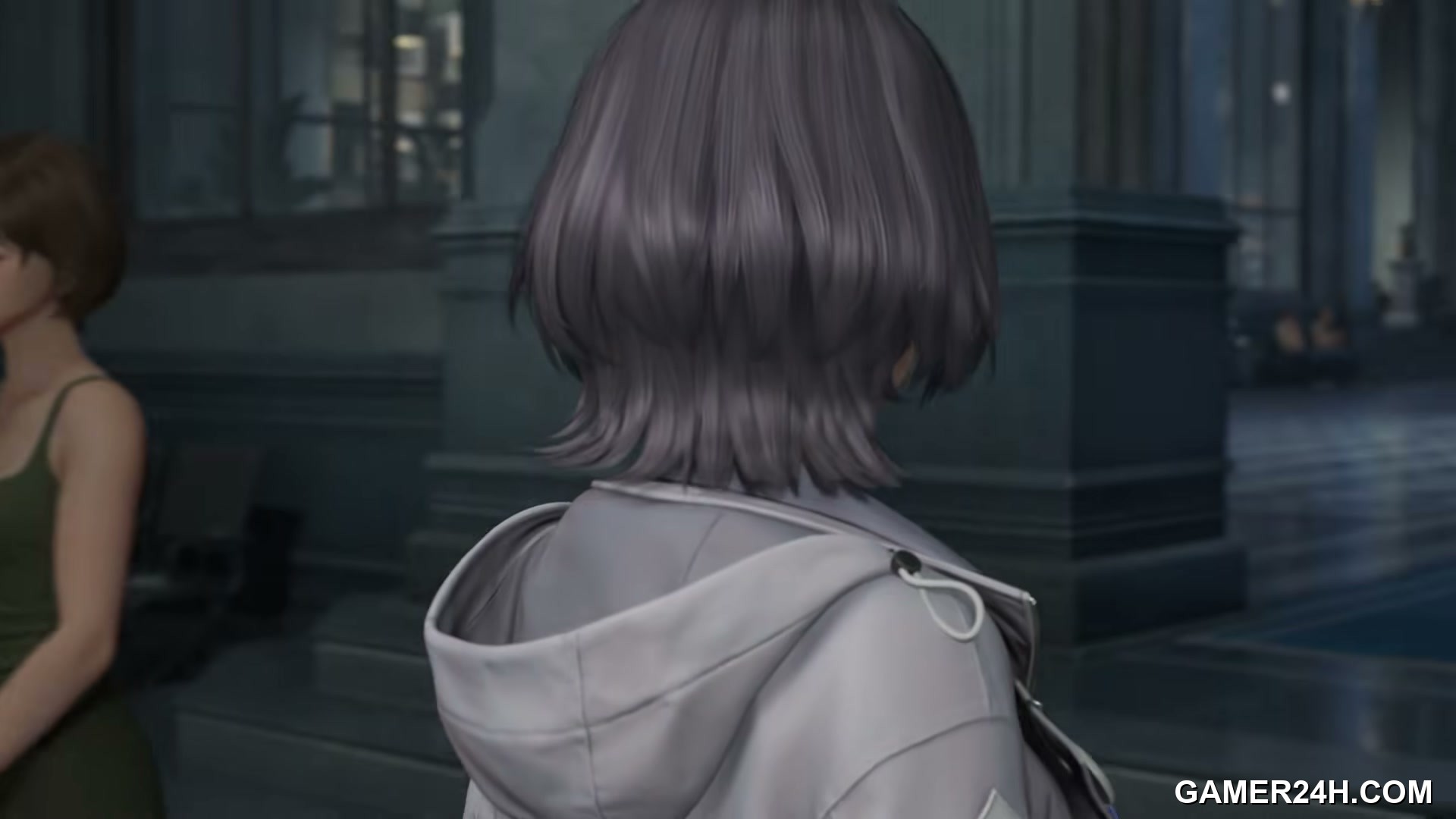
As "Varsapura" approaches its release date, anticipation among gaming enthusiasts is palpable. Early reviews suggest that the game has already made a significant impact on critics and players alike, praising its innovative gameplay mechanics and atmospheric depth.
The seamless integration of Unreal Engine 5 technology has garnered particular acclaim for its visual fidelity, with many noting the striking contrast between beauty and decay within Varsapura's architecture. The narrative's complexity and character development have also been highlighted as key strengths, drawing comparisons to classic espionage thrillers while offering a fresh perspective on the genre.
However, some early reviews caution that the game’s steep learning curve may pose challenges for newcomers to stealth gameplay or those unfamiliar with miHoYo’s previous works. Despite this potential barrier, there is widespread agreement that "Varsapura" sets new benchmarks in terms of both technical execution and narrative depth.
Conclusion: The Vanguard of Next-Gen Action
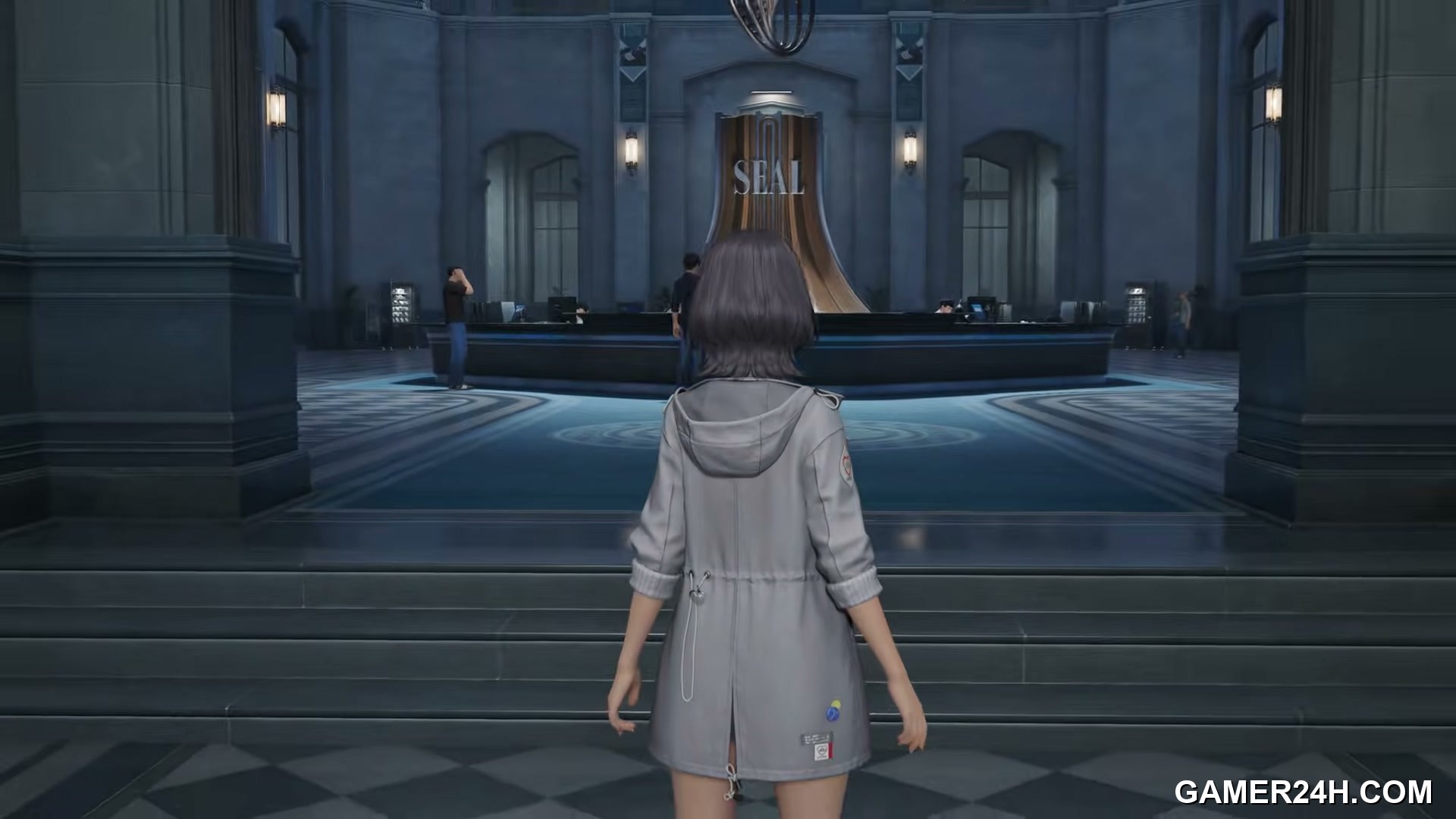
"Varsapura" stands as a testament to miHoYo's visionary approach towards game development. By blending cutting-edge technology with compelling storytelling, the studio has crafted an experience that challenges players mentally while satisfying visually. Its innovative use of portals and emphasis on strategic stealth combat sets it apart from other titles in the genre.
As gaming continues its rapid evolution into new territories, "Varsapura" emerges not just as a standout title but also as a harbinger of what's to come. It invites players into a world where every pixel tells a story and every sound carries weight, promising an adventure that is both thrilling and thought-provoking.