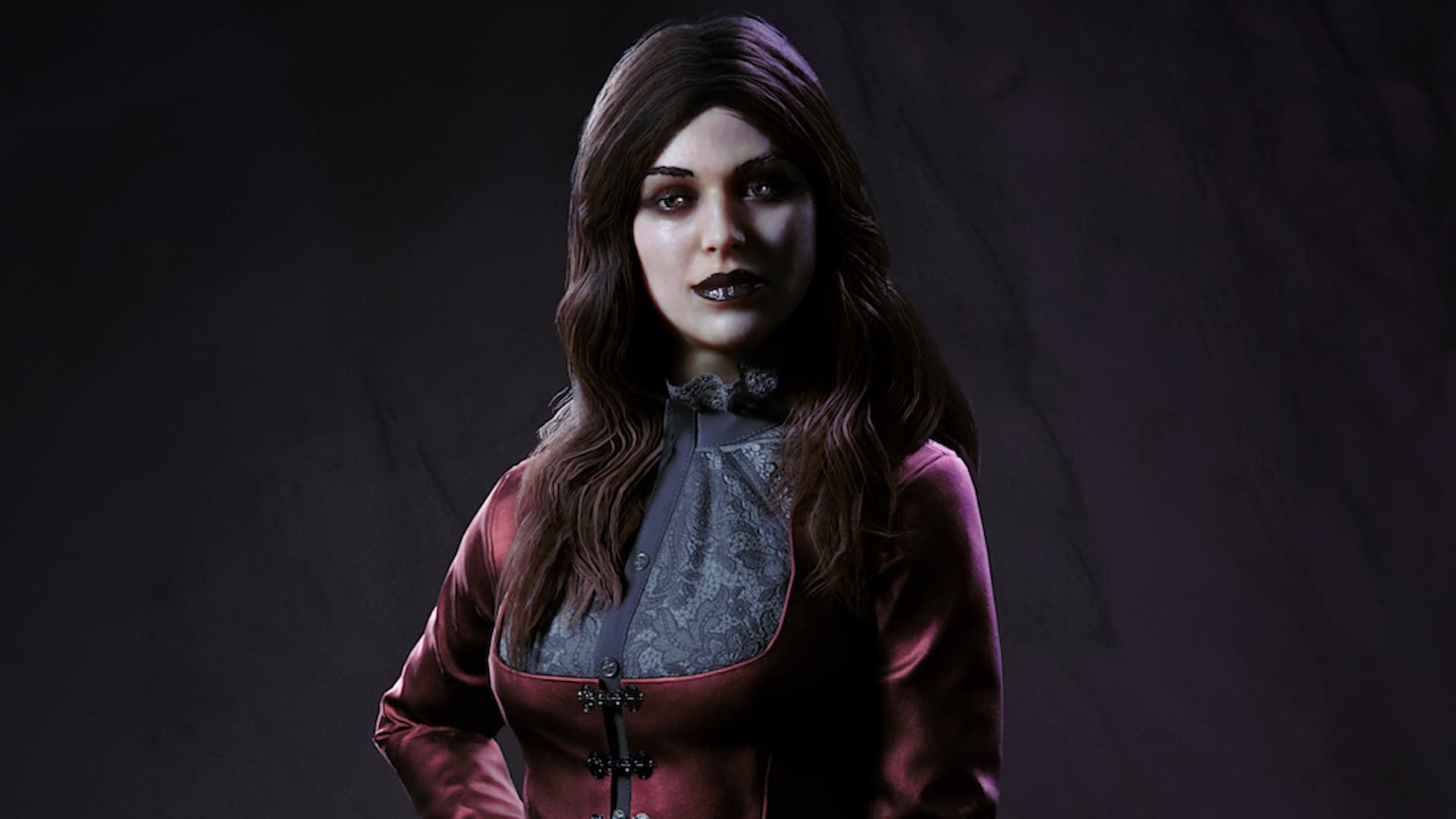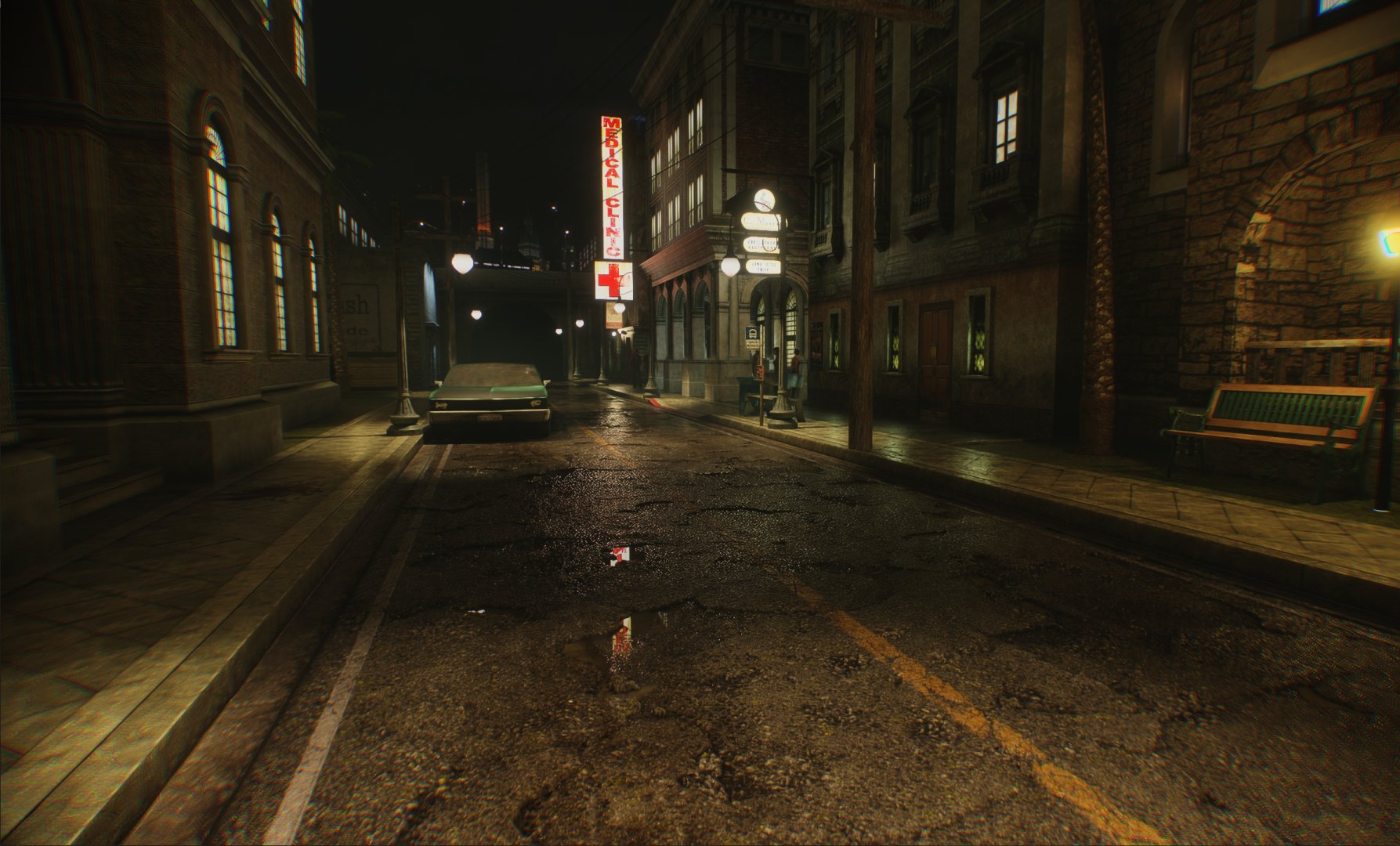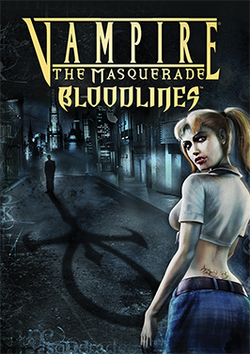
Introduction: The Next Chapter for Vampire: The Masquerade – Bloodlines

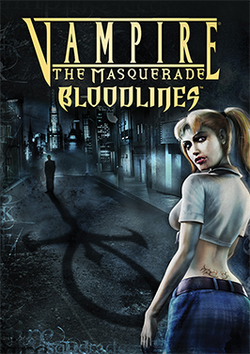
Vampire: The Masquerade – Bloodlines, a title that resonates with both reverence and frustration within the gaming community, represents a fascinating case study in ambition, technical challenges, and enduring legacy. Developed by Troika Games and published by Activision in 2004, this action role-playing game attempted to translate the rich lore of White Wolf’s tabletop RPG into an interactive experience. While plagued by numerous bugs and rushed development, Bloodlines offered a unique blend of first-person perspective, intricate character customization, and a compelling narrative that continues to captivate players two decades later. This deep dive will explore the game’s strengths, weaknesses, and its lasting impact on the gaming landscape.
Visual Direction and Graphics Engineering
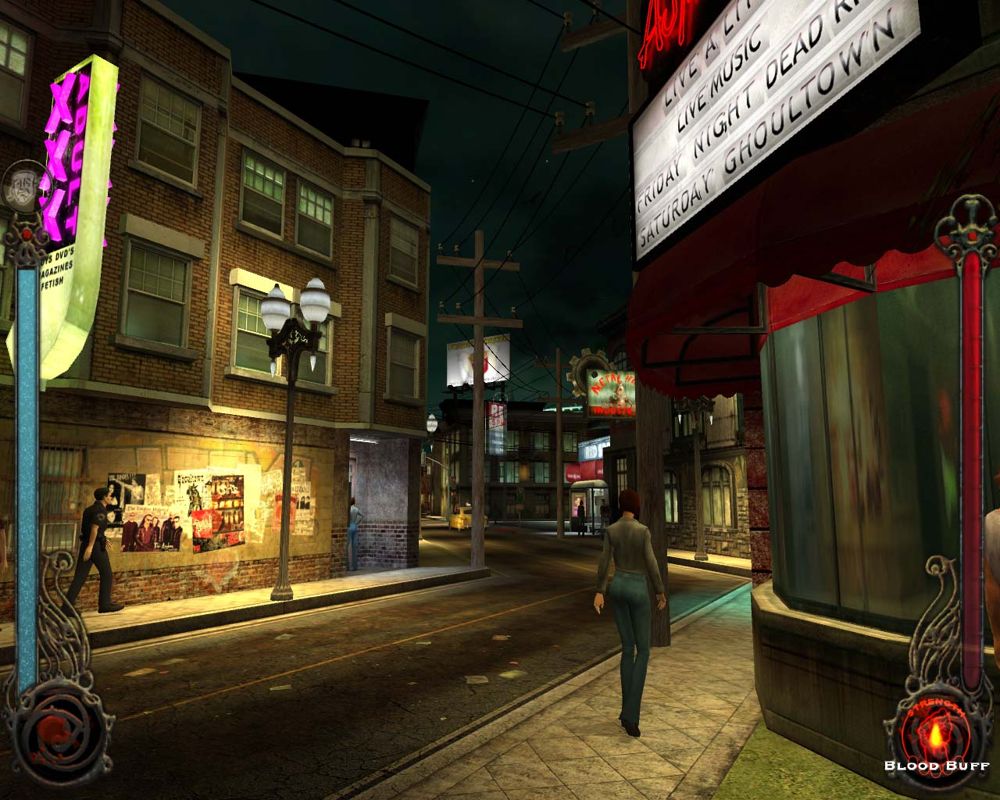
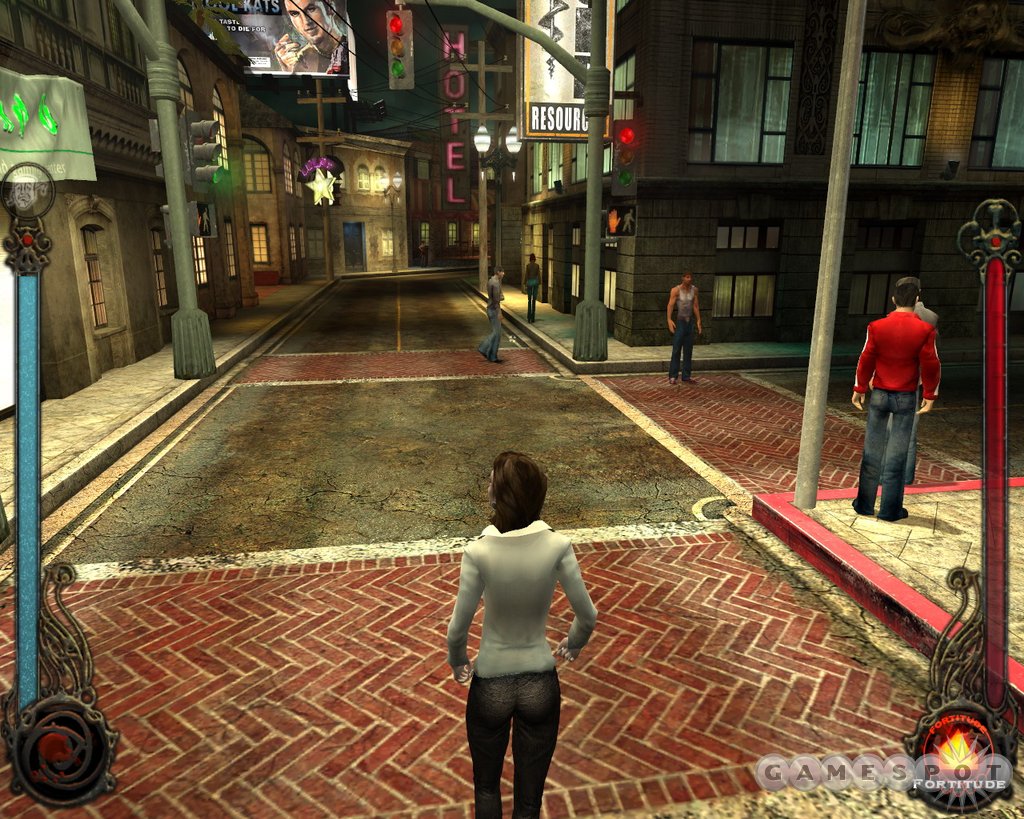
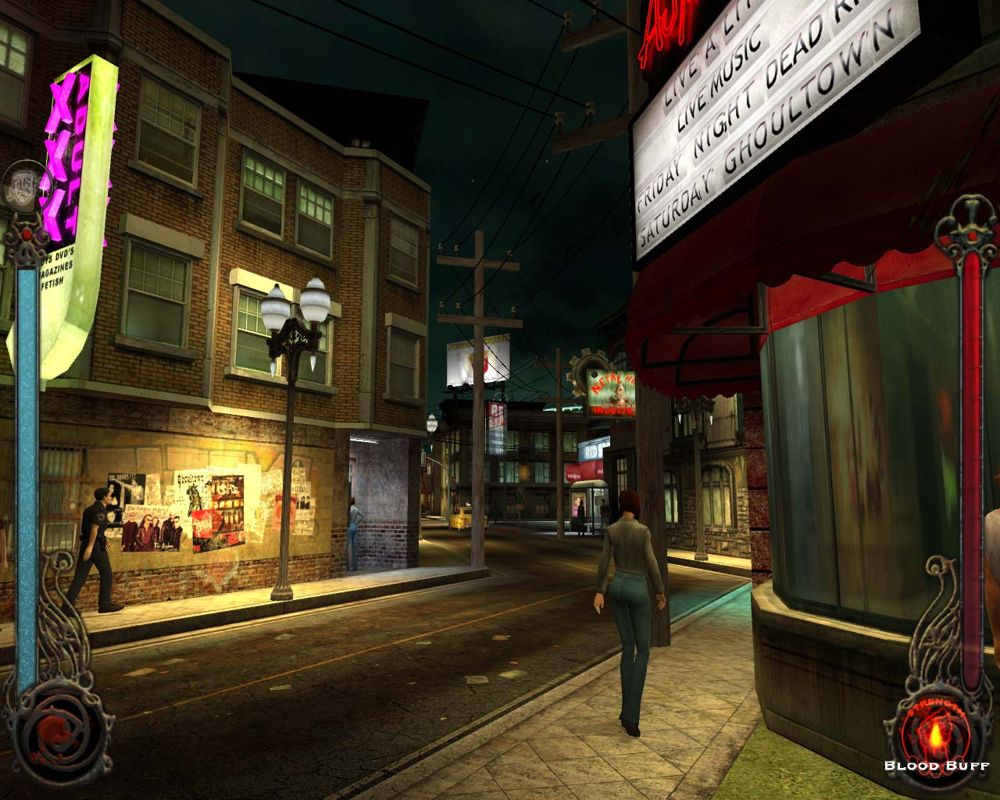
Bloodlines utilized an early version of the Source engine, famously known for games like Half-Life 2. While this provided a solid foundation, the team at Troika Games faced significant limitations in terms of graphical fidelity compared to later iterations of the engine. The visual style aimed for a gritty realism, reflecting the dark and dangerous world of Los Angeles’s vampire underworld. Character models, while serviceable, suffered from noticeable clipping issues and animation quirks. However, the game’s art direction, particularly in its environmental design, managed to create an atmosphere of palpable tension and decay. The use of lighting and shadow played a crucial role in establishing the mood, highlighting the constant threat lurking just beyond the player’s perception. The engine’s limitations are evident, but the artistic vision shines through, creating a world that feels both familiar and unsettling.
Gameplay Mechanics and Core Systems
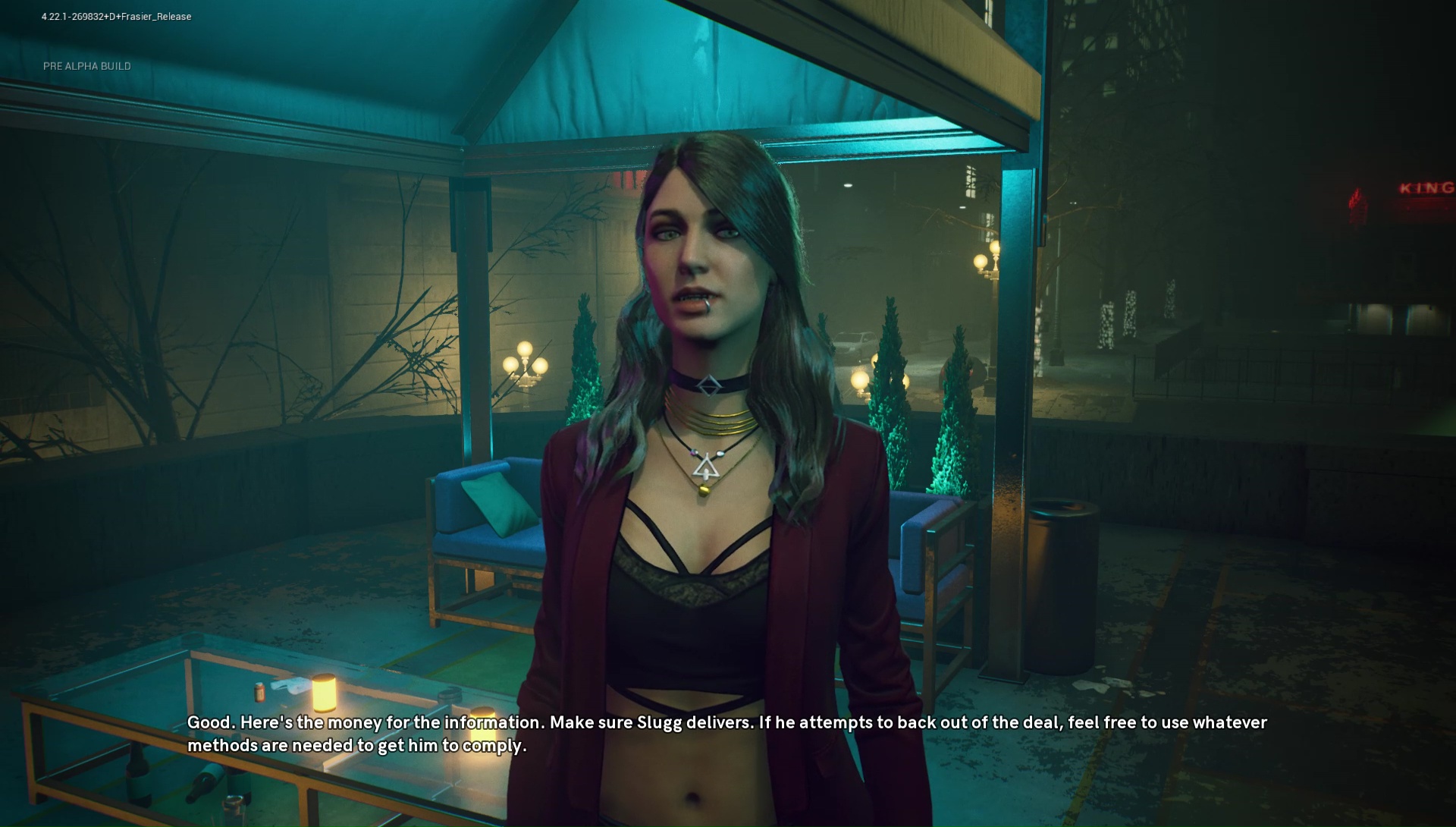
The gameplay of Bloodlines is centered around character progression and choice-driven narratives. Players begin as newly embraced vampires, choosing from seven distinct clans, each offering unique disciplines (powers) and playstyles. The game features a robust dialogue system where player choices significantly impact the story’s direction and relationships with other characters. Combat is a blend of melee attacks, gunplay, and the utilization of vampire abilities. The “Masquerade” mechanic, requiring players to maintain their anonymity as vampires within human society, adds another layer of complexity and strategic decision-making. While innovative for its time, the gameplay loop can feel somewhat repetitive due to limitations in enemy variety and combat animations.
Level Design and World Atmosphere
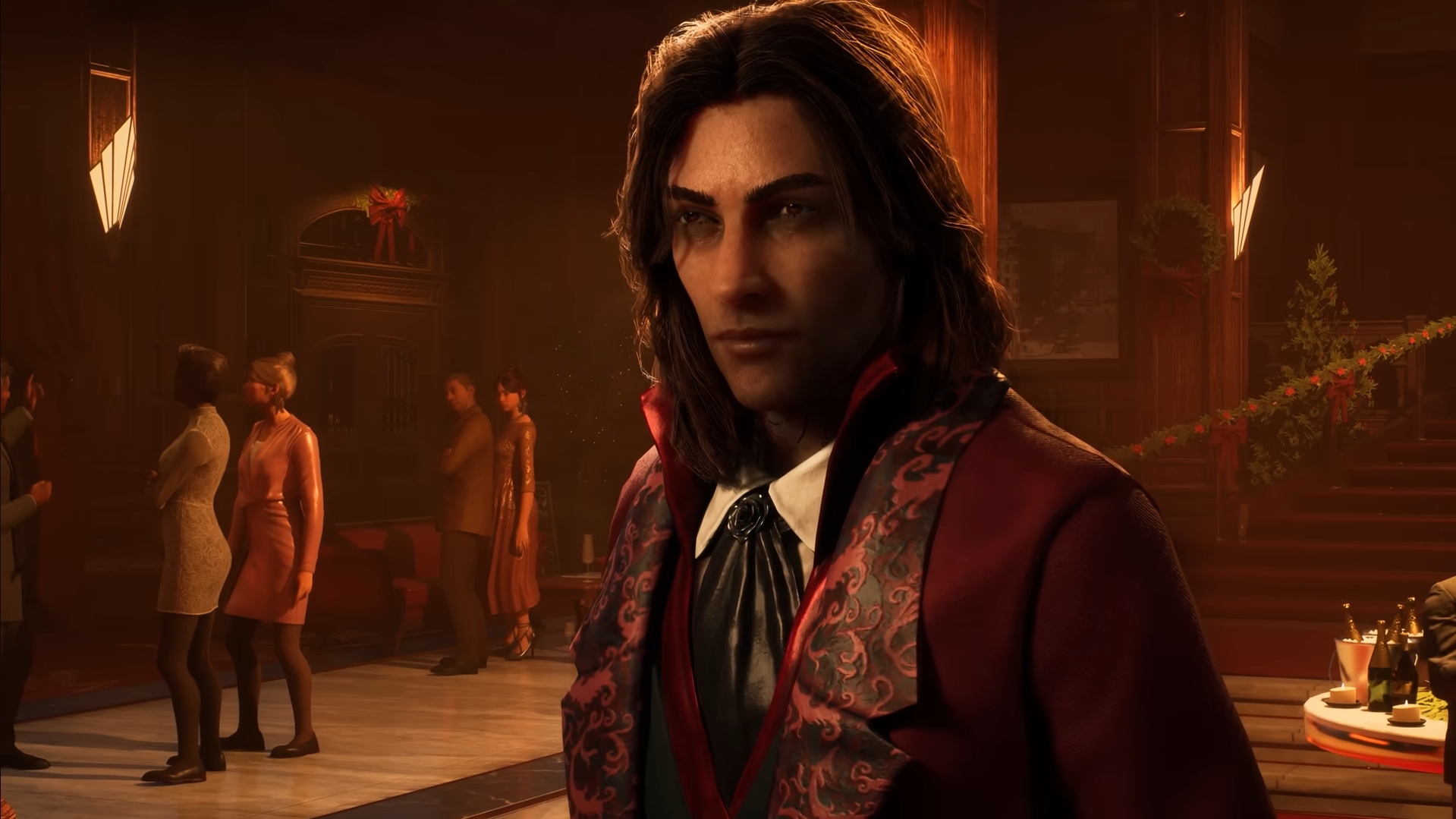
The game’s level design is a mix of linear corridors and more open environments, allowing for exploration and discovery. The various districts of Los Angeles, from Santa Monica to Hollywood, are meticulously crafted to reflect the city’s diverse culture and hidden secrets. Each location offers unique encounters, side quests, and opportunities to interact with the game’s complex web of characters. While some areas feel cramped or repetitive, the overall sense of place is remarkably strong. The atmosphere is a key element, enhanced by the haunting soundtrack and detailed environmental storytelling.
Narrative Depth and Character Profiles
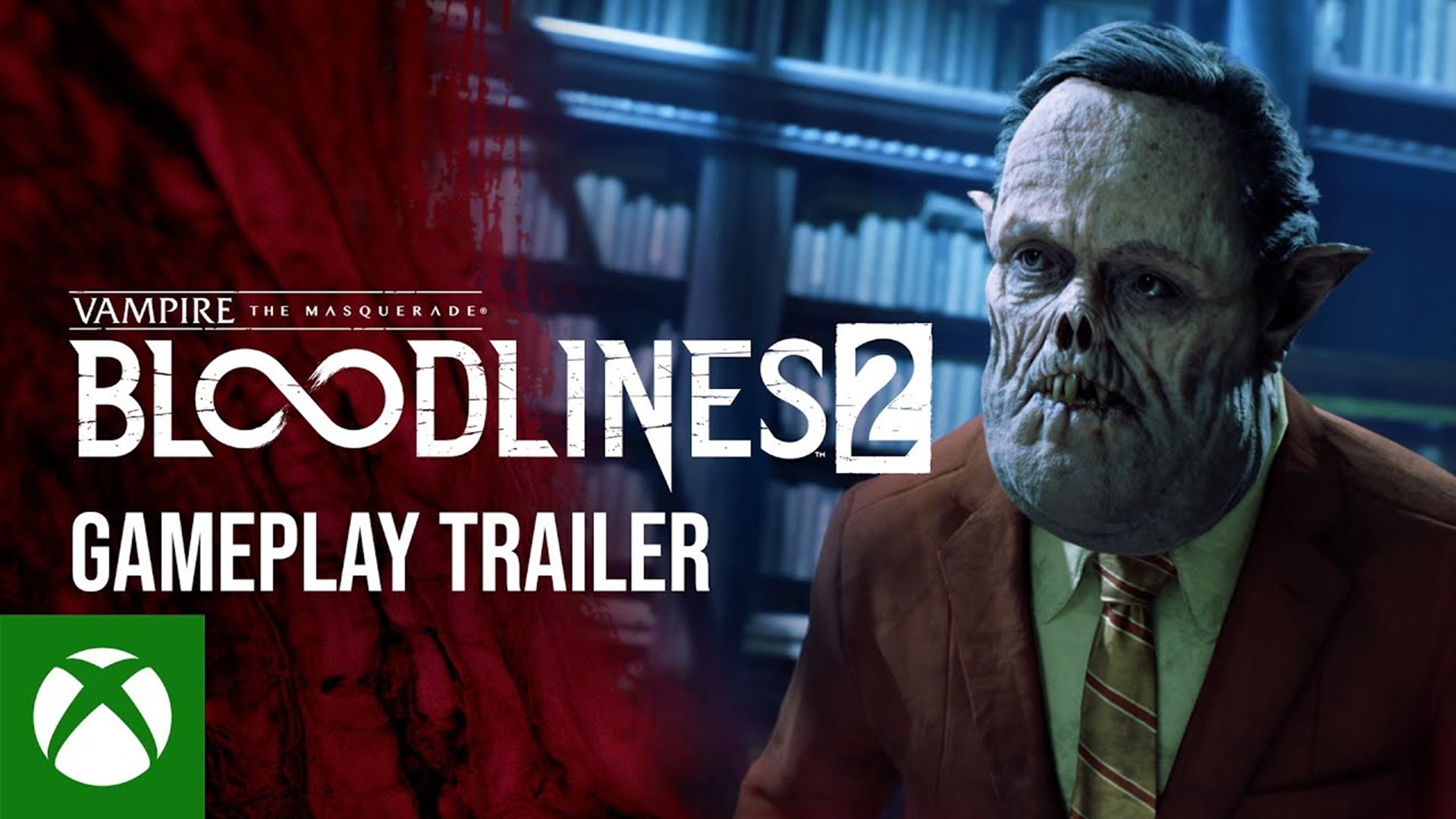
Bloodlines boasts a compelling narrative that delves into themes of power, morality, and identity. The story follows the player’s journey to uncover a conspiracy that threatens the vampire community while navigating the treacherous politics of Los Angeles’s underworld. The game features a memorable cast of characters, each with their own motivations and secrets. From the enigmatic Nosferatu hacker to the ambitious Ventrue elder, every character feels fully realized and contributes to the richness of the world. The player’s choices directly impact the story’s outcome, leading to multiple endings and encouraging replayability.
Sound Design and Acoustic Realism

The sound design in Bloodlines is a crucial element that enhances the game’s atmosphere. The haunting soundtrack, composed by Rik Schaffer, perfectly complements the dark and brooding tone of the game. Environmental sounds, such as the creaking of floorboards or the distant wail of sirens, create a sense of unease and immersion. Voice acting is generally well-done, with each character delivering their lines with conviction. The sound design effectively contributes to the overall feeling of being immersed in a dangerous and unpredictable world.
Release Expectations and Community Hype

Upon its release, Vampire: The Masquerade – Bloodlines was met with both critical acclaim and disappointment. Critics praised its innovative gameplay mechanics, compelling narrative, and atmospheric world. However, the game was also plagued by numerous bugs that significantly impacted the player experience. Despite these issues, a dedicated community rallied around the game, creating patches and mods to fix the bugs and improve the overall quality of life. This passionate fanbase has kept the game alive for two decades, ensuring its continued relevance in the gaming landscape. [[INJECT_VIDEO]]
Conclusion: The Future of Vampire: The Masquerade – Bloodlines
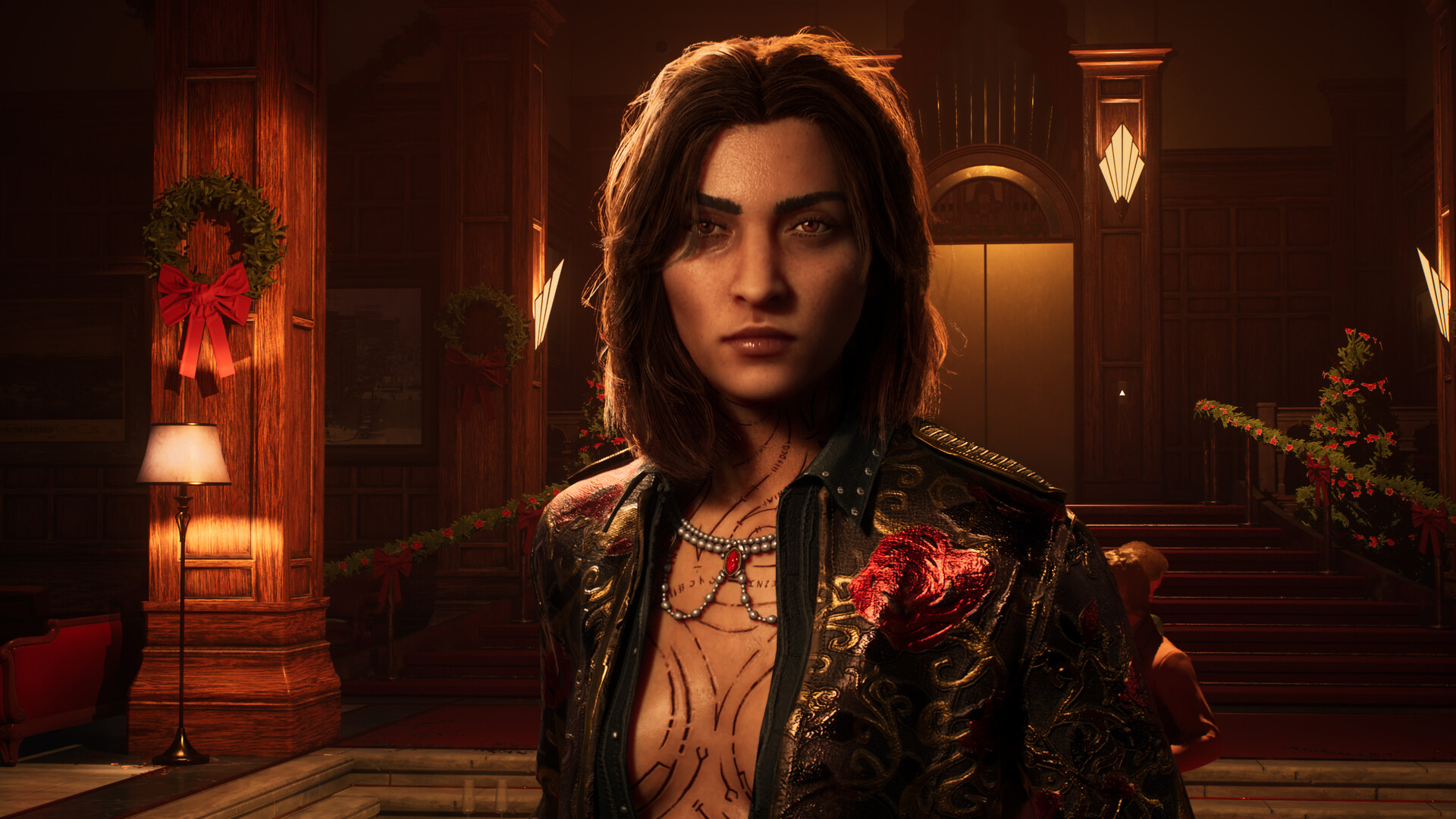
Vampire: The Masquerade – Bloodlines remains a cult classic, revered for its ambition and unique blend of gameplay elements. While hampered by technical limitations and a rushed development cycle, the game’s strengths lie in its compelling narrative, atmospheric world, and innovative character customization. The dedicated community that has supported the game for two decades is a testament to its enduring appeal. Whether through official re-releases or continued fan efforts, Vampire: The Masquerade – Bloodlines will continue to captivate players for years to come.
Source: Wikipedia