


About this game
Introduction: Stealth Espionage Reimagined
In an era where action RPGs are increasingly saturated with high-fantasy themes and sci-fi universes, “Untitled Avatar: The Last Airbender role-playing game” emerges as a refreshing anomaly. Developed by the powerhouse collaboration of Saber Interactive and Paramount Game Studios, this title ventures into uncharted territory within the beloved world of Avatar. Focusing on stealth and espionage rather than the typical elemental combat that characterizes the series, “Untitled” offers players an immersive narrative experience where every shadow counts and every whisper tells a story.
The game is set in the sprawling, intricate universe of Avatar: The Last Airbender, but shifts the spotlight from Aang’s quest to save the world from Fire Nation tyranny. Instead, it dives into the lesser-known corners of the series, introducing players to the covert operations that shape the political landscape behind the scenes. As a member of the mysterious organization known as “The Architects,” players will assume the role of Lucia, an operative tasked with navigating treacherous alliances and uncovering deep-seated secrets.
Visual Splendor: Pushing the Limits of Unreal Engine 5
“Untitled Avatar: The Last Airbender role-playing game” is a testament to the artistic capabilities of Unreal Engine 5. Saber Interactive has leveraged this cutting-edge technology to create a visually stunning world that breathes life into the beloved series while expanding its horizons. From the dark, misty corridors of Republic City’s underground to the neon-lit streets and towering skyscrapers, every environment is meticulously crafted to capture both the nostalgic essence of Avatar and the innovative spirit of modern game design.
The use of Lumen lighting technology allows for dynamic shadows that shift in real-time as players navigate through environments. This not only enhances the realism but also adds a layer of strategic depth to stealth missions, where light manipulation becomes a critical factor in avoiding detection. The Nanite system ensures unparalleled detail and scale, allowing developers to create vast, interactive worlds filled with intricate textures and realistic physics.
Furthermore, the game’s visual design incorporates a blend of traditional art styles from East Asia, reflecting the rich cultural heritage of Avatar, alongside modern aesthetics that complement its espionage theme. From the flowing kimonos and intricate tattoos worn by characters to the sleek gadgets and high-tech surveillance equipment used in operations, “Untitled” presents a harmonious fusion of old-world charm and futuristic flair.
Combat & Systems: Tactical Espionage and Combat Dynamics
The core gameplay mechanics of “Untitled Avatar: The Last Airbender role-playing game” revolve around tactical espionage. Players are equipped with an array of tools designed for covert operations, from lockpicks and disguises to hacking devices and silent takedowns. These elements create a dynamic system where success often hinges on the player’s ability to adapt their approach based on real-time environmental factors.
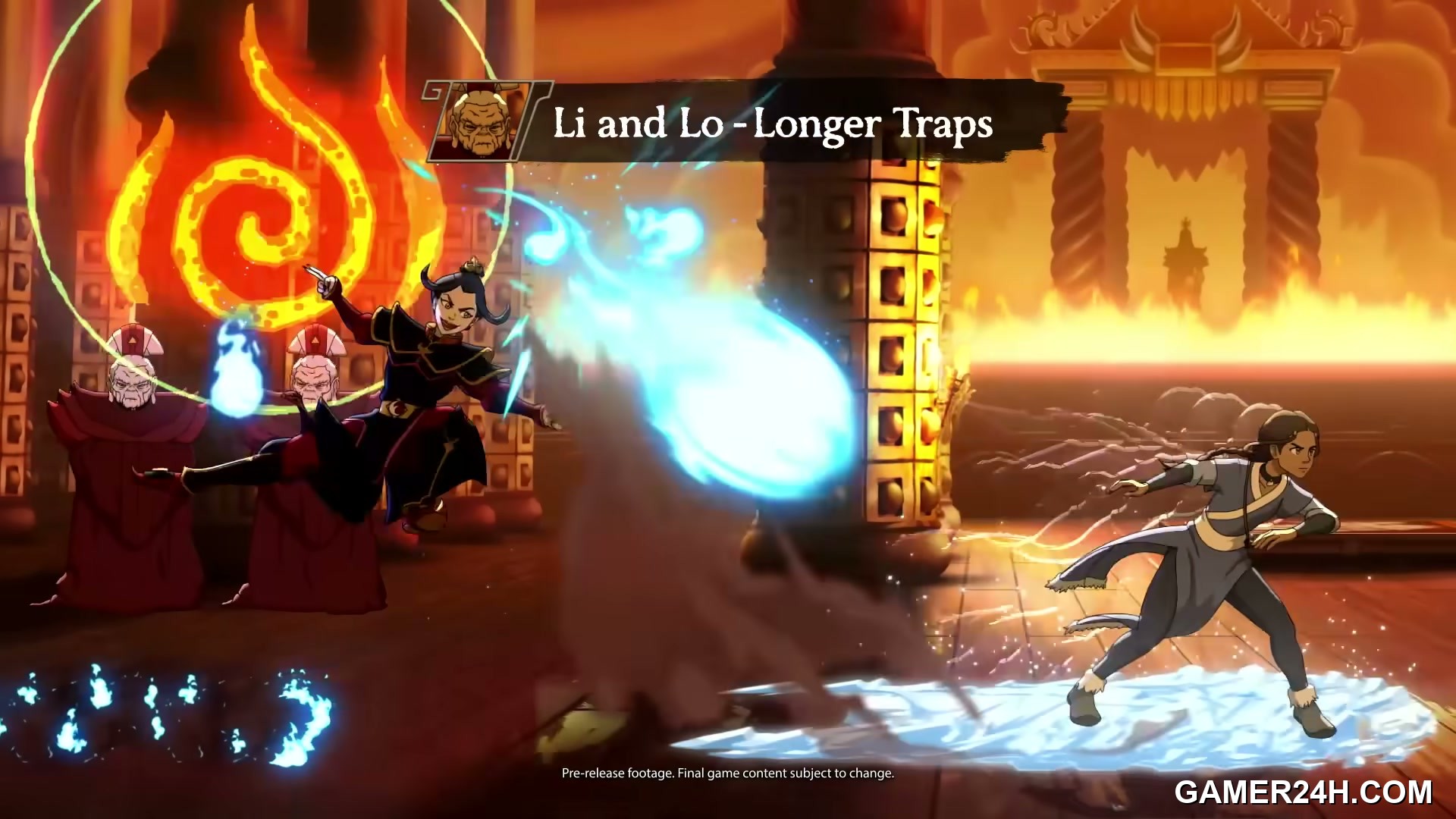
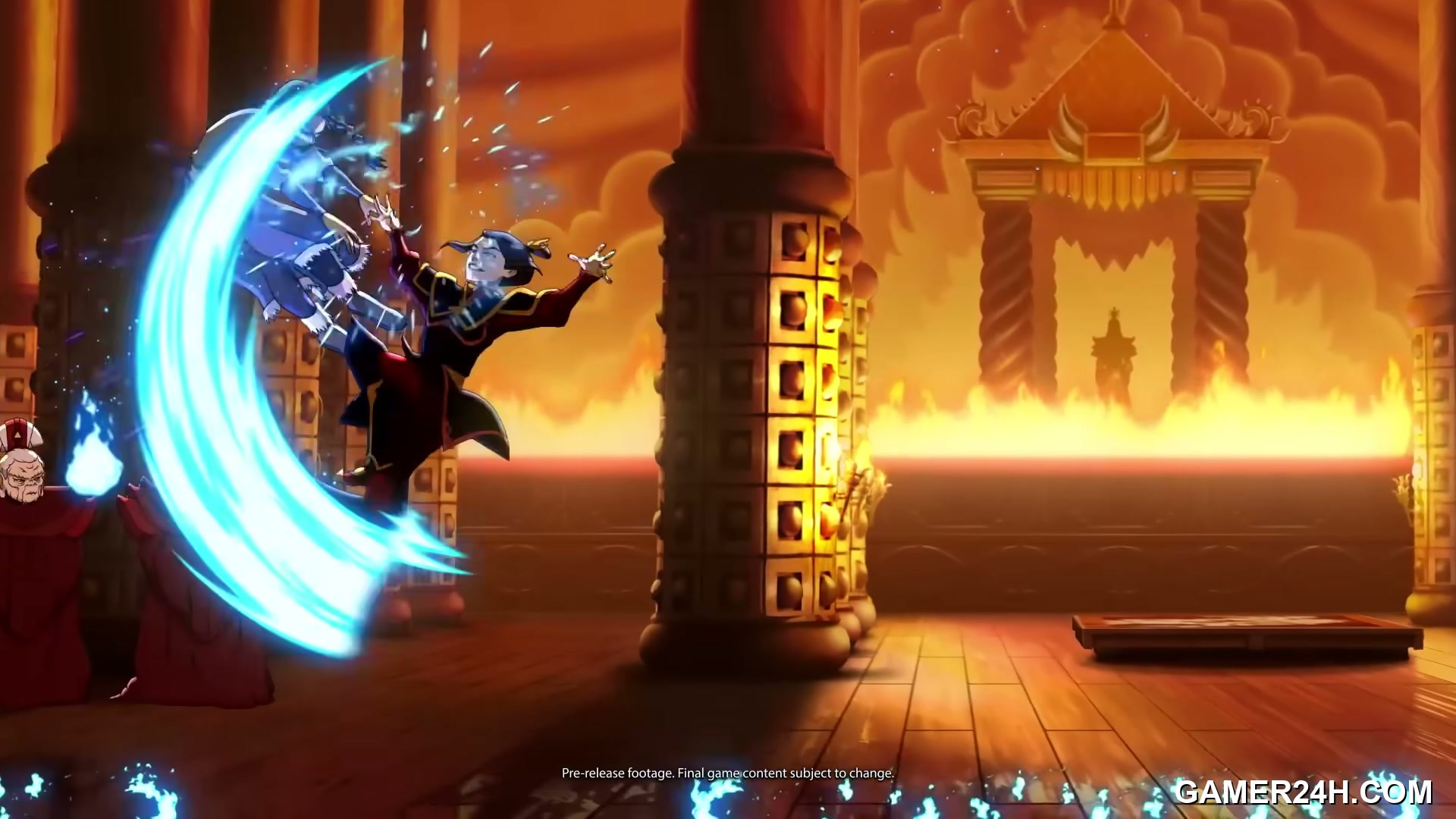
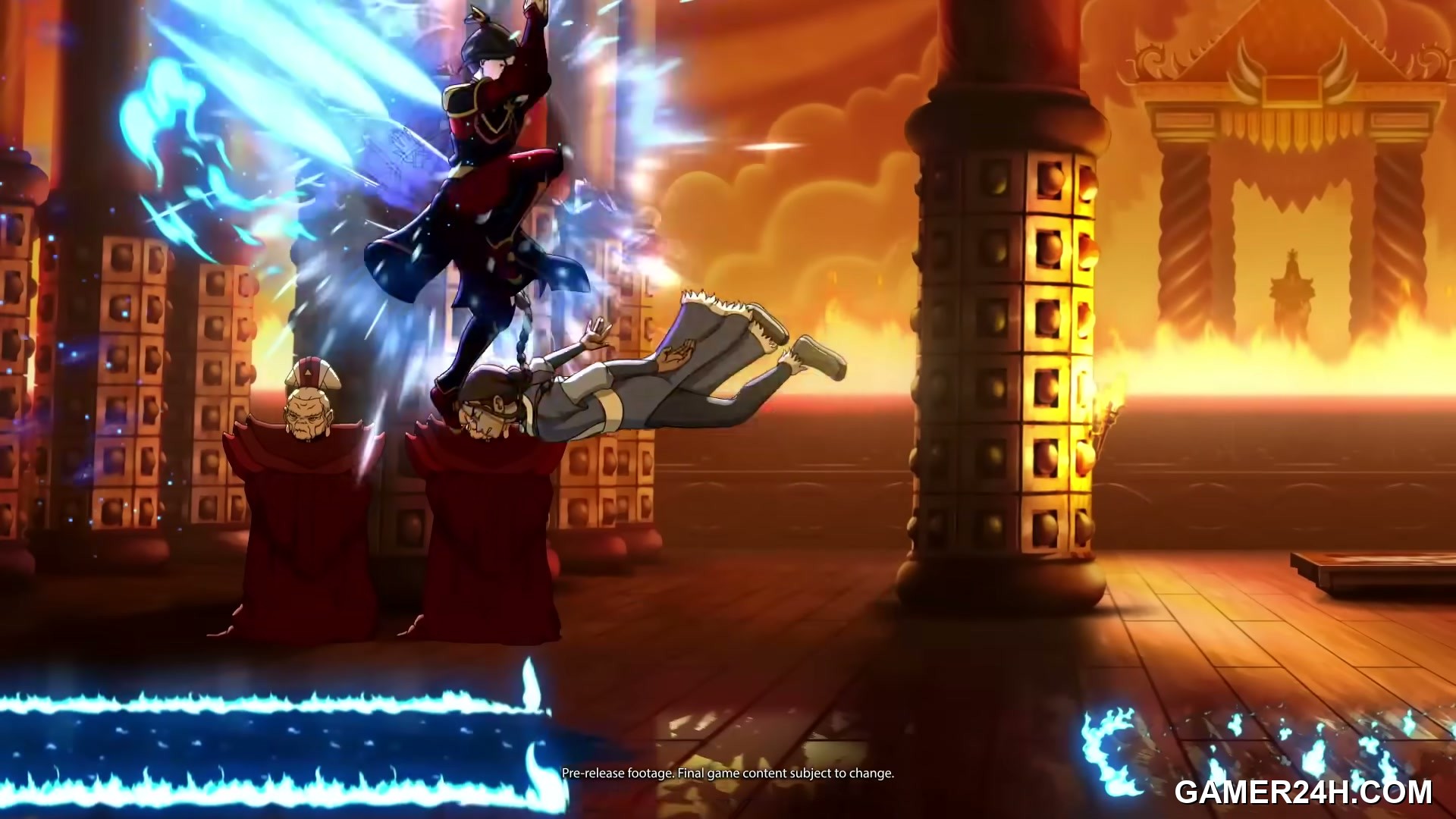
Combat in “Untitled” is not as straightforward as one might expect from an action RPG set within the Avatar universe. Instead of relying solely on elemental prowess, combat mechanics incorporate a blend of stealth and physical engagement. Players can incapacitate enemies with non-lethal methods such as tranquilizers or knockout gas, making it possible to navigate through high-risk situations without escalating violence.
The game also introduces a unique system called “Chakra Points,” which allows players to perform special moves like dodging attacks, executing silent takedowns, and deploying traps. Chakra is a renewable resource that regenerates over time or can be replenished by performing non-combat tasks such as hacking or scavenging for supplies. This mechanic encourages strategic thinking and rewards cautious playstyles.
In addition to these core mechanics, “Untitled” features an innovative mission structure where players must often balance conflicting objectives. For example, a mission might require stealing sensitive information while also ensuring the safety of innocent civilians caught in crossfire. These complex scenarios force players to make difficult decisions that can significantly impact the narrative and character relationships.
Gameplay & Atmosphere Analysis: Portals and Tension
The gameplay experience in “Untitled Avatar: The Last Airbender role-playing game” is underscored by a meticulously crafted atmosphere of tension and intrigue. This is achieved through various environmental design elements, particularly the strategic use of portals that connect different parts of the world.
Portals serve as both narrative devices and gameplay mechanics, allowing players to instantly travel between locations or switch from one mission objective to another without breaking immersion. However, these portals also introduce an element of risk, as they are often guarded by hostile entities or hidden in plain sight amidst high-security zones. Navigating through a complex web of interconnected locations demands constant vigilance and quick thinking.
The atmosphere is further enhanced by the game’s use of dynamic weather systems and time-based events that affect gameplay conditions. For instance, a mission might require sneaking past guards during heavy rain when visibility is low or utilizing the cover of night to infiltrate heavily fortified areas undetected. These environmental factors create a sense of urgency and challenge that keeps players on their toes.
Moreover, “Untitled” incorporates a robust dialogue system where choices have significant consequences. Conversations with NPCs can lead to opportunities for information gathering, sabotage, or forming alliances—each option comes with its own set of risks and rewards. This level of interactivity ensures that every player’s journey is unique, as decisions made early in the game can shape later events and alter character development.
Narrative & Characters: The Architects’ Mystery and Lucia’s Mission
The narrative arc of “Untitled Avatar: The Last Airbender role-playing game” revolves around the enigmatic organization known as “The Architects.” This shadowy group operates behind the scenes, manipulating political power structures to achieve their unknown ends. Players take on the role of Lucia, a newly recruited member tasked with infiltrating key positions within Republic City’s elite circles.
Lucia’s journey is marked by moral dilemmas and personal growth. As she delves deeper into The Architects’ operations, she uncovers disturbing truths about the organization’s methods and goals. This revelation forces her to question her loyalty and confront ethical boundaries. Throughout this journey, Lucia interacts with a diverse cast of characters, each with their own motivations and secrets.
Notable among these is Lin Beifong, Republic City’s Chief of Police, who initially views Lucia as an obstacle but gradually forms a complex relationship based on mutual respect and shared goals. Meanwhile, Tarrlok’s dual nature—part of The Architects yet harboring doubts about its true intentions—creates tension and opportunities for subterfuge.
The narrative is richly layered with political intrigue, personal betrayal, and philosophical debates about power and responsibility. Players must navigate this complex web of relationships while unraveling the mystery behind The Architects’ ultimate agenda. This deep immersion into character-driven storytelling sets “Untitled” apart from traditional action RPGs, offering a compelling blend of adventure and introspection.
Acoustic Preservation / Audio Design: Sounds of Silence and Combat
The audio design in “Untitled Avatar: The Last Airbender role-playing game” plays a crucial role in enhancing the immersive experience. Saber Interactive and Paramount Game Studios have meticulously crafted an auditory landscape that complements the game’s stealth mechanics and atmospheric tension.
Sound effects are intricately designed to respond dynamically to player actions and environmental conditions. For instance, footsteps echo differently on various surfaces, allowing players to gauge their surroundings based solely on sound. Stealth is further emphasized by ambient noises such as distant conversations or approaching guards, which can alert players to potential threats before they become visible.
Music in “Untitled” shifts subtly according to the emotional tone of scenes and player actions. During tense stealth missions, a somber piano melody underscores the gravity of each decision, while action sequences are punctuated with intense orchestral scores that elevate the adrenaline rush. These auditory cues effectively guide players through narrative moments and combat encounters.
The game also features an innovative audio system called “Acoustic Echo,” which simulates sound propagation in real-world environments. This technology allows players to use echoes for stealth purposes, such as detecting hidden enemies or creating distractions by tapping objects strategically. Such elements not only enhance gameplay but also deepen the player’s connection with the world through sensory immersion.
Overall, the auditory design in “Untitled” is a masterclass in blending traditional RPG soundscape techniques with innovative technology to create an unparalleled immersive experience that respects the rich cultural heritage of Avatar while pushing the boundaries of modern gaming.
Critical Reception: Expectations and First Impressions
As anticipation builds for “Untitled Avatar: The Last Airbender role-playing game,” early reviews from industry insiders and tech critics are cautiously optimistic. Preview sessions have highlighted both the game’s innovative mechanics and its potential to expand the narrative universe of Avatar beyond its traditional boundaries.
One of the most praised aspects is the seamless integration of stealth gameplay with the series’ core themes, particularly the focus on moral ambiguity and character development. Critics have noted that “Untitled” successfully captures the essence of covert operations within a world already rich in political intrigue, adding layers to established lore without contradicting it.
However, some initial concerns have been raised regarding the game’s departure from traditional Avatar combat systems. The shift towards stealth-based gameplay requires players to adapt their strategies significantly, which could be daunting for fans accustomed to more straightforward action sequences. Nevertheless, early feedback suggests that this change is well-executed and offers a fresh perspective on the franchise.
Another area of interest has been the visual fidelity provided by Unreal Engine 5. The use of cutting-edge technology not only enhances the aesthetic appeal but also integrates seamlessly with gameplay mechanics, providing a cohesive experience from a technical standpoint.
Overall, “Untitled Avatar: The Last Airbender role-playing game” appears poised to deliver on its promise of innovative storytelling and gameplay within an established yet expanded universe. With its blend of stealth and espionage elements set against the backdrop of beloved characters and locations, it offers both nostalgia and novelty for fans of the series.
Conclusion: The Vanguard of Next-Gen Action
“Untitled Avatar: The Last Airbender role-playing game” stands at the forefront of next-generation action RPG design. By seamlessly integrating stealth mechanics with the rich narrative depth of its source material, Saber Interactive and Paramount Game Studios have crafted an experience that is both a tribute to established lore and a bold new direction for the franchise.
Through its innovative use of Unreal Engine 5, meticulous attention to detail in visual and audio elements, and a deep focus on character-driven narratives, “Untitled” sets a new standard for immersive storytelling in video games. It invites players into a world where shadows whisper secrets and light reveals truths, challenging them to navigate the complexities of power and morality within an expansive universe.
As anticipation continues to grow, it is clear that “Untitled Avatar: The Last Airbender role-playing game” will not only entertain but also inspire reflection on what it means to be part of a community shaped by its own myths and legends.
.single-share-action-btn:hover { transform: translateY(-2px); box-shadow: 0 6px 20px rgba(37, 99, 235, 0.4) !important; background: linear-gradient(135deg, #0369a1 0%, #1d4ed8 50%, #4338ca 100%) !important; } .single-share-action-btn:active { transform: translateY(0); box-shadow: 0 2px 8px rgba(37, 99, 235, 0.2) !important; } .share-section, .entry-share, .post-share-bar { display: none !important; }Gallery




No comments