Introduction: The Next Chapter for UFC 2009 Undisputed
UFC 2009 Undisputed arrived on the scene as a pivotal moment for MMA gaming. Developed by Yuke’s and published by THQ, it represented a fresh start after a long hiatus in dedicated UFC titles. More than just a collection of fights, it aimed to capture the brutal realism and strategic depth that define mixed martial arts. This deep dive will dissect every facet of the game, from its technical underpinnings to its impact on the gaming landscape.
Visual Direction and Graphics Engineering
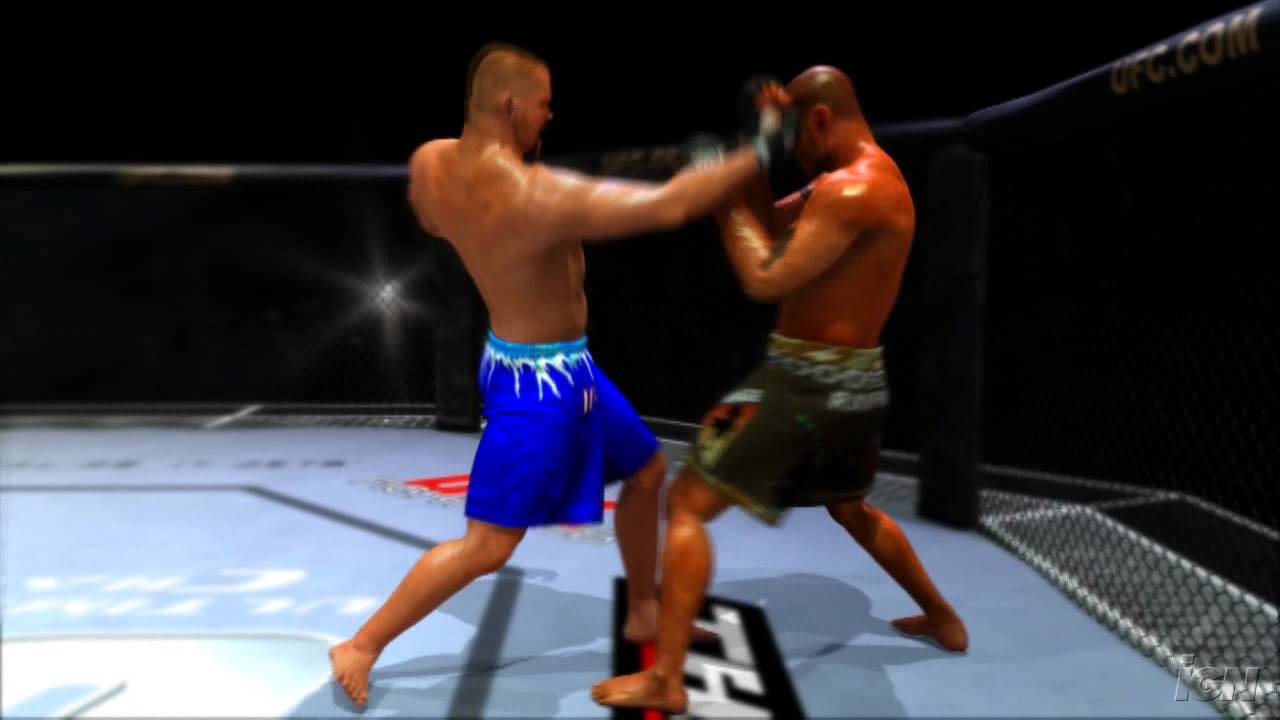
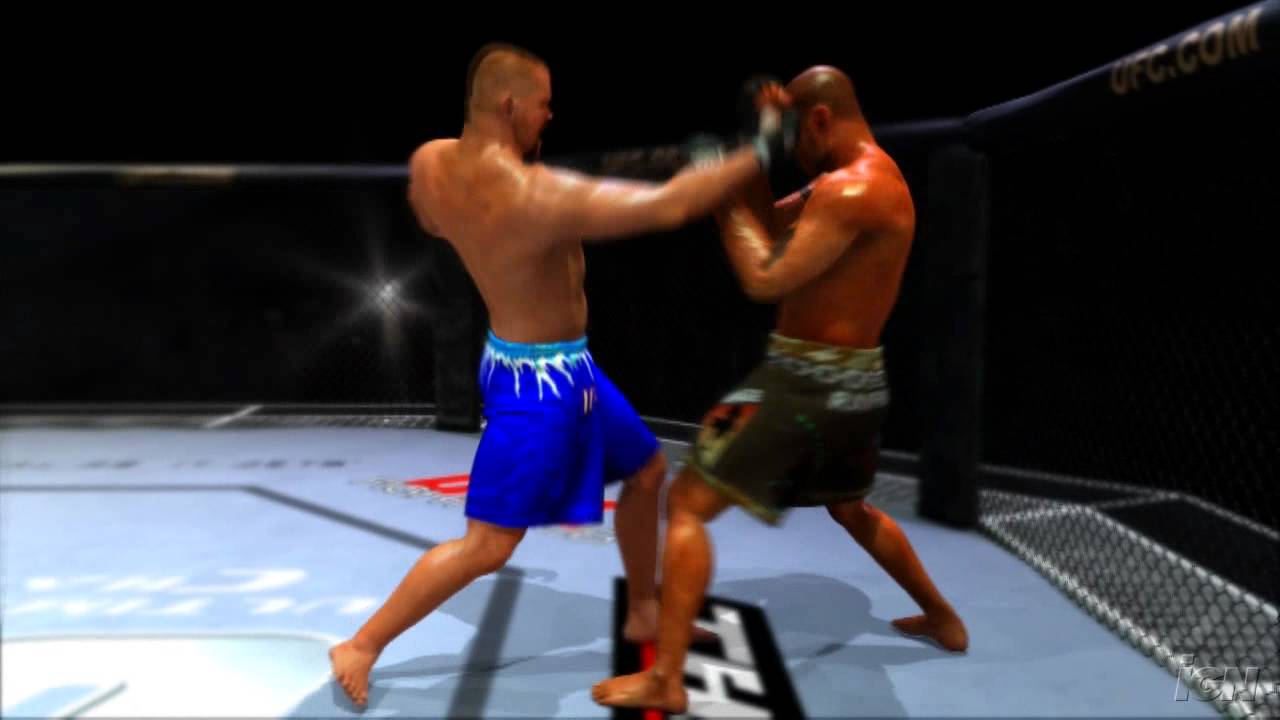
The proprietary “Next-Gen Engine” powering UFC 2009 Undisputed was a significant step forward for its time. While not pushing the boundaries of graphical fidelity in the same way as some other titles, it delivered a functional and believable representation of an MMA arena. Character models were reasonably detailed, capturing the unique physiques of real-world fighters. The animation system, while occasionally stiff, conveyed the impact of strikes and takedowns. (Image: A screenshot showcasing character models in the game). The lighting and texture work contributed to a sense of atmosphere, although limitations were evident when viewed with modern hardware.
Gameplay Mechanics and Core Systems
UFC 2009’s gameplay was its strongest suit. It introduced a robust system for managing stamina, crucial for both striking and grappling exchanges. Fighters possessed distinct fighting styles – Boxing, Kickboxing, Muay Thai for striking; Brazilian Jiu-Jitsu, Judo, and Wrestling for grappling. This allowed for diverse character builds and strategic approaches to combat. The transition between striking and grappling was relatively seamless, requiring players to adapt quickly and exploit openings. Mastering the timing of submissions and the art of controlling an opponent on the ground were key to success. (Image: A gameplay screenshot demonstrating a submission attempt).
Level Design and World Atmosphere
The game primarily featured arena environments designed to evoke the atmosphere of a live UFC event. While not expansive, these spaces were functional and served their purpose effectively. The use of lighting and sound design helped to create a sense of immersion, although the limited variety in level design could become repetitive over extended play sessions.
Narrative Depth and Character Profiles
UFC 2009 didn’t focus on a traditional narrative campaign. Instead, it offered a wide range of game modes, including career mode, exhibition matches, and online multiplayer. The depth came from the diverse roster of fighters, each with their unique stats and fighting styles. Learning to exploit these differences was crucial for success.
Sound Design and Acoustic Realism
The sound design in UFC 2009 played a vital role in enhancing the sense of realism. The impact sounds of punches and kicks were visceral, while the crowd noise added to the intensity of the fights. The commentary, while not groundbreaking, provided context and helped guide players through the action.
Release Expectations and Community Hype
The release of UFC 2009 was highly anticipated by MMA fans eager for a dedicated gaming experience. The game delivered on many fronts, offering a deep and engaging gameplay system that captured the essence of mixed martial arts. While not without its flaws, it set a new standard for MMA games and paved the way for future installments in the series.
(Video: A trailer or gameplay footage of UFC 2009).
Conclusion: The Future of UFC 2009 Undisputed
UFC 2009 Undisputed remains a landmark title in the history of MMA gaming. Its robust gameplay mechanics, diverse roster of fighters, and commitment to realism set it apart from its predecessors. While technological limitations are apparent when viewed through a modern lens, its impact on the genre is undeniable. It served as a foundation upon which future UFC games would build, solidifying its place as a classic in the eyes of many fans.

Source: Wikipedia


