Introduction: The Next Chapter for Turok 2: Seeds of Evil
Turok 2: Seeds of Evil, a sequel to the groundbreaking Turok: Dinosaur Hunter, arrived on the Nintendo 64 in 1998, promising an even more expansive and terrifying experience. Developed by Iguana Entertainment, this title built upon its predecessor’s success, introducing new weapons, enemies, and gameplay mechanics while maintaining the core essence of fast-paced dinosaur hunting action. The game quickly became a fan favorite, praised for its challenging gameplay, impressive graphics (especially with the Expansion Pak), and memorable soundtrack. This deep dive will explore every facet of Turok 2, from its technical innovations to its lasting impact on the first-person shooter genre.
Visual Direction and Graphics Engineering
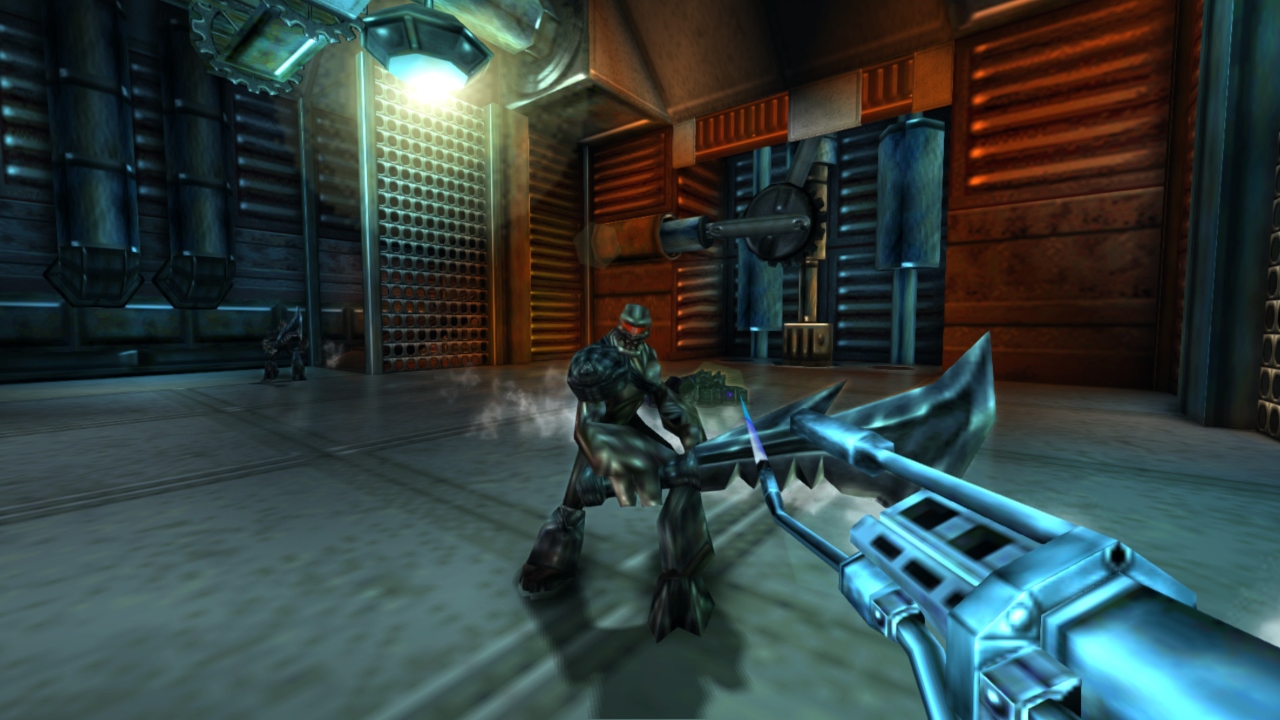
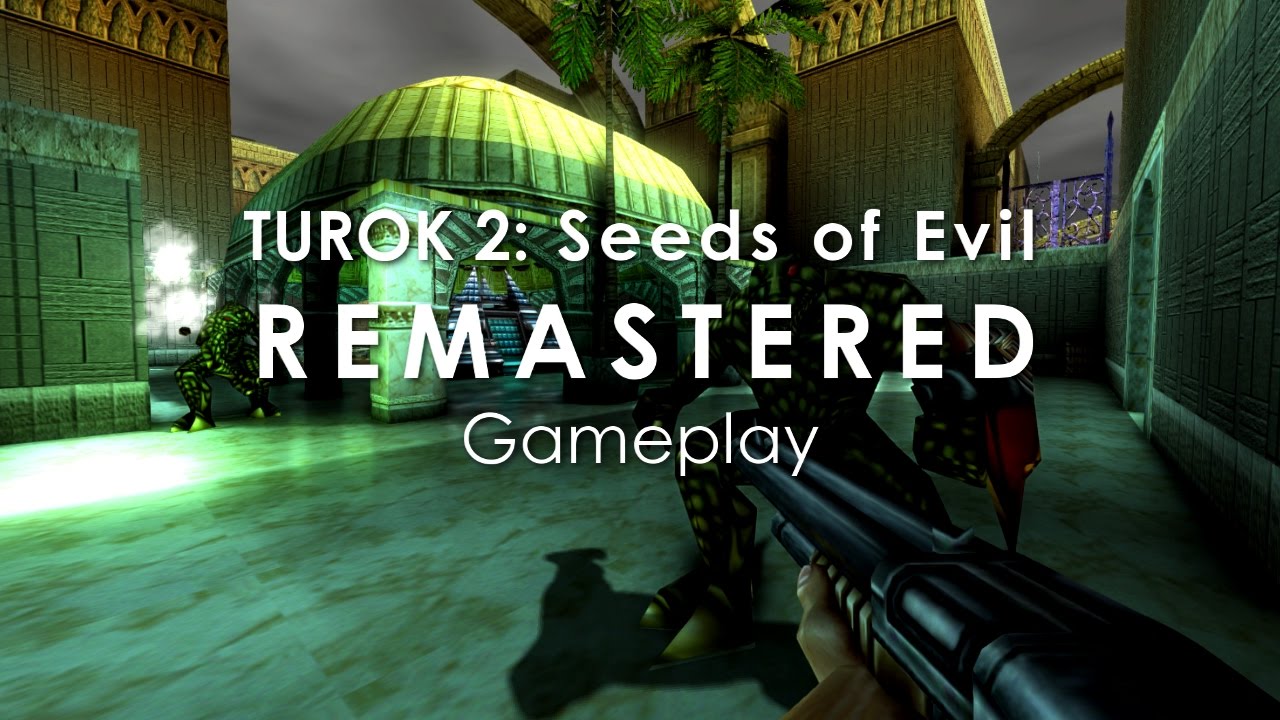
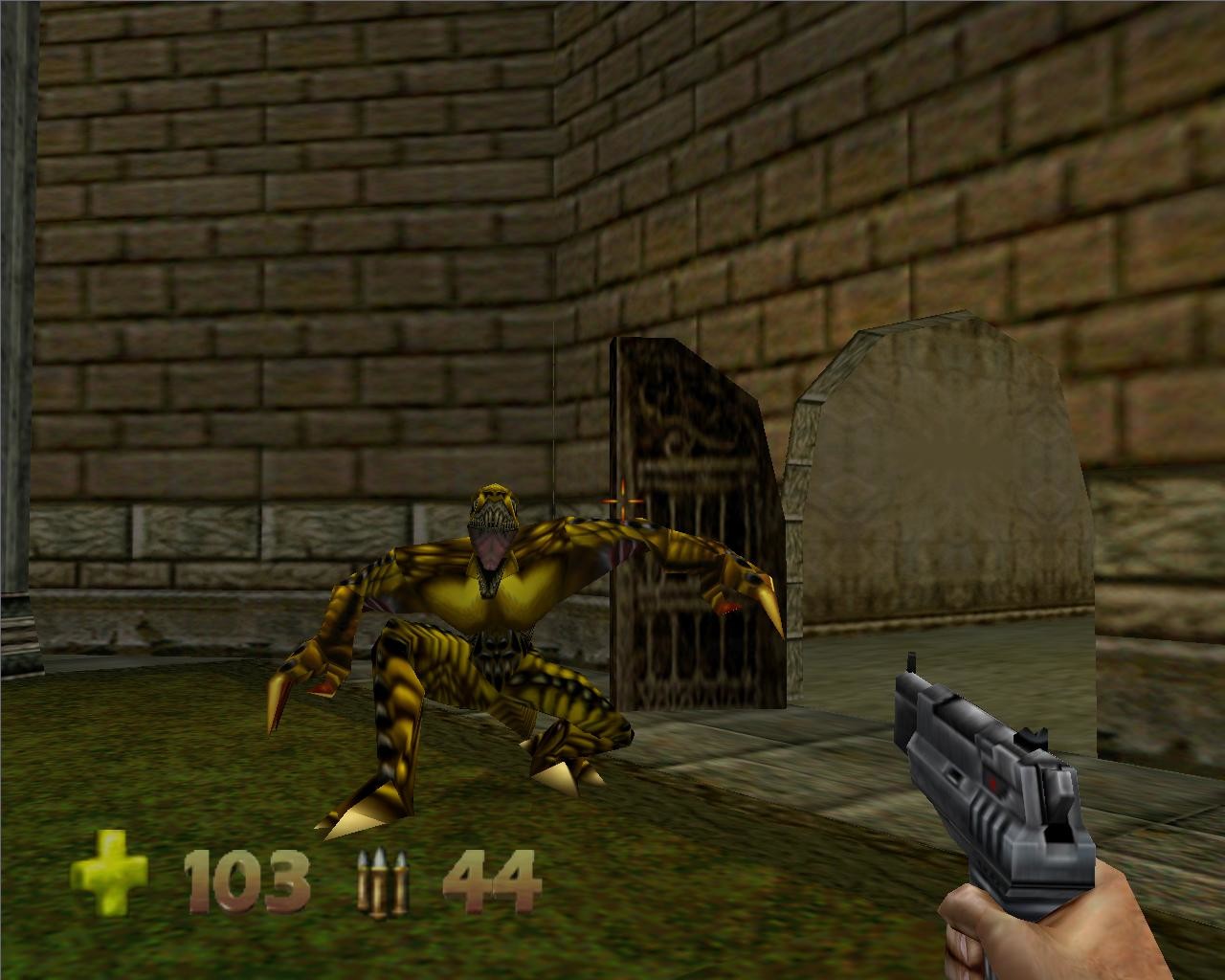
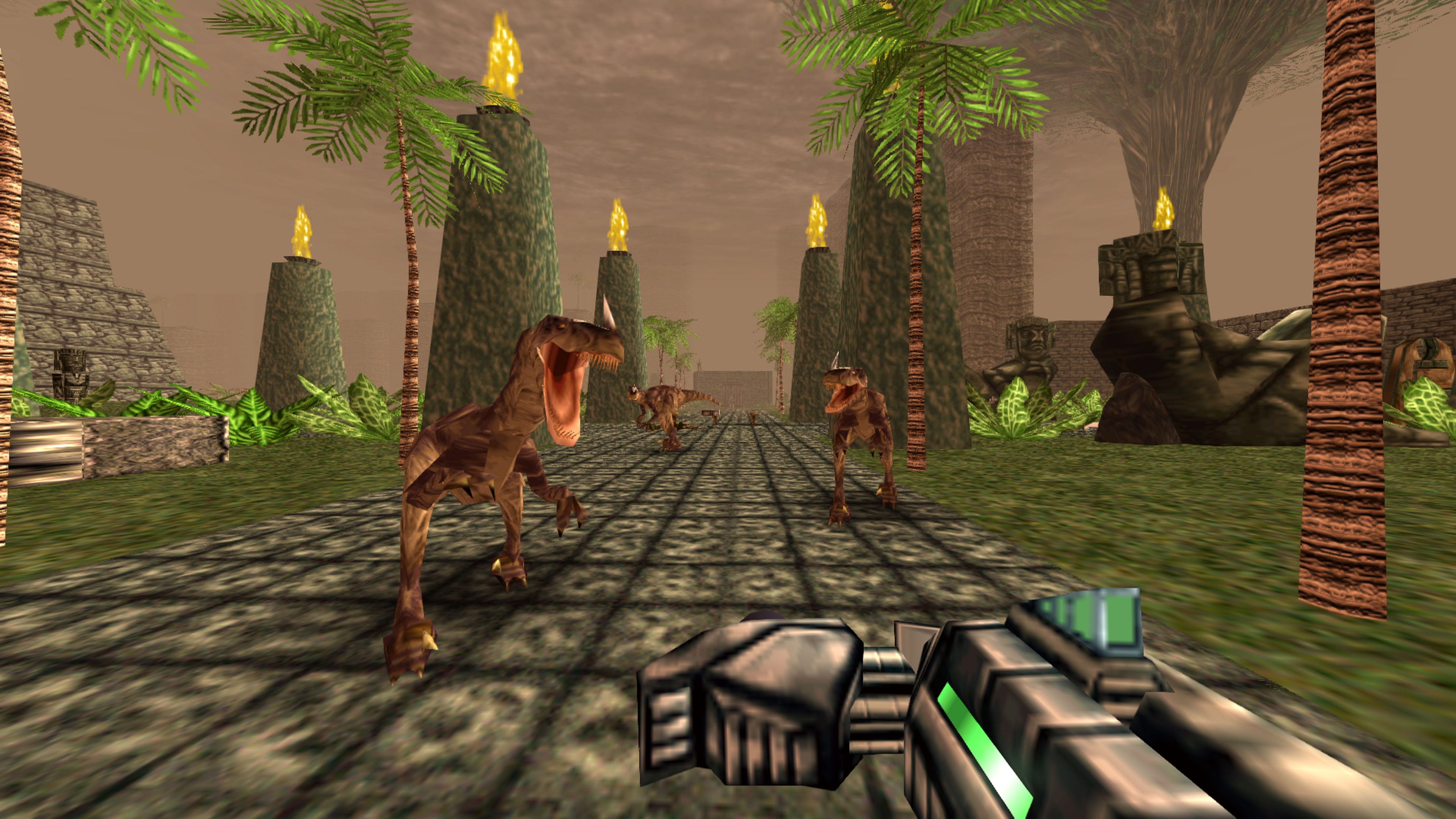
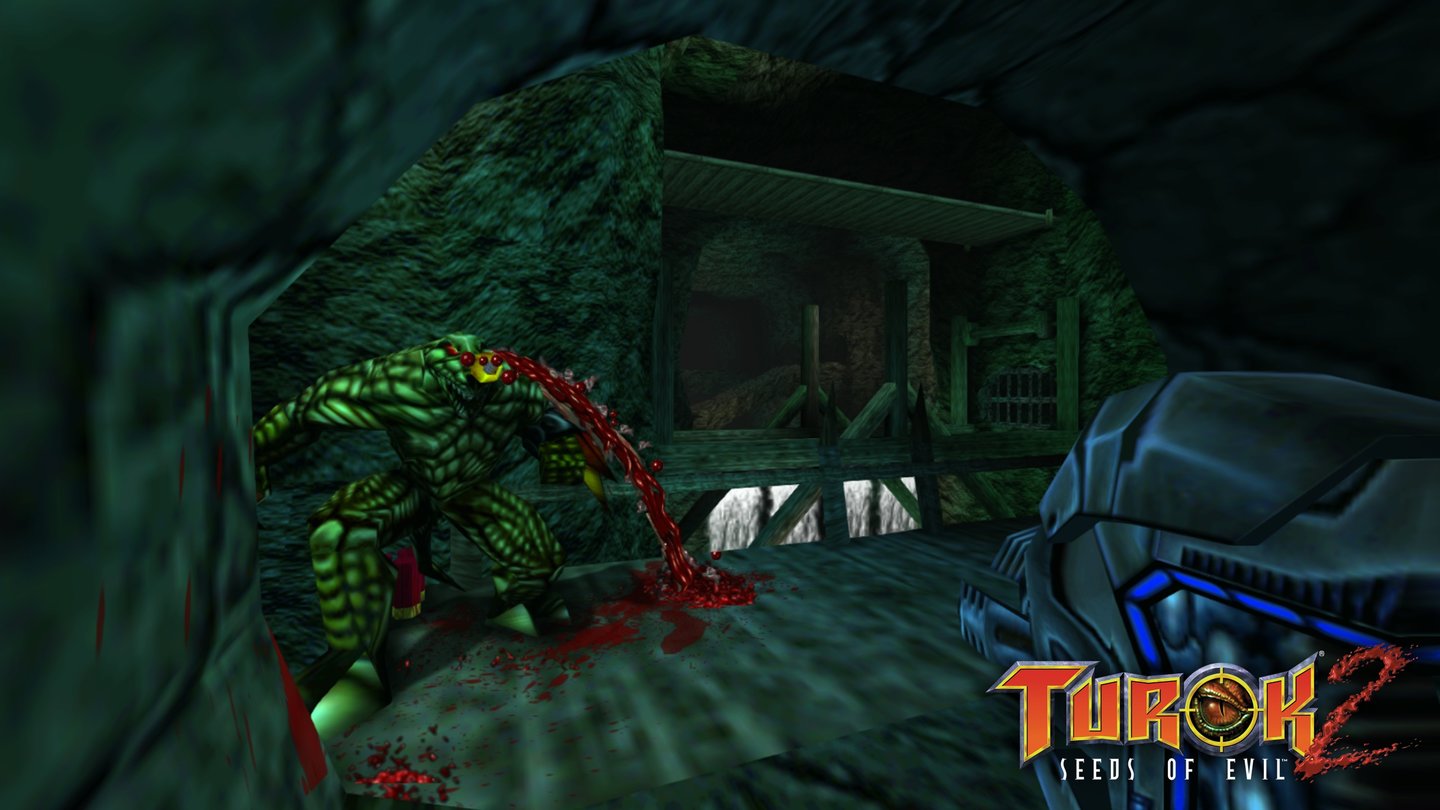
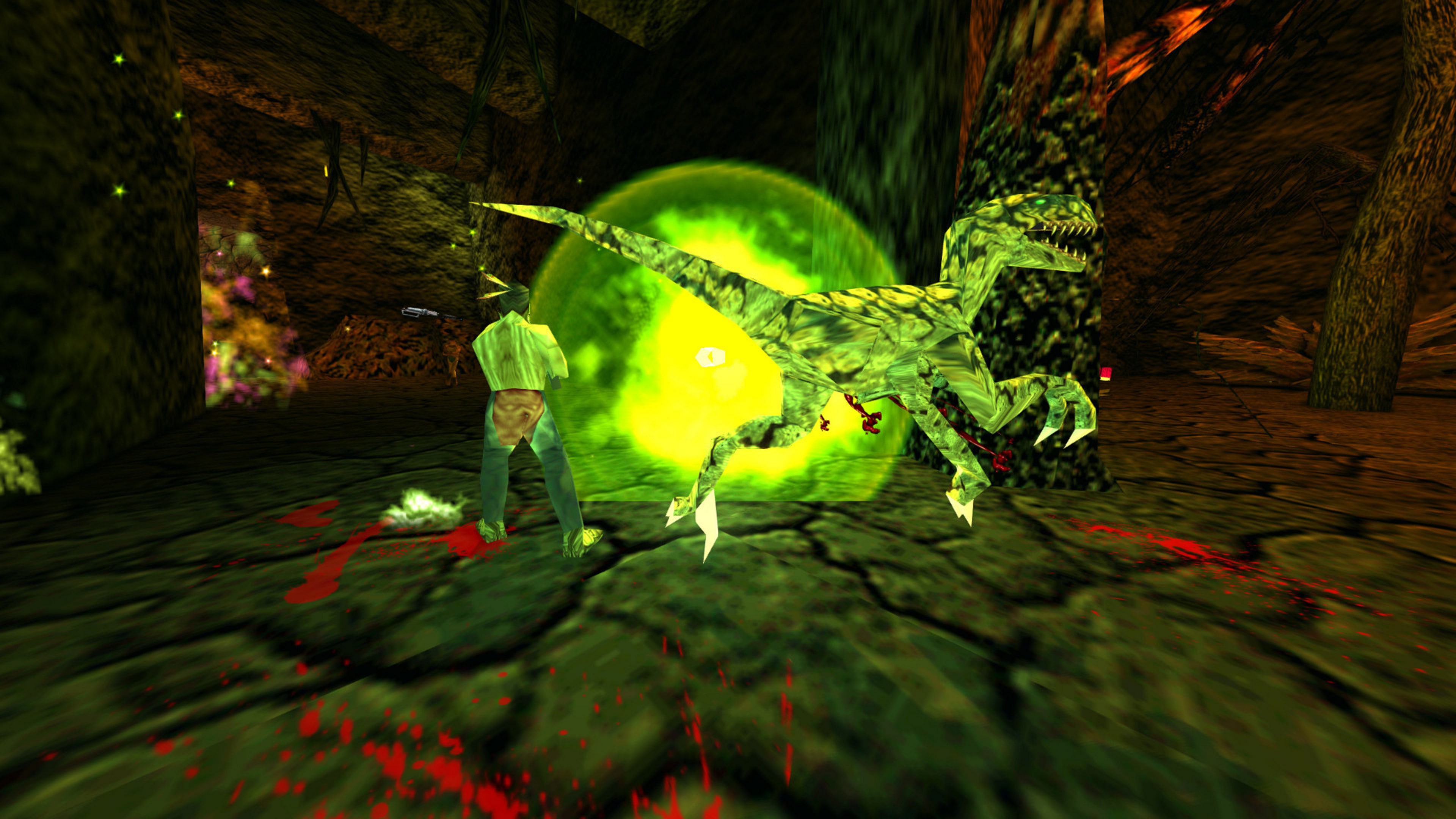
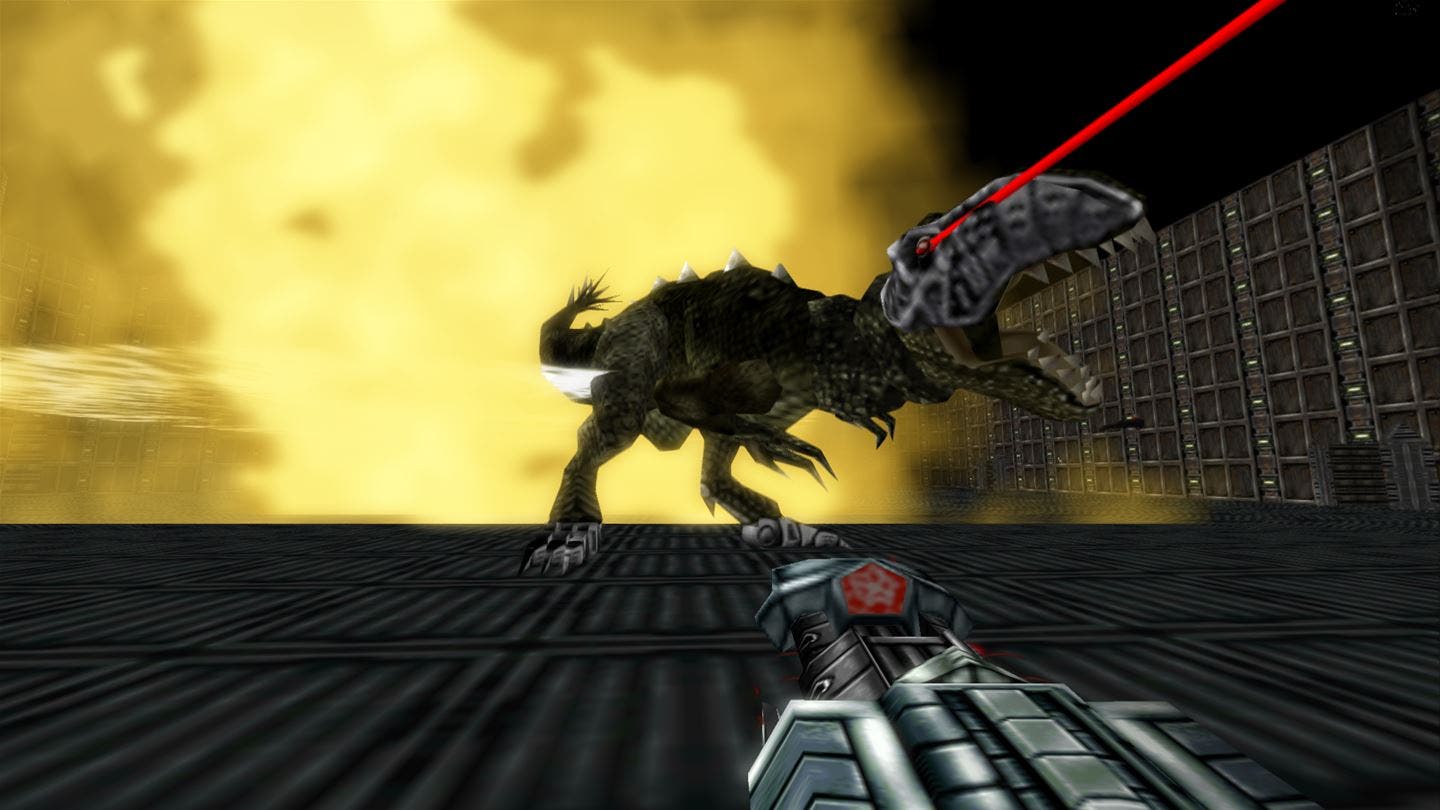
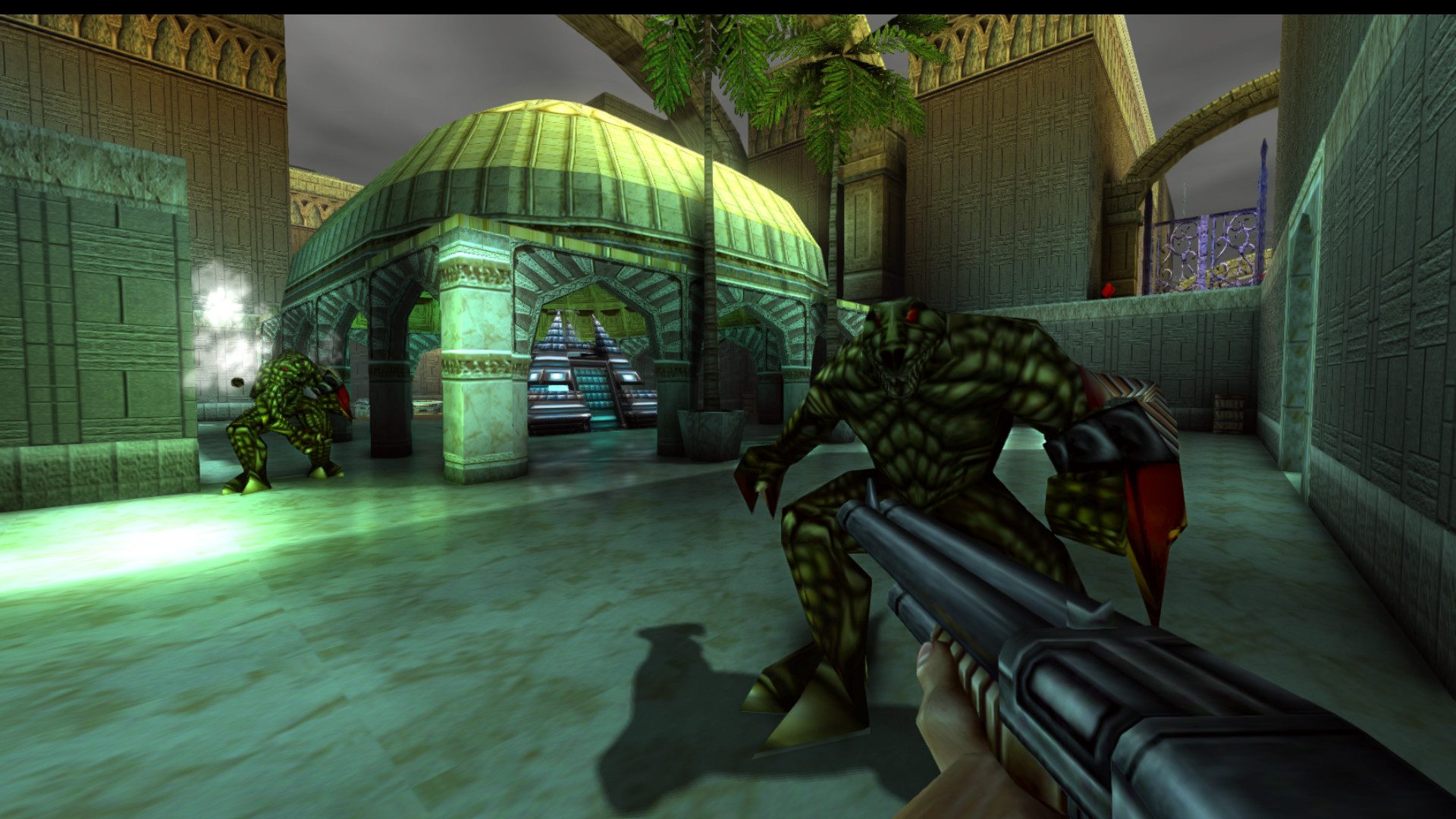
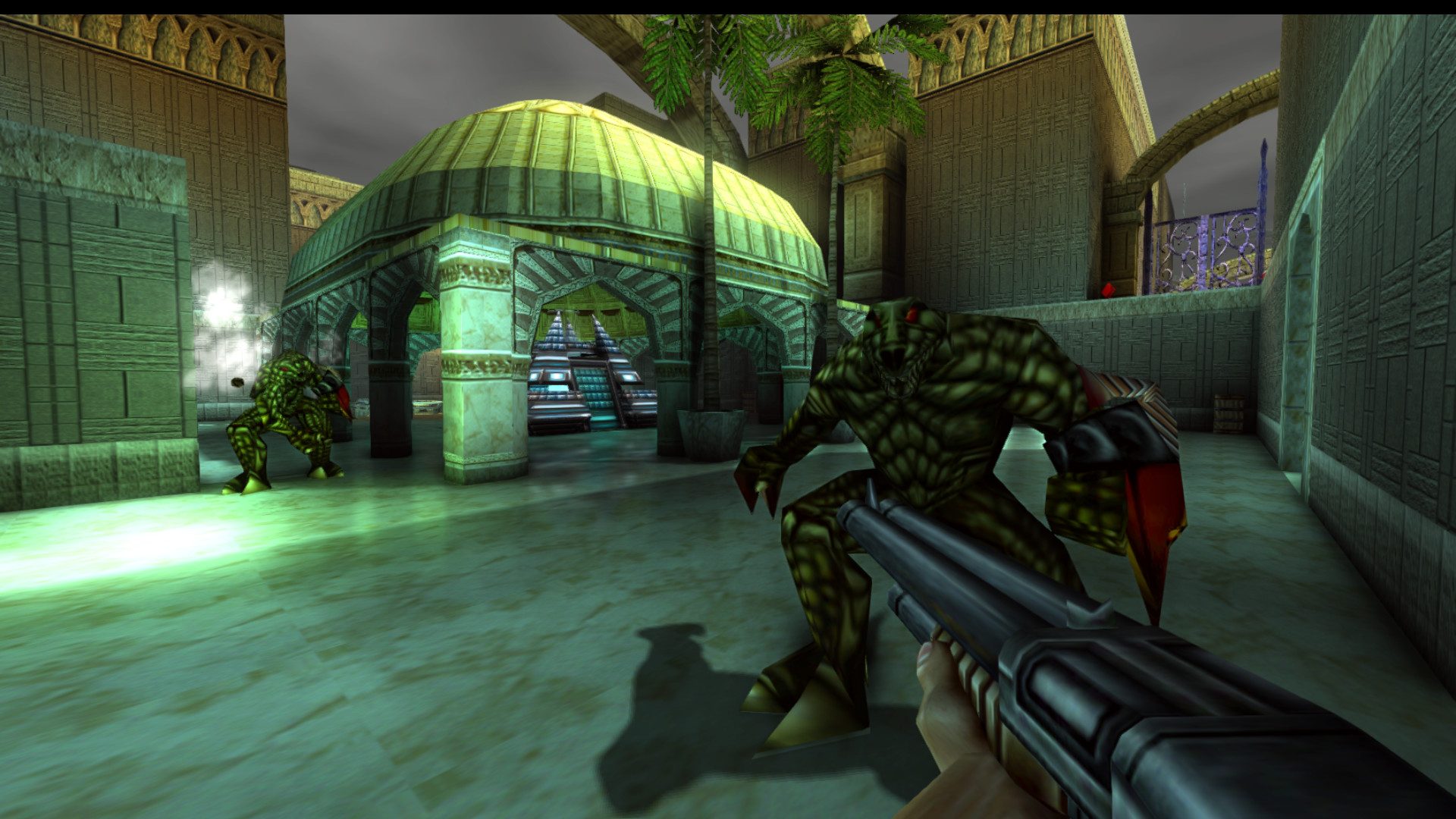
Turok 2: Seeds of Evil was a showcase for Iguana Entertainment’s proprietary “Next-Gen” engine. While technically impressive for its time, it wasn’s without limitations. The game leveraged the Nintendo 64’s capabilities to create detailed environments filled with lush vegetation, towering dinosaurs, and intricate alien structures. The use of texture mapping and lighting effects added depth and realism to the visuals. The optional Expansion Pak support allowed for higher resolution textures and improved draw distances, significantly enhancing the visual fidelity. However, even with the Expansion Pak, limitations were apparent: noticeable pop-in, occasional frame rate drops during intense action sequences, and a somewhat dated aesthetic compared to modern standards.
Gameplay Mechanics and Core Systems
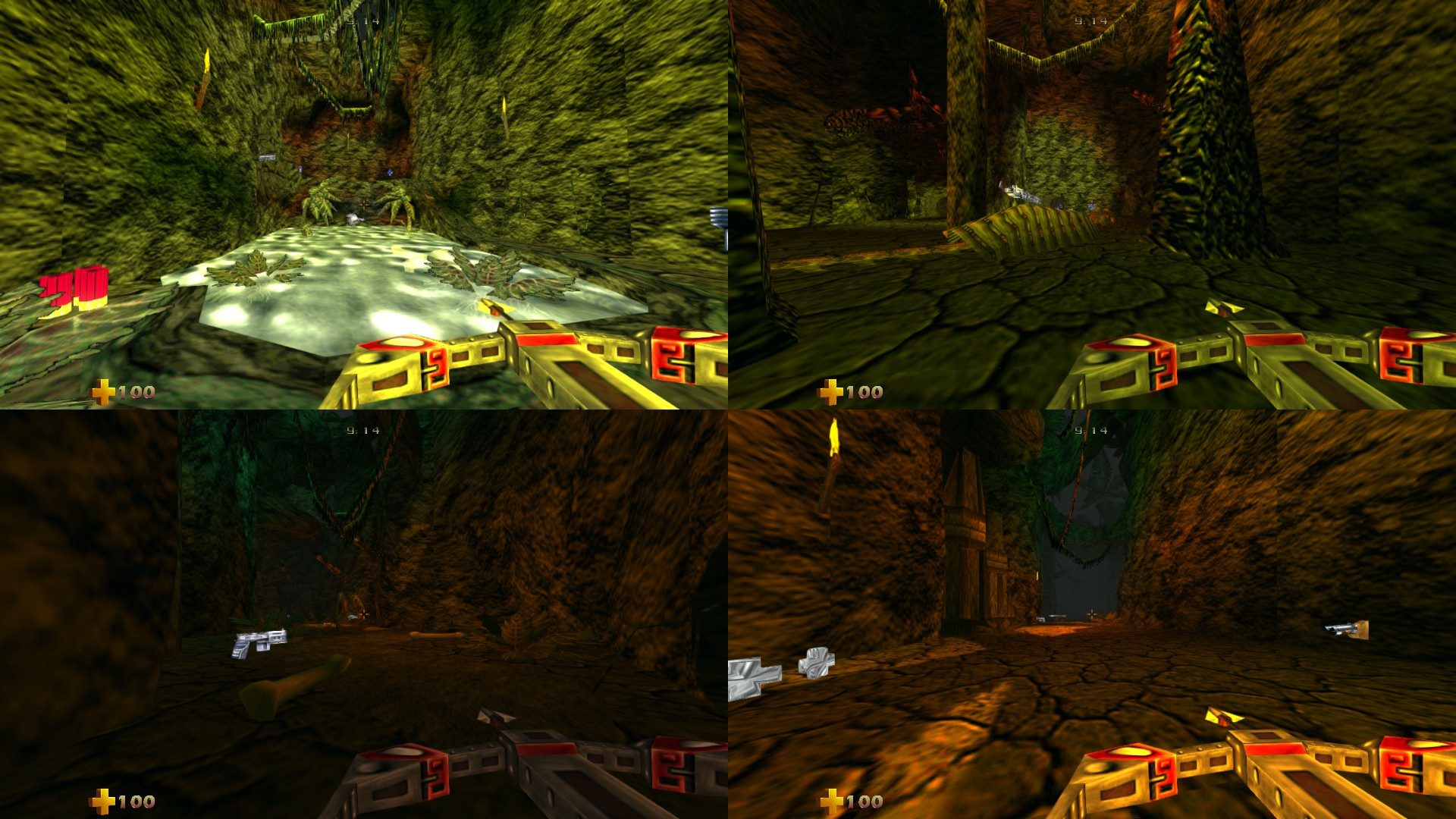
The core gameplay of Turok 2 revolves around fast-paced first-person shooting with a wide array of weapons at your disposal. From the iconic rocket launcher to the devastating laser rifle, each weapon offered unique tactical advantages. The game introduced new mechanics such as the ability to ride dinosaurs, adding a novel dimension to exploration and combat. The AI for both enemies and allies was relatively simple but effective in creating challenging encounters. The level of difficulty could be adjusted, catering to both casual players and hardcore FPS enthusiasts. The multiplayer mode offered various competitive options, allowing players to battle it out in arenas inspired by the single-player levels.
Level Design and World Atmosphere
The level design in Turok 2 is a blend of natural environments and alien structures, creating a unique and immersive atmosphere. Each level presented distinct challenges, from navigating dense jungles teeming with predators to infiltrating technologically advanced facilities guarded by hostile creatures. The game’s world felt vast and interconnected, encouraging exploration and rewarding players who ventured off the beaten path. While some levels were more memorable than others, the overall design contributed significantly to the game’s sense of adventure and discovery.
Narrative Depth and Character Profiles
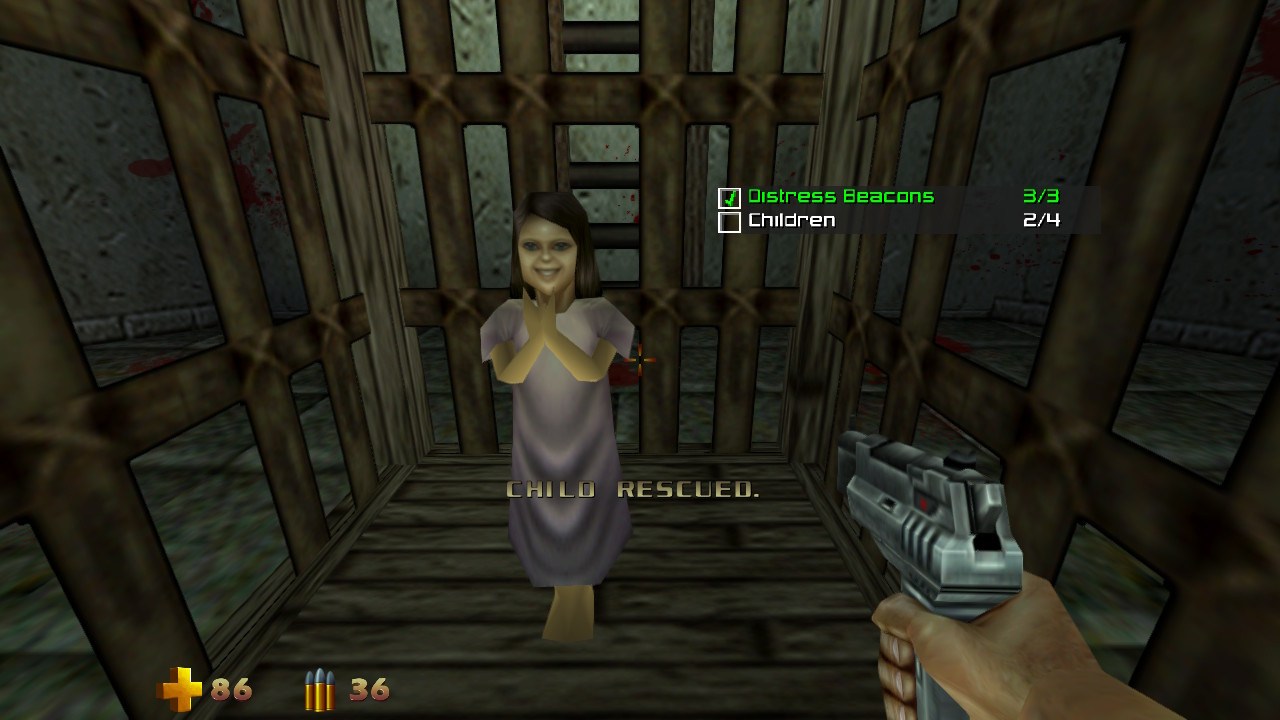
While not as heavily emphasized as in some other FPS titles, Turok 2 features a compelling narrative that drives the player forward. The story revolves around the protagonist’s efforts to prevent an alien entity from escaping its confinement. While character development is somewhat limited, the game establishes a clear sense of purpose and provides enough context to keep players engaged. The antagonist serves as a formidable presence, adding weight to the stakes and motivating the player to overcome increasingly difficult challenges.
Sound Design and Acoustic Realism
The sound design in Turok 2 plays a crucial role in creating an immersive experience. The roar of dinosaurs, the crackle of gunfire, and the eerie ambience of alien environments all contribute to the game’s atmosphere. Darren Mitchell’s soundtrack is both memorable and fitting, enhancing the sense of danger and excitement. The sound effects are well-executed, adding weight and impact to every action.
Release Expectations and Community Hype
Upon its release, Turok 2: Seeds of Evil was met with high expectations from fans eager for a sequel that would build upon the success of its predecessor. The game delivered on many fronts, offering improved graphics, new weapons, and expanded gameplay mechanics. The multiplayer mode quickly became a popular draw, allowing players to compete against each other in intense battles. The game’s positive reception solidified its place as a classic Nintendo 64 title.
Conclusion: The Future of Turok 2: Seeds of Evil
Turok 2: Seeds of Evil remains a beloved classic for good reason. Its blend of fast-paced action, challenging gameplay, and immersive atmosphere continues to resonate with players today. While its graphics may appear dated by modern standards, the game’s core mechanics and overall experience hold up remarkably well. The release of remastered versions has allowed new audiences to discover the thrill of hunting dinosaurs in this iconic FPS title.
Source: Wikipedia

.png)