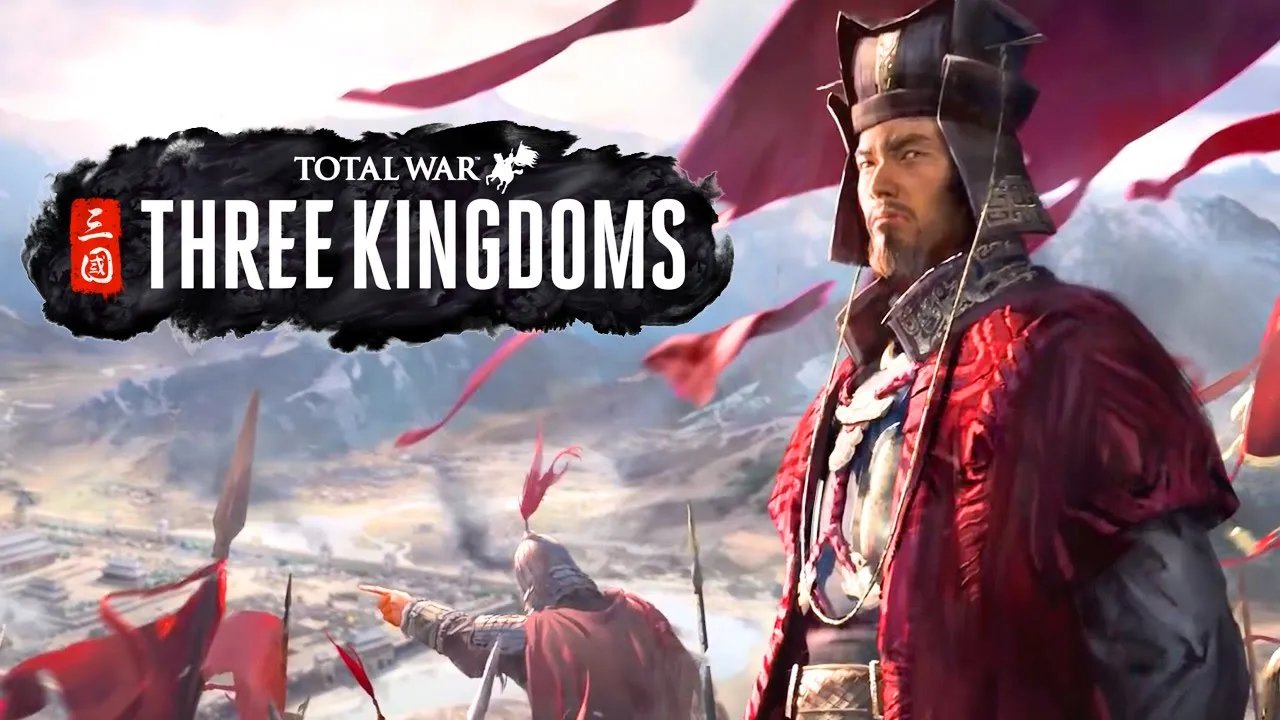
Introduction: The Next Chapter for Total War: Three Kingdoms
Total War: Three Kingdoms represents a bold step forward for the venerable strategy franchise. Developed by Creative Assembly and published by Sega, this installment transports players to the turbulent era of the late Han dynasty and the subsequent Three Kingdoms period in China. More than just a historical simulation, it’s an attempt to blend grand strategic gameplay with intricate character interactions and dynamic political maneuvering. This Masterclass Deep-Dive will dissect every facet of the game, from its groundbreaking engine to its compelling narrative, offering a comprehensive analysis for discerning gamers.
Visual Direction and Graphics Engineering
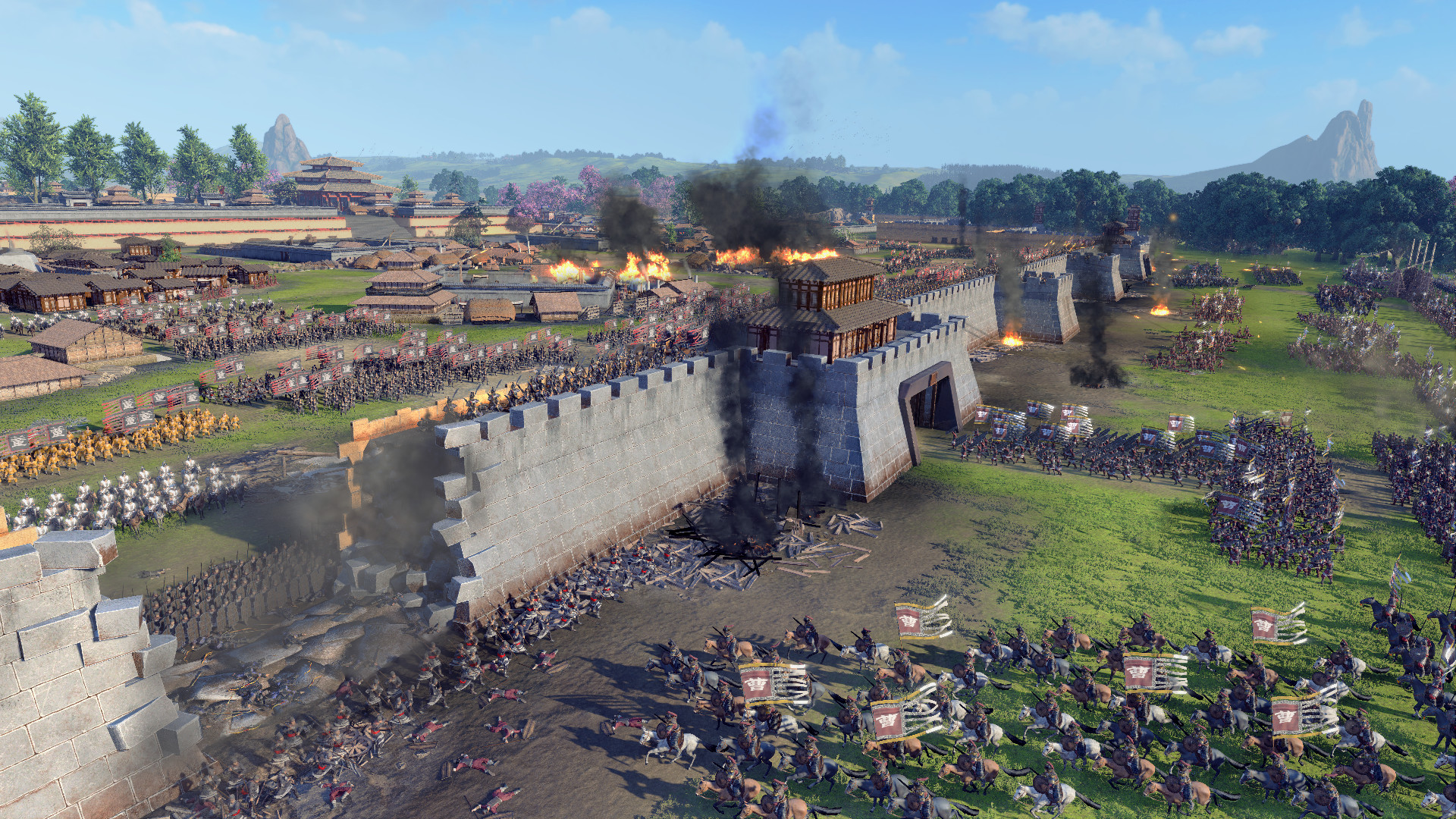
The visual presentation in Total War: Three Kingdoms is nothing short of stunning. The proprietary Next-Gen Engine allows for incredibly detailed unit models, expansive battlefields teeming with life, and breathtaking vistas that capture the beauty and grandeur of ancient China. The game leverages advanced rendering techniques to create a truly immersive experience. Character models are meticulously crafted, reflecting their historical counterparts while also allowing for expressive animations that convey emotion and personality. The sheer scale of the battles is awe-inspiring, with thousands of units clashing on the battlefield in real-time. Optimization is key, and Creative Assembly has worked diligently to ensure smooth performance even during these massive engagements.
Gameplay Mechanics and Core Systems
At its heart, Total War: Three Kingdoms retains the core gameplay loop that defines the series: a turn-based campaign map where players manage their empire, build infrastructure, conduct diplomacy, and raise armies, punctuated by real-time tactical battles. However, this installment introduces significant innovations. The “Character Bonds” system allows for deep relationships between characters, influencing everything from combat effectiveness to political intrigue. Generals can form friendships, rivalries, and even romantic entanglements, creating a dynamic web of interactions that directly impacts the course of the game. This adds a layer of complexity and replayability not seen in previous Total War titles. The AI has also been significantly improved, making opponents more challenging and unpredictable.
Level Design and World Atmosphere
The world of Three Kingdoms is brought to life through meticulously crafted environments. From the bustling cities to the serene countryside, each location feels authentic and lived-in. The level design in both the campaign map and the battlefields is exceptional, offering a variety of strategic options for players. Sieges are particularly well-executed, with destructible fortifications and dynamic weather conditions that can significantly impact the flow of combat. The game’s atmosphere is further enhanced by its soundtrack, which seamlessly blends traditional Chinese instruments with modern orchestral arrangements.
Narrative Depth and Character Profiles
Total War: Three Kingdoms places a strong emphasis on narrative depth and character development. Each faction leader, from the cunning Cao Cao to the benevolent Liu Bei, has their own unique storyline and motivations. The game features a wealth of historical figures, each brought to life with compelling dialogue and nuanced portrayals. Players can delve into these characters’ backstories through optional story events and interactions, gaining a deeper understanding of their personalities and ambitions. This focus on narrative elevates the game beyond a simple strategy title, transforming it into an engaging historical drama.
Sound Design and Acoustic Realism
The sound design in Total War: Three Kingdoms is nothing short of remarkable. The clashing of swords, the thunderous charge of cavalry, and the cries of soldiers all contribute to a visceral and immersive experience. The game features a vast library of voice acting, with each character speaking their own language and delivering performances that are both authentic and engaging. The soundtrack is equally impressive, seamlessly blending traditional Chinese instruments with modern orchestral arrangements.
Release Expectations and Community Hype
Prior to its release, Total War: Three Kingdoms generated significant hype within the gaming community. Fans eagerly anticipated a new installment in the series that would not only deliver the signature strategic gameplay but also explore a fascinating historical period. The game’s unique blend of strategy, character interactions, and narrative depth promised a fresh and engaging experience. Early previews were overwhelmingly positive, further fueling anticipation for the full release.
Conclusion: The Future of Total War: Three Kingdoms
Total War: Three Kingdoms is a triumph for Creative Assembly, representing a bold step forward for the franchise. Its innovative gameplay mechanics, stunning visuals, and compelling narrative create an unforgettable experience.
While not without its minor flaws, the game’s strengths far outweigh its weaknesses. It stands as a testament to the power of combining historical accuracy with engaging gameplay, setting a new standard for strategy games and solidifying its place as a must-play title for fans of the genre. The future likely holds DLC expansions that will further enrich the world and characters, ensuring that Total War: Three Kingdoms remains a relevant and exciting game for years to come.
Source: Wikipedia


