

关于本游戏
Introduction: The Next Chapter for Total War: Shogun 2
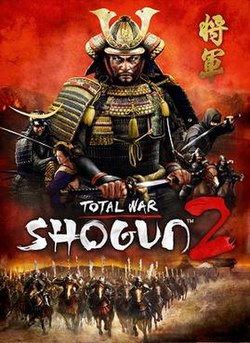
Total War: Shogun 2 represents a pivotal moment in the Total War franchise, marking a return to the feudal Japanese setting of the original Shogun: Total War while leveraging advancements in game engine technology and design philosophy. Developed by Creative Assembly and published by Sega in 2011, this title aimed not only to recapture the strategic depth and tactical brilliance that defined its predecessor but also to elevate it with a more refined gameplay experience, enhanced visuals, and a deeper narrative focus. The game’s success hinged on balancing historical accuracy with engaging gameplay, creating a compelling experience for both seasoned Total War veterans and newcomers alike.
Visual Direction and Graphics Engineering
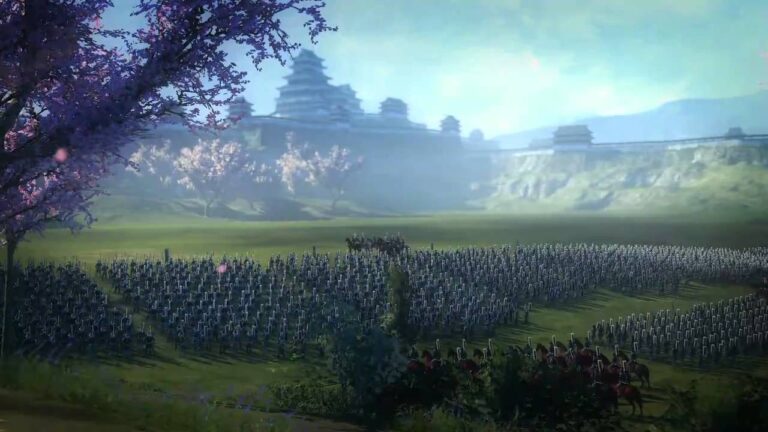
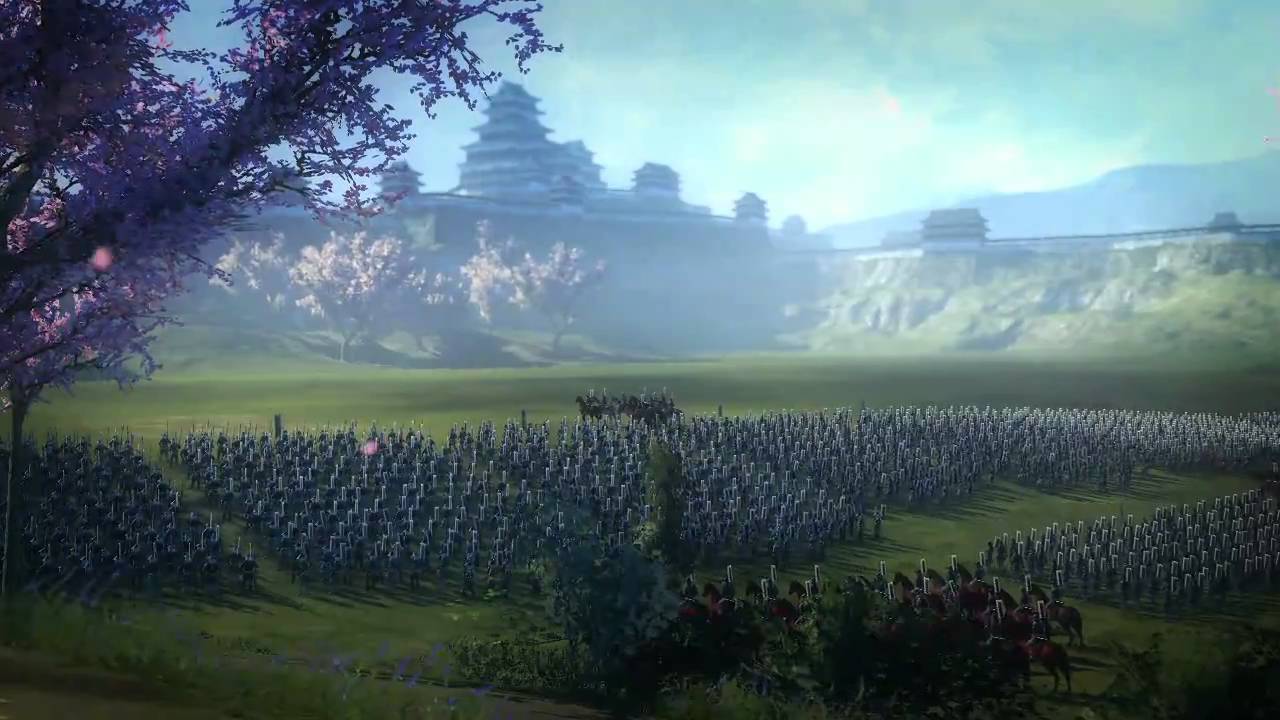
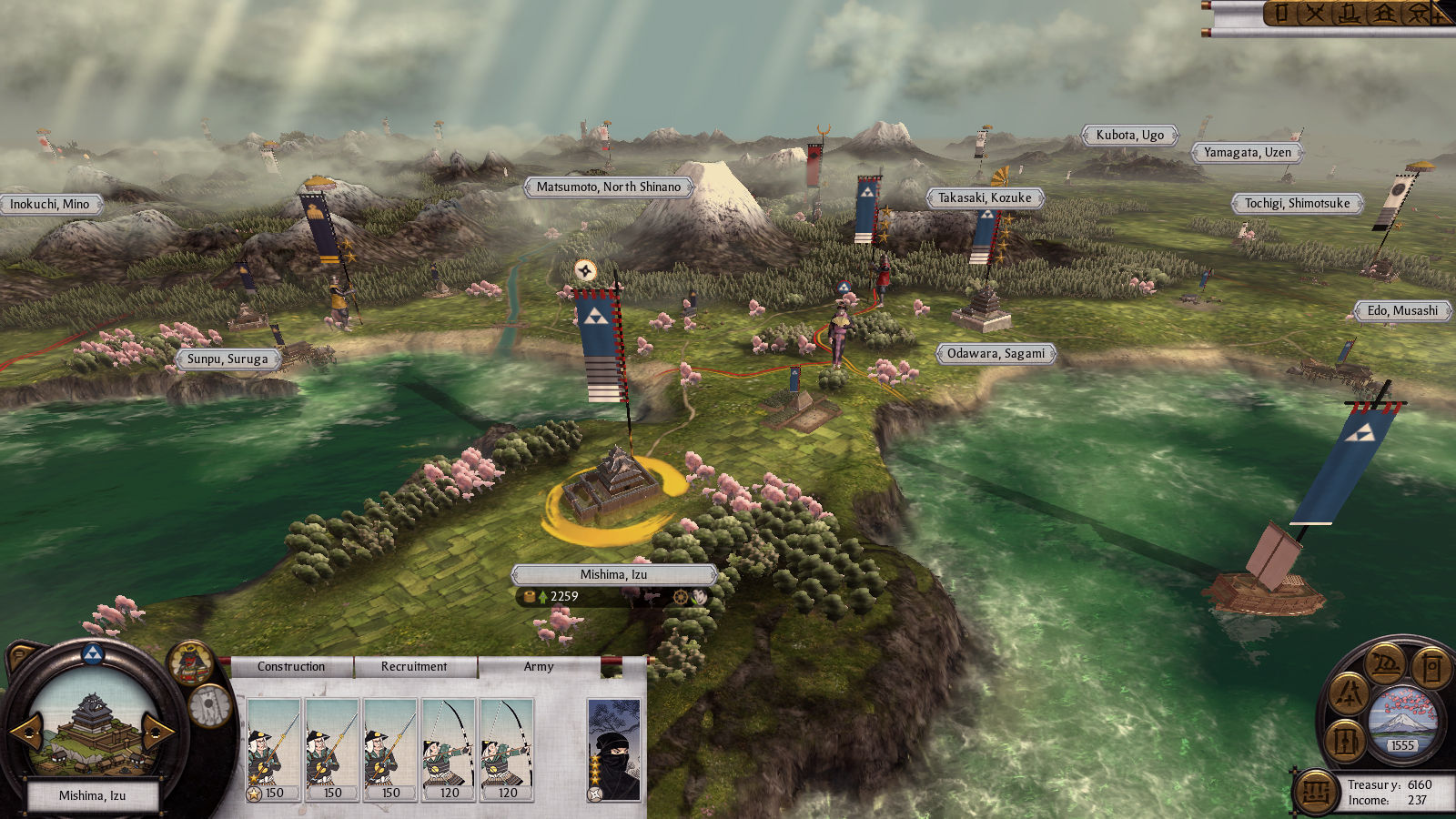
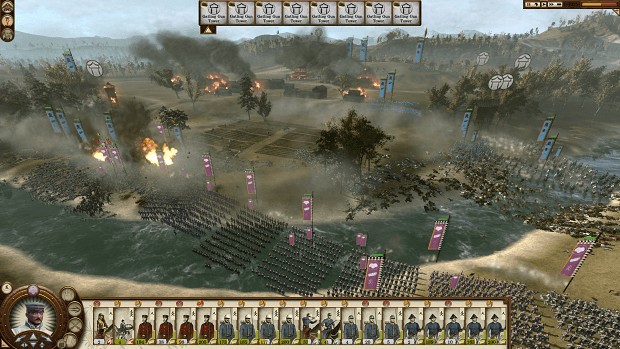
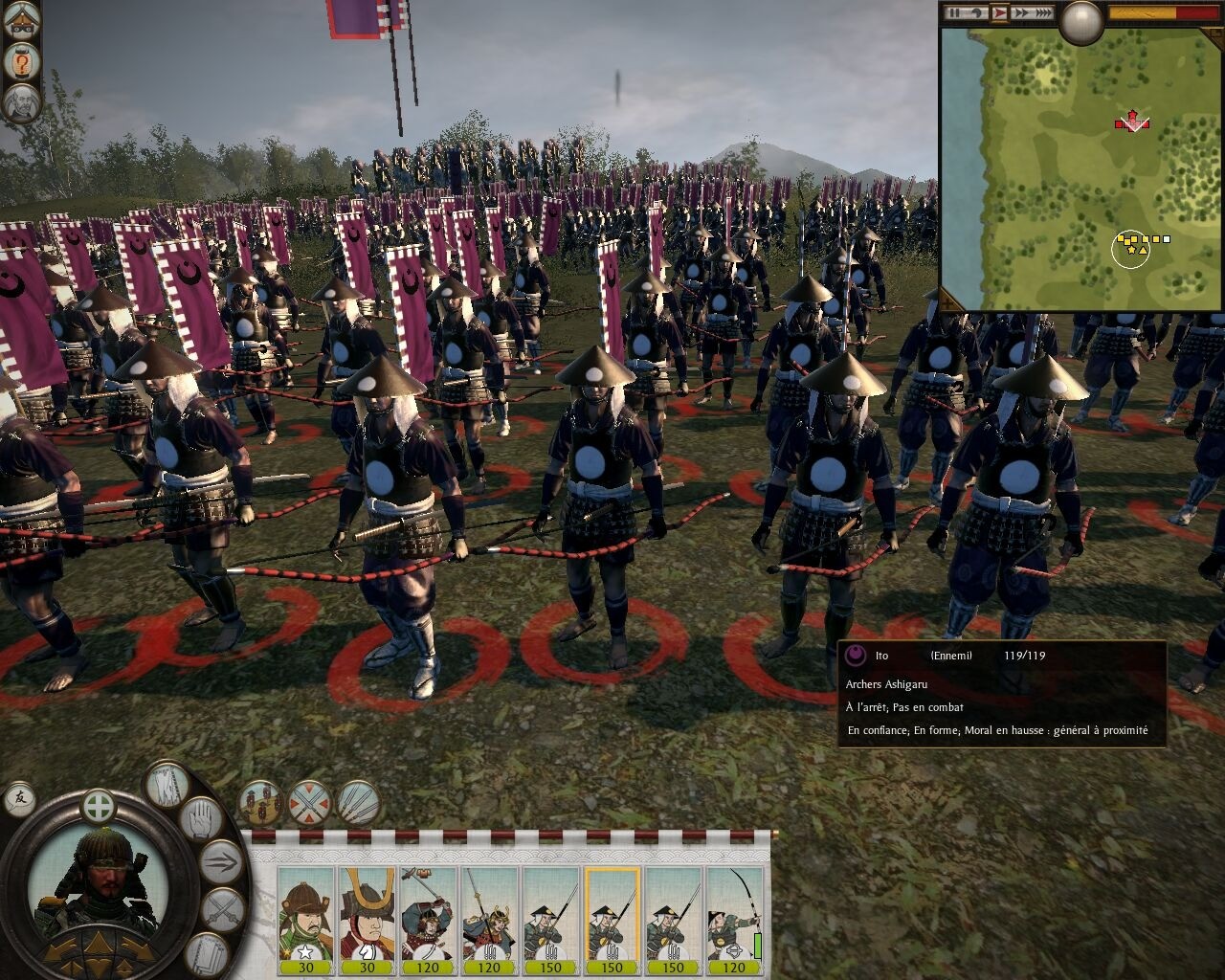
The visual direction of Total War: Shogun 2 aimed to create an immersive and authentic representation of feudal Japan. While not pushing the boundaries of graphical fidelity in the same way as some contemporary titles, the game’s art style effectively conveyed the beauty and harshness of the era. The proprietary Next-Gen engine allowed for detailed environments, from meticulously rendered bamboo forests to imposing castle fortifications. The use of dynamic lighting and weather effects further enhanced the atmosphere, creating a sense of realism that drew players into the world. Optimization was key, ensuring smooth performance even during large-scale battles involving thousands of units.
游戏玩法 Mechanics and Core Systems
Total War: Shogun 2 refined the core Total War formula with several key additions and improvements. The Agency system allowed for covert operations, adding a new layer of strategic depth. Sieges were more complex and engaging, requiring careful planning and execution. Diplomacy was crucial, as players navigated alliances and betrayals to gain an advantage over their rivals. The game also introduced the “character” system, where generals gained experience and developed unique skills, adding a personal touch to military campaigns. This blend of grand strategy and tactical combat proved highly addictive and rewarding.
Level Design and World Atmosphere
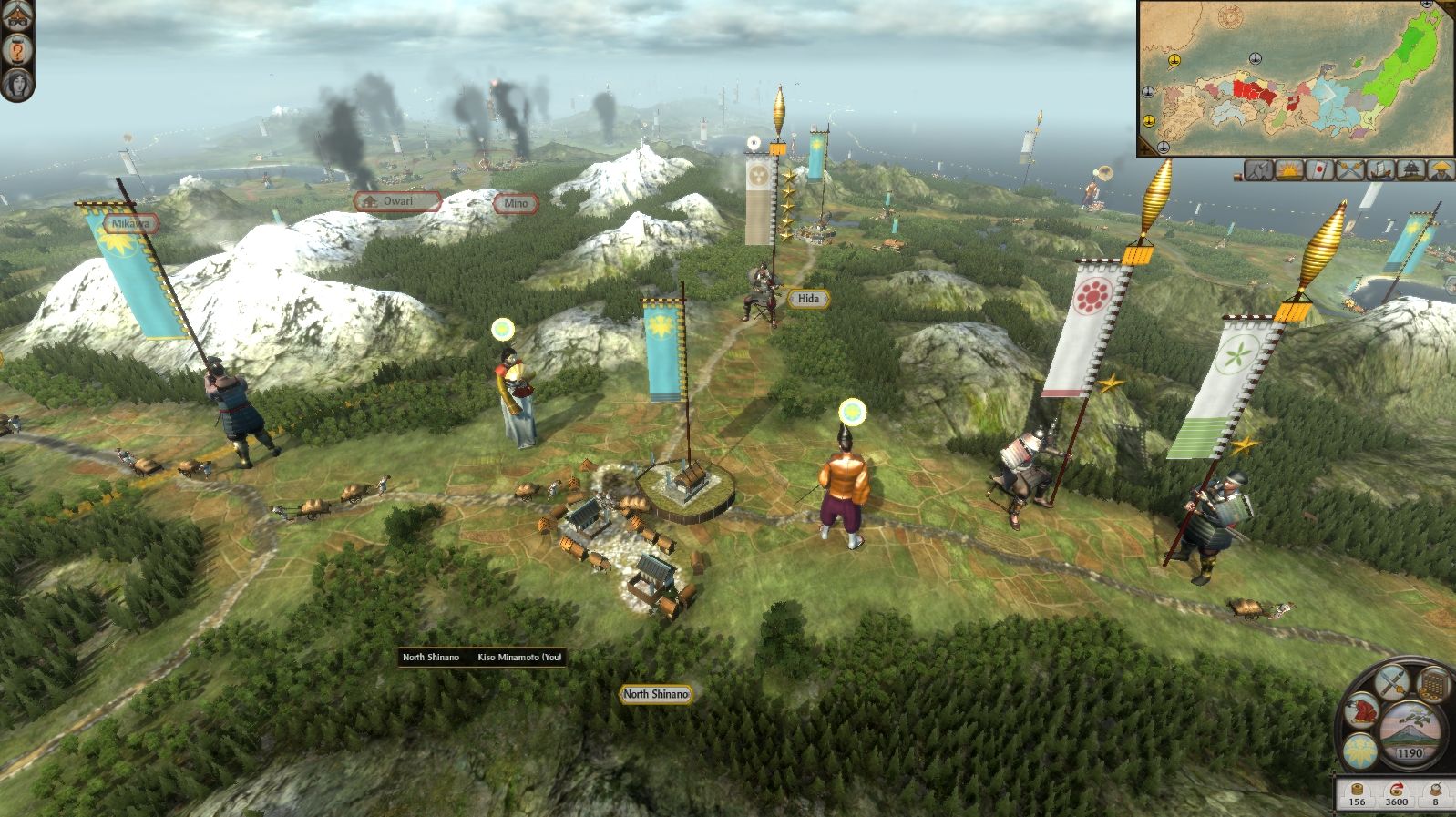
The level design in Total War: Shogun 2 was carefully crafted to reflect the diverse landscapes of feudal Japan. From the rolling hills of the countryside to the dense forests and treacherous mountain passes, each environment presented unique challenges for both armies and players. The game’s map was not just a backdrop; it actively influenced gameplay, forcing commanders to adapt their strategies based on terrain advantages and disadvantages. The attention to detail in recreating these environments contributed significantly to the overall sense of immersion.
Narrative Depth and Character Profiles
While primarily a strategy game, Total War: Shogun 2 incorporated elements of narrative depth through character profiles and historical events. Each clan leader possessed unique traits and ambitions that shaped their interactions with other factions. The game also presented players with choices that could alter the course of history, adding replayability and encouraging experimentation. While not a traditional story-driven experience, the subtle integration of narrative elements enhanced the overall engagement.
Sound Design and Acoustic Realism
The sound design in Total War: Shogun 2 played a crucial role in creating an immersive audio landscape. The clash of swords, the thunderous roar of cannons, and the cries of soldiers all contributed to the intensity of battle. Traditional Japanese instruments were used extensively to create atmospheric music that reflected the cultural setting. The sound effects were meticulously crafted to provide feedback on player actions and enhance the sense of realism.
Release Expectations and Community Hype
Prior to its release, Total War: Shogun 2 generated significant hype within the gaming community. Fans eagerly anticipated a return to the Japanese setting and the promise of improved gameplay mechanics. The game’s trailers and pre-release coverage showcased its stunning visuals and strategic depth, building anticipation for what many hoped would be a worthy successor to the original Shogun: Total War. The limited edition, with its exclusive ninja clan, further fueled excitement among dedicated players.
Conclusion: The Future of Total War: Shogun 2
Total War: Shogun 2 stands as a testament to Creative Assembly’s ability to innovate within the established Total War formula. Its blend of strategic depth, tactical brilliance, and historical authenticity resonated with both long-time fans and newcomers alike. While time has passed since its initial release, the game continues to be celebrated for its unique setting, engaging gameplay, and enduring appeal. The success of Shogun 2 paved the way for future Total War titles that explored diverse historical periods and refined the core mechanics that made the series so beloved.
Source: Wikipedia
画廊



参与讨论