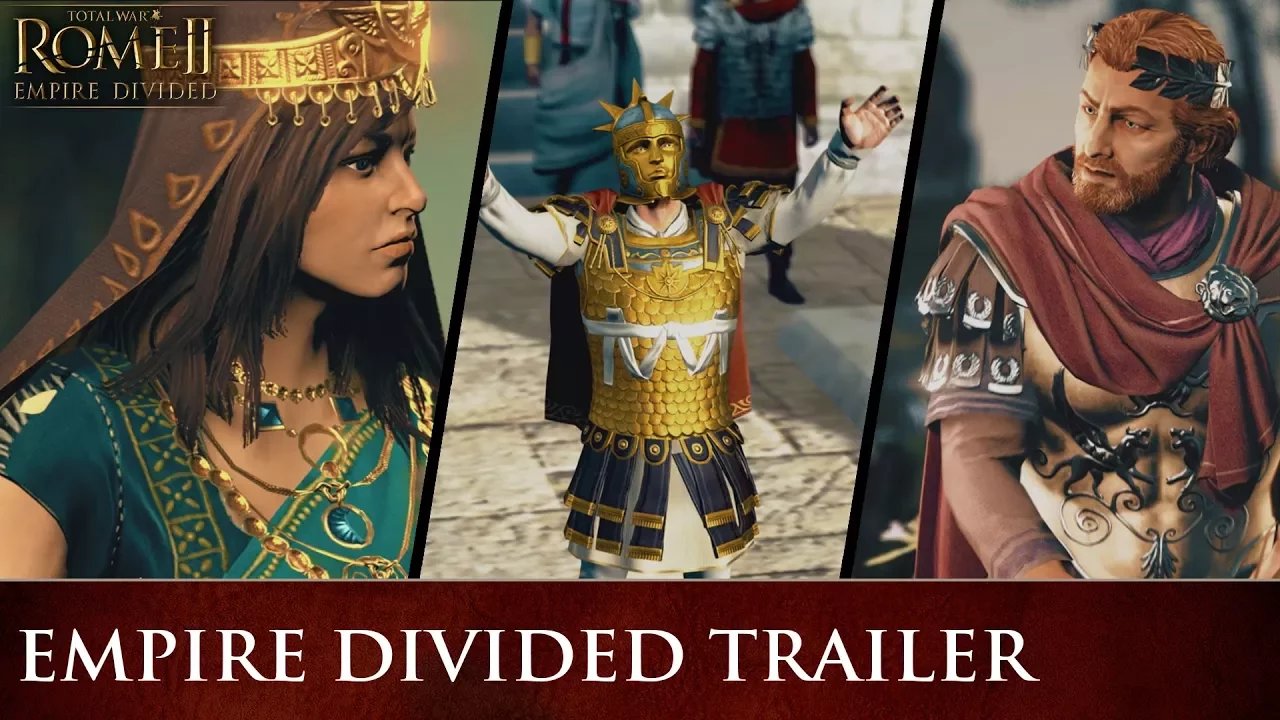
Introduction: The Next Chapter for Total War: Rome II
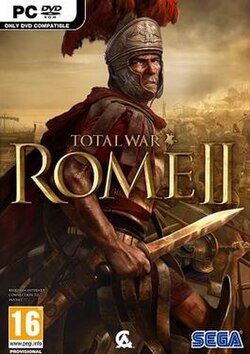
Total War: Rome II, a monumental undertaking from Creative Assembly and published by Sega, arrived on the scene in 2013 as the spiritual successor to the beloved Rome: Total War. More than just an update, it represented a bold step forward, aiming to refine and expand upon the established formula while tackling ambitious new features. The game promised a sprawling campaign map encompassing Europe, North Africa, and the Near East, allowing players to lead iconic factions like Rome, Carthage, and Egypt through three centuries of conflict. However, its initial release was marred by technical issues that sparked considerable debate within the Total War community. This deep-dive will explore the game’s strengths, weaknesses, and lasting impact on the strategy genre.
Visual Direction and Graphics Engineering
Total War: Rome II presented a significant visual upgrade compared to its predecessor. The Warscape engine was pushed to its limits, rendering vast battlefields teeming with thousands of soldiers. While not groundbreaking by modern standards, the game featured detailed unit models, impressive siege animations, and dynamic weather effects that added depth to the battles. However, performance issues were a common complaint, particularly on lower-end systems. The sheer scale of the battles often resulted in noticeable frame rate drops, detracting from the overall experience. Creative Assembly attempted to address these concerns with subsequent patches and optimizations, but the game’s demanding nature remained a persistent challenge for many players.
Gameplay Mechanics and Core Systems
The core gameplay loop of Total War: Rome II remains faithful to its predecessors: strategic empire management on a grand campaign map intertwined with real-time tactical battles. Players manage their provinces, construct buildings, recruit armies, conduct diplomacy, and engage in warfare. The game introduced several new features, including more complex naval combat and enhanced city development options. However, the AI’s behavior was often criticized for being unpredictable and sometimes illogical, leading to frustrating gameplay experiences. The learning curve could also be steep for newcomers unfamiliar with the Total War series.
Level Design and World Atmosphere
The game’s campaign map is a sprawling representation of the ancient world, meticulously crafted to reflect the historical geography and political landscape. While not as detailed as some modern open-world games, the environment effectively conveys the atmosphere of the era. The battlefields themselves are varied, ranging from arid deserts to lush Mediterranean landscapes. However, the level design within battles could sometimes feel repetitive, with limited opportunities for tactical maneuvering.
Narrative Depth and Character Profiles
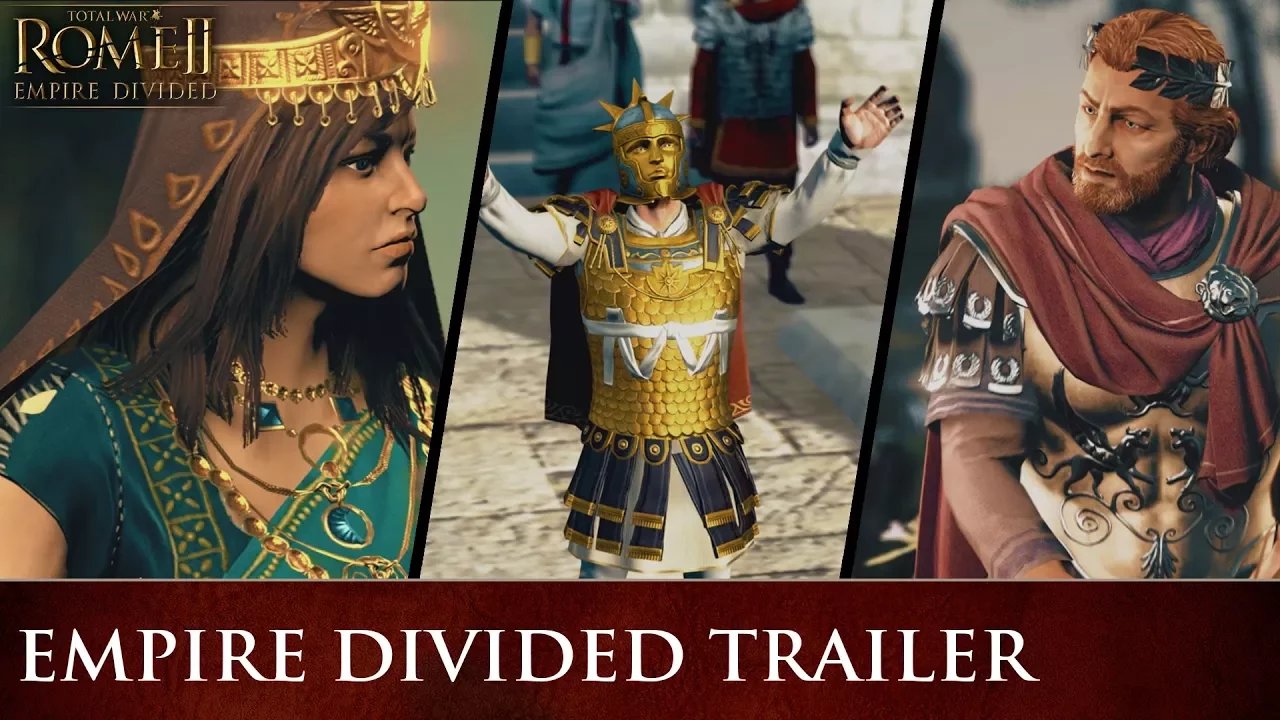
While Total War: Rome II doesn’s feature a traditional narrative campaign in the style of a role-playing game, it does offer glimpses into the lives of historical figures and events. The game provides context for the conflicts that erupt across the map, allowing players to understand the motivations behind the actions of various factions. However, the character profiles are relatively shallow, lacking the depth and complexity found in more narrative-driven games.
Sound Design and Acoustic Realism
The sound design in Total War: Rome II is a crucial element in creating an immersive experience. The clash of swords, the roar of elephants, and the cries of soldiers all contribute to the intensity of battle. The game’s soundtrack, composed by Richard Beddow, effectively captures the epic scale of the conflicts depicted on screen. However, some players found the constant barrage of sound effects to be overwhelming at times.
Release Expectations and Community Hype
The release of Total War: Rome II was met with a mixture of excitement and apprehension within the Total War community. The game promised to deliver a grand strategy experience unlike any other, but concerns about its technical performance lingered in the background. Despite these anxieties, the game proved to be a commercial success, surpassing all previous entries in the series. The Emperor Edition, released in 2014, addressed many of the initial criticisms and further enhanced the gameplay experience.
Conclusion: The Future of Total War: Rome II
Total War: Rome II remains a significant entry in the Total War franchise. While its launch was marred by technical issues, the game’s ambition and scope are undeniable. It represents a bold attempt to push the boundaries of the grand strategy genre, offering players a vast and engaging experience. The Emperor Edition solidified its place as a must-play for fans of historical wargaming, and its legacy continues to influence the development of future Total War titles.
Source: Wikipedia


