

About this game
Visual Splendor: Pushing the Limits of Unreal Engine 5
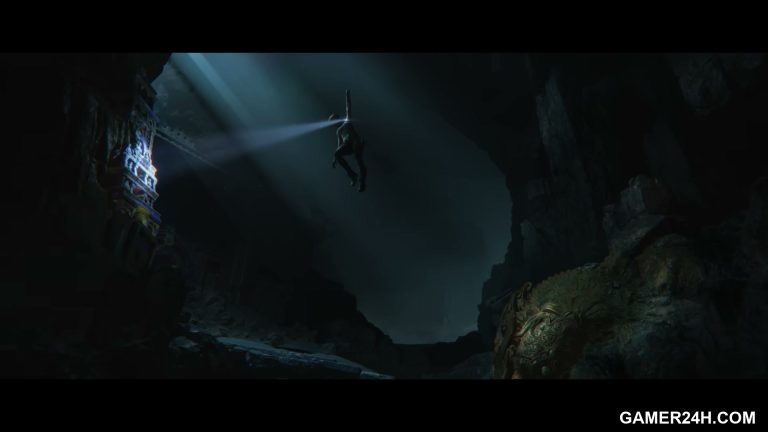
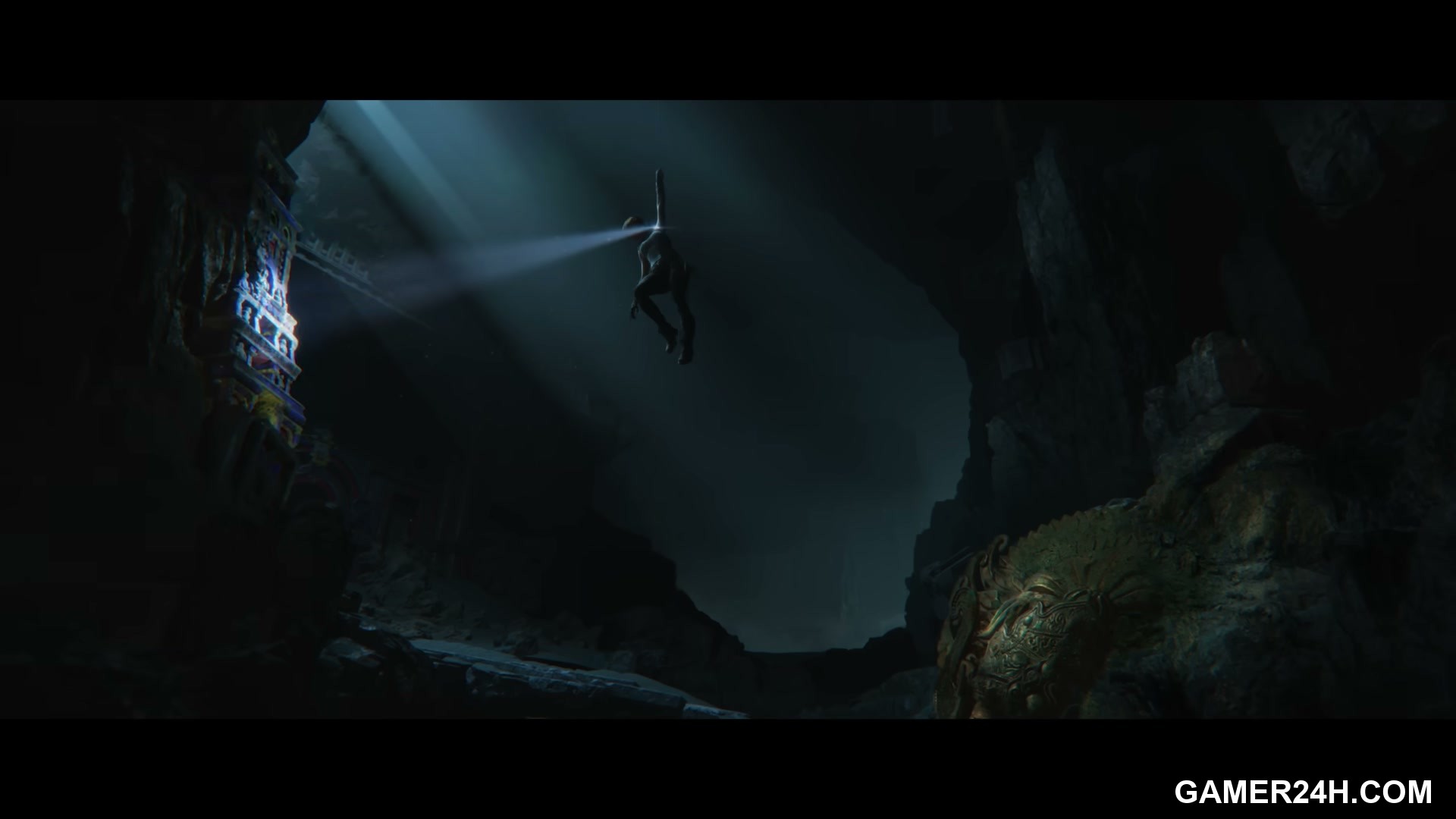
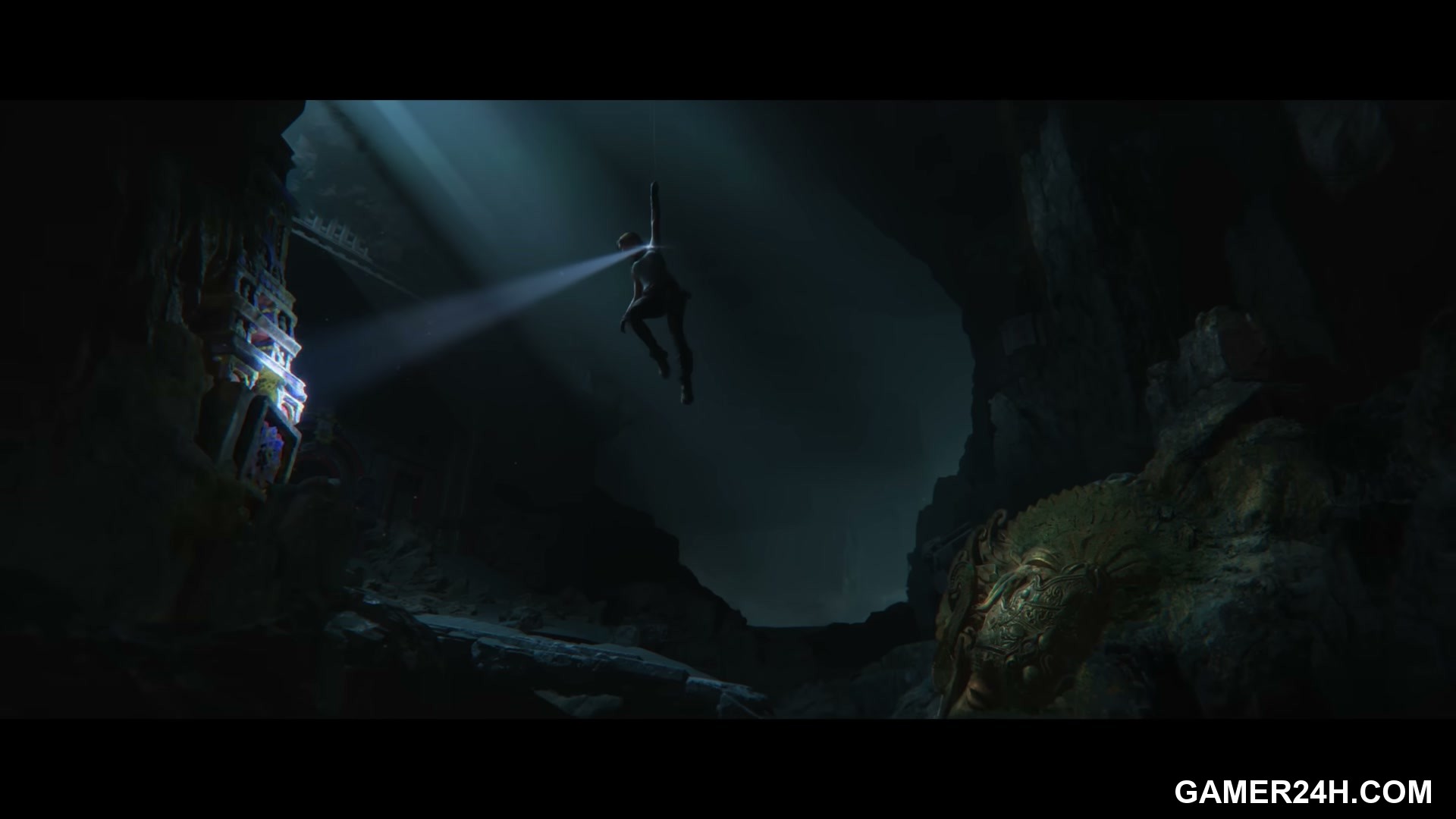
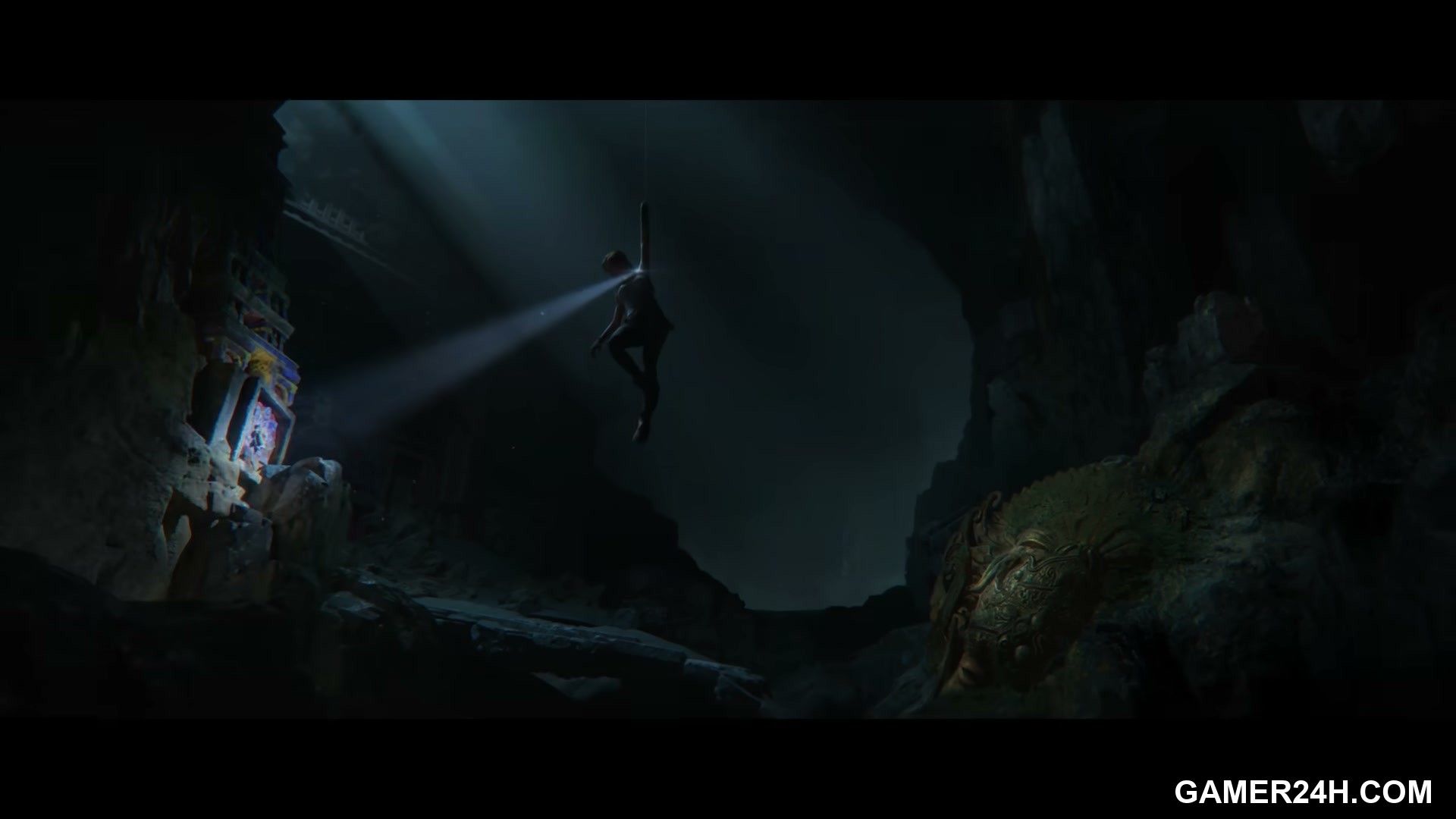
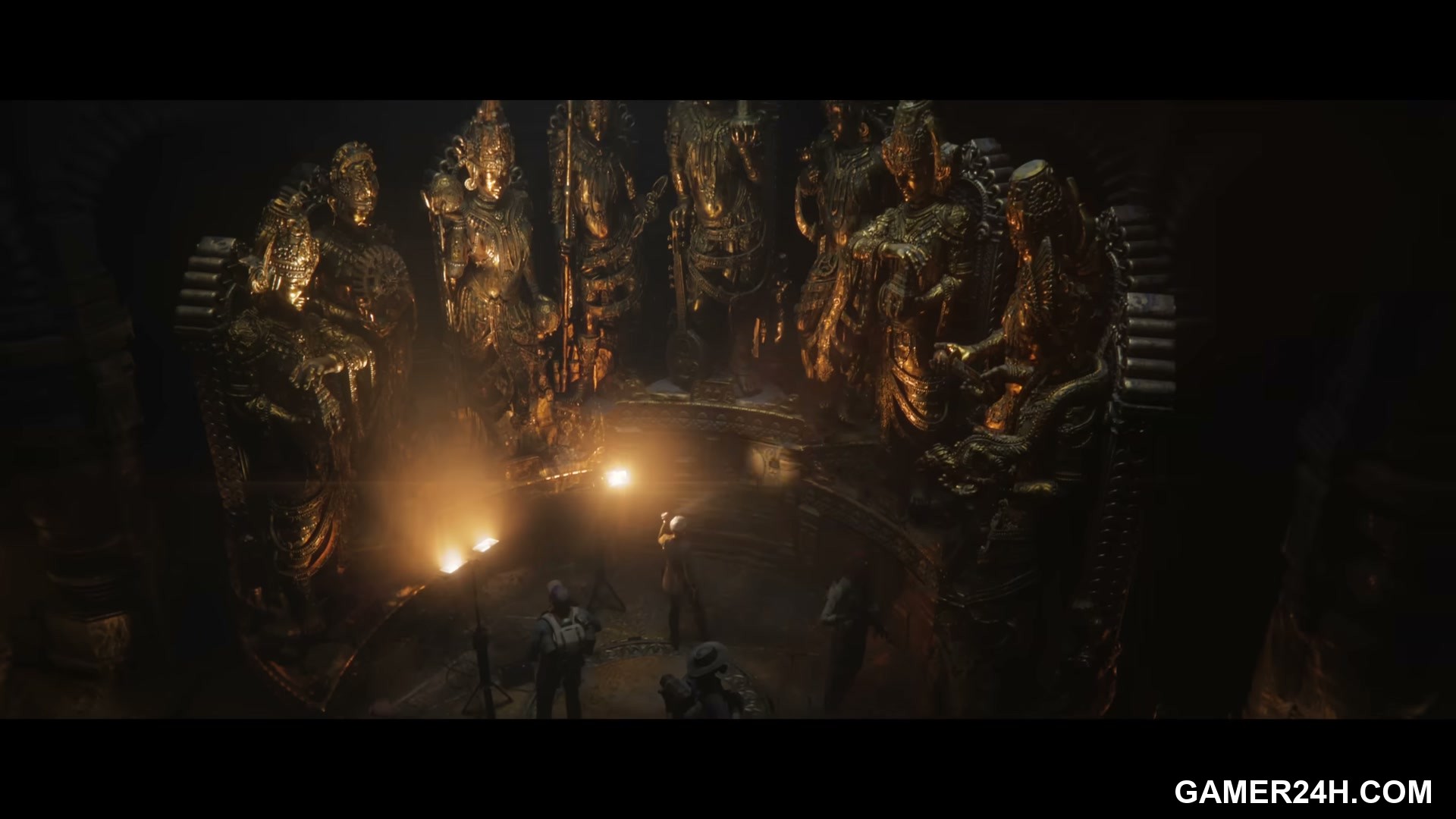
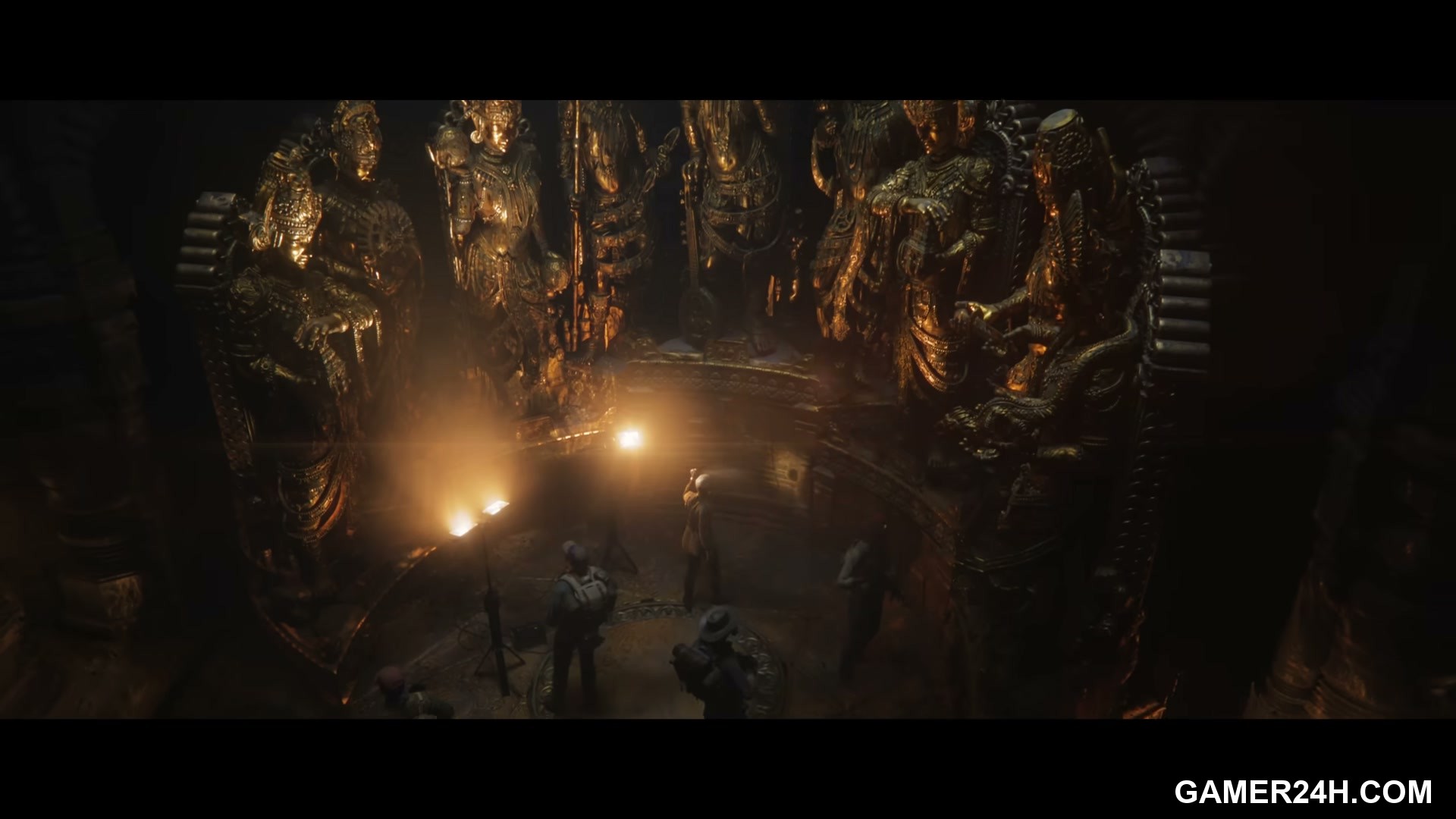
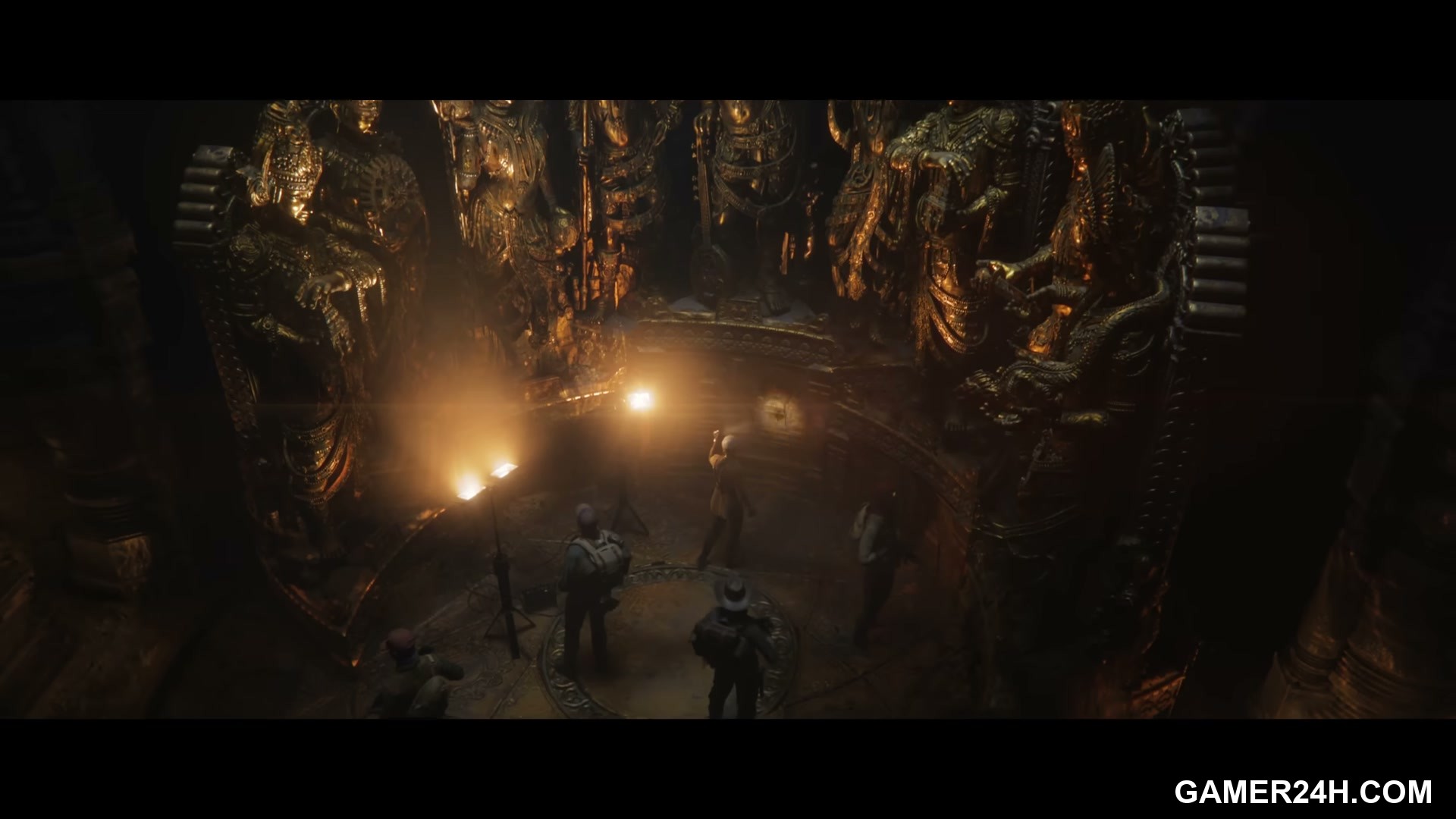
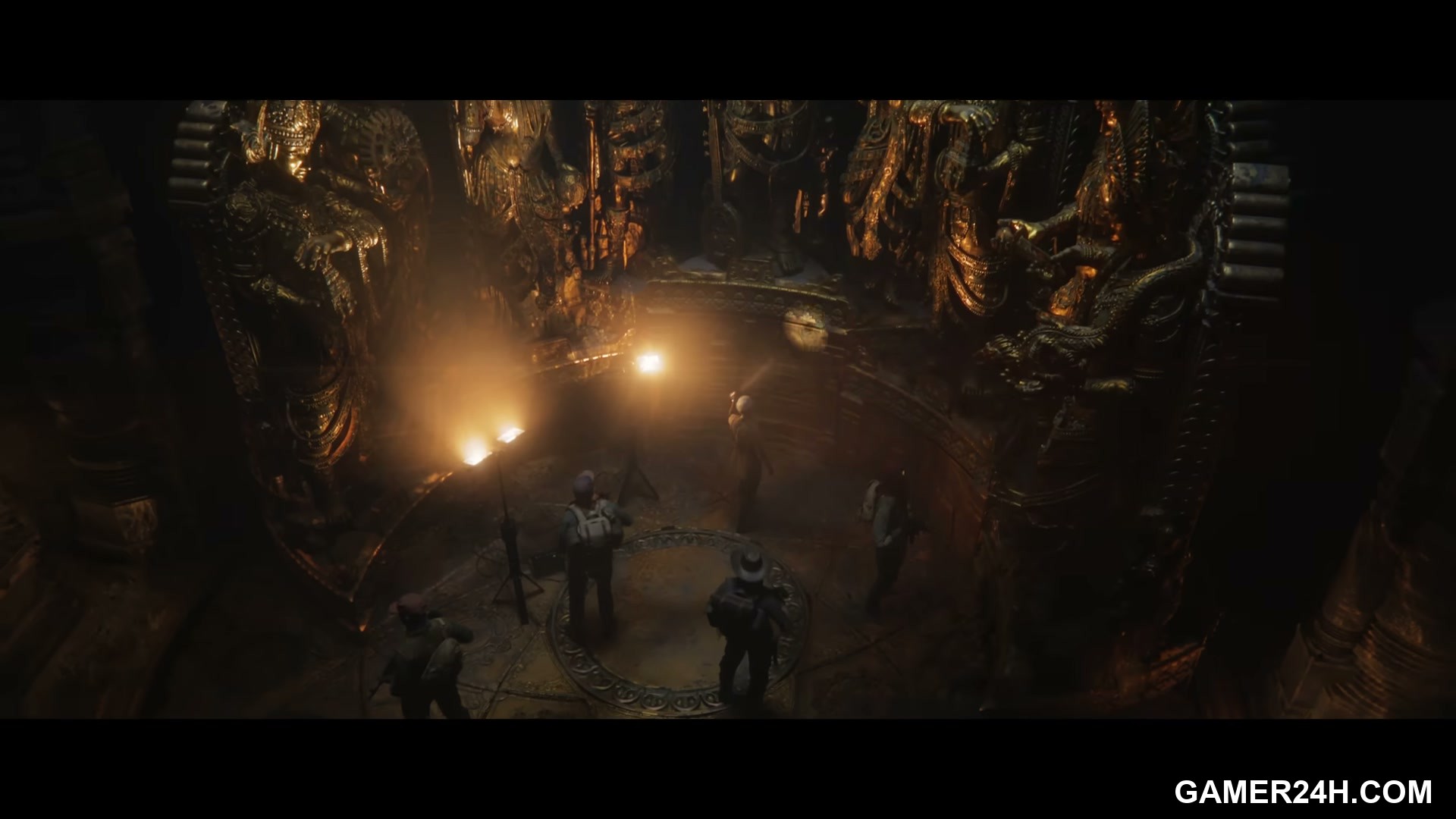
Tomb Raider: Catalyst marks a significant milestone in the evolution of gaming visuals, thanks to its innovative use of Unreal Engine 5. The game’s developers at Crystal Dynamics have meticulously crafted an immersive world that is not only visually stunning but also deeply engaging from a technical standpoint. Leveraging features such as Nanite and Lumen, UE5 allows for unprecedented levels of detail in both environments and characters.
From the moment players step into the shoes of Lucia, they are greeted by a breathtaking array of landscapes and architectural marvels inspired by real-world locations around the globe. The game’s attention to texture quality, lighting dynamics, and environmental storytelling sets it apart from its predecessors. Each location is meticulously designed with interactive elements that respond realistically to player actions, creating an unparalleled sense of immersion.
The use of Nanite technology ensures that every detail, no matter how small, is rendered in exquisite clarity without compromising performance. This includes intricate patterns on ancient artifacts, the sheen of water reflecting sunlight through lush foliage, and the dynamic interplay between light sources and shadows within confined spaces. Lumen further enhances this experience by providing real-time global illumination and soft shadows that adapt to changes in environment or player movement.
Moreover, Crystal Dynamics has pushed the boundaries of character modeling with ultra-realistic textures and animations that bring Lucia’s world to life. The facial expressions, body language, and interactions between NPCs are fluid and nuanced, adding layers of depth to the narrative and enhancing emotional engagement throughout the adventure.
In summary, Tomb Raider: Catalyst is not just a game; it is an artistic triumph in digital storytelling, powered by Unreal Engine 5’s cutting-edge capabilities. This technical masterpiece serves as a testament to Crystal Dynamics’ commitment to delivering visually breathtaking experiences that redefine what is possible within modern gaming.
Combat & Systems: Tactical Espionage and Combat Dynamics
Tomb Raider: Catalyst introduces an innovative combat system that emphasizes stealth, strategy, and adaptability over brute force. This shift from traditional action-adventure gameplay to a more espionage-focused approach presents players with complex decision-making scenarios where every choice can have significant repercussions.
At the heart of this tactical framework is Lucia’s ability to seamlessly integrate into different environments using disguises, distractions, and intelligent use of technology. Players are provided with an array of gadgets such as high-tech sensors for detecting enemy movements, biometric masks to mimic NPC appearances, and silent takedowns that can be executed without alerting nearby guards.
One of the standout features is the game’s cover system which allows Lucia to move fluidly between points of cover while maintaining situational awareness. The inclusion of a customizable gadget wheel enables players to equip their preferred tools based on mission objectives or personal playstyle preferences, adding a layer of strategic depth that encourages experimentation and adaptability.
Combat scenarios in Catalyst are unpredictable and require quick thinking under pressure. Enemies often deploy reinforcements and employ advanced security measures like thermal cameras and automated drones, necessitating dynamic adjustments to one’s approach. Players must balance the risk-reward trade-off between aggressive confrontations and stealthy infiltration tactics depending on their objectives and available resources at any given moment.
Furthermore, the game incorporates a robust perk system that rewards players for mastering various aspects of espionage such as lockpicking efficiency, gadget usage proficiency, and non-lethal takedown precision. These upgrades contribute to an evolving gameplay experience where each playthrough offers new challenges and opportunities based on player progression and decision-making.
Ultimately, Tomb Raider: Catalyst’s combat mechanics deliver a fresh perspective on action-adventure gaming by prioritizing stealth over direct confrontation while still providing engaging and challenging encounters that cater to both casual explorers and hardcore tactical enthusiasts alike. This unique blend of espionage elements sets the stage for an exhilarating journey through a world where every shadow conceals potential danger, and each choice could mean life or death.
Gameplay & Atmosphere Analysis: Portals and Tension
The gameplay mechanics in Tomb Raider: Catalyst are intricately woven into its atmospheric design, creating a seamless fusion that enhances the player’s immersion. Central to this experience is the innovative use of portals—gateways between different dimensions or time periods—that serve as both narrative devices and interactive puzzles.
These portals open up new areas for exploration, presenting players with challenges such as environmental hazards, complex navigation through altered gravity fields, and encounters with unique creatures native to these alternate realms. The ability to manipulate these portals adds a layer of strategy and problem-solving to the game’s core mechanics, requiring players to think creatively about how they navigate each level.
The atmospheric tension in Catalyst is meticulously crafted through various gameplay elements. One key aspect is the constant sense of danger lurking just beyond sight or hearing range. Whether it’s stealthily avoiding patrolling guards or carefully positioning oneself to avoid detection by high-tech surveillance systems, players are constantly aware of their surroundings and must maintain a heightened state of vigilance.
Moreover, the game’s sound design plays a crucial role in building this tension. Ambient noises like distant footsteps, ringing alarms, or whispering voices add layers of auditory cues that signal potential threats or opportunities for exploration. The interplay between visual and audio elements creates a rich sensory experience that heightens emotional engagement and anticipation throughout the adventure.
Furthermore, Catalyst employs dynamic weather systems to influence gameplay scenarios and environmental challenges. For instance, sudden rainstorms can obscure vision, making it harder to spot approaching enemies or navigate treacherous terrain. These atmospheric conditions not only add realism but also introduce new layers of complexity to problem-solving tasks within the game world.
In essence, Tomb Raider: Catalyst’s blend of innovative gameplay mechanics with meticulously crafted atmospheres results in an experience that immerses players deeply into its narrative and challenges them both mentally and emotionally. The use of portals as a core mechanic serves not only as a plot device but also enhances exploration, puzzle-solving, and overall engagement by providing fresh contexts for interaction within the game’s intricate universe.
Narrative & Characters: The Architects’ Mystery and Lucia’s Mission
The narrative at the heart of Tomb Raider: Catalyst is richly layered with intrigue and mystery, focusing on a covert organization known as “The Architects.” This shadowy group operates in the shadows, manipulating global events through their access to advanced technology and knowledge. Their ultimate goal remains shrouded in secrecy but it is clear they are orchestrating a grand scheme that could alter the course of history.
At the center of this narrative is Lucia, a skilled operative who has been tasked with infiltrating The Architects’ network to uncover their plans. Her background as an expert in espionage and technology makes her uniquely suited for this mission, yet it also leaves her vulnerable to betrayal from within the ranks she must navigate. As players progress through the game, they unravel secrets about Lucia’s past and motivations, gradually piecing together a more comprehensive understanding of both her personal journey and the broader conflict unfolding around her.
Key characters in the narrative include Lucia’s mentor and former handler, Dr. Elena Mendoza, whose relationship with Lucia is complex and fraught with tension. Other significant figures are Viktor Ivanov, a rival operative who initially appears to be an ally but harbors his own agenda, and Maria Rios, a fellow agent with conflicting loyalties that add depth to the narrative’s moral dilemmas.
The story itself unfolds through a series of interconnected missions that span various locations across the globe. Each mission not only advances the overarching plot but also provides insights into The Architects’ operations via cutscenes, dialogue snippets, and interactive documents found throughout the environment. These elements collectively paint a vivid picture of a world where power dynamics shift rapidly, forcing Lucia to continually adapt her strategies and alliances.
Moreover, Catalyst employs multiple narrative threads that intertwine and diverge based on player choices. This branching structure allows for diverse storytelling outcomes depending on how players engage with key decisions during their journey. The game’s non-linear progression further enhances this element by offering various routes through its complex mission network, each revealing different aspects of the overarching mystery.
In summary, Tomb Raider: Catalyst presents a compelling narrative that balances intricate plot developments with character-driven emotional arcs. Through Lucia’s eyes, players explore themes of trust, betrayal, and personal sacrifice as she navigates a web of deception to uncover The Architects’ true intentions. This multifaceted approach to storytelling ensures an engaging experience for fans of both action-adventure gameplay and complex narratives.
Acoustic Preservation / Audio Design: Sounds of Silence and Combat
Tomb Raider: Catalyst’s audio design is as crucial to its immersive gameplay experience as the visual fidelity provided by Unreal Engine 5. The game’s soundscapes are meticulously crafted to enhance emotional engagement and situational awareness, with particular emphasis on balancing silence and combat sounds.
Silence in Catalyst serves not only as a break from noise but also as an instrument for building tension. In stealth missions, players must navigate environments filled with the quiet hum of distant machinery, rustling leaves, or subtle footfalls that might indicate approaching danger. These ambient sounds are used strategically to create a sense of anticipation and urgency, requiring players to remain vigilant even when immediate threats are absent.
When combat does break out, Catalyst’s audio design shifts dramatically to reflect the intensity and chaos of confrontations. Explosive sound effects accompany gunfire, melee strikes, and gadget usage, providing auditory feedback that complements visual cues for an immersive sensory experience. The game also features dynamic voice acting from its cast, where enemies react differently based on their awareness levels or interactions with Lucia.
Moreover, the use of binaural audio technology adds a spatial dimension to sound effects in Catalyst, making it feel as though players are truly present within each environment. This level of detail is crucial for enhancing player immersion and providing clear auditory indicators of approaching threats or opportunities for stealthy maneuvers.
Additionally, the game incorporates subtle changes in music and soundtracks that adapt according to Lucia’s actions and surroundings. For instance, serene melodies might give way to tense orchestral scores during moments of high tension or impending conflict, further reinforcing the emotional impact of key narrative beats.
In summary, Tomb Raider: Catalyst’s audio design is a masterclass in balancing silence with auditory chaos, contributing significantly to its overall immersive quality. By leveraging advanced sound technologies and strategic use of ambient noise, the game creates an engaging sensory experience that complements its visual splendor and gameplay mechanics perfectly.
Critical Reception: Expectations and First Impressions
As Tomb Raider: Catalyst approaches release, anticipation among gaming enthusiasts is palpable. The combination of Crystal Dynamics’ storied legacy in action-adventure titles with the innovative features introduced by Unreal Engine 5 has set high expectations for both gameplay and narrative depth.
Initial reviews from early access previews have highlighted several strengths that are likely to resonate with fans and newcomers alike. Critics praise the game’s visual fidelity, noting how detailed textures and dynamic lighting contribute significantly to an immersive environment. Additionally, the seamless integration of portal technology into core mechanics has been lauded for its originality and impact on gameplay dynamics.
Furthermore, the narrative framework centered around Lucia’s mission against The Architects has garnered favorable responses due to its intricate plot development and character depth. Reviewers appreciate how the branching storyline allows players to influence key decisions that shape the narrative trajectory, adding layers of replayability and engagement.
On the technical front, early feedback points out some minor issues related to performance optimization in certain scenarios but overall consensus is positive regarding stability and user interface design. The game’s combat system, emphasizing stealth over direct confrontation, has also received acclaim for introducing fresh challenges that cater to strategic players while maintaining accessibility for newcomers.
Looking ahead, Tomb Raider: Catalyst appears poised to deliver a compelling blend of innovation and tradition within the action-adventure genre. As more players experience its intricate storylines, engaging gameplay mechanics, and immersive audiovisual elements firsthand upon release, it is anticipated that these initial positive impressions will solidify its position as a standout entry in Crystal Dynamics’ prestigious Tomb Raider series.
Conclusion: The Vanguard of Next-Gen Action
Tomb Raider: Catalyst stands at the forefront of next-generation action-adventure gaming with its innovative use of Unreal Engine 5, sophisticated combat mechanics emphasizing stealth and strategy, and a captivating narrative that explores themes of trust and betrayal. Through meticulous attention to visual detail, atmospheric tension, and nuanced character development, Crystal Dynamics has crafted an experience that not only honors the legacy of the Tomb Raider series but also pushes boundaries in terms of gameplay innovation.
The game’s seamless integration of portal technology into both story and mechanics sets it apart from its predecessors, offering players a fresh perspective on exploration and puzzle-solving. Coupled with an immersive audio design that leverages binaural sound technologies for heightened realism, Catalyst delivers an unparalleled sensory experience that complements its visual splendor perfectly.
Moreover, the narrative’s intricate web of moral dilemmas and shifting alliances keeps players invested in Lucia’s journey as she navigates treacherous waters to uncover The Architects’ secrets. This blend of compelling storytelling with deep gameplay mechanics positions Tomb Raider: Catalyst not just as a continuation but also an evolution of what fans have come to expect from the series.
As Crystal Dynamics continues to refine and optimize the game ahead of its release, there is no doubt that Tomb Raider: Catalyst will set new standards for action-adventure gaming in the next generation. It promises to be a landmark title that showcases the potential of Unreal Engine 5 while delivering an engaging, immersive experience that resonates with both longtime fans and newcomers alike.
.single-share-action-btn:hover { transform: translateY(-2px); box-shadow: 0 6px 20px rgba(37, 99, 235, 0.4) !important; background: linear-gradient(135deg, #0369a1 0%, #1d4ed8 50%, #4338ca 100%) !important; } .single-share-action-btn:active { transform: translateY(0); box-shadow: 0 2px 8px rgba(37, 99, 235, 0.2) !important; } .share-section, .entry-share, .post-share-bar { display: none !important; }Gallery




No comments