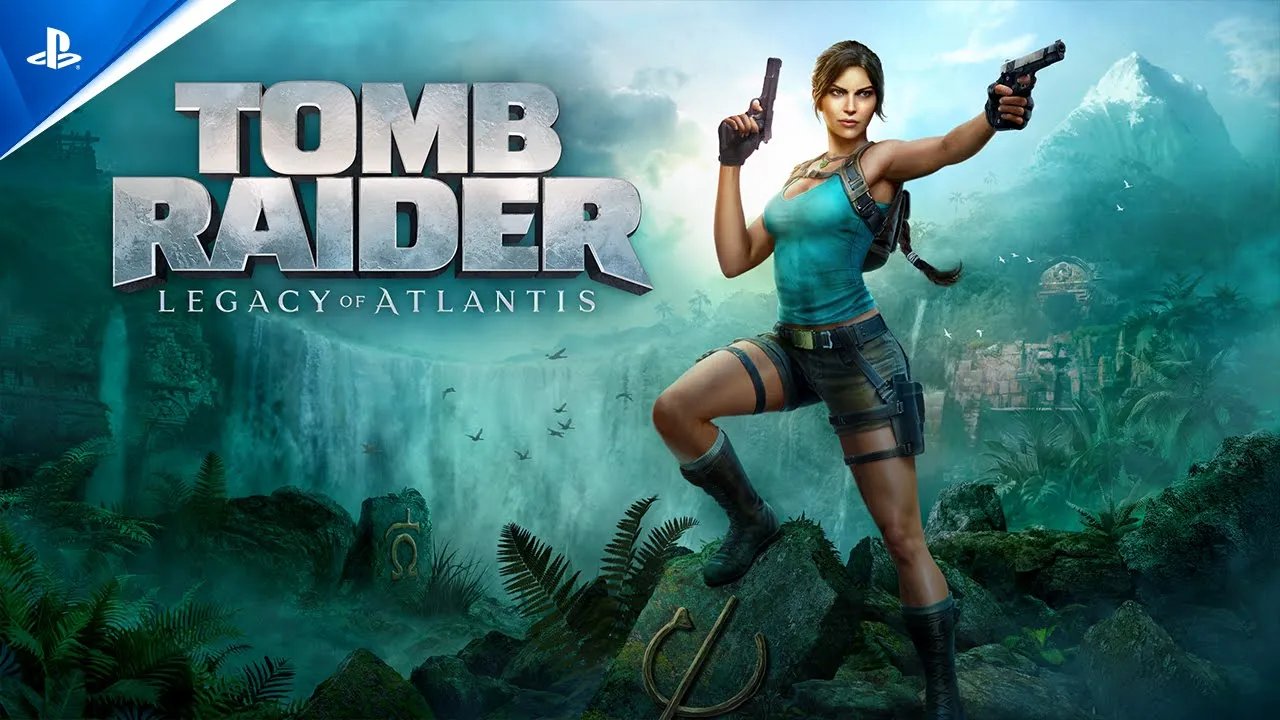
Introduction: The Next Chapter for Tomb Raider
The Tomb Raider franchise, a cornerstone of action-adventure gaming since its inception in 1996, stands poised on the precipice of another evolution. From Core Design’s initial foray into interactive archaeology to the current iteration under Crystal Dynamics and now Aspyr (with Amazon Games slated to take over), the series has consistently reinvented itself while retaining the core elements that define Lara Croft’s enduring appeal: exploration, puzzle-solving, and thrilling combat. This deep dive will dissect the technical prowess, artistic vision, and narrative ambitions driving the latest chapter in Tomb Raider’s legacy.
Visual Direction and Graphics Engineering
The visual fidelity of modern Tomb Raider games is a testament to advancements in graphics engineering. Utilizing proprietary next-gen engines (details often kept under wraps by developers), the series has consistently pushed boundaries in environmental detail, character modeling, and lighting effects. showcases the breathtaking vistas and intricate details that define the game’s environments. The use of physically based rendering (PBR) ensures realistic material properties, while advanced animation techniques bring Lara Croft to life with nuanced expressions and fluid movements. Optimization for a wide range of hardware is crucial, balancing visual quality with performance across different platforms.
Gameplay Mechanics and Core Systems
At its heart, Tomb Raider remains an exploration-driven experience. The core gameplay loop revolves around navigating treacherous environments, solving intricate puzzles, and engaging in intense combat encounters. The proprietary engine allows for a high degree of interactivity within the game world, enabling players to manipulate objects, climb challenging surfaces, and discover hidden secrets. highlights Lara’s acrobatic abilities and the dynamic gameplay possibilities. Combat is often strategic, requiring players to utilize cover, exploit enemy weaknesses, and master a variety of weapons and gadgets.
Level Design and World Atmosphere
The artistry of level design plays a critical role in shaping the immersive atmosphere of Tomb Raider games. Environments are meticulously crafted to evoke a sense of wonder, danger, and mystery. From ancient ruins to lush jungles, each location tells a story through its architecture, flora, and fauna. The game world is often interconnected, encouraging exploration and rewarding players who venture off the beaten path. Sound design further enhances the atmosphere, with ambient sounds, music cues, and voice acting that bring the environments to life.
Narrative Depth and Character Profiles
While gameplay remains paramount, the narrative depth of modern Tomb Raider games has significantly evolved. The stories often explore Lara Croft’s origins, her motivations, and her relationships with other characters. The writing aims to create a compelling and emotionally resonant experience, delving into themes of survival, loss, and self-discovery. Character profiles are fleshed out through dialogue, cutscenes, and environmental storytelling, allowing players to connect with the characters on a deeper level.
Sound Design and Acoustic Realism
The sound design in Tomb Raider games is crucial for creating an immersive and believable experience. Acoustic realism plays a key role, with carefully crafted ambient sounds that reflect the environment’s unique characteristics. Music cues are strategically used to heighten tension, evoke emotion, and underscore important moments in the story. Voice acting brings the characters to life, conveying their personalities and motivations through nuanced performances.
Release Expectations and Community Hype
The release of a new Tomb Raider game is always a highly anticipated event within the gaming community. Marketing campaigns generate significant hype, showcasing gameplay footage, character reveals, and behind-the-scenes glimpses into the development process. Pre-order bonuses and special editions further incentivize early adoption. The success of a new installment hinges on meeting or exceeding player expectations in terms of graphics, gameplay, narrative, and overall polish.
Conclusion: The Future of Tomb Raider
The Tomb Raider franchise has demonstrated remarkable resilience and adaptability over its long history. By embracing technological advancements, refining core gameplay mechanics, and deepening the narrative depth, the series continues to captivate players worldwide. With Aspyr’s involvement and Amazon Games’ acquisition on the horizon, the future of Tomb Raider promises exciting new directions and innovations that will undoubtedly shape the next chapter in Lara Croft’s enduring legacy.
Source: Wikipedia


