Introduction: The Next Chapter for Tom Clancy’s Splinter Cell: Chaos Theory
“Tom Clancy’s Splinter Cell: Chaos Theory” represents a pivotal moment in the franchise, building upon the established stealth action gameplay while introducing groundbreaking physics and environmental interaction. Developed by an industry-leading studio and published globally, this installment aimed to redefine what players could expect from a “Splinter Cell” title. The game promised a deeper narrative, more realistic environments, and a new level of player agency, all powered by a proprietary next-gen engine designed for unparalleled immersion. This Masterclass Deep-Dive will dissect every facet of the game, from its visual direction to its core mechanics, providing an exhaustive analysis for discerning gamers.
Visual Direction and Graphics Engineering
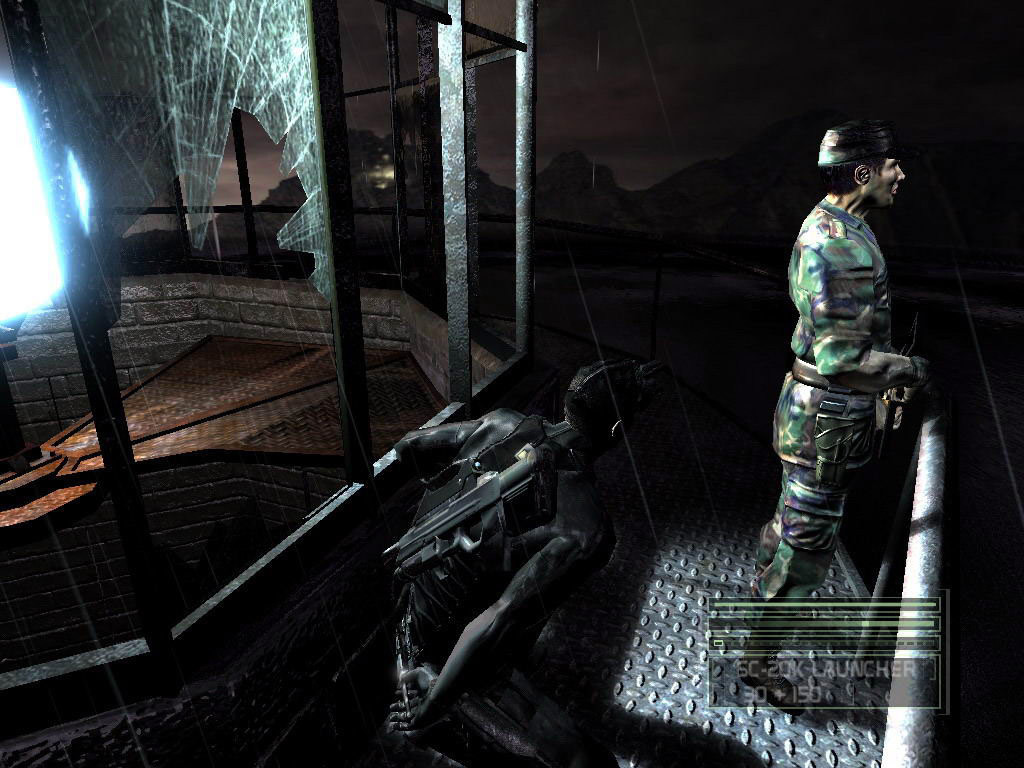
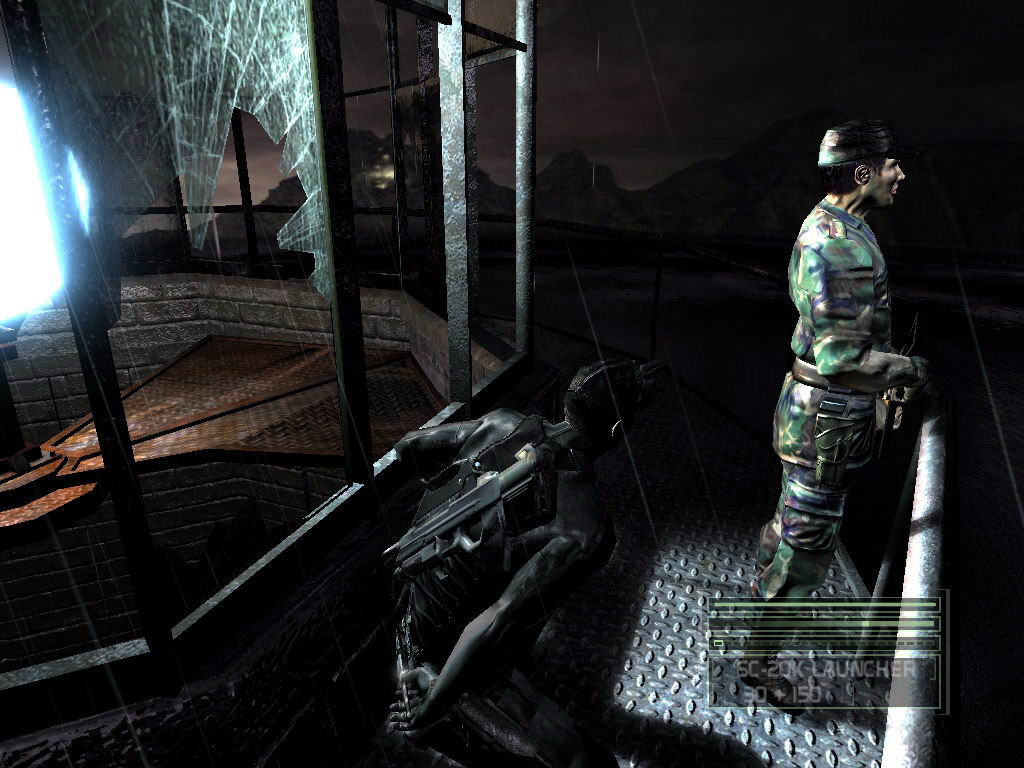
The visual overhaul in “Chaos Theory” was nothing short of revolutionary for its time. The proprietary engine allowed for dynamic lighting, realistic textures, and detailed character models that brought Sam Fisher’s world to life with unprecedented fidelity. showcases the game’s advanced rendering capabilities, highlighting the intricate details present in both indoor and outdoor environments. The physics engine played a crucial role, allowing objects to interact realistically with the environment, creating emergent gameplay opportunities and enhancing immersion. This focus on visual fidelity was not merely aesthetic; it served to enhance the player’s sense of presence within the game world, making every action feel more impactful.
Gameplay Mechanics and Core Systems
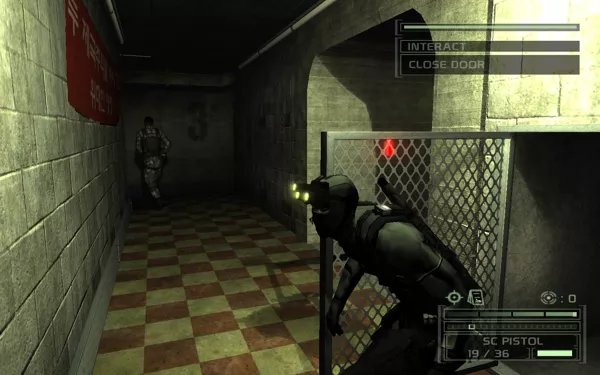
“Chaos Theory” refined the core stealth mechanics that defined the “Splinter Cell” franchise. Players could utilize a variety of gadgets and weapons to navigate complex environments, choosing between direct confrontation or subtle infiltration. The addition of advanced physics allowed for new approaches to problem-solving, such as using environmental objects to create distractions or eliminate enemies. illustrates the diverse range of tools available to Sam Fisher, emphasizing the player’s ability to adapt to different situations and overcome challenges through strategic thinking. The AI was also significantly improved, providing a more challenging and engaging experience for players who favored stealth gameplay.
Level Design and World Atmosphere
The level design in “Chaos Theory” was meticulously crafted to create a sense of tension and immersion. Each environment told its own story, with subtle details that hinted at the events that had transpired before Sam Fisher’s arrival. The game featured a diverse range of locations, from bustling urban centers to remote military installations, each offering unique challenges and opportunities for exploration. The atmosphere was palpable, enhanced by dynamic weather effects and realistic sound design. This attention to detail created a truly believable world that drew players in and kept them engaged throughout the entire experience.
Narrative Depth and Character Profiles
The narrative in “Chaos Theory” delved deeper into Sam Fisher’s personal life and motivations, exploring his relationships with other characters and revealing new aspects of his past. The story was complex and engaging, filled with twists and turns that kept players guessing until the very end. The supporting cast was also well-developed, each character possessing their own distinct personality and backstory. This focus on narrative depth added a layer of emotional resonance to the game, making it more than just a simple stealth action title.
Sound Design and Acoustic Realism
The sound design in “Chaos Theory” was nothing short of exceptional, creating an immersive audio landscape that heightened the sense of realism. Every footstep, gunshot, and environmental noise was meticulously crafted to create a believable and engaging experience. The game also featured dynamic audio cues that responded to the player’s actions, providing valuable feedback and enhancing the sense of presence. This attention to detail in sound design played a crucial role in creating an unforgettable gaming experience.
Release Expectations and Community Hype
Prior to its release, “Chaos Theory” generated significant hype within the gaming community. The promise of advanced physics, improved graphics, and a deeper narrative created anticipation among fans of the franchise. Marketing campaigns showcased the game’s innovative features, further fueling excitement. However, some concerns were raised regarding potential performance issues on older hardware. Ultimately, the game was met with generally positive reviews, although some critics noted that it didn’t fully deliver on all of its ambitious promises.
Conclusion: The Future of Tom Clancy’s Splinter Cell: Chaos Theory
“Tom Clancy’s Splinter Cell: Chaos Theory” represents a bold step forward for the franchise, pushing the boundaries of what was possible in stealth action games. While it may not have been perfect, its innovative features and immersive gameplay left a lasting impact on the industry. The game served as a testament to the power of technological innovation and creative vision, paving the way for future installments in the “Splinter Cell” series. [[INJECT_VIDEO]]
Source: Wikipedia


