

关于本游戏
Introduction: The Next Chapter for Tom Clancy’s Rainbow Six: Vegas
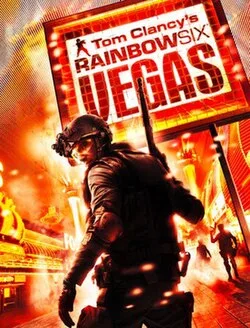
Tom Clancy’s Rainbow Six: Vegas arrived in 2006 as a significant evolution of the tactical shooter franchise. Developed by Ubisoft Montreal, it aimed to modernize the gameplay while retaining the core tenets that made the series so beloved: meticulous planning, realistic combat, and intense pressure. This installment marked a departure from previous entries with its shift towards a more action-oriented experience, appealing to a broader audience without completely abandoning the tactical depth that hardcore fans craved. The game’s setting in Las Vegas provided a vibrant and dynamic backdrop for the unfolding drama, contrasting sharply with the gritty realism of the gameplay.
Visual Direction and Graphics Engineering
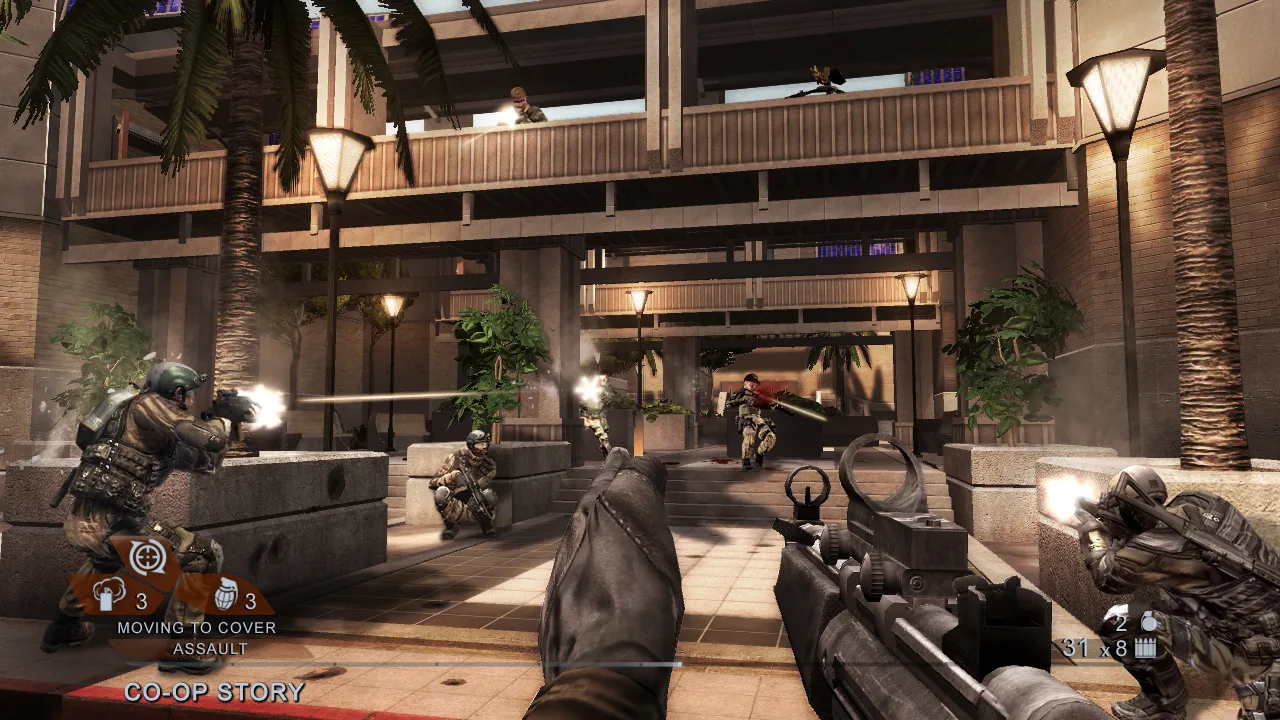
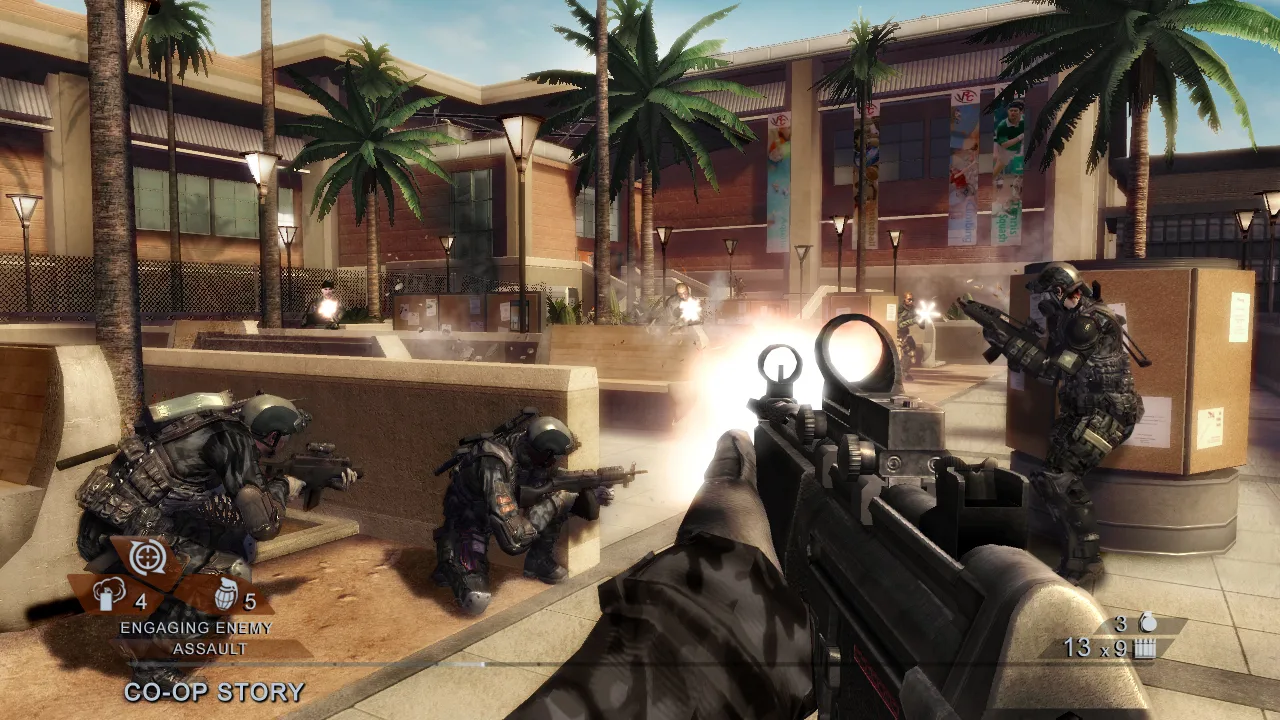
Rainbow Six: Vegas leveraged the power of Unreal Engine 3 to deliver impressive visuals for its time. While not pushing the absolute limits of graphical fidelity, the game showcased detailed character models, realistic weapon designs, and destructible environments that added a layer of immersion. The lighting engine played a crucial role in creating atmosphere, with neon signs illuminating casino interiors and harsh sunlight casting long shadows across the desert landscape. The developers focused on optimizing performance to ensure smooth gameplay even during intense firefights, a testament to their expertise in graphics engineering.
游戏玩法 Mechanics and Core Systems
The core gameplay of Rainbow Six: Vegas revolved around methodical planning and execution. Players could meticulously scout locations, breach doors with specialized tools, and coordinate attacks with their teammates. The introduction of a new health system added an element of risk and reward, as players could regenerate health while not taking fire but were vulnerable to instant kills from grenades or close-range shots. This mechanic forced players to be constantly aware of their surroundings and make split-second decisions under pressure. [[INJECT_VIDEO]]
Level Design and World Atmosphere
The level design in Rainbow Six: Vegas was a masterful blend of realism and gameplay considerations. The environments, ranging from opulent casinos to gritty back alleys, were meticulously crafted to provide players with multiple approaches and tactical options. The game’s atmosphere was further enhanced by the dynamic lighting and sound effects, which created a sense of tension and immersion. Players could utilize destructible cover to their advantage, creating new pathways and flanking opportunities.
Narrative Depth and Character Profiles
While not as heavily emphasized as in some other titles, Rainbow Six: Vegas featured a compelling narrative that drove the gameplay forward. The story followed a new team dispatched to Las Vegas to combat international terrorists led by Irena Morales. While the characters were somewhat archetypal, their interactions and motivations added depth to the overall experience. The game’s focus on tactical realism meant that character development took a backseat to strategic gameplay.
Sound Design and Acoustic Realism
The sound design in Rainbow Six: Vegas was crucial to creating an immersive and believable experience. The sounds of gunfire, explosions, and breaching tools were all meticulously recorded and implemented to create a sense of authenticity. The game’s audio engine also played a vital role in providing players with positional information, allowing them to pinpoint the location of enemies based on the direction of sound.
Release Expectations and Community Hype
Rainbow Six: Vegas generated significant hype leading up to its release, fueled by the franchise’s established reputation for tactical gameplay and realistic combat. The game was eagerly anticipated by both longtime fans and newcomers looking for a challenging and rewarding gaming experience. The shift towards a more action-oriented approach raised some concerns among purists, but ultimately proved successful in attracting a wider audience.
Conclusion: The Future of Tom Clancy’s Rainbow Six: Vegas
Tom Clancy’s Rainbow Six: Vegas represented a bold step forward for the franchise, successfully blending tactical gameplay with accessible action. While it may not have been universally acclaimed, it remains a significant entry in the series and a testament to Ubisoft Montreal’s commitment to innovation. The game’s legacy continues to influence modern tactical shooters, and its impact on the gaming landscape is undeniable.
Source: Wikipedia
画廊


参与讨论