

게임 소개
Introduction: The Next Chapter for Tom Clancy’s Rainbow Six: Vegas
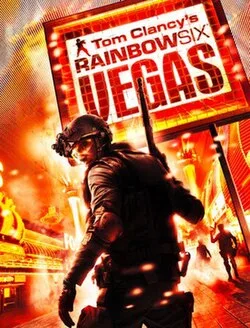
Tom Clancy’s Rainbow Six: Vegas arrived in 2006 as a bold step forward for the tactical shooter franchise. Developed by Ubisoft Montreal, it aimed to modernize the gameplay while retaining the core elements that made the series beloved. This deep dive will explore every facet of the game, from its visual direction and innovative mechanics to its narrative depth and lasting impact on the gaming landscape. Vegas wasn’t just a sequel; it was a reimagining, designed to appeal to both longtime fans and newcomers alike.
Visual Direction and Graphics Engineering
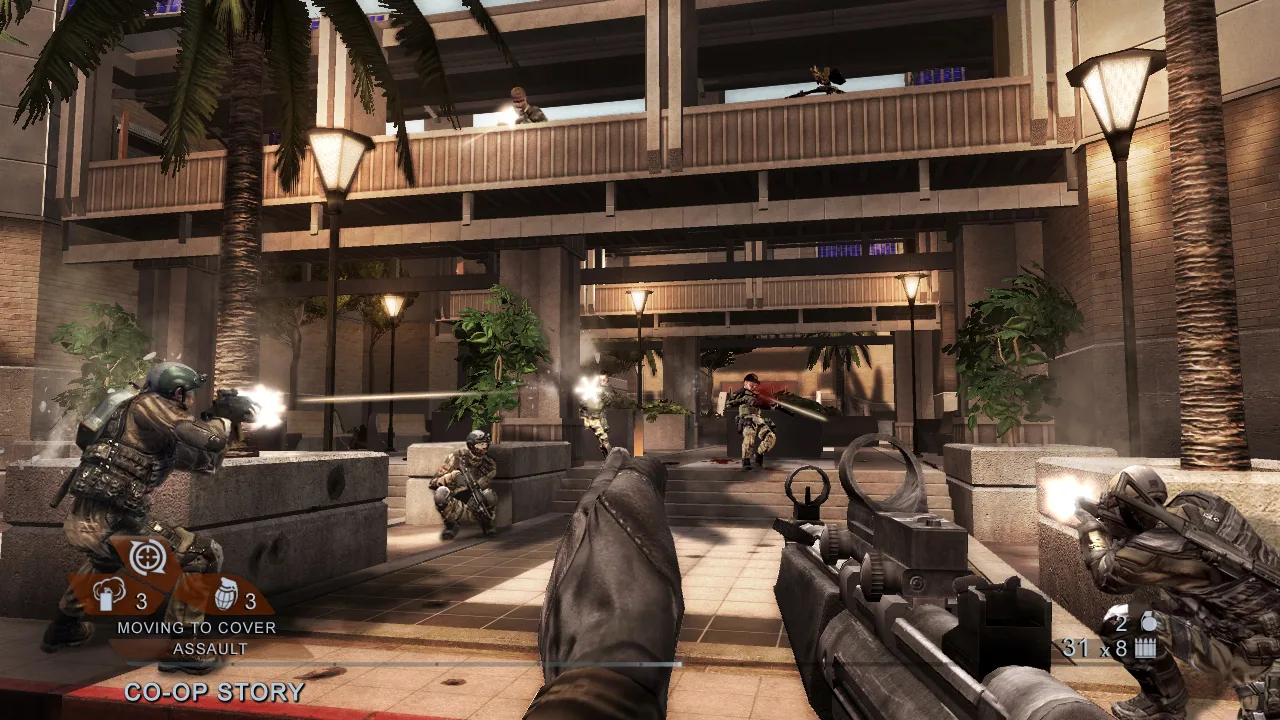
Vegas leveraged the power of Unreal Engine 3 to deliver a visually impressive experience for its time. The game featured detailed character models, realistic weapon designs, and environments that captured the vibrant atmosphere of Las Vegas. While not pushing the absolute limits of graphical fidelity by today’s standards, the visual presentation was impactful, contributing significantly to the immersive gameplay experience. The lighting effects, in particular, played a crucial role in creating tension and highlighting key areas during intense firefights. The developers also implemented advanced particle effects for explosions and muzzle flashes, adding another layer of realism to the combat sequences.
게임플레이 Mechanics and Core Systems
One of the most significant changes introduced in Vegas was the new health system. Unlike previous entries, players no longer had a regenerating health bar that slowly filled up over time. Instead, they could regenerate their health only when not taking fire. This change added a layer of strategic depth to combat, as players needed to carefully manage their positioning and timing to avoid being caught in sustained enemy fire. The game also featured a variety of gadgets and equipment, allowing players to customize their loadouts and adapt to different tactical situations. Furthermore, the introduction of “breaching” mechanics added another layer of complexity to level navigation, requiring players to carefully plan their entry points and utilize specialized tools to overcome obstacles.
Level Design and World Atmosphere
The game’s levels were meticulously crafted to capture the unique atmosphere of Las Vegas, from the bustling casinos to the desolate desert landscapes surrounding the city. Each map offered a variety of tactical options, encouraging players to experiment with different approaches and strategies. The level design was also carefully balanced to provide both close-quarters combat opportunities and long-range engagements. The developers paid particular attention to creating a sense of verticality in many of the maps, allowing players to utilize rooftops and balconies for strategic advantage.
Narrative Depth and Character Profiles
While not as heavily emphasized as in some other tactical shooters, Vegas still featured a compelling narrative that drove the gameplay forward. Players took on the role of Rainbow operative John “Mac” Allen, leading a team tasked with neutralizing terrorist threats in Las Vegas. The story unfolded through a series of missions, each culminating in intense firefights against Irena Morales and her army of mercenaries. While the characters were not as deeply developed as in some other games, they still provided a sense of camaraderie and purpose that enhanced the overall experience.
Sound Design and Acoustic Realism
The sound design in Vegas was exceptional, contributing significantly to the game’s immersive atmosphere. The realistic weapon sounds, combined with the ambient noises of Las Vegas, created a believable and engaging auditory landscape. The developers also utilized directional audio cues to help players pinpoint enemy locations, adding another layer of tactical awareness. The voice acting was generally well-executed, further enhancing the believability of the characters and their interactions.
Release Expectations and Community Hype
Prior to its release, Rainbow Six: Vegas generated significant hype within the gaming community. Fans were eager to see how Ubisoft would modernize the franchise while retaining its core tactical gameplay elements. The game’s trailers and previews showcased its impressive visuals and innovative features, further fueling anticipation. Upon release, Vegas was met with generally positive reviews, praised for its engaging gameplay and immersive atmosphere.
Conclusion: The Future of Tom Clancy’s Rainbow Six: Vegas
Rainbow Six: Vegas represented a significant step forward for the franchise, introducing new mechanics and features that resonated with both longtime fans and newcomers. While it may not have achieved the same level of critical acclaim as some other games in the series, it remains a beloved title within the tactical shooter genre. The game’s legacy can be seen in subsequent entries in the Rainbow Six franchise, which continue to build upon the foundations laid by Vegas. [[INJECT_VIDEO]]
Source: Wikipedia
갤러리

대화에 참여하기