

Over dit spel
Introduction: The Next Chapter for To the Moon
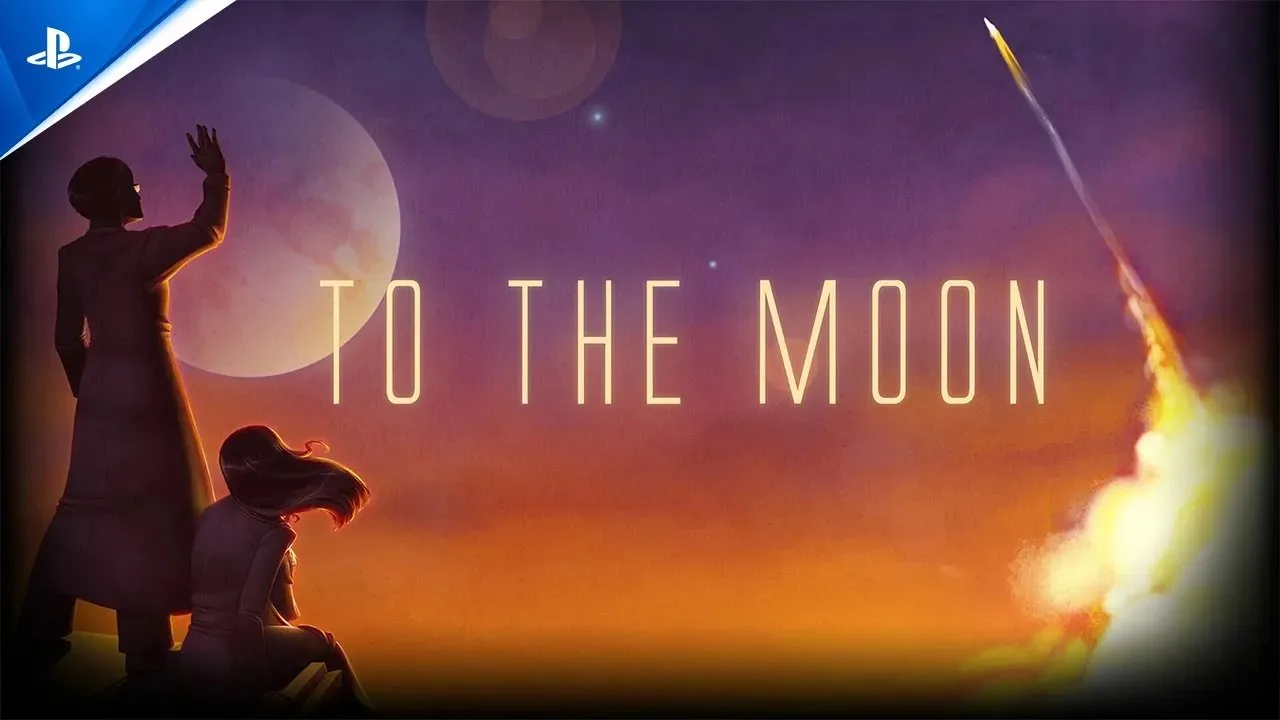
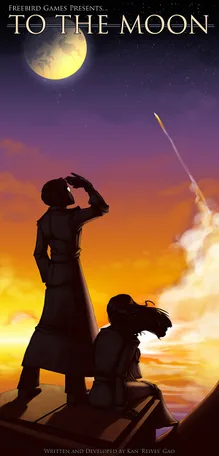
“To the Moon,” a poignant adventure game developed and published by Freebird Games, transcends typical gaming experiences. Originally released in 2011 for Windows and later ported to various platforms, it tells the story of two doctors who use advanced technology to fulfill a dying man’s last wish by reconstructing his memories. This Masterclass Deep-Dive will explore the game’s technical aspects, narrative depth, and lasting impact on the indie gaming landscape. We’re not just looking at pixels; we’re dissecting an emotional journey that resonated with players worldwide.
Visual Direction and Graphics Engineering
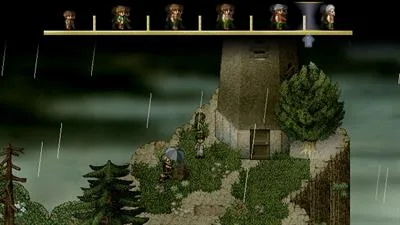
While “To the Moon” isn’t a graphical powerhouse, its visual style is crucial to its atmosphere. Developed using RPG Maker XP (initially), the game relies on pixel art and carefully chosen color palettes to evoke specific emotions. The limited engine capabilities forced creative solutions; for example, subtle animations and parallax scrolling are used to create a sense of depth despite the 2D nature of the environment. Later ports to Unity allowed for enhanced visuals while maintaining the original aesthetic charm. The visual style complements the narrative perfectly, enhancing the feeling of nostalgia and melancholy that permeates the game.
Gameplay Mechanics and Core Systems
“To the Moon” prioritizes storytelling over complex gameplay mechanics. The core loop involves exploring environments, interacting with characters, collecting items, and solving relatively simple puzzles. These puzzles are often integrated seamlessly into the narrative, serving to reveal more about the protagonist’s past. The game’s strength lies in its ability to draw players into the emotional journey of the characters rather than challenging them with intricate systems. The limited mechanics actually contribute to the immersive experience, allowing players to focus on the story and character development.
Level Design and World Atmosphere
The level design in “To the Moon” is carefully crafted to reflect the protagonist’s fragmented memories. Each location represents a different stage of his life, and the environments are often surreal and dreamlike. The game uses environmental storytelling effectively, with details in the background hinting at past events and relationships. The atmosphere is enhanced by the use of lighting, sound effects, and music, creating a sense of mystery and intrigue. The world feels both familiar and alien, reflecting the protagonist’s distorted perception of his own life.
Narrative Depth and Character Profiles
The heart of “To the Moon” lies in its narrative depth and well-developed characters. The story explores themes of love, loss, regret, and the power of memory. The two doctors, River and Walton, are complex and relatable characters with their own motivations and backstories. Their interactions with each other and with the protagonist reveal much about their personalities and values. The game delves into the ethical implications of manipulating memories, raising questions about identity and free will.
Sound Design and Acoustic Realism
The sound design in “To the Moon” is crucial to its emotional impact. The soundtrack, composed by Kan Gao and Laura Shigihara, perfectly complements the visuals and narrative. The music ranges from melancholic piano melodies to upbeat jazz tunes, reflecting the protagonist’s changing moods and memories. Sound effects are used sparingly but effectively, enhancing the atmosphere and drawing the player deeper into the game world.
The audio landscape is carefully crafted to evoke a sense of nostalgia and longing.
Release Expectations and Community Hype
“To the Moon” initially garnered attention through word-of-mouth and online communities. Its unique blend of storytelling, emotional depth, and simple gameplay resonated with players seeking an alternative to mainstream gaming experiences. The game’s success led to the release of “Finding Paradise,” a direct sequel that expands on the lore and explores new characters. The community surrounding “To the Moon” is passionate and dedicated, contributing fan art, theories, and discussions about the game’s themes and mysteries.
Conclusion: The Future of To the Moon
“To the Moon” stands as a testament to the power of storytelling in video games. Its simple mechanics and charming visuals belie a deeply moving narrative that explores universal themes of love, loss, and memory. The game’s success paved the way for other indie developers to create emotionally resonant experiences, proving that compelling stories can thrive even within technical limitations. The legacy of “To the Moon” continues to inspire players and creators alike, solidifying its place as a landmark title in the history of independent gaming.
Source: Wikipedia
Galerij
Praat mee