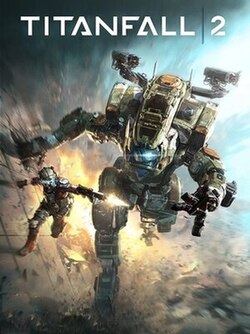
Introduction: The Next Chapter for Titanfall 2
Titanfall 2, a 2016 first-person shooter developed by Respawn Entertainment and published by Electronic Arts, arrived with high expectations. Building upon the foundation laid by its predecessor, Titanfall (2014), this sequel aimed to deliver not only refined gameplay but also a compelling single-player campaign – a feature notably absent in the original. The game’s release was met with critical acclaim for its innovative mechanics, engaging narrative, and stunning visuals, quickly establishing it as a benchmark title within the FPS genre. This deep dive will dissect every facet of Titanfall 2, from its technical underpinnings to its artistic vision, exploring why it continues to resonate with players years after its initial release.
Visual Direction and Graphics Engineering
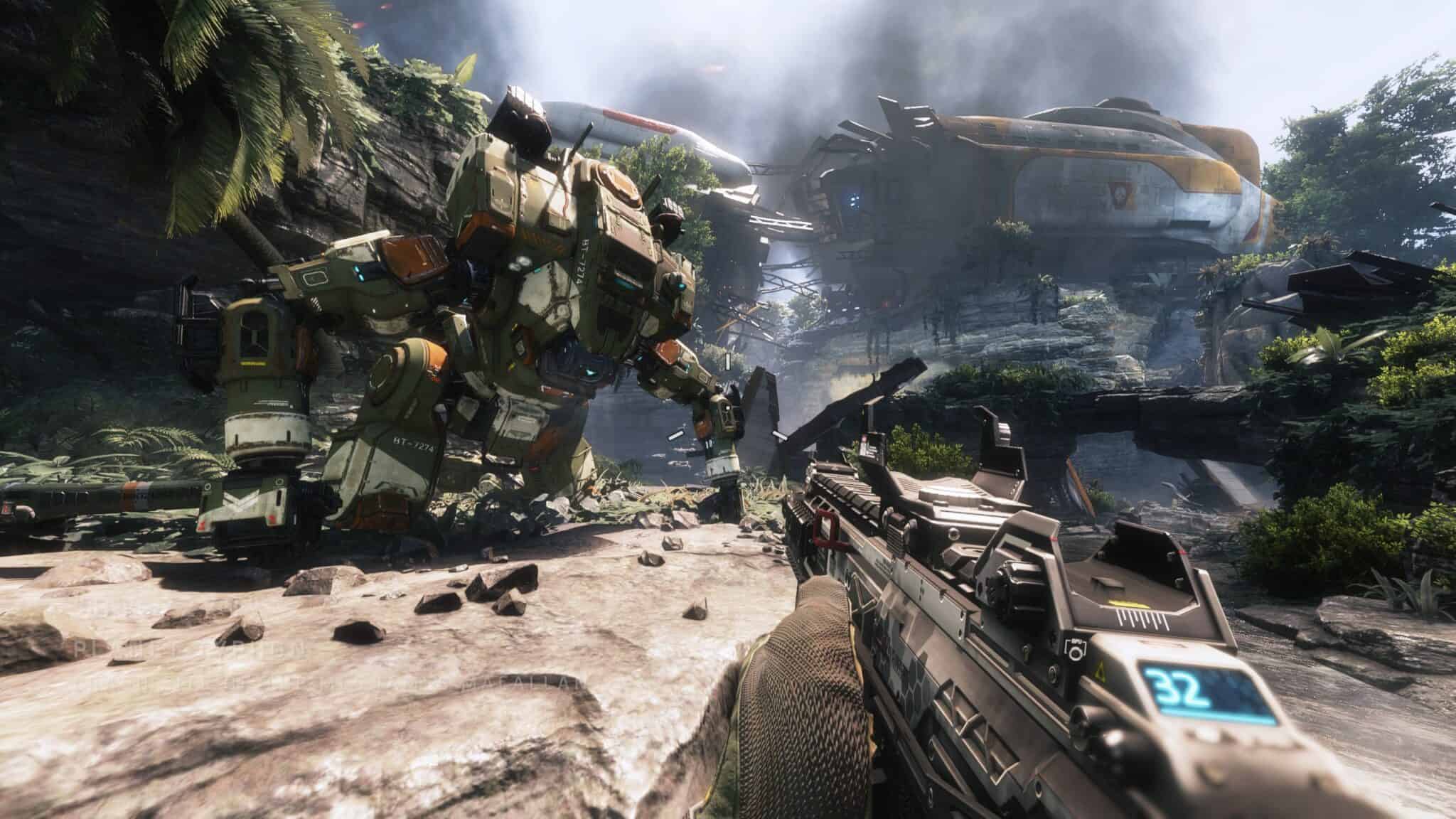
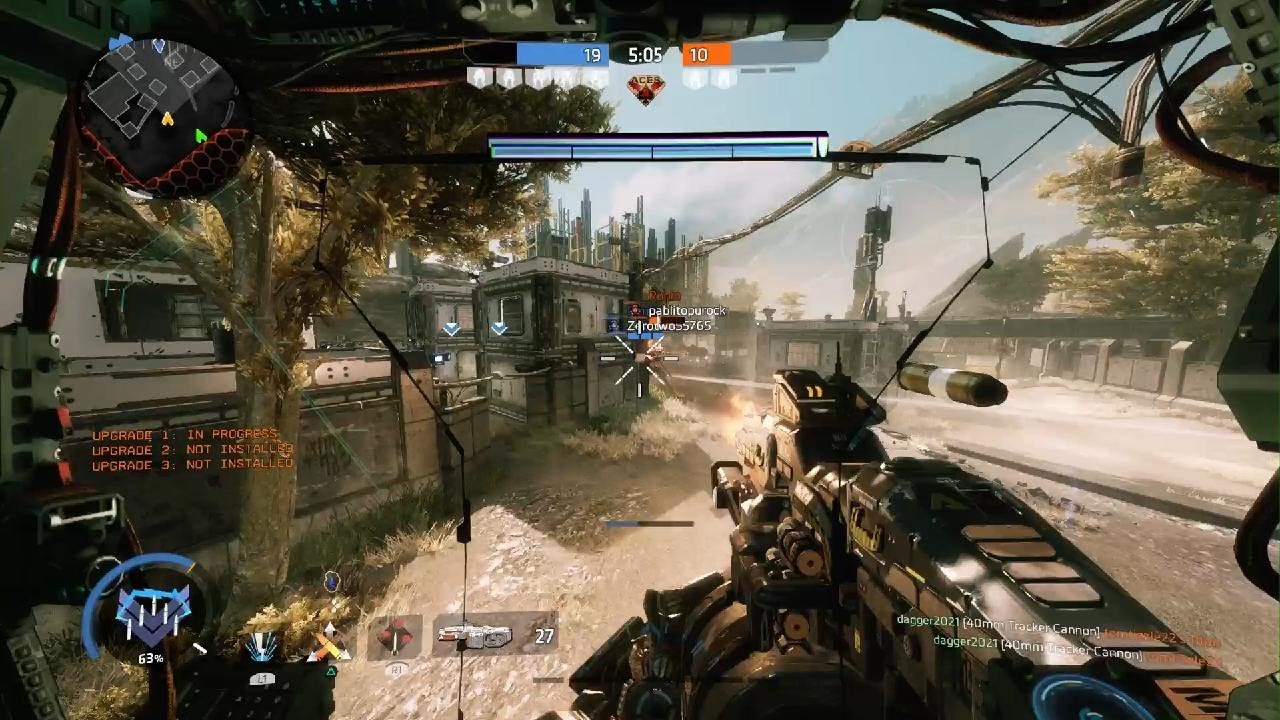
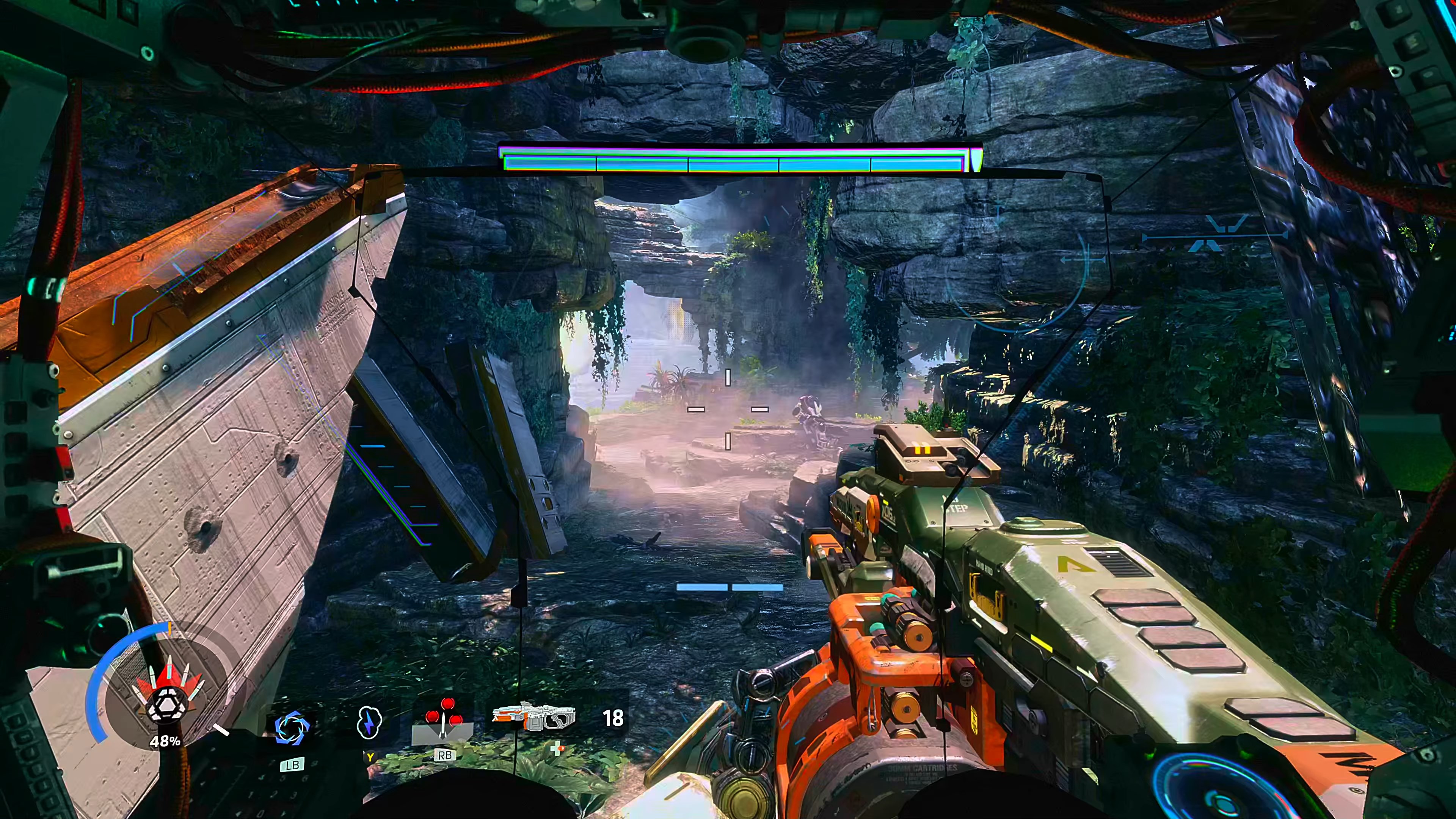
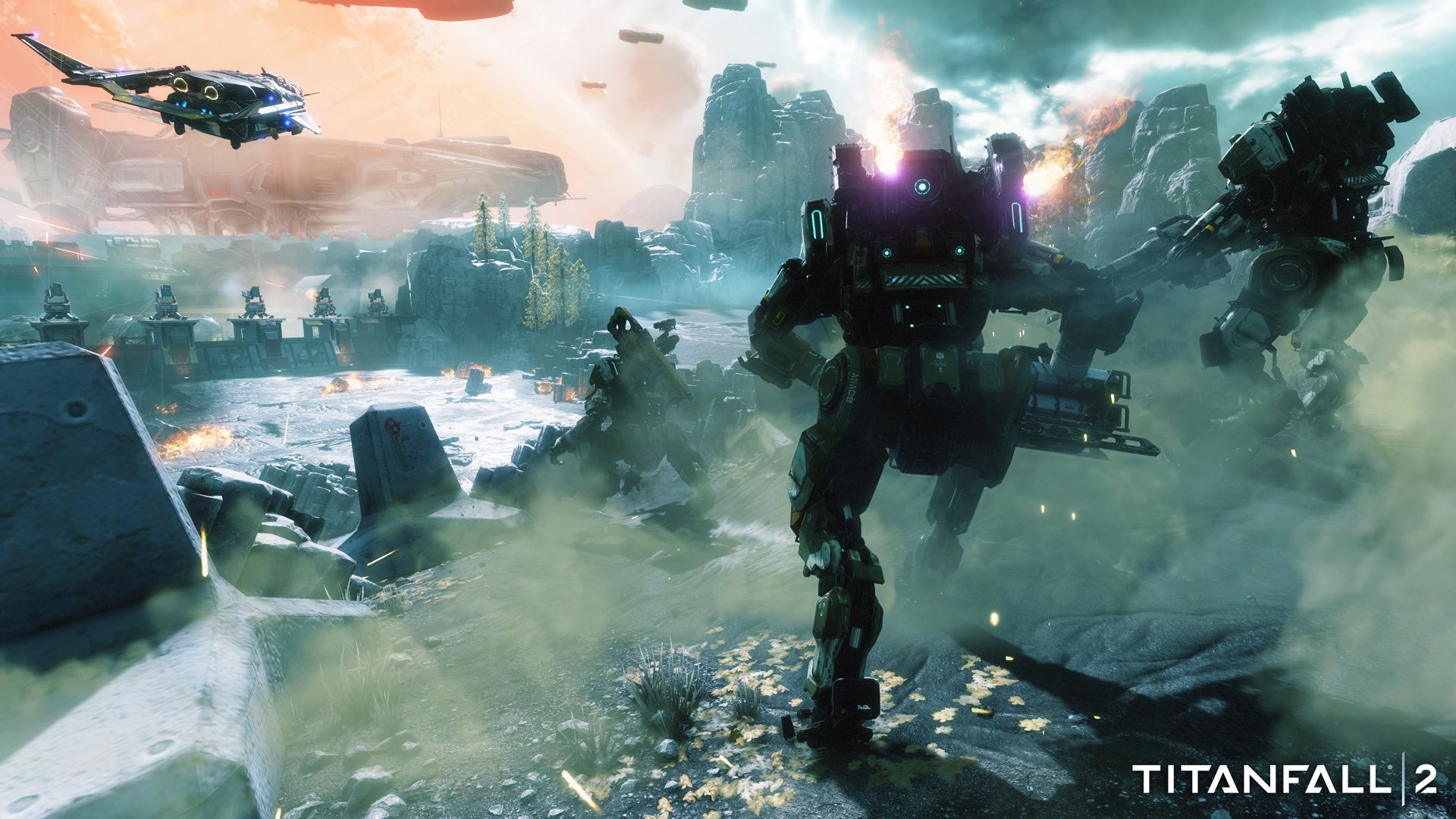
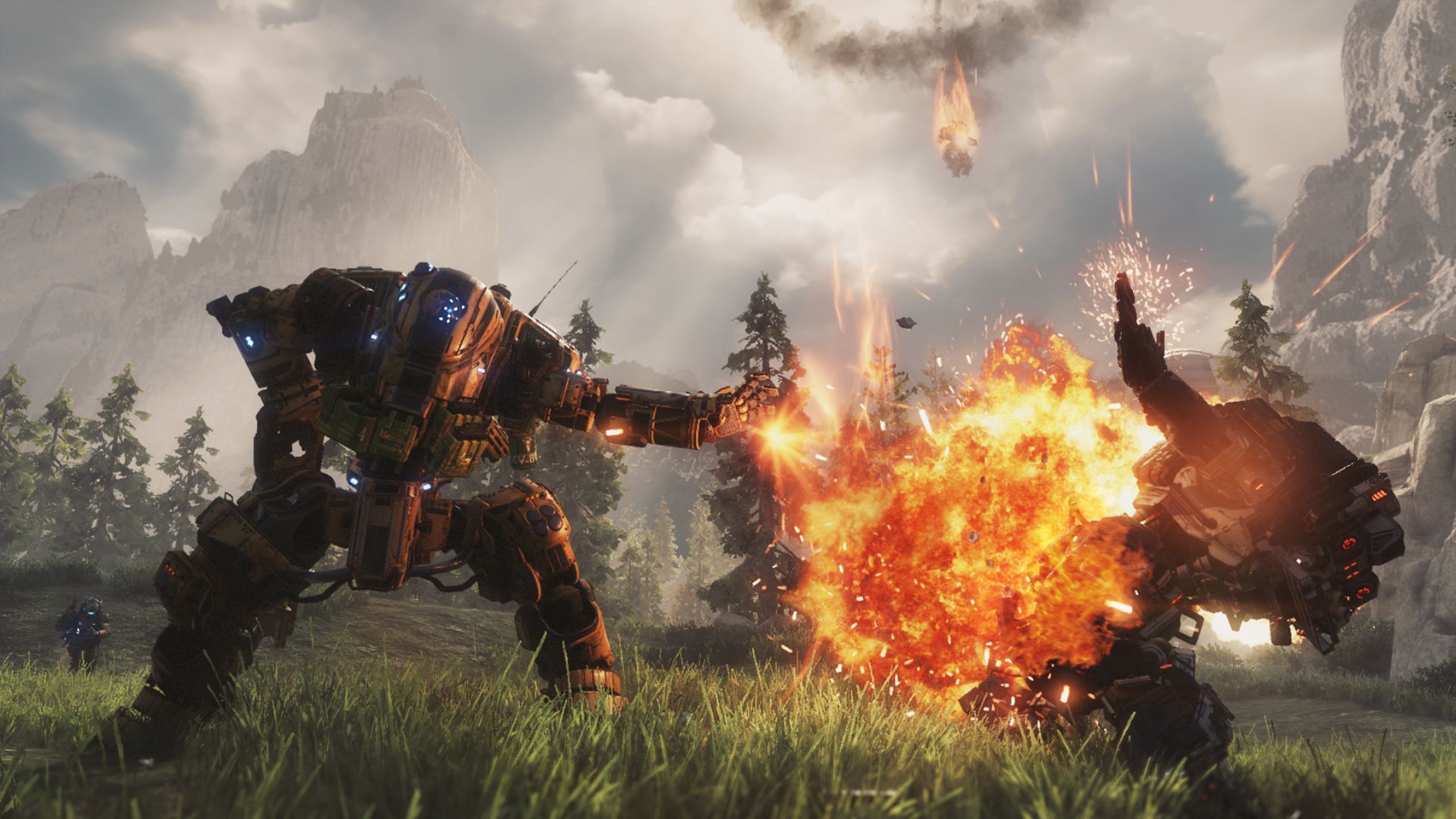
Titanfall 2 leverages the Source engine, a testament to Respawn’s ability to extract maximum fidelity and performance. The game’s visual direction emphasizes a blend of futuristic technology and gritty realism, creating a believable and immersive world. Particle effects are used extensively to enhance weapons fire, explosions, and Titan abilities, contributing significantly to the sense of scale and impact. The level design is intricate and varied, ranging from sprawling urban environments to dense forests and treacherous industrial complexes. Optimization was clearly a priority, allowing for smooth performance even on older hardware configurations. This commitment to visual polish and technical stability contributed greatly to the game’s overall appeal.
Gameplay Mechanics and Core Systems
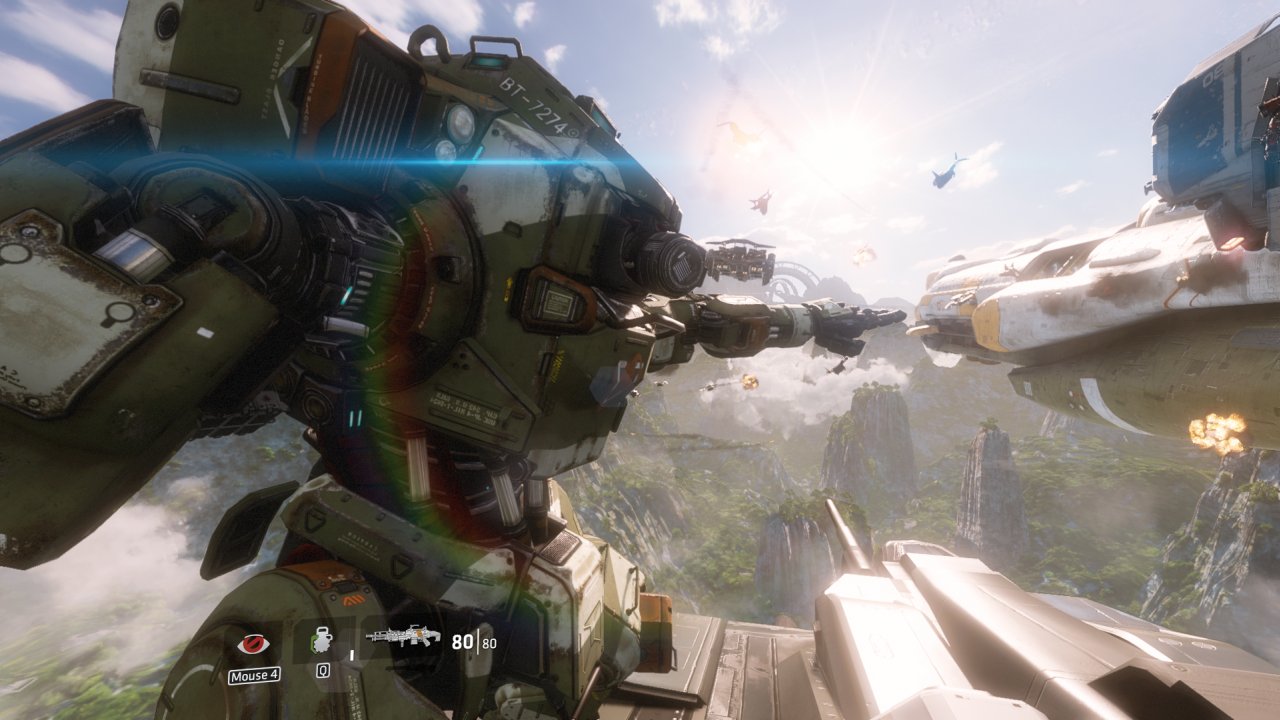
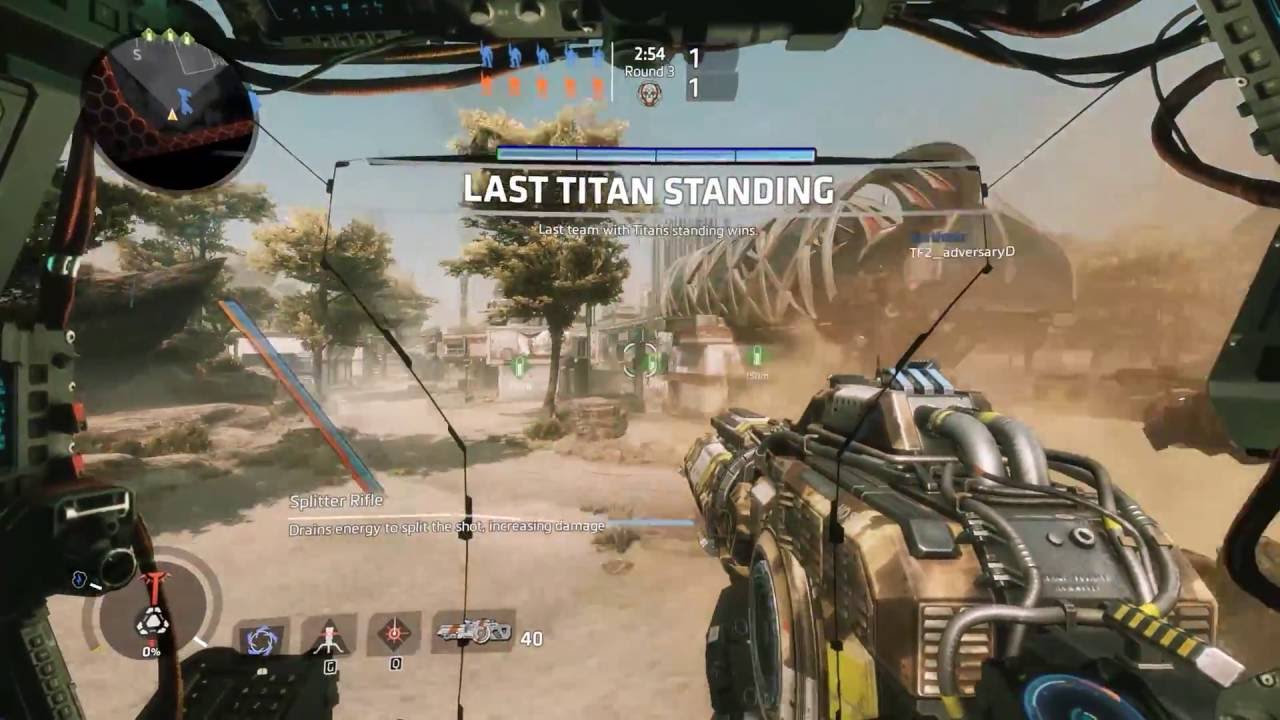
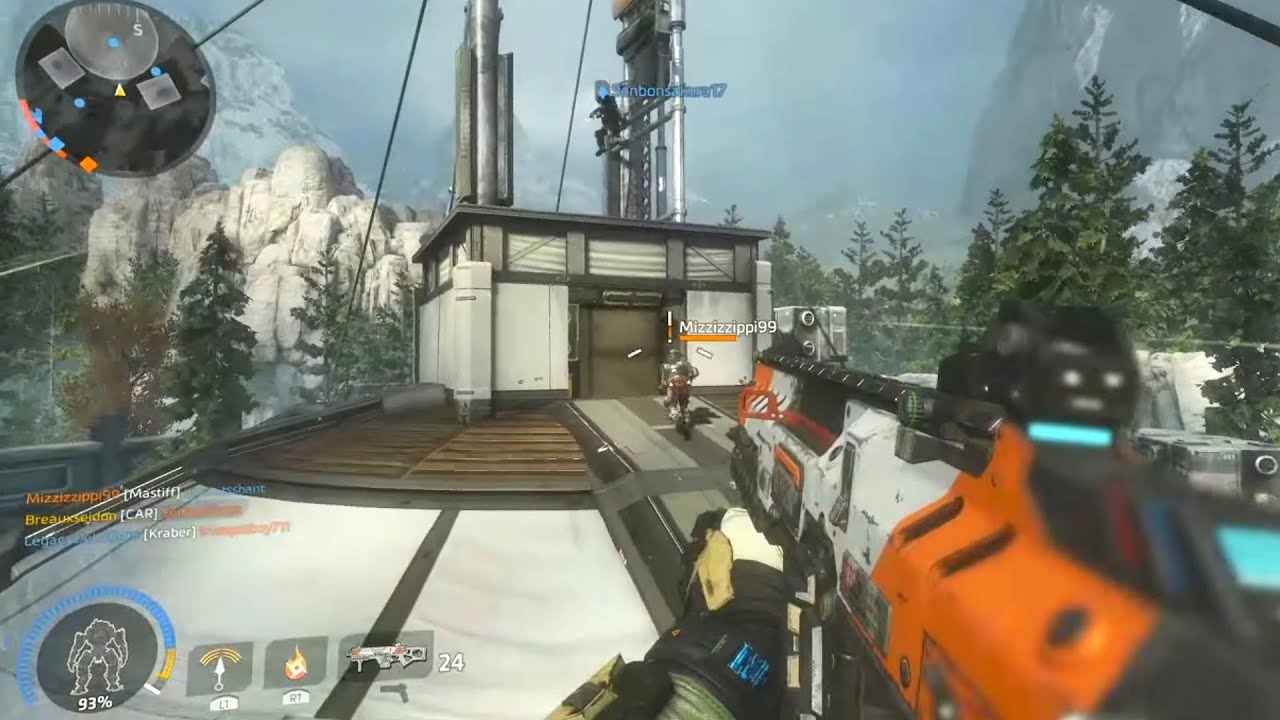
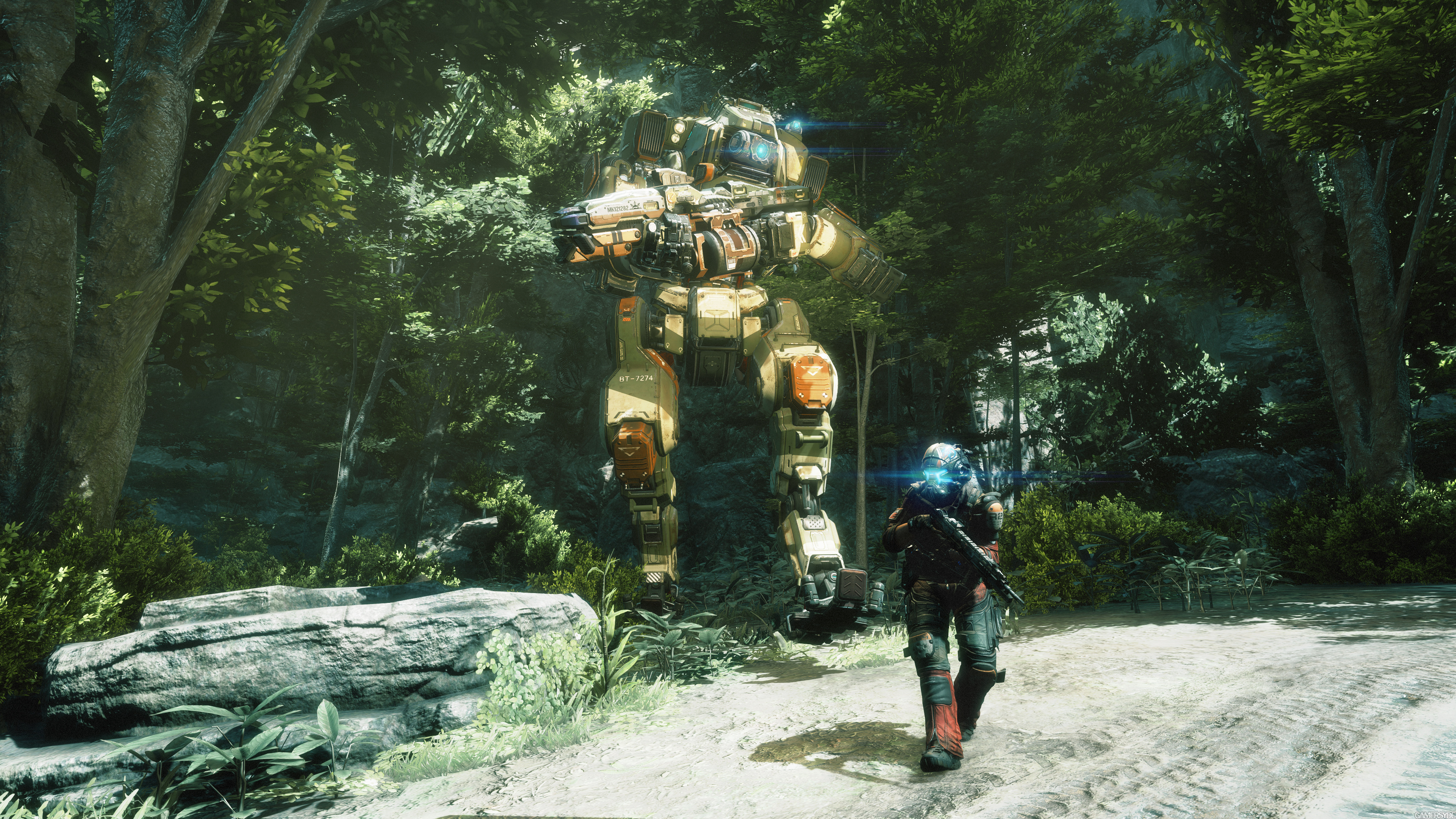
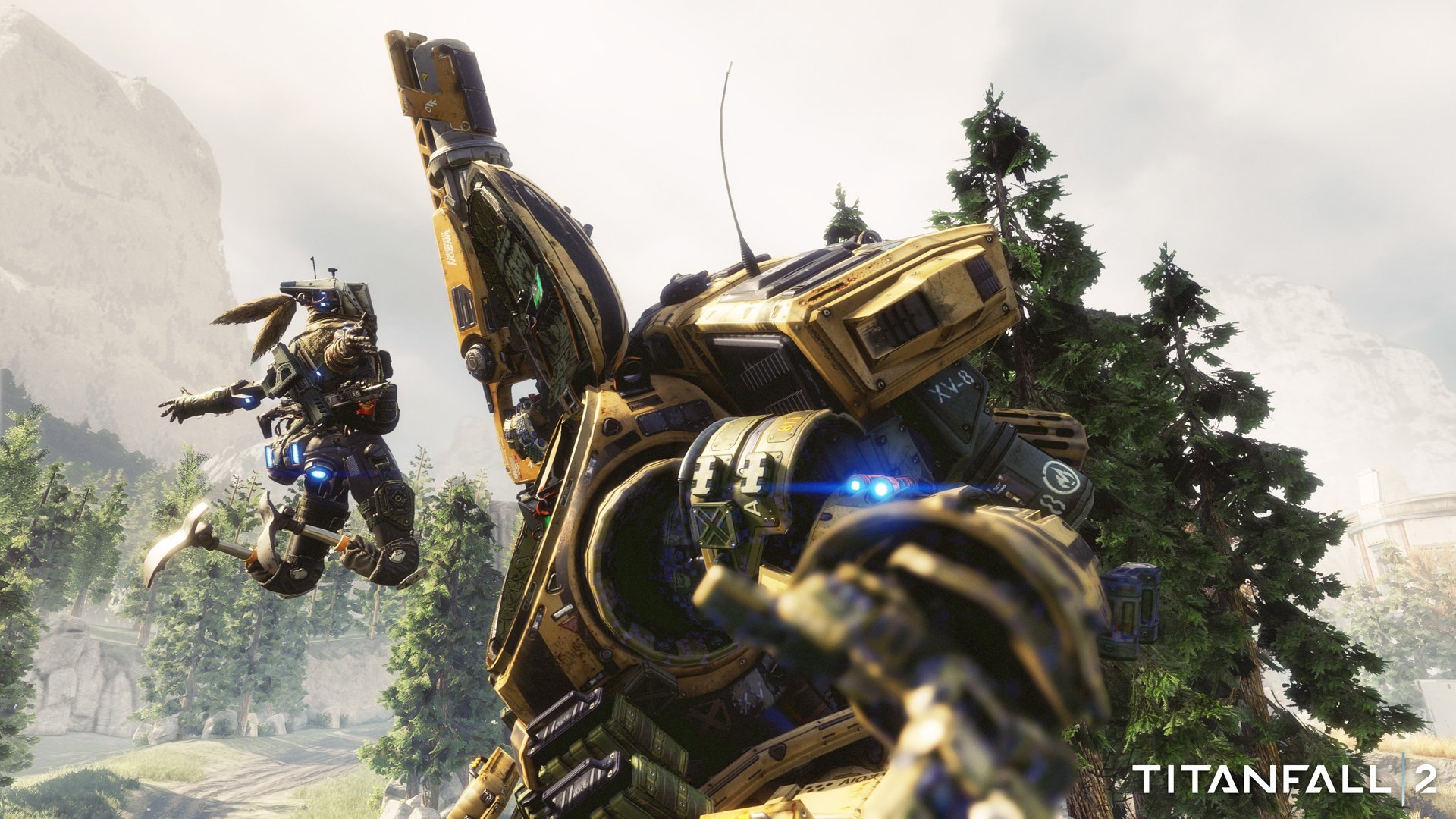
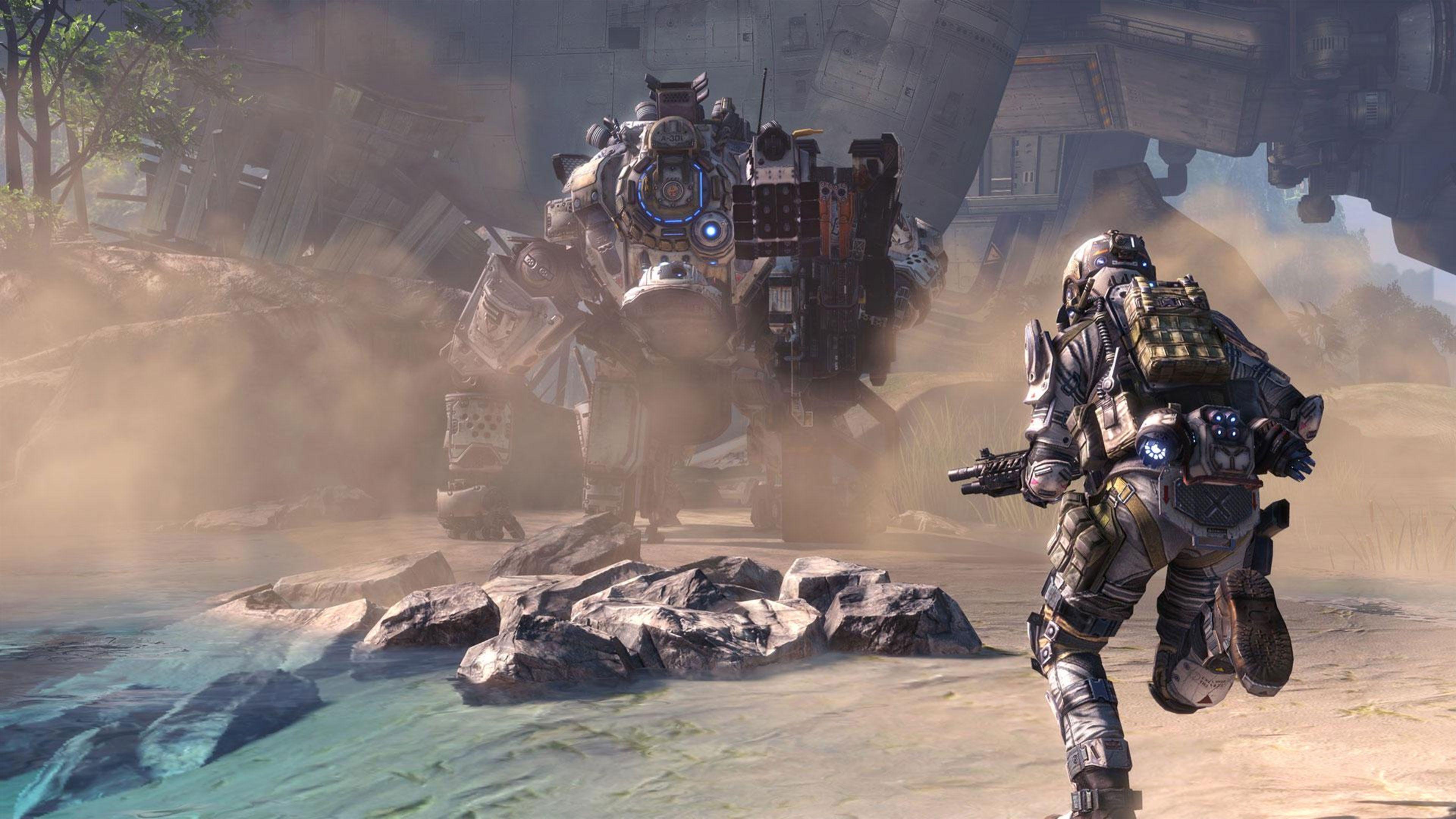
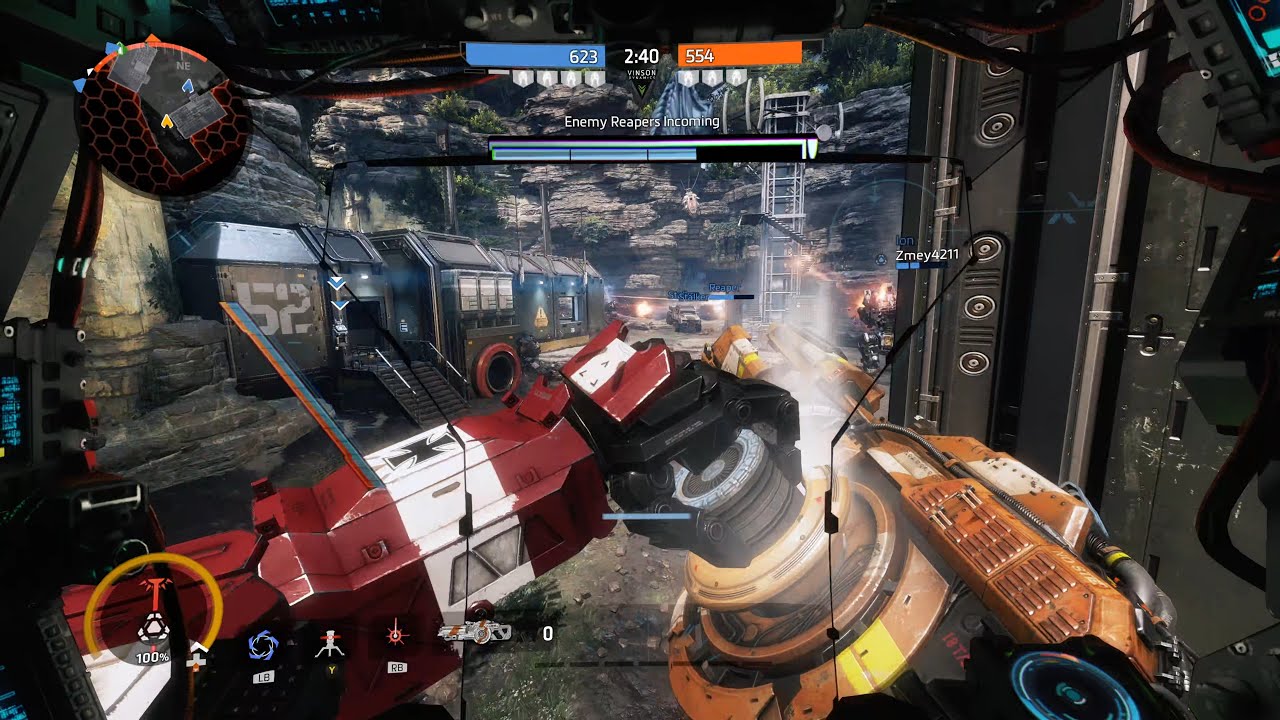
The core gameplay of Titanfall 2 revolves around the symbiotic relationship between Pilots and Titans. Pilots are agile and equipped with abilities like wall-running, double jumping, and grappling hooks, allowing for unparalleled freedom of movement. Titans, on the other hand, provide heavy firepower and defensive capabilities. The ability to call down a Titan during combat adds a strategic layer, forcing players to carefully consider their positioning and resource management. The “Titanfall” moment – when a Pilot ejects from a damaged Titan, only to have another Titan called down in its place – is iconic and perfectly encapsulates the game’s dynamic combat system. This constant interplay between mobility, firepower, and tactical decision-making sets Titanfall 2 apart from many other shooters.
Level Design and World Atmosphere
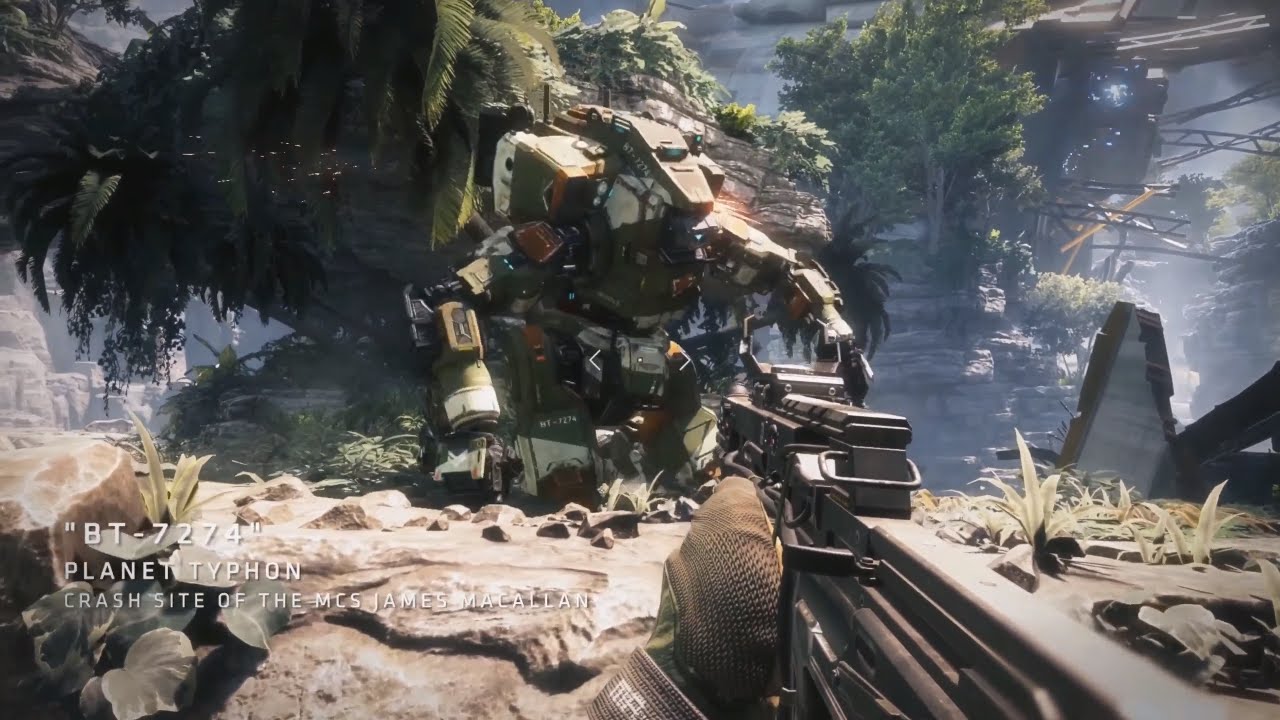
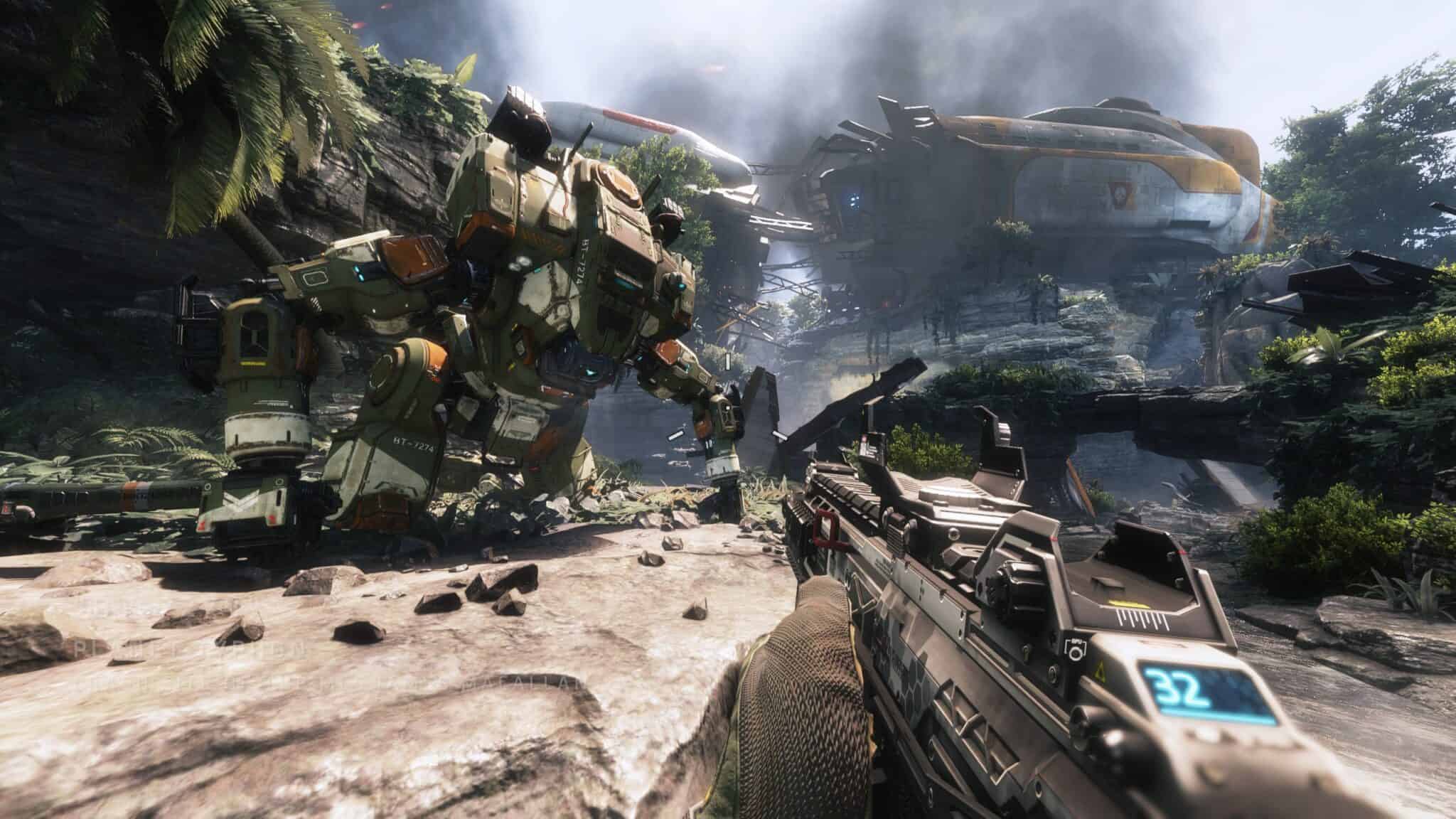
Titanfall 2’s level design is a masterclass in environmental storytelling. Each map is meticulously crafted to convey a sense of history and atmosphere. From the war-torn streets of Frontier Outpost to the lush jungles of Typhon, each location feels distinct and believable. The game utilizes verticality extensively, encouraging players to explore every nook and cranny. The level design also plays a crucial role in guiding the player’s attention, subtly directing them towards key objectives while still allowing for freedom of exploration. This careful balance between structure and openness is a hallmark of Titanfall 2’s design philosophy.
Narrative Depth and Character Profiles
While initially criticized for its lack of a single-player campaign, Titanfall 2 delivers a surprisingly compelling narrative experience. The story follows Jack Cooper, a rifleman who unexpectedly bonds with his mentor’s Titan, BT-7274. Their relationship forms the emotional core of the game, and their interactions are both humorous and poignant.
The supporting cast is equally well-developed, each character contributing to the overall richness of the story. The narrative explores themes of loyalty, sacrifice, and the enduring power of friendship, resonating with players long after the credits roll.
Sound Design and Acoustic Realism
The sound design in Titanfall 2 is exceptional, further enhancing the game’s immersive qualities. Weapon sounds are impactful and satisfying, while environmental audio creates a believable sense of place. The voice acting is top-notch, bringing the characters to life with nuance and emotion. The soundtrack perfectly complements the gameplay, ranging from intense orchestral pieces during combat sequences to more atmospheric tracks during exploration. This meticulous attention to detail in the sound design contributes significantly to the overall polish and quality of the game.
Release Expectations and Community Hype
Prior to its release, Titanfall 2 faced significant challenges. It was released in a crowded market, sandwiched between major releases from other publishers. Furthermore, it had to overcome the initial disappointment surrounding the lack of a single-player campaign in the original Titanfall. Despite these hurdles, the game generated considerable hype thanks to Respawn’s reputation for innovation and the promise of a more complete experience. The positive reception following its release quickly solidified its place as a must-play title for fans of the FPS genre.
Conclusion: The Future of Titanfall 2
Titanfall 2 stands as a testament to the power of innovative game design and meticulous execution. Its unique blend of fast-paced combat, engaging narrative, and stunning visuals has cemented its legacy as a modern classic. While the future of the franchise remains uncertain, the impact of Titanfall 2 is undeniable. It serves as an inspiration for other developers and continues to captivate players with its timeless appeal. The game’s enduring popularity speaks volumes about its quality and its ability to transcend the limitations of its time.
Source: Wikipedia