Introduction: The Next Chapter for Titan Quest
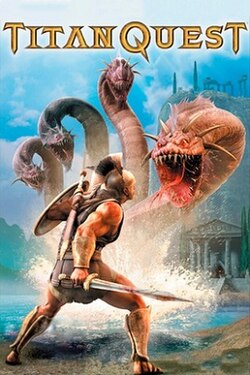
Titan Quest, a name synonymous with classic action RPGs, returns to the gaming landscape. Originally released in 2006 by Iron Lore Entertainment and published by THQ, this title carved its niche with a compelling blend of Greek mythology, Egyptian lore, and Chinese influences. Now, years later, Titan Quest is poised for a resurgence, promising both nostalgia for veterans and an introduction for new players eager to experience the epic journey. This deep-dive review will dissect every facet of the game, from its visual direction and gameplay mechanics to its narrative depth and community impact.
Visual Direction and Graphics Engineering
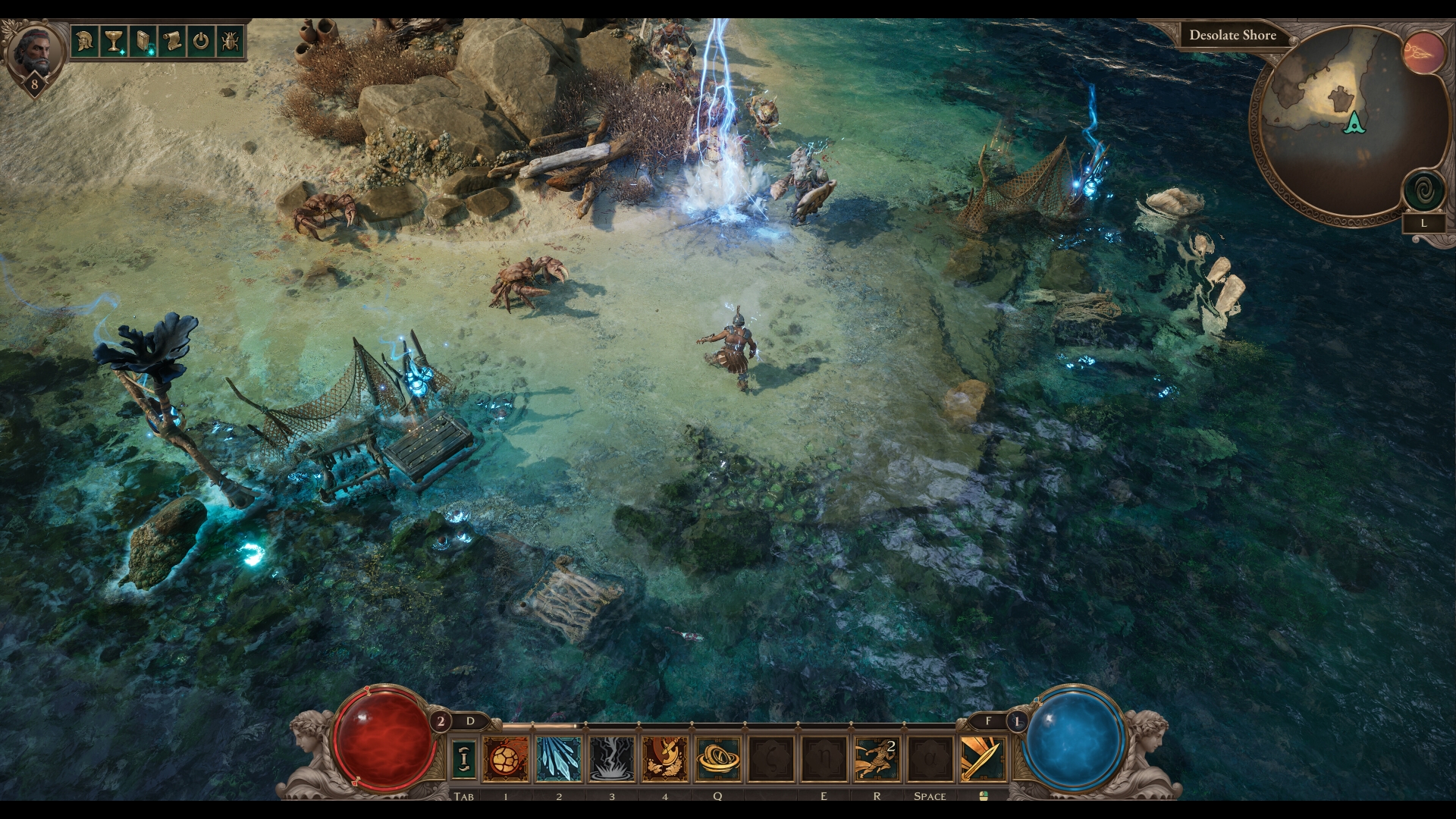
Titan Quest’s visual style, while rooted in the technology of its time, holds a certain charm. The environments, ranging from sun-drenched Greek temples to shadowy Egyptian tombs, were meticulously crafted to evoke a sense of wonder and danger. While modern graphics engines have undoubtedly surpassed the proprietary “Next-Gen Engine” used initially, the artistic direction remains captivating. The character models, though somewhat dated by today’s standards, possess distinct personalities that contribute to the overall immersive experience. The game’s visual design successfully captures the essence of its mythological setting, creating a world that feels both familiar and fantastical.
Gameplay Mechanics and Core Systems
At its heart, Titan Quest is an action RPG built upon a foundation of real-time combat and character progression. Players navigate tile-based environments using a mouse-driven interface, engaging in battles against hordes of mythical creatures. The game features a robust class system, allowing players to customize their characters with unique skills and abilities. The loot system, a staple of the genre, provides a constant stream of rewards, encouraging exploration and experimentation. This blend of action and RPG elements creates a gameplay loop that is both engaging and rewarding.
Level Design and World Atmosphere
Titan Quest’s level design is crucial to its immersive quality. The game seamlessly transitions between distinct regions: the sun-kissed landscapes of Ancient Greece, the mysterious depths of Egyptian tombs, and the exotic locales of China. Each region boasts unique architecture, enemies, and environmental challenges, ensuring that players are constantly encountering fresh experiences. The attention to detail in crafting these environments is remarkable, contributing significantly to the game’s overall atmosphere.
Narrative Depth and Character Profiles
The narrative of Titan Quest centers around a player-created protagonist who embarks on a quest to prevent the Titans from escaping their ancient prison. While the overarching plot may seem familiar, the game excels in its character development and world-building. Players encounter a diverse cast of characters, each with their own motivations and backstories. The script, penned by Randall Wallace, weaves together elements of Greek mythology, Egyptian lore, and Chinese philosophy to create a rich and engaging narrative experience.
Sound Design and Acoustic Realism
The sound design in Titan Quest plays a vital role in enhancing the game’s atmosphere. From the clashing of swords to the roar of mythical beasts, every sound effect is carefully crafted to immerse players in the world. The musical score, composed by Scott Morton and Michael Verrette, perfectly complements the visuals, creating an unforgettable auditory experience.
This attention to detail in both music and sound effects elevates Titan Quest from a simple action RPG to a truly immersive adventure.
Release Expectations and Community Hype
The re-release of Titan Quest has generated significant buzz within the gaming community. Longtime fans are eager to revisit their favorite world, while new players are excited to discover a classic title that has stood the test of time. The anticipation surrounding this release is palpable, fueled by promises of improved graphics, enhanced gameplay mechanics, and expanded content. This renewed interest in Titan Quest demonstrates its enduring appeal and its place as a cornerstone of the action RPG genre.
Conclusion: The Future of Titan Quest
Titan Quest remains a testament to the power of classic game design. Its blend of compelling narrative, engaging gameplay, and immersive world-building has captivated players for years. The re-release promises to breathe new life into this beloved title, introducing it to a new generation of gamers while providing veterans with an enhanced experience. The future of Titan Quest looks bright, poised to continue its legacy as a cornerstone of the action RPG genre.
Source: Wikipedia


