Introduction: The Next Chapter for The Wolf Among Us
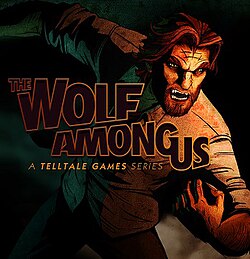
“The Wolf Among Us,” a title that immediately conjures images of gritty noir and fairytale intrigue, stands as a landmark achievement in episodic adventure gaming. Developed by Telltale Games, the game masterfully adapts Bill Willingham’s acclaimed “Fables” comic book series, offering players a compelling prequel experience set within the hidden world of Fabletown, nestled deep within New York City. The anticipation surrounding its sequel is palpable, fueled by years of speculation and the enduring legacy of the original. This Masterclass Deep-Dive will dissect every facet of the game, from its visual direction to its narrative depth, providing a comprehensive analysis for the discerning gamer.
Visual Direction and Graphics Engineering
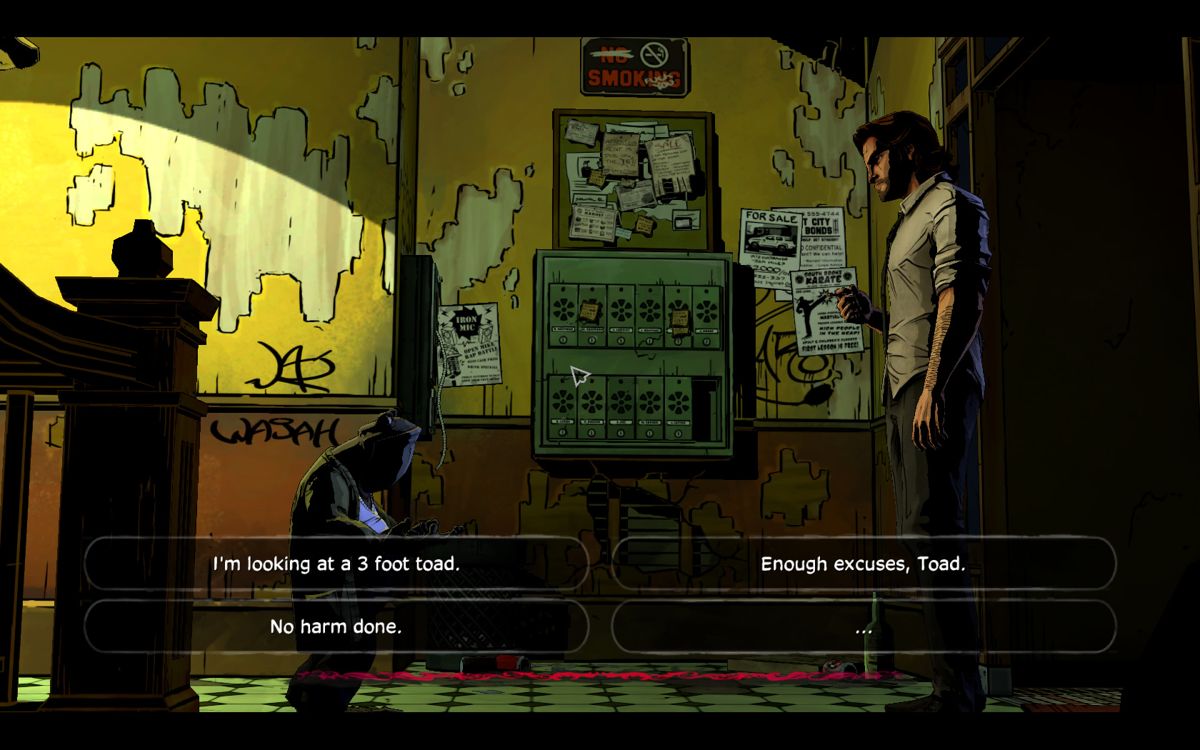
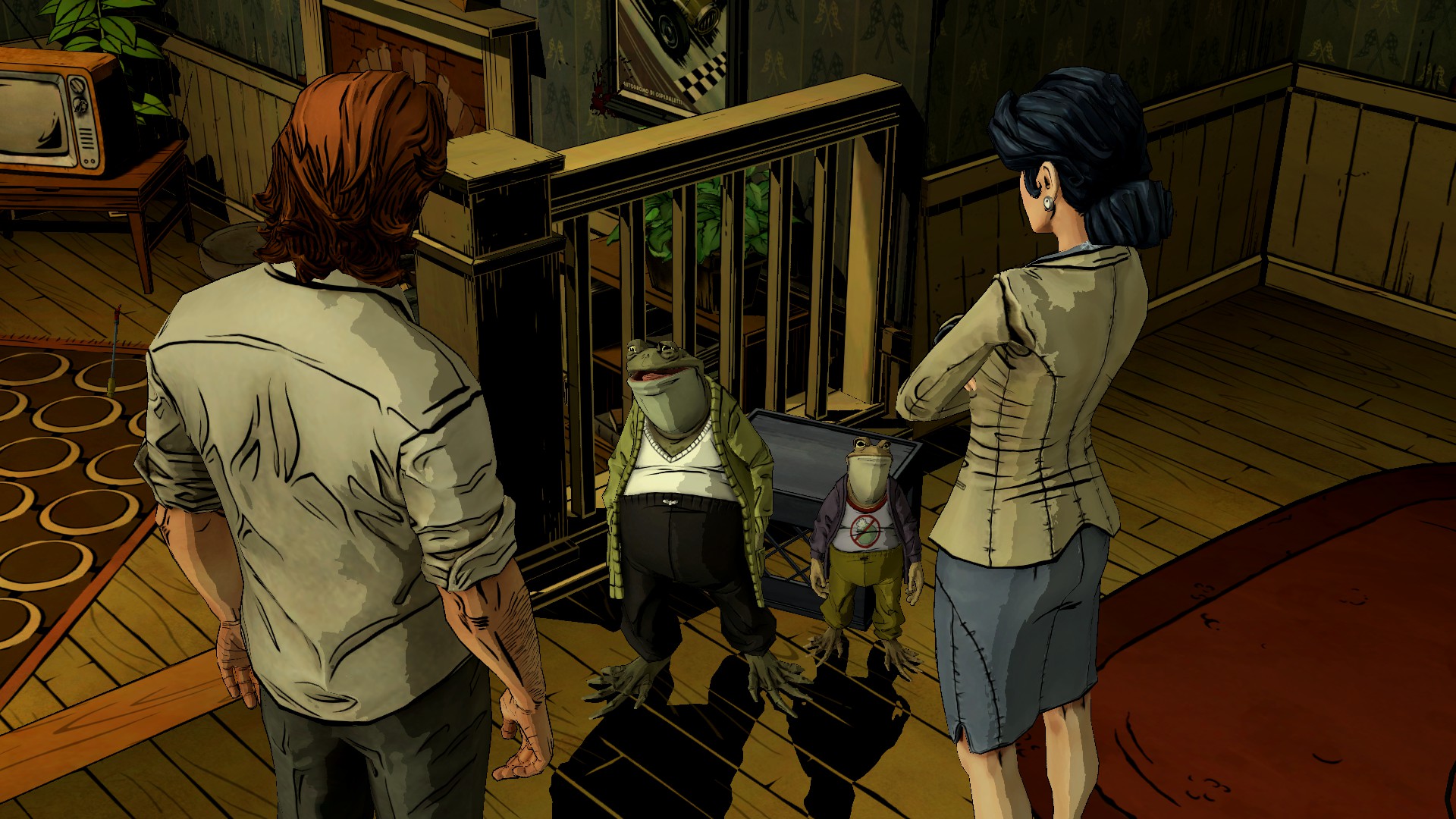
The visual style of “The Wolf Among Us” is a crucial element in establishing its unique atmosphere. The game employs a distinctive comic book aesthetic, characterized by heavy inks, stark shadows, and a muted color palette that perfectly complements the dark and morally ambiguous world it portrays. While not pushing the boundaries of graphical fidelity, the art direction effectively conveys the sense of unease and danger that permeates Fabletown. The use of cel-shading techniques contributes to the game’s stylized look, creating a visual experience that is both familiar and refreshingly different from traditional adventure games. While the engine, Telltale Tool, might not be cutting-edge by today’s standards, the art team leveraged its capabilities to create a visually arresting world.
Gameplay Mechanics and Core Systems
“The Wolf Among Us” distinguishes itself through its focus on narrative choices and their consequences. The gameplay revolves around investigation, dialogue, and puzzle-solving, all seamlessly integrated into the unfolding story. Players assume the role of Bigby Wolf, sheriff of Fabletown, tasked with investigating a series of gruesome murders that threaten to expose the hidden world to humanity. The game’s core mechanic lies in its branching narrative paths, where player choices directly impact the storyline and character relationships. While puzzle elements are present, they are generally straightforward, designed to complement the narrative rather than detract from it.
Level Design and World Atmosphere
The level design in “The Wolf Among Us” is cleverly crafted to immerse players in the gritty underbelly of New York City and the fantastical realm of Fabletown. Each location, from the seedy bars of Times Square to the opulent residences of Snow White, is meticulously detailed, contributing to the game’s overall sense of atmosphere. The environments are not merely static backdrops; they actively contribute to the storytelling, offering clues, revealing character motivations, and enhancing the player’s understanding of the world. The use of lighting and shadow plays a crucial role in creating a feeling of unease and suspense, further immersing players in the game’s dark and dangerous setting.
Narrative Depth and Character Profiles
The narrative depth of “The Wolf Among Us” is one of its greatest strengths. The story explores complex themes of morality, justice, and identity, challenging players to confront difficult choices with far-reaching consequences. The characters are richly developed, each with their own motivations, flaws, and secrets. Bigby Wolf himself is a fascinating protagonist, a morally ambiguous figure struggling to maintain order in a world teetering on the brink of chaos. The supporting cast, including Snow White, Mr. Toad, and the mysterious Ichabod Crane, adds further depth and complexity to the narrative tapestry.
Sound Design and Acoustic Realism
The sound design in “The Wolf Among Us” is equally crucial in establishing its unique atmosphere. The game features a haunting musical score that perfectly complements the dark and gritty visuals. The voice acting is superb, with each character brought to life by talented performers who capture their personalities and nuances. The use of ambient sounds, such as the rumble of traffic or the creaking of floorboards, further enhances the sense of immersion.
The sound effects are also well-executed, adding a visceral impact to key moments in the game.
Release Expectations and Community Hype
The announcement of a sequel to “The Wolf Among Us” generated significant excitement within the gaming community. Years have passed since Telltale Games’ initial plans were disrupted, leaving fans eager for a continuation of Bigby Wolf’s story. The anticipation is fueled by the game’s strong narrative foundation, its memorable characters, and its unique blend of noir and fairytale elements. The new development team faces the challenge of not only delivering a worthy sequel but also honoring the legacy of the original while forging its own distinct identity.
Conclusion: The Future of The Wolf Among Us
“The Wolf Among Us” remains a landmark achievement in episodic adventure gaming, praised for its compelling narrative, memorable characters, and unique blend of noir and fairytale elements. While technical limitations may have been present, the game’s artistic vision and strong storytelling more than compensate. The future of the franchise hinges on the new development team’s ability to capture the essence of the original while pushing the boundaries of what’s possible in interactive storytelling. The community eagerly awaits the next chapter in Bigby Wolf’s story, hoping for a sequel that lives up to the high expectations set by its predecessor.
Source: Wikipedia


