Introduction: The Next Chapter for The Witcher 3: Wild Hunt
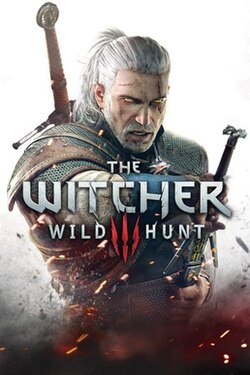
“The Witcher 3: Wild Hunt,” released in 2015, wasn’t just a game; it was an event. Developed and published by CD Projekt Red, this action role-playing masterpiece built upon the foundation laid by its predecessors, delivering a sprawling open world, compelling narrative, and unforgettable characters. It represented a significant leap forward for both the Witcher franchise and the industry as a whole, setting a new benchmark for immersive storytelling and player agency. The game’s success stemmed from its ability to seamlessly blend intricate gameplay mechanics with a deeply engaging story, all while maintaining a level of visual fidelity that was truly breathtaking for its time. This deep dive will explore the key elements that made “The Witcher 3” such a landmark achievement.
Visual Direction and Graphics Engineering
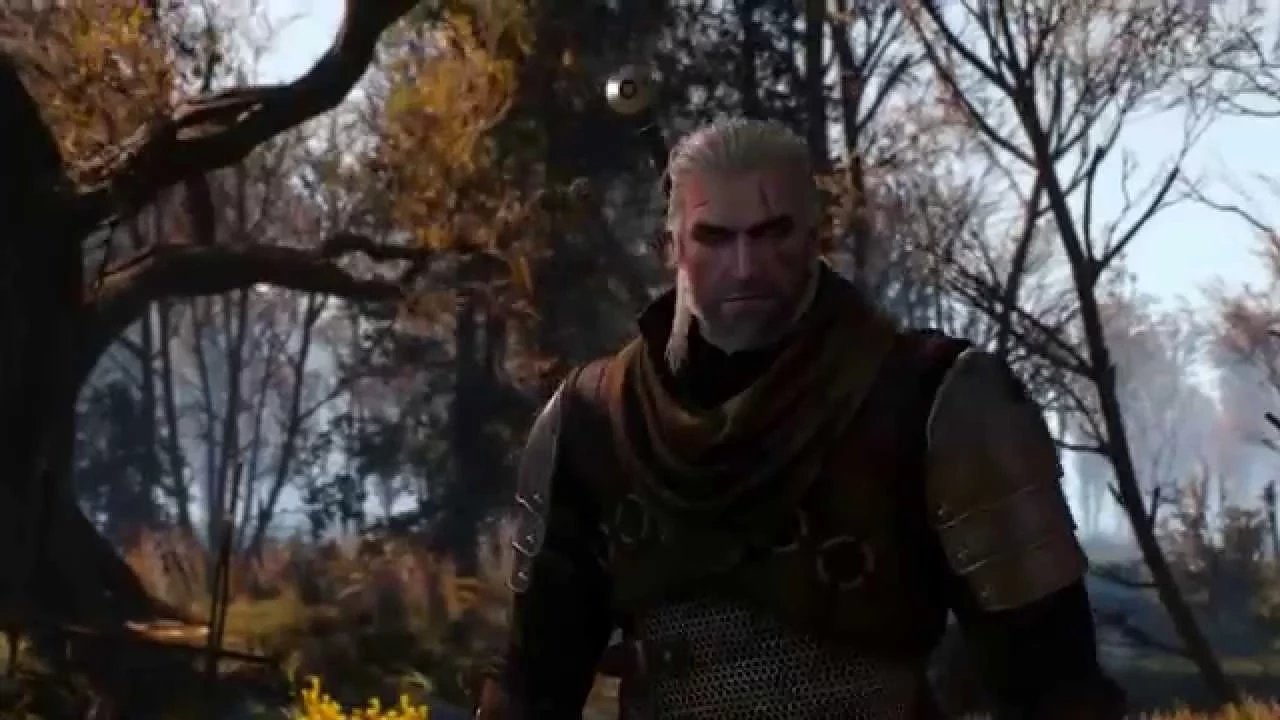
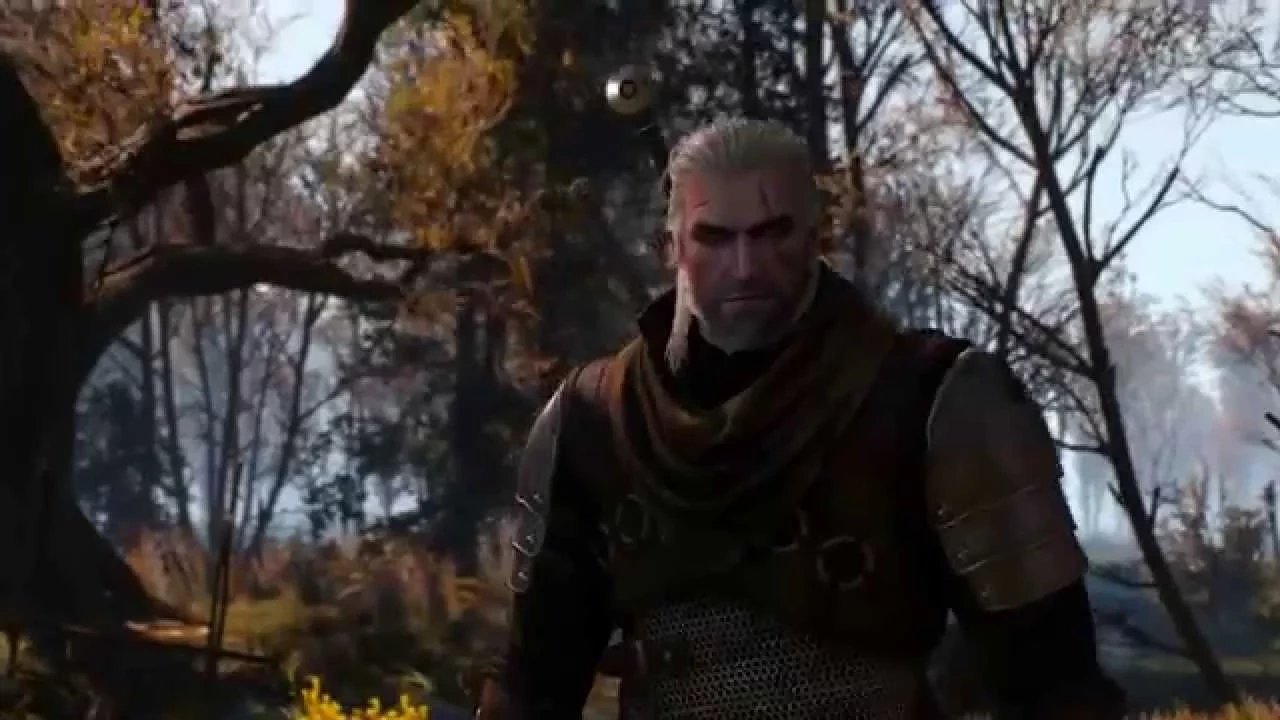
One of the most immediately striking aspects of “The Witcher 3” is its stunning visual presentation. Built upon CD Projekt Red’s proprietary REDengine 3, the game showcased a level of detail previously unseen in open-world titles. The environments, ranging from lush forests and sprawling plains to bustling cities and treacherous swamps, were meticulously crafted, each location imbued with a unique atmosphere. The lighting system played a crucial role in creating this atmosphere, dynamically shifting throughout the day and night cycle, casting long shadows and illuminating intricate details. Character models were equally impressive, showcasing realistic textures, detailed clothing, and expressive facial animations that brought the characters to life. The game’s visual fidelity was further enhanced by its art style, which drew inspiration from Slavic folklore and mythology, creating a world that felt both familiar and fantastical. While demanding on hardware at the time of release, the graphical options allowed players to tailor the experience to their systems, ensuring accessibility for a wider audience.
Gameplay Mechanics and Core Systems
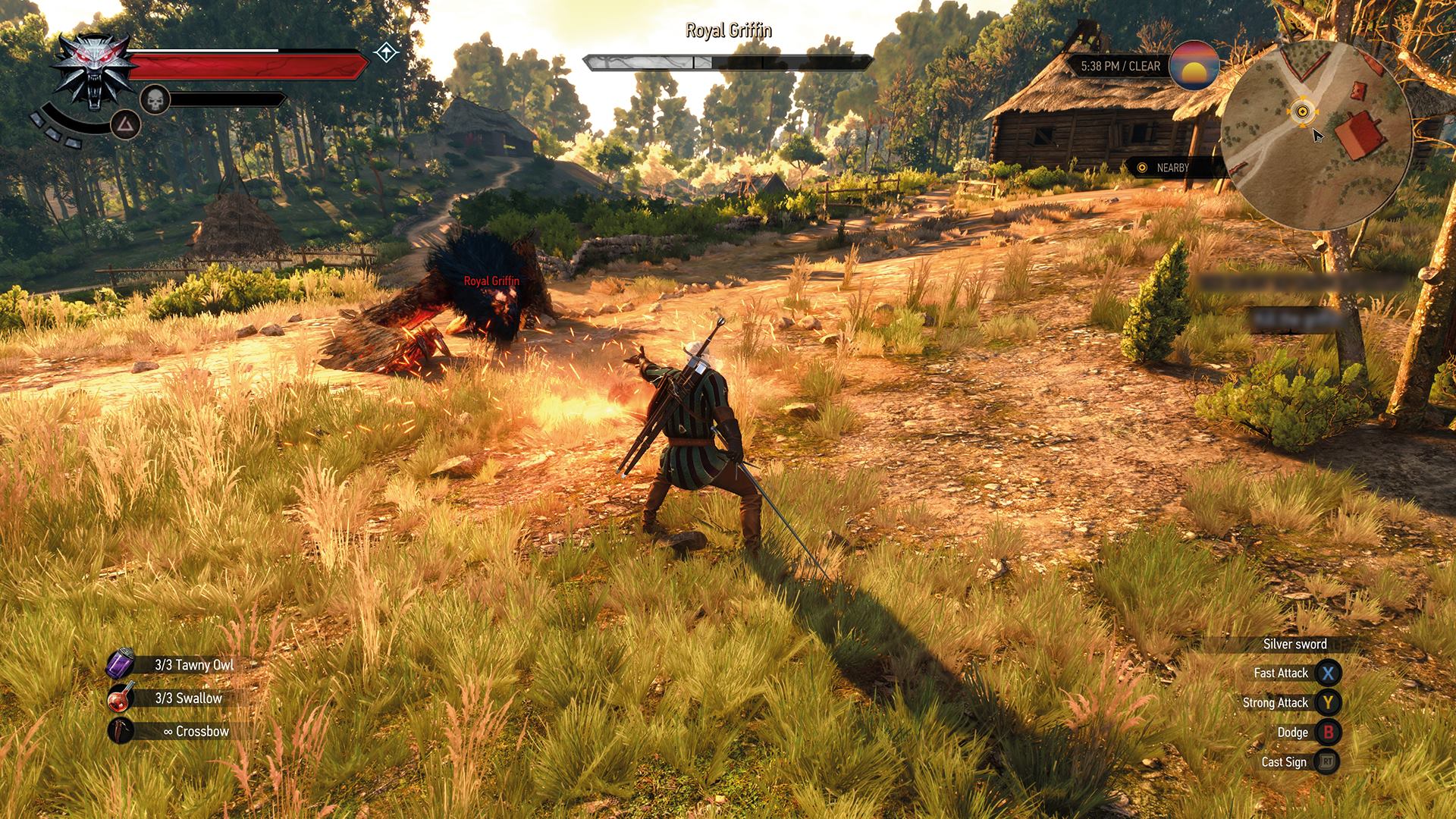
“The Witcher 3” excels in its gameplay mechanics, offering a deep and rewarding experience for players who enjoy exploration, combat, and character progression. The core gameplay loop revolves around completing quests, battling monsters, and upgrading Geralt’s abilities. Combat is visceral and challenging, requiring players to master different sword techniques, utilize signs (magic spells), and strategically use potions and oils to exploit enemy weaknesses. The game features a robust crafting system, allowing players to create weapons, armor, and consumables using resources gathered from the environment. Furthermore, the decision-making process plays a crucial role in shaping the narrative, with player choices having significant consequences that impact the story’s outcome. This level of agency empowers players to feel truly invested in Geralt’s journey and the world around him.
Level Design and World Atmosphere
The open-world design of “The Witcher 3” is a masterclass in environmental storytelling. Each region, from the war-torn landscapes of Velen to the vibrant city of Novigrad and the windswept islands of Skellige, feels distinct and alive. The level designers meticulously crafted each location, populating them with interesting characters, hidden secrets, and engaging side quests. The world is not just a backdrop for the main story; it’s an integral part of the experience, encouraging exploration and rewarding curiosity. The atmosphere in each region is palpable, created through a combination of visual design, sound effects, and dynamic weather systems. Whether you’re navigating treacherous swamps or exploring ancient ruins, “The Witcher 3” consistently delivers a sense of immersion that few other games can match.
Narrative Depth and Character Profiles
At the heart of “The Witcher 3” lies a compelling narrative filled with memorable characters. Geralt of Rivia, the titular witcher, is a complex and nuanced protagonist, grappling with his past while searching for Ciri, his adopted daughter. The supporting cast is equally well-developed, each character possessing their own motivations, flaws, and secrets. The main storyline is interwoven with numerous side quests, many of which offer compelling narratives that explore the themes of war, morality, and redemption. The game’s writing is consistently strong, delivering dialogue that feels authentic and engaging. Furthermore, the voice acting performances are exceptional, bringing the characters to life with nuance and emotion.
Sound Design and Acoustic Realism
The sound design in “The Witcher 3” is another area where the game excels. The soundtrack, composed by Marcin Przybyłowicz and Mikolai Stroiński, perfectly complements the game’s atmosphere, ranging from haunting melodies to epic orchestral scores. The sound effects are equally impressive, creating a sense of immersion that further enhances the gameplay experience. From the clashing of swords to the howling wind, every sound is meticulously crafted to create a believable and engaging world. Furthermore, the ambient sounds in each region contribute to the overall atmosphere, making the game feel truly alive.
Release Expectations and Community Hype
The release of “The Witcher 3: Wild Hunt” was highly anticipated by gamers worldwide. Following the success of its predecessors, CD Projekt Red had built a loyal fanbase eager to experience the next chapter in Geralt’s story. The marketing campaign leading up to the game’s launch generated significant buzz, with trailers and gameplay demos showcasing the game’s stunning visuals and expansive open world. The community hype surrounding “The Witcher 3” was palpable, with players eagerly discussing theories, sharing screenshots, and speculating about the game’s content. This level of anticipation set the stage for a highly successful launch, solidifying CD Projekt Red’s reputation as one of the leading developers in the industry.
Conclusion: The Future of The Witcher 3: Wild Hunt
“The Witcher 3: Wild Hunt” remains a landmark achievement in gaming, setting a new standard for open-world RPGs. Its stunning visuals, compelling narrative, and deep gameplay mechanics have captivated players worldwide. While the game has received numerous accolades and awards, its true legacy lies in its ability to transport players to a richly detailed world filled with memorable characters and unforgettable experiences. The future of “The Witcher 3” is bright, with ongoing support from CD Projekt Red ensuring that the game continues to evolve and improve. As new expansions and updates are released, players can look forward to even more content and adventures in the world of Geralt of Rivia.
Source: Wikipedia


