Introduction: The Next Chapter for The Witcher 2: Assassins of Kings
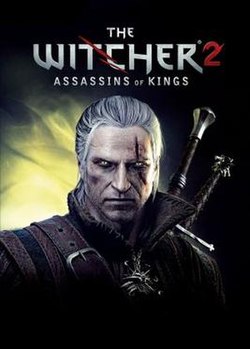
“The Witcher 2: Assassins of Kings,” released in 2011, wasn’t just a sequel; it was a bold statement. CD Projekt Red took the foundation laid by its predecessor and crafted an experience that pushed boundaries in storytelling, gameplay, and technical prowess. This Masterclass Deep-Dive will dissect every facet of this landmark title, from its groundbreaking engine to its unforgettable characters, revealing why “Assassins of Kings” remains a cornerstone of modern gaming. We’re not just looking at a game; we’re examining an evolution.
Visual Direction and Graphics Engineering
The visual direction in “The Witcher 2” was ambitious for its time. The REDengine, CD Projekt Red’s proprietary engine, was instrumental in bringing the world of Temeria to life. While not as visually polished as later titles like “Cyberpunk 2077,” it showcased impressive environmental detail and character models that conveyed a sense of realism. The game utilized advanced rendering techniques for its era, including dynamic lighting and shadows, which contributed significantly to the immersive atmosphere. Optimization was also key; the developers worked tirelessly to ensure smooth performance across various hardware configurations.
Gameplay Mechanics and Core Systems
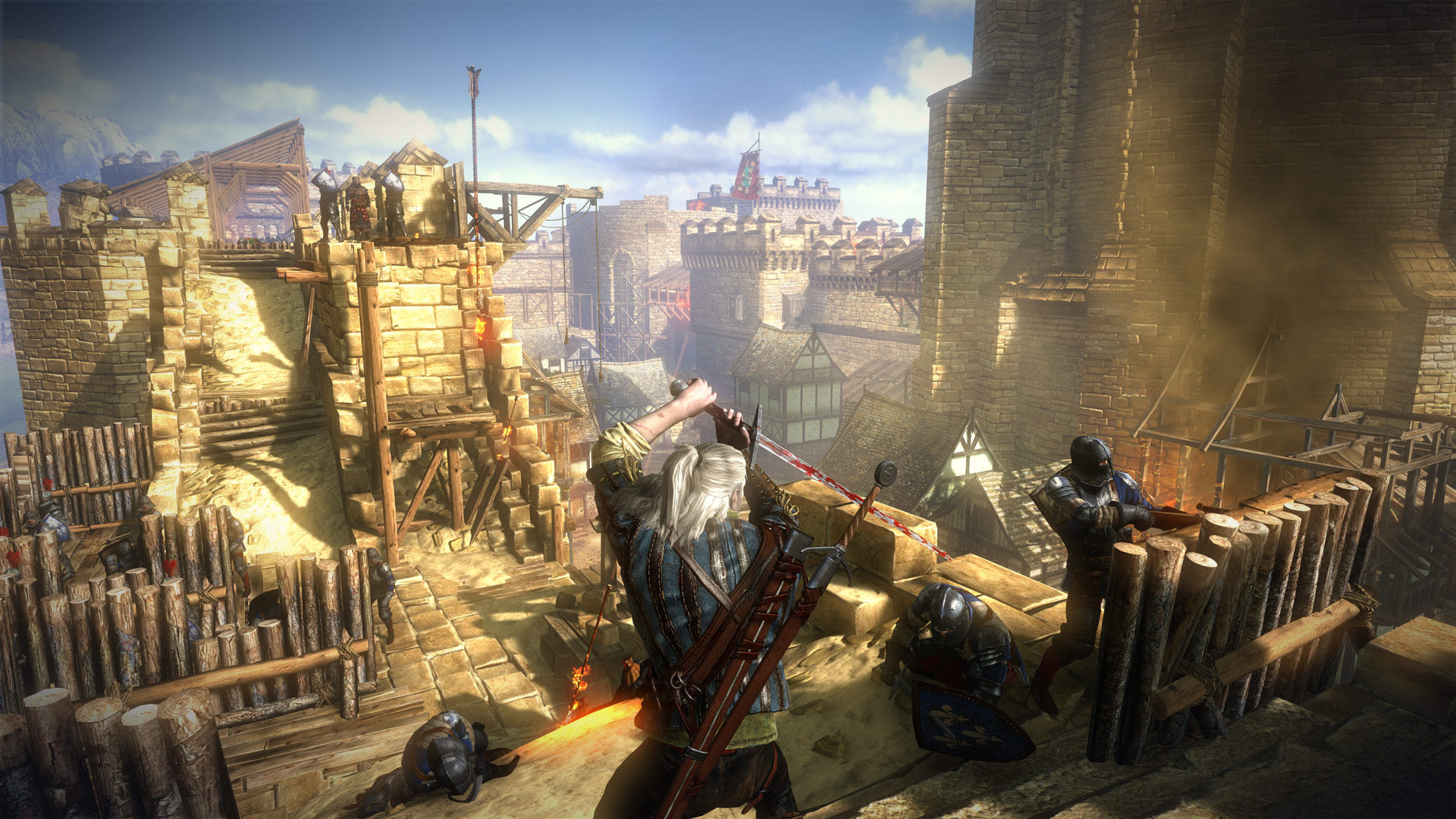
“The Witcher 2” marked a significant departure from the gameplay of the first game. Combat became more complex, demanding strategic thinking and precise timing. Players could now utilize traps, ranged weapons, and a wider array of abilities to overcome enemies. The improved offensive and defensive arsenal provided players with greater control over Geralt’s actions. This evolution in combat mechanics added depth and challenge, rewarding skillful play and tactical decision-making.
Level Design and World Atmosphere
The level design in “Assassins of Kings” was a masterclass in environmental storytelling. Each location, from the bustling city of Verden to the war-torn landscapes of Temeria, felt authentic and lived-in. The world was meticulously crafted, with attention paid to every detail, creating an immersive experience that drew players into the game’s narrative. This meticulous approach to level design contributed significantly to the game’s overall atmosphere and sense of realism.
Narrative Depth and Character Profiles
The narrative depth in “The Witcher 2” was a defining characteristic. The story, steeped in political intrigue and moral ambiguity, explored complex themes that resonated with players long after they finished the game. Geralt, the protagonist, was a compelling character whose motivations were often driven by a strong sense of justice. The supporting cast was equally well-developed, each with their own unique personalities and backstories. This rich tapestry of characters and storylines elevated “Assassins of Kings” beyond a simple action RPG.
Sound Design and Acoustic Realism
The sound design in “The Witcher 2” played a crucial role in creating an immersive experience. The soundtrack, composed by Adam Skorupa, Krzysztof Wierzynkiewicz, and Marcin Przybyłowicz, perfectly complemented the game’s atmosphere, ranging from haunting melodies to intense battle themes. The environmental sounds were equally impressive, adding another layer of realism to the world.
This attention to detail in sound design contributed significantly to the overall sense of immersion.
Release Expectations and Community Hype
The release of “The Witcher 2: Assassins of Kings” was met with immense anticipation from both critics and fans. The first game had established a dedicated following, and expectations were high for the sequel. CD Projekt Red delivered on that hype, creating a game that exceeded many players’ expectations. The positive reception at launch solidified “Assassins of Kings'” place as a landmark title in the action RPG genre.
Conclusion: The Future of The Witcher 2: Assassins of Kings
“The Witcher 2: Assassins of Kings” remains a testament to CD Projekt Red’s commitment to quality and innovation. Its influence can be seen in countless games that have followed, and its legacy continues to inspire developers today. While time marches on, the impact of “Assassins of Kings” is undeniable, solidifying its place as a true classic.
Source: Wikipedia


