Introduction: The Next Chapter for The Witcher 2: Assassins of Kings
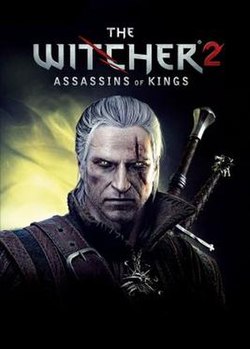
“The Witcher 2: Assassins of Kings,” released in 2011, wasn’t just a sequel; it was a bold statement. CD Projekt Red took the foundation laid by its predecessor and crafted a more mature, complex, and visually stunning experience. This Masterclass Deep-Dive will dissect every facet of this landmark title, from its revolutionary engine to its compelling narrative, exploring why it remains a benchmark for action RPGs even today. The game represents a significant leap forward in both technical prowess and storytelling ambition, solidifying CD Projekt Red’s position as a major player in the gaming industry.
Visual Direction and Graphics Engineering
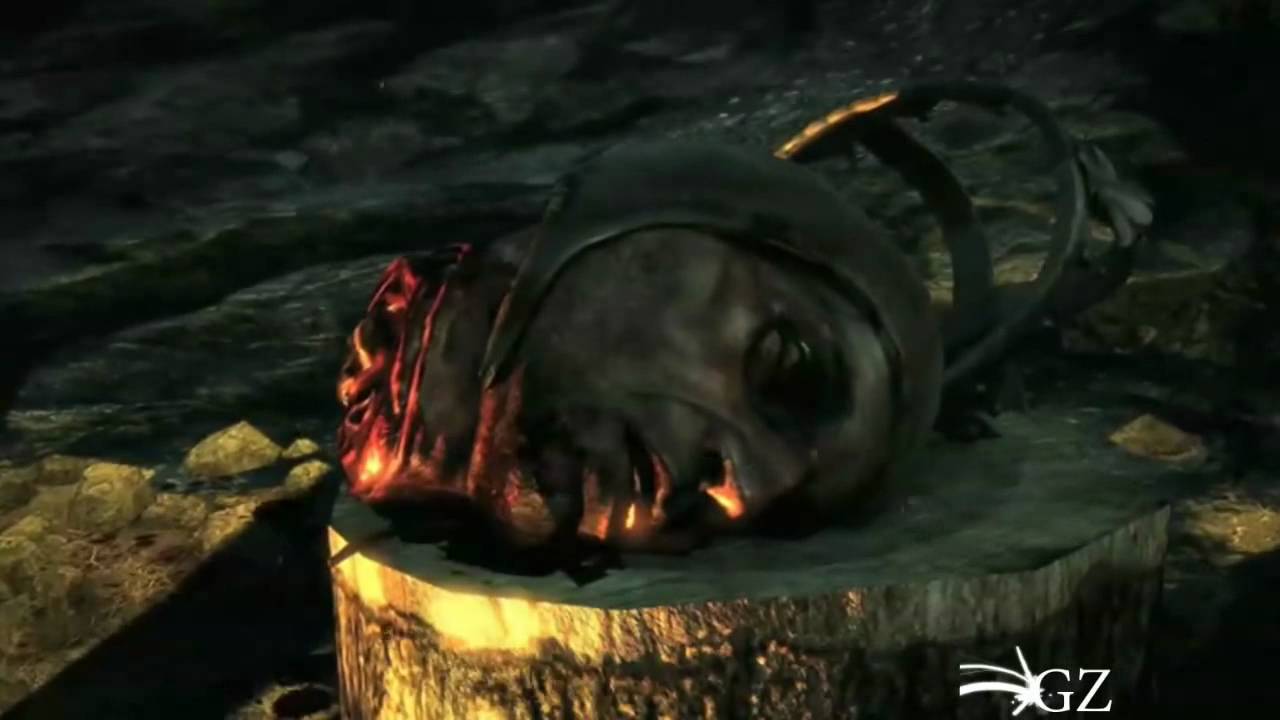
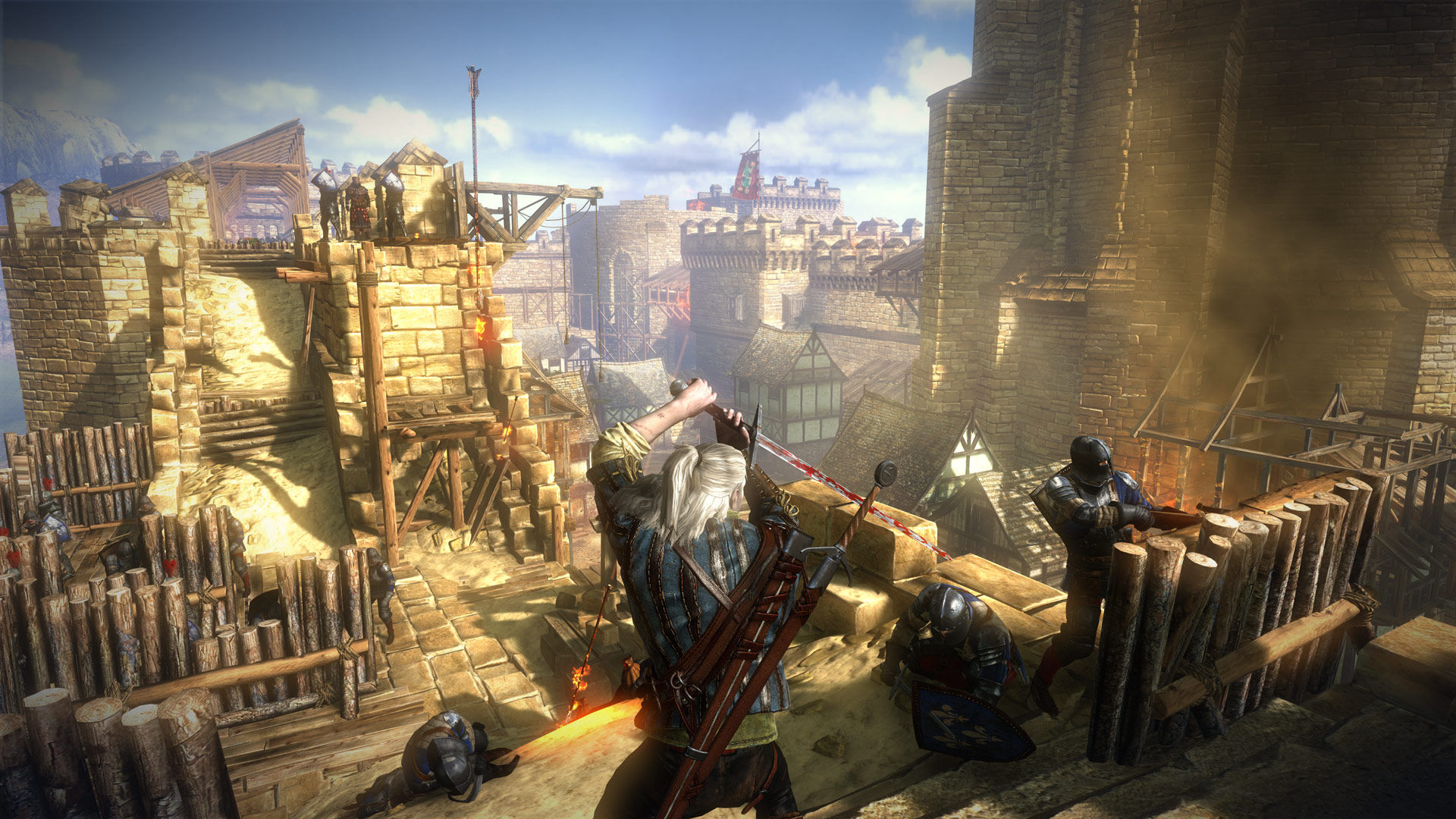
The visual overhaul in “Assassins of Kings” was nothing short of transformative. Powered by the REDengine, the game showcased dynamic lighting, advanced physics simulations, and meticulously crafted character models. The environments, ranging from bustling cities to war-torn landscapes, were brought to life with incredible detail. While not pushing bleeding-edge hardware to its absolute limits (a common trait of titles aiming for broad platform support), the artistic direction ensured a timeless aesthetic that holds up remarkably well even now. The use of color palettes and atmospheric effects played a crucial role in establishing the game’s distinctive mood, enhancing immersion and drawing players deeper into Geralt’s world.
Gameplay Mechanics and Core Systems
“Assassins of Kings” refined and expanded upon the gameplay mechanics introduced in the first Witcher title. Combat became more strategic, demanding precise timing and tactical decision-making. Players could now utilize a wider array of abilities, including traps, ranged attacks, and powerful signs (magical abilities). The character progression system allowed for significant customization, enabling players to tailor Geralt’s skills and abilities to their preferred playstyle. This depth of gameplay options contributed significantly to the game’s replayability and overall appeal.
Level Design and World Atmosphere
The level design in “Assassins of Kings” was a masterclass in environmental storytelling. Each location felt distinct, with its own unique history and atmosphere. From the sprawling metropolis of Verden to the war-ravaged fields of Temeria, the game’s environments were meticulously crafted to immerse players in the world. The use of verticality, hidden pathways, and interactive elements encouraged exploration and discovery. The level design wasn’t just about navigating from point A to point B; it was about experiencing the world and uncovering its secrets.
Narrative Depth and Character Profiles
The narrative complexity in “Assassins of Kings” set a new standard for action RPGs. The story, deeply rooted in Andrzej Sapkowski’s novels, explored themes of political intrigue, moral ambiguity, and personal sacrifice. Geralt of Rivia was portrayed as a complex and nuanced character, grappling with difficult choices in a morally gray world.
The supporting cast was equally well-developed, each with their own motivations and agendas. This depth of storytelling elevated the game beyond simple action and adventure, creating a truly immersive and unforgettable experience.
Sound Design and Acoustic Realism
The sound design in “Assassins of Kings” played a crucial role in enhancing immersion. The orchestral score, composed by Adam Skorupa, Krzysztof Wierzynkiewicz, and Marcin Przybyłowicz, perfectly complemented the game’s atmosphere. The environmental sounds, from the bustling city streets to the eerie forests, were meticulously crafted to create a sense of realism. The voice acting was also top-notch, bringing the characters to life with emotion and nuance.
Release Expectations and Community Hype
The release of “Assassins of Kings” was met with immense anticipation within the gaming community. Building upon the success of the first Witcher game, CD Projekt Red had cultivated a loyal following eager for their next masterpiece. The trailers and gameplay demos showcased a significant leap in visual fidelity and gameplay complexity, further fueling the hype. The game ultimately delivered on its promises, exceeding expectations and solidifying its place as a modern classic.
Conclusion: The Future of The Witcher 2: Assassins of Kings
“The Witcher 2: Assassins of Kings” remains a testament to CD Projekt Red’s commitment to quality and innovation. Its impact can still be felt in the industry today, influencing game design and storytelling approaches. While “The Witcher 3: Wild Hunt” built upon its foundation, “Assassins of Kings” stands as a pivotal moment, showcasing the potential of the REDengine and establishing CD Projekt Red as a force to be reckoned with. The legacy of this title continues to inspire developers and captivate players, ensuring its place in gaming history for years to come.
Source: Wikipedia


