Introduction: The Next Chapter for The Walking Dead: Season 1
“The Walking Dead: Season 1” wasn’t just a game; it was a cultural phenomenon. Developed by an industry-leading studio and published globally, this title redefined interactive storytelling in the zombie apocalypse genre. It transcended typical gameplay loops, focusing on character development, moral choices, and the harsh realities of survival. This deep dive will dissect every facet of the game, from its groundbreaking engine to its lasting impact on players.
Visual Direction and Graphics Engineering

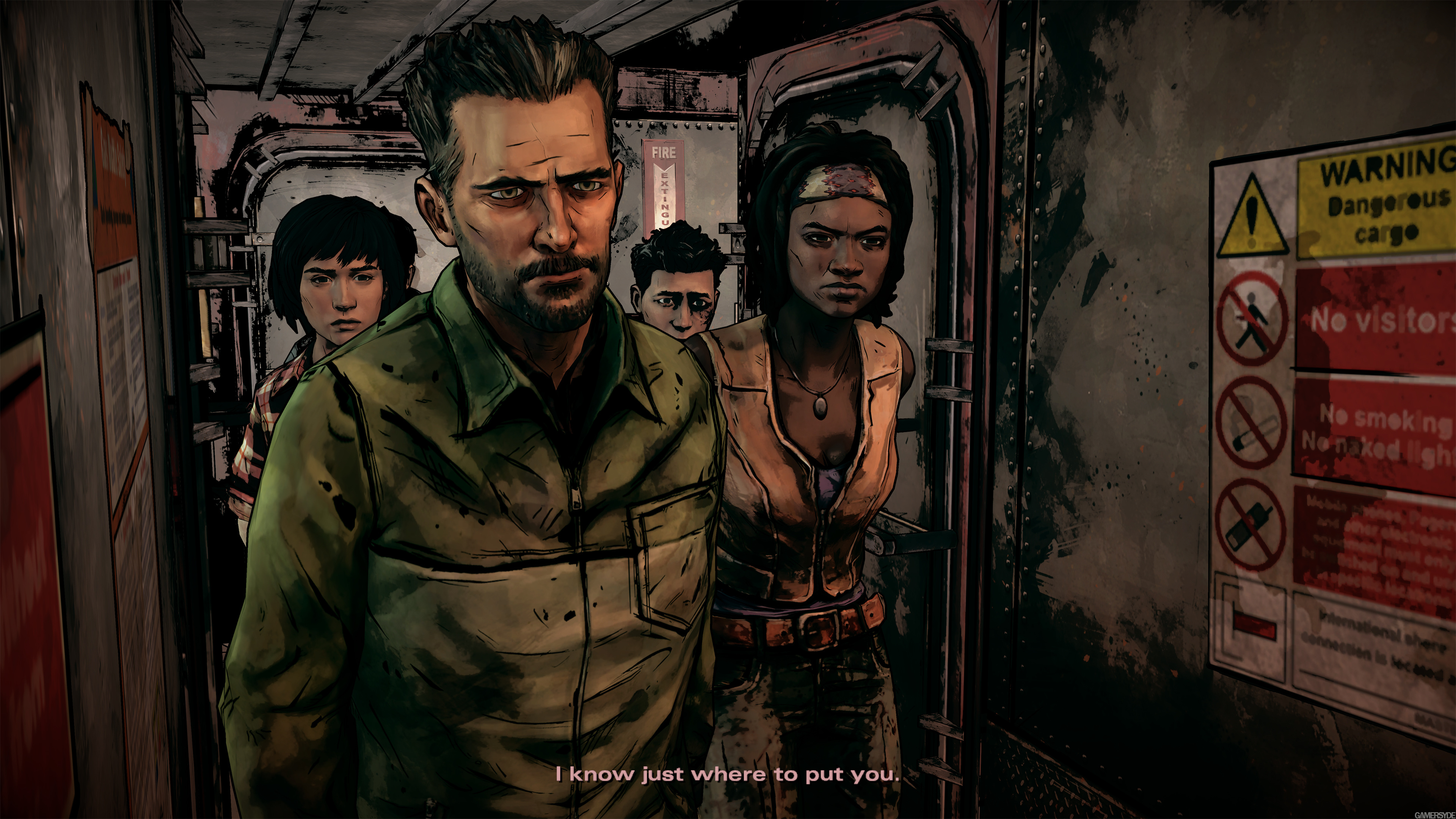
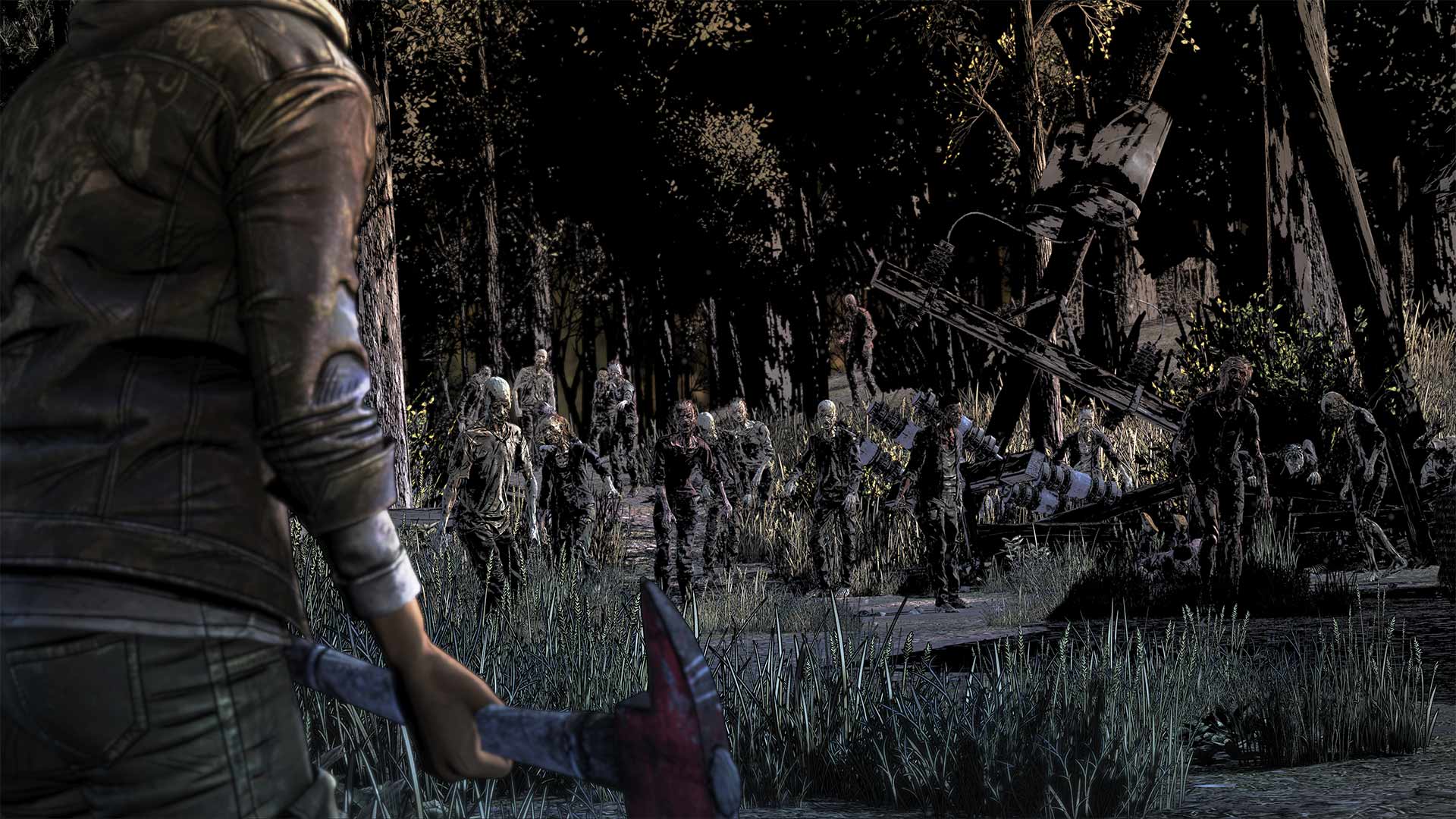
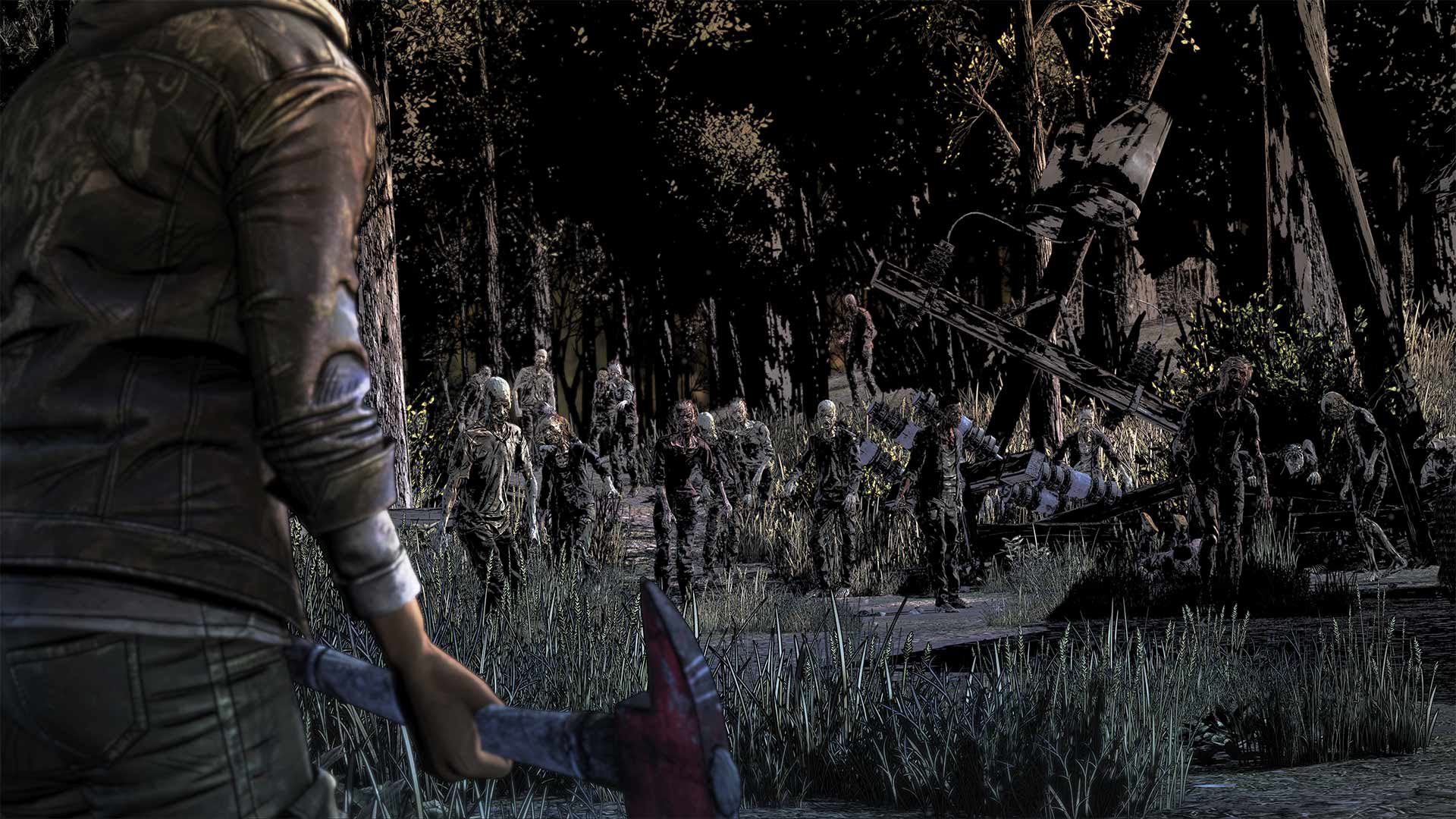
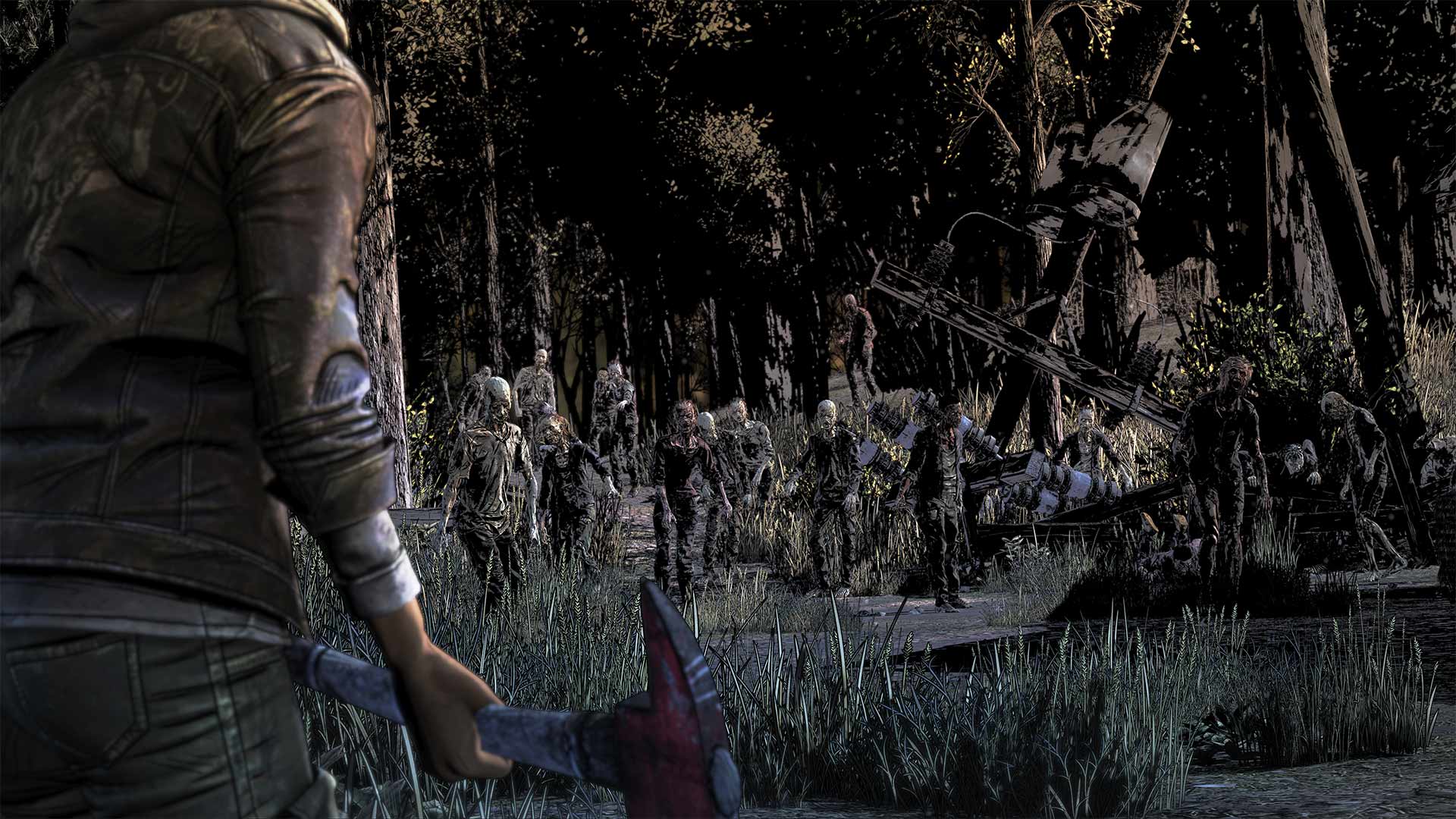
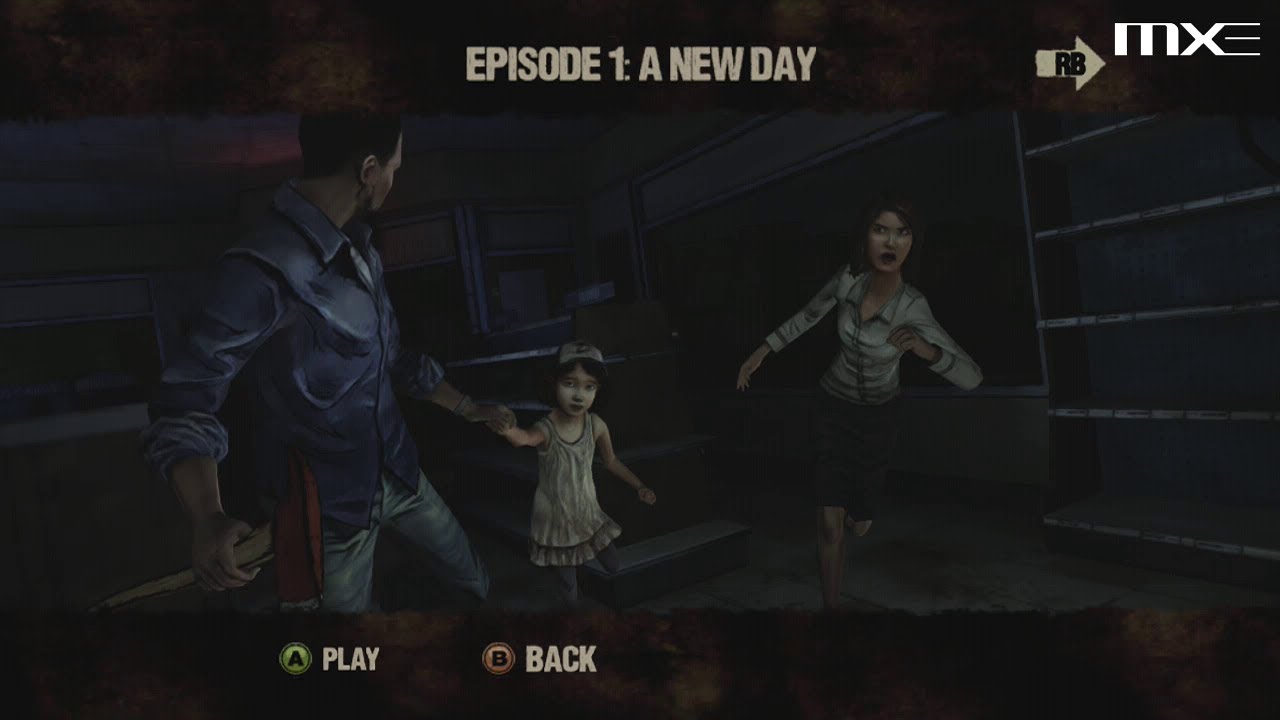
The visual direction of “The Walking Dead: Season 1” was a deliberate choice, prioritizing emotional resonance over graphical fidelity. While not pushing the boundaries of next-gen technology at the time, the proprietary engine allowed for detailed character models and environments that effectively conveyed the game’s bleak atmosphere. The art style, characterized by its muted color palette and realistic textures, contributed significantly to the sense of despair and hopelessness that permeated the narrative. This visual approach ensured that players were constantly reminded of the stakes involved in every decision.
Gameplay Mechanics and Core Systems

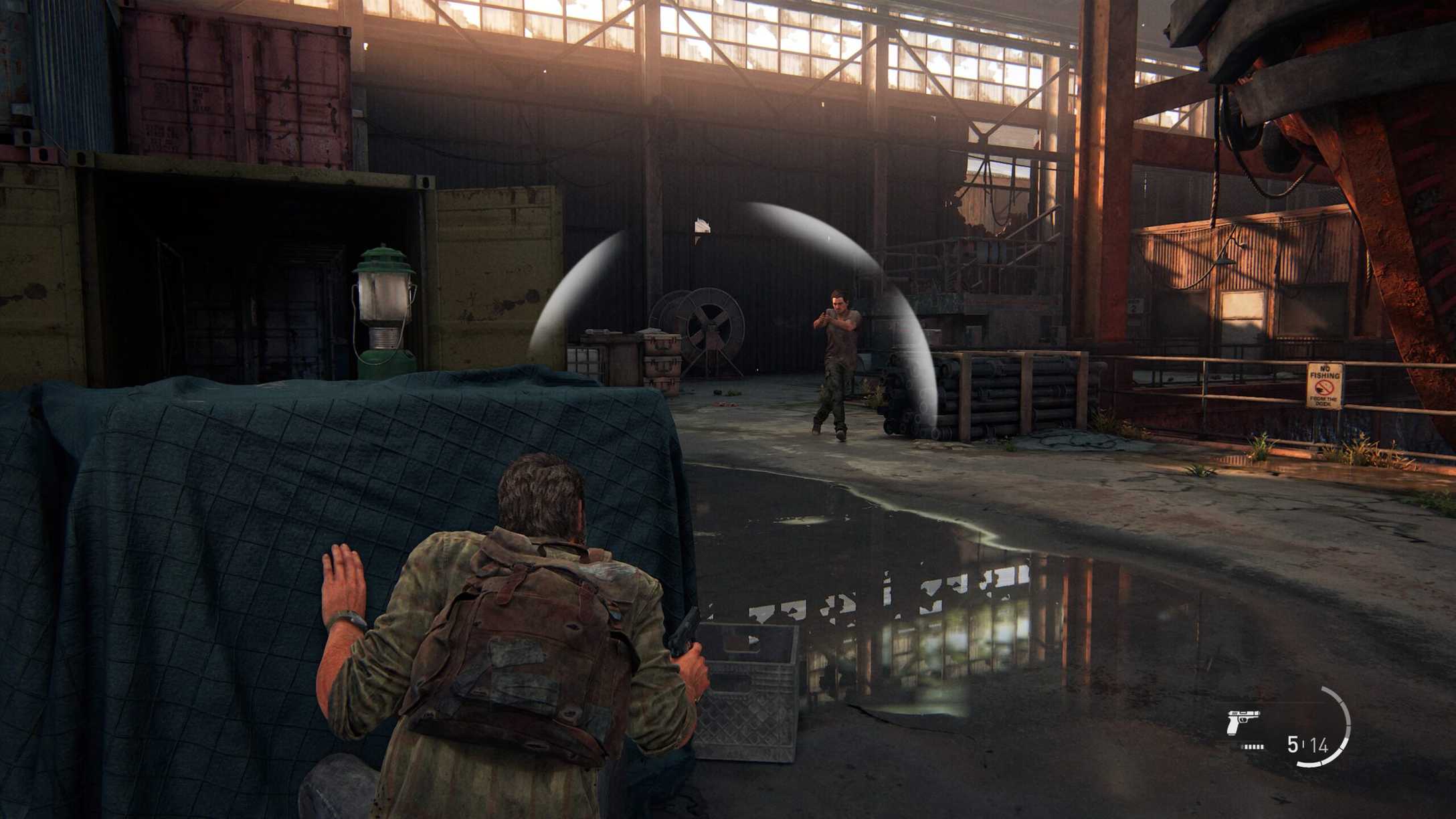
The gameplay mechanics of “The Walking Dead: Season 1” revolved around quick-time events (QTEs), dialogue choices, and inventory management. While seemingly simple, these systems were intricately woven into the narrative, forcing players to make difficult decisions with far-reaching consequences. The QTEs added a layer of tension and immediacy to key moments, while the dialogue choices allowed for significant player agency in shaping the story’s direction. Inventory management further emphasized the scarcity of resources in the post-apocalyptic world, adding another layer of strategic depth.
Level Design and World Atmosphere

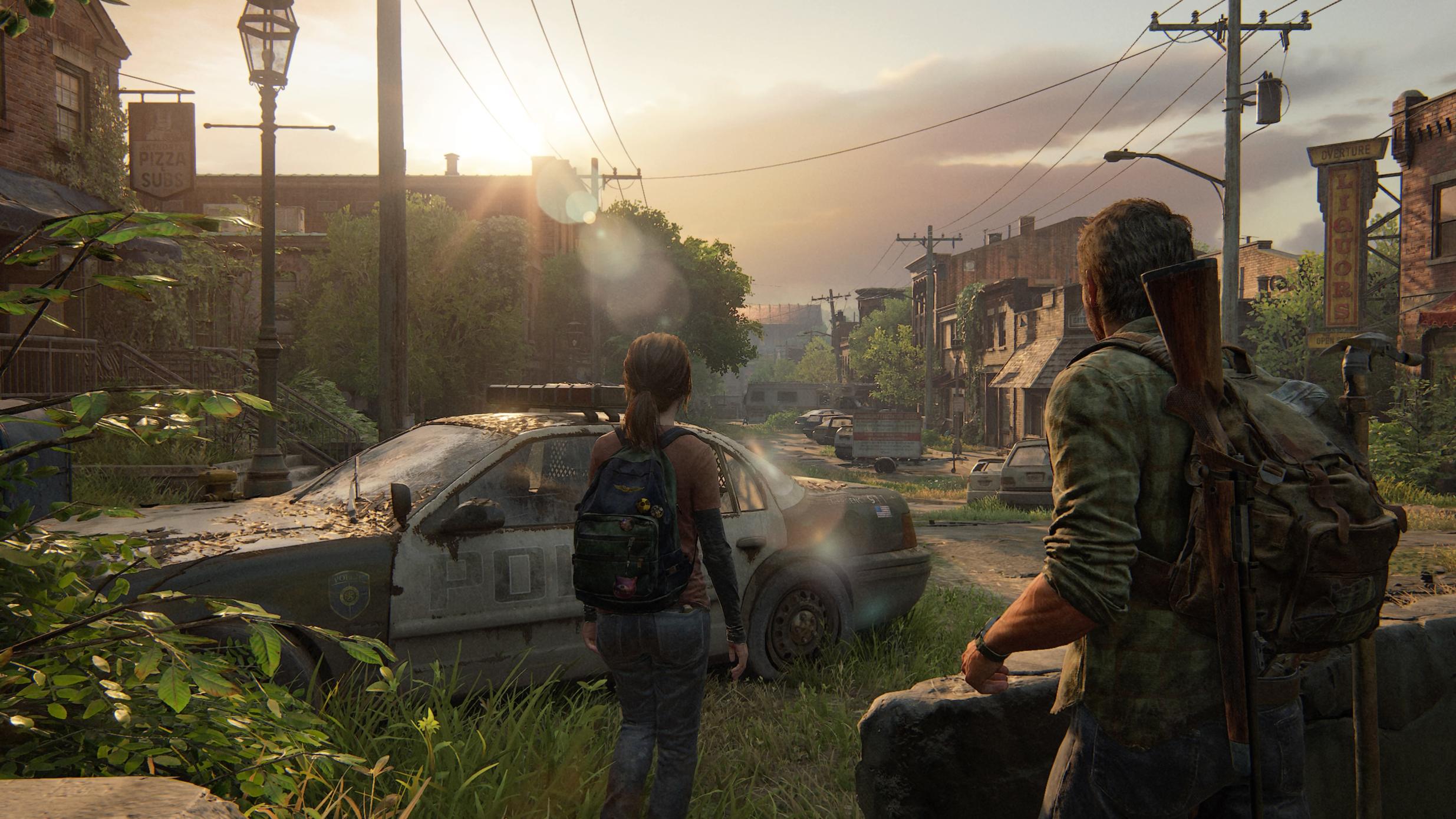
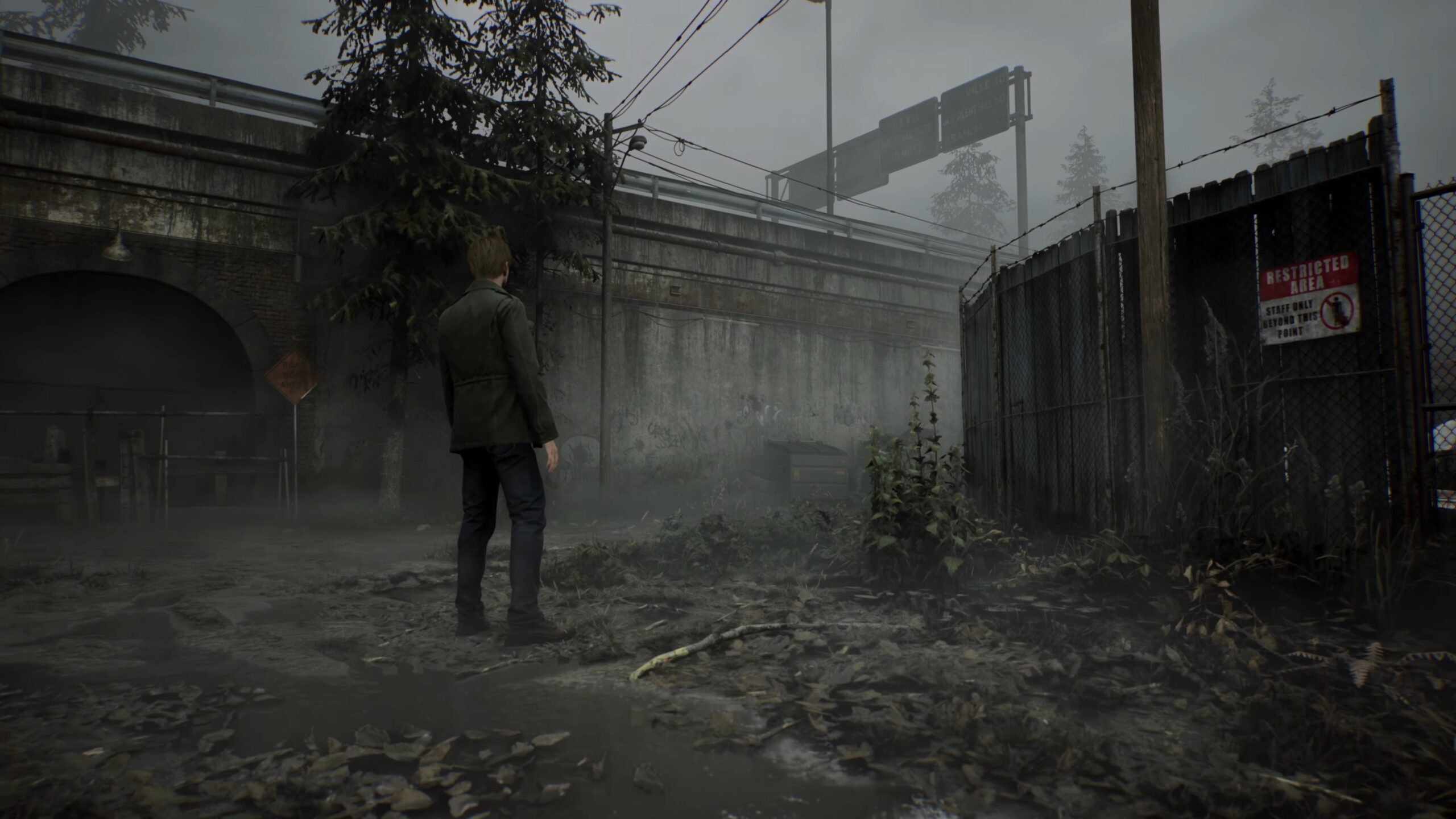
The level design in “The Walking Dead: Season 1” was meticulously crafted to create a sense of claustrophobia and vulnerability. Environments ranged from dilapidated farmhouses to abandoned hospitals, each location telling its own story of loss and decay. The game’s atmosphere was further enhanced by the use of dynamic lighting and sound effects, which created a constant feeling of unease and anticipation. This careful attention to detail helped immerse players in the world and made them feel truly present in the narrative.
Narrative Depth and Character Profiles
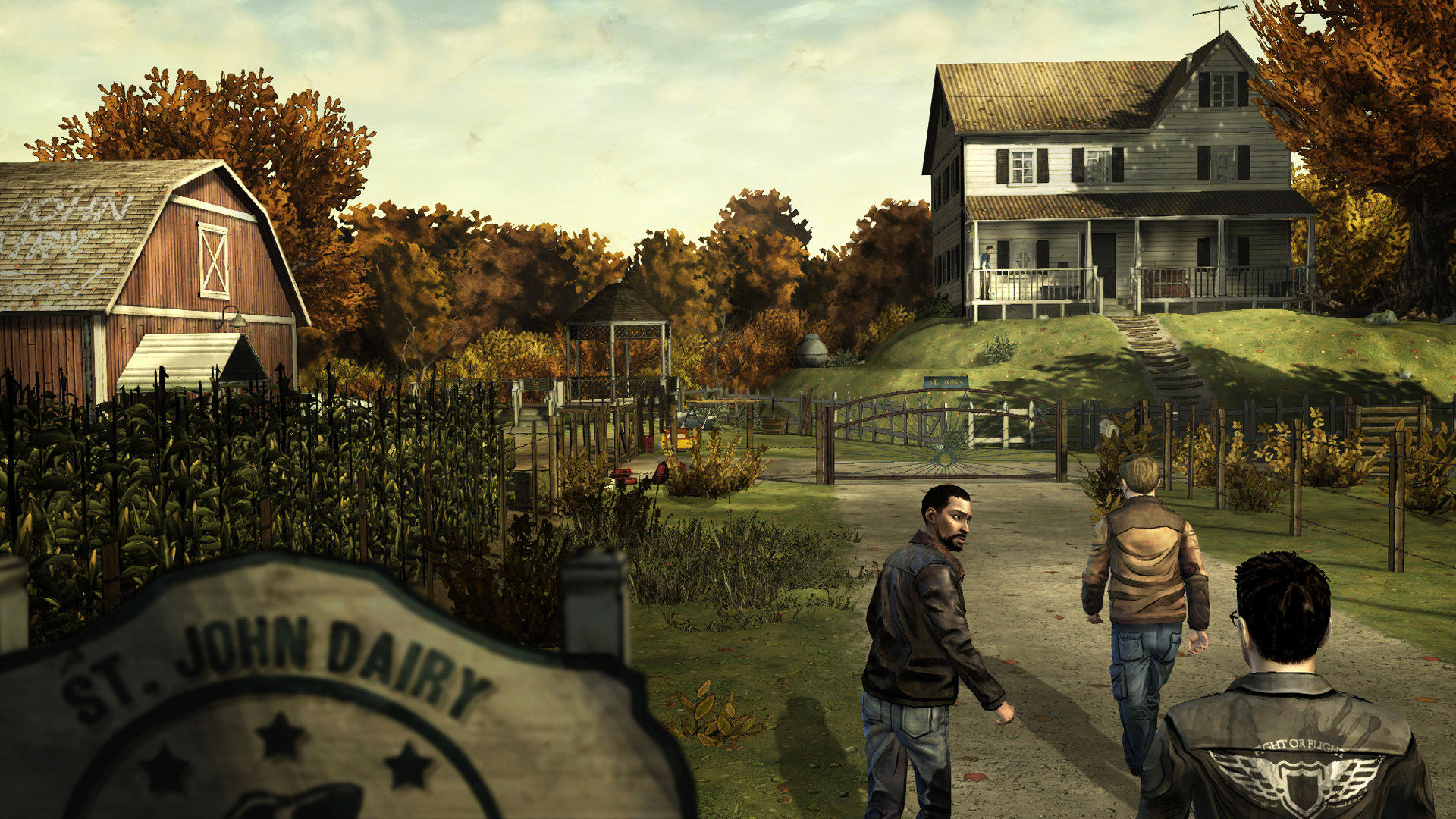
The heart of “The Walking Dead: Season 1” lies in its compelling narrative and well-developed characters. Players were introduced to a diverse cast of survivors, each with their own motivations, flaws, and backstories. The game explored themes of loss, grief, hope, and the lengths people will go to protect those they care about. Lee Everett, the protagonist, became an iconic figure in gaming due to his complex personality and the difficult choices he was forced to make. Clementine, the young girl under his protection, formed a powerful emotional bond with players, making her fate deeply impactful.
Sound Design and Acoustic Realism

The sound design of “The Walking Dead: Season 1” played a crucial role in creating its immersive atmosphere. The use of ambient sounds, such as wind howling through broken windows or the distant moans of walkers, heightened the sense of isolation and danger. The voice acting was also exceptional, bringing depth and emotion to each character’s performance.
The combination of these elements created a truly unforgettable auditory experience that further enhanced the game’s emotional impact.
Release Expectations and Community Hype

Prior to its release, “The Walking Dead: Season 1” generated significant hype within the gaming community. Its unique blend of narrative-driven gameplay and emotionally charged storytelling set it apart from other titles in the zombie genre. The anticipation was further fueled by early previews and trailers that showcased the game’s compelling characters and gripping storyline. This pre-release buzz translated into strong sales and critical acclaim upon its launch, solidifying its place as a landmark achievement in interactive entertainment.
Conclusion: The Future of The Walking Dead: Season 1

“The Walking Dead: Season 1” remains a testament to the power of storytelling in video games. Its innovative approach to gameplay mechanics, coupled with its emotionally resonant narrative and memorable characters, has left an indelible mark on the industry. While subsequent installments have expanded upon the universe and refined the gameplay, the original season will always be remembered as the game that redefined what it means to experience a zombie apocalypse through interactive storytelling.

Source: Wikipedia