Introduction: The Next Chapter for The Stanley Parable

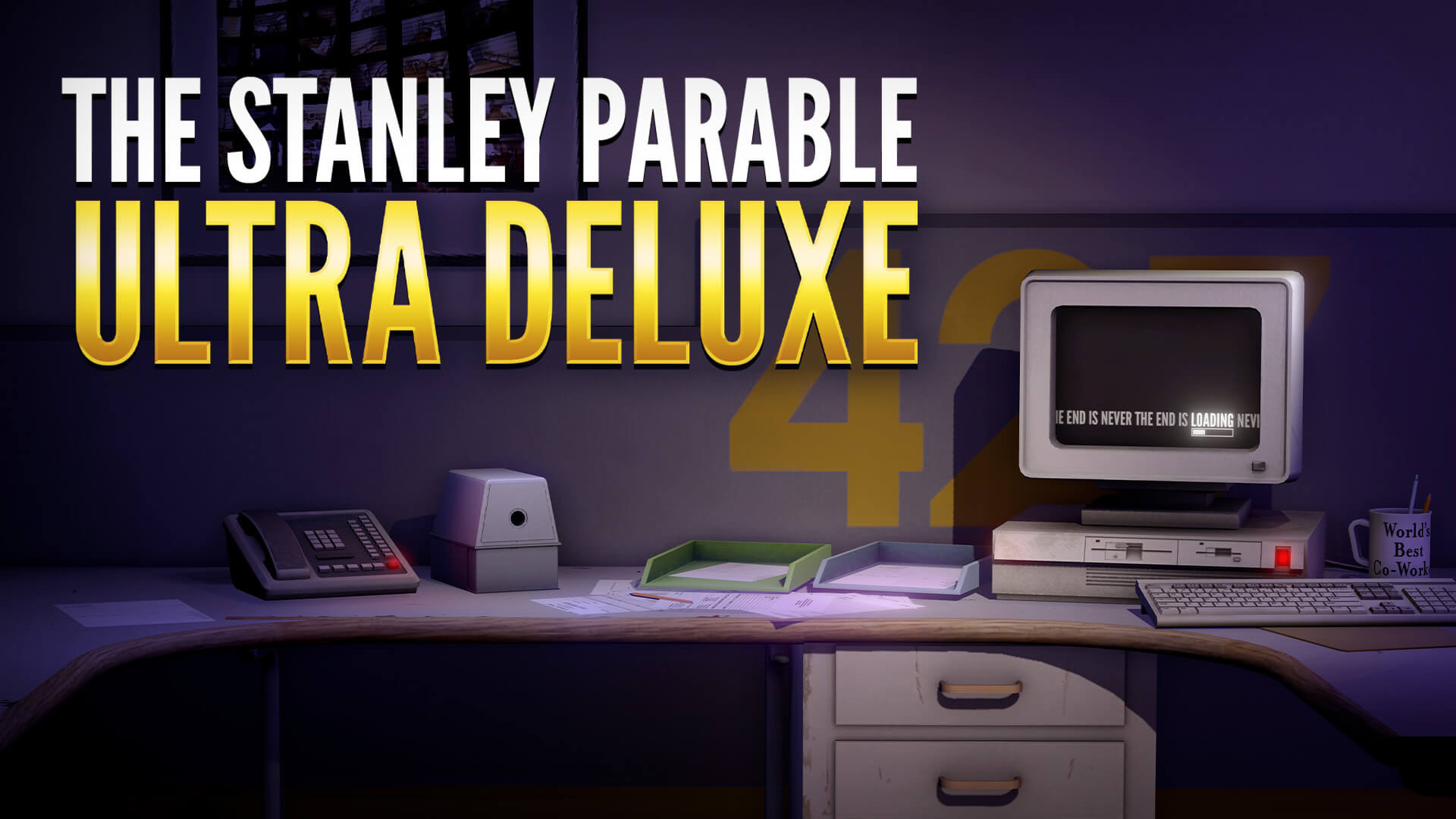
“The Stanley Parable,” a game that transcends the typical video game experience, isn’s just a title; it’s an invitation to question reality itself. Originally conceived as a free modification for Valve’s “Half-Life 2,” this project by Davey Wreden and William Pugh evolved into a standalone masterpiece using the Source engine. More than just a game, it’s a meta-narrative exploration of choice, consequence, and the very nature of player agency within the confines of a virtual world. The game’s enduring appeal lies in its ability to constantly surprise and challenge players, making each playthrough unique and thought-provoking. This deep dive will dissect every facet of “The Stanley Parable,” from its visual direction to its philosophical underpinnings.
Visual Direction and Graphics Engineering
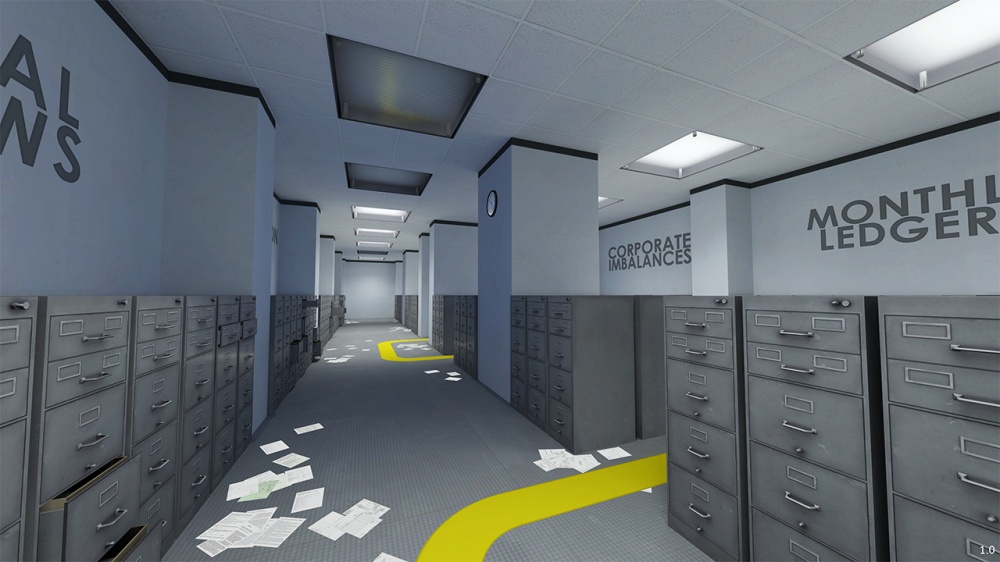
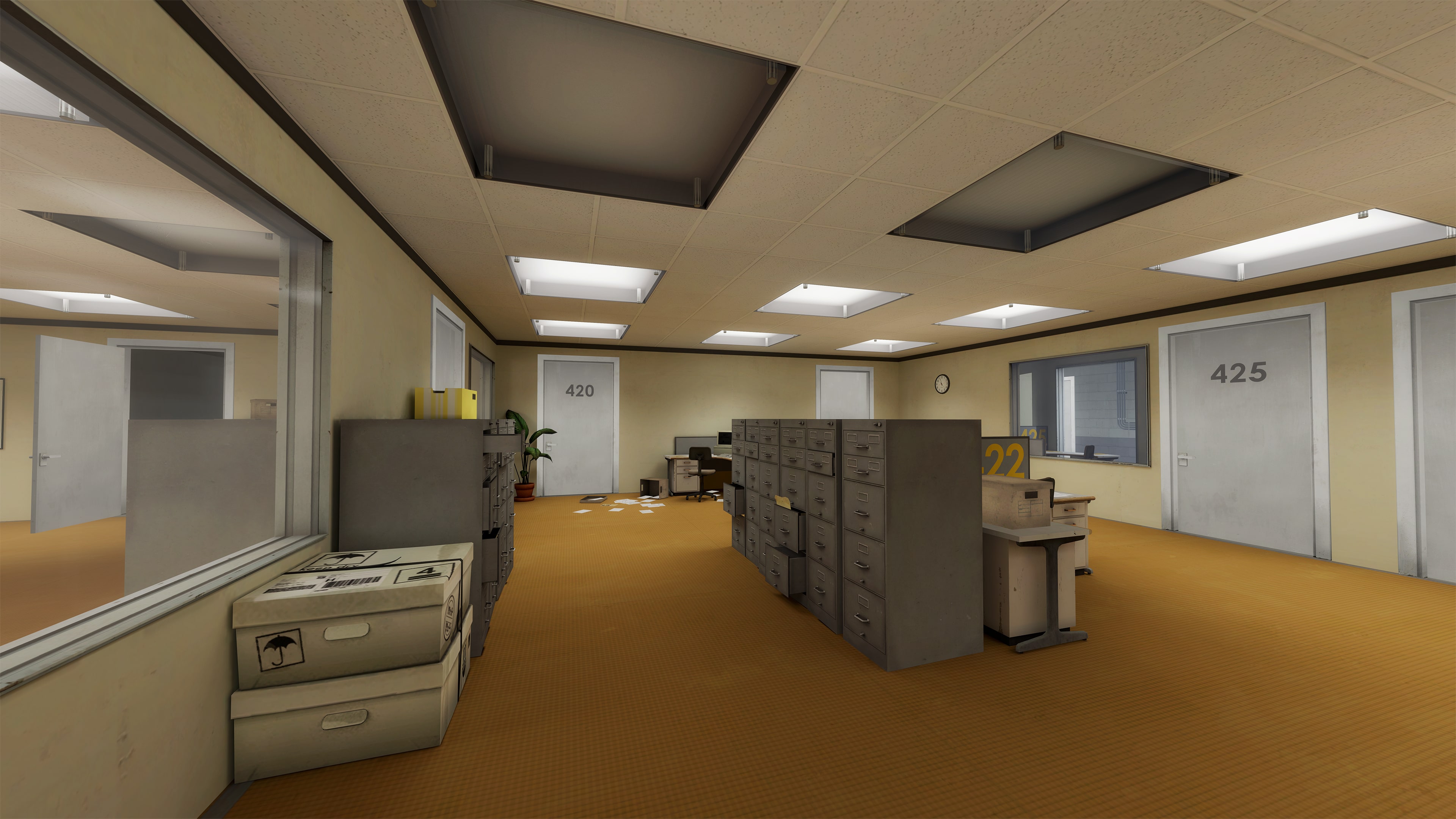
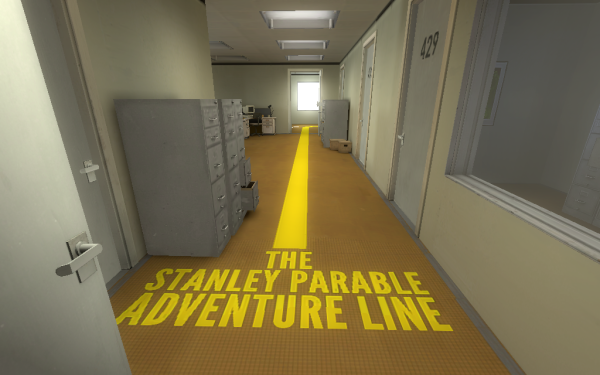
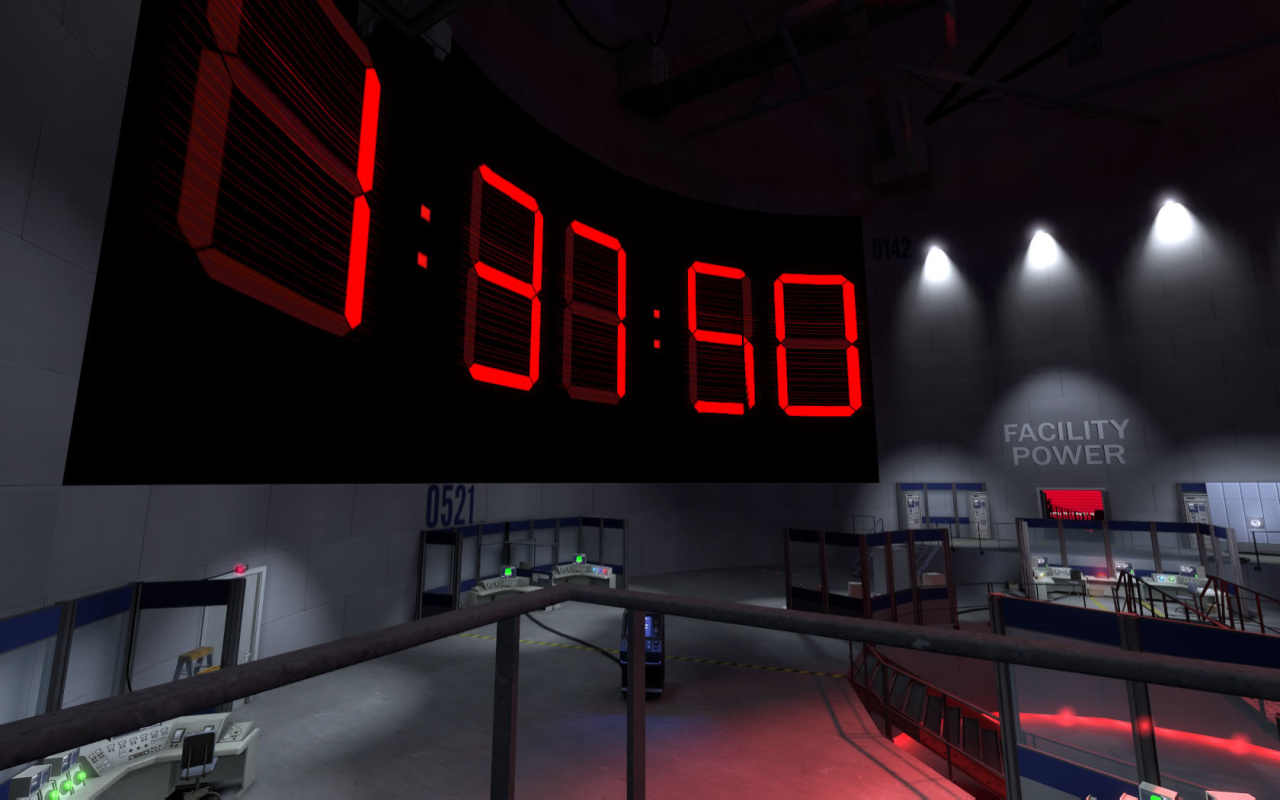
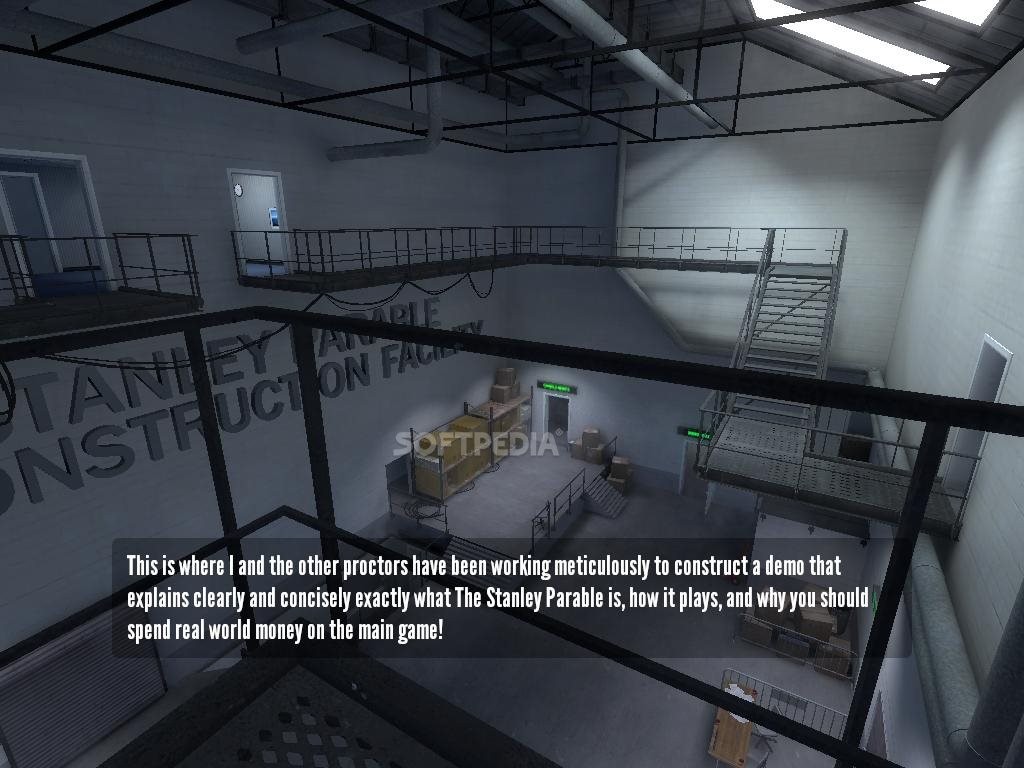
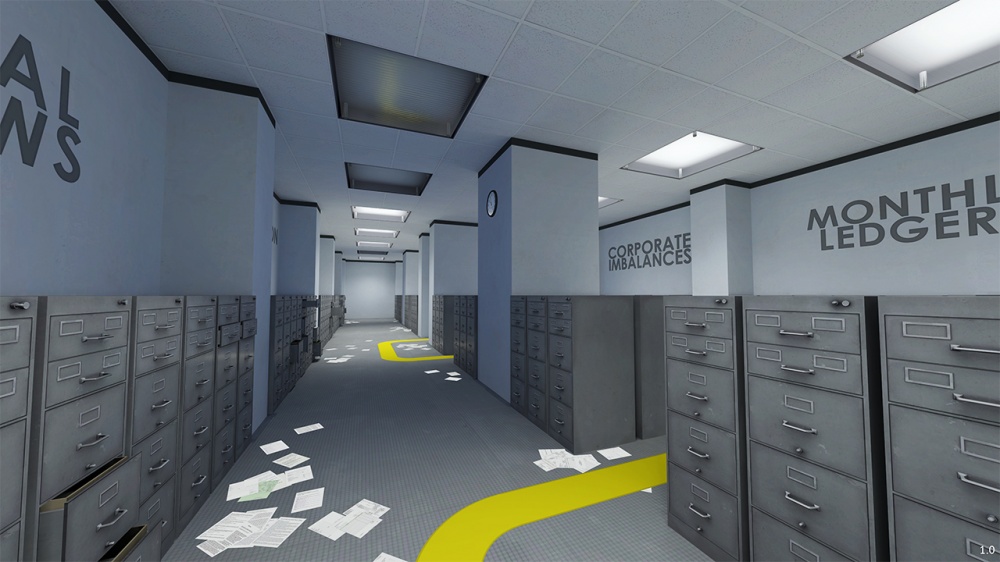
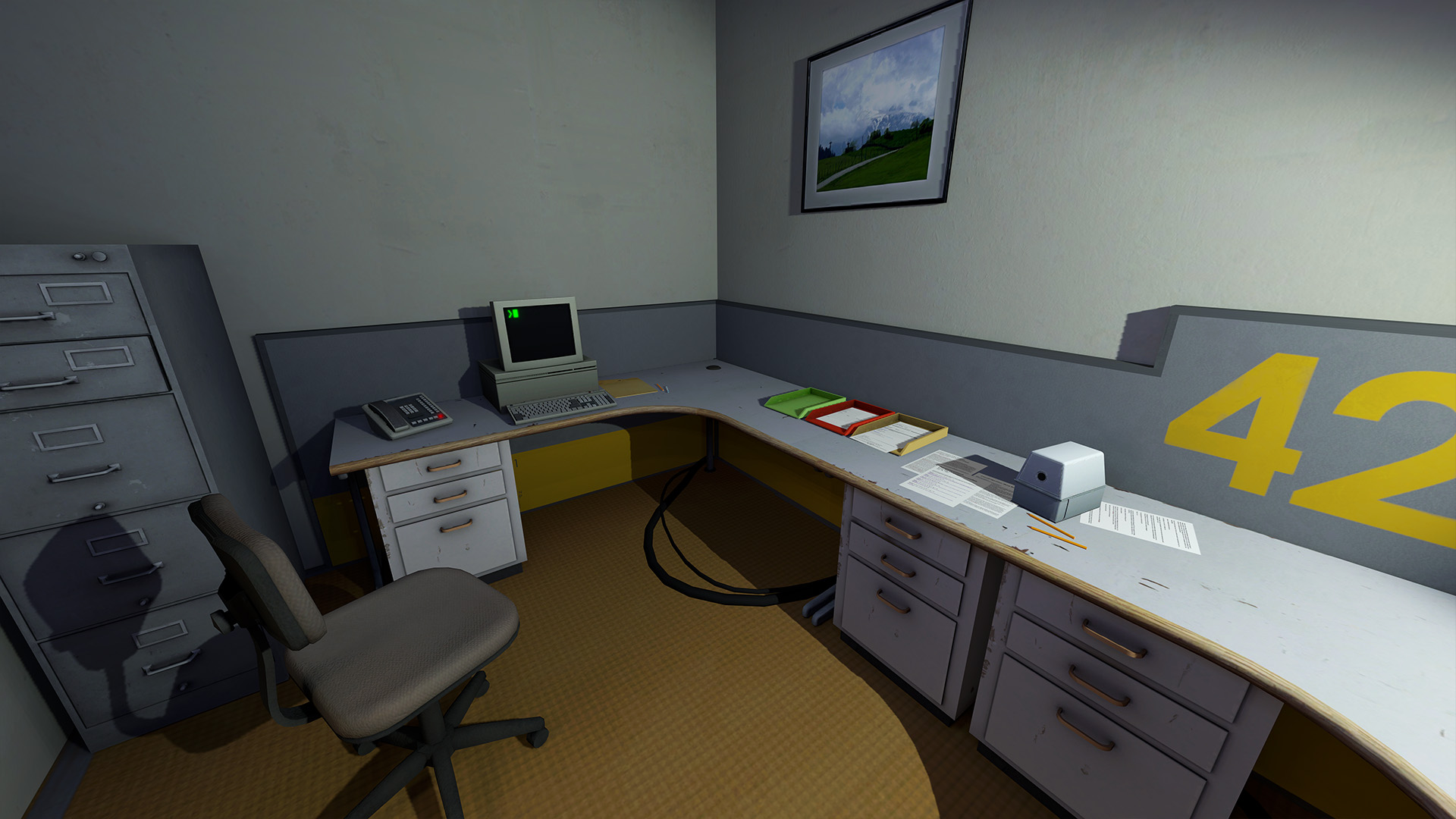
While built upon the Source engine, “The Stanley Parable” distinguishes itself through a deliberate aesthetic choice: simplicity. The environments are clean, almost sterile, creating a sense of unease and isolation. This minimalist approach serves to highlight the game’s core themes and allows the player to focus on the narrative rather than being distracted by overly complex visuals. The graphics aren’t groundbreaking, but they are perfectly suited to the game’s tone. The developers consciously avoided high-fidelity textures and detailed models, opting instead for a style that evokes a sense of artificiality and control. This deliberate choice reinforces the feeling that the player is trapped within a carefully constructed simulation. The use of lighting is also crucial, often creating stark contrasts that emphasize the game’s unsettling atmosphere.
Gameplay Mechanics and Core Systems

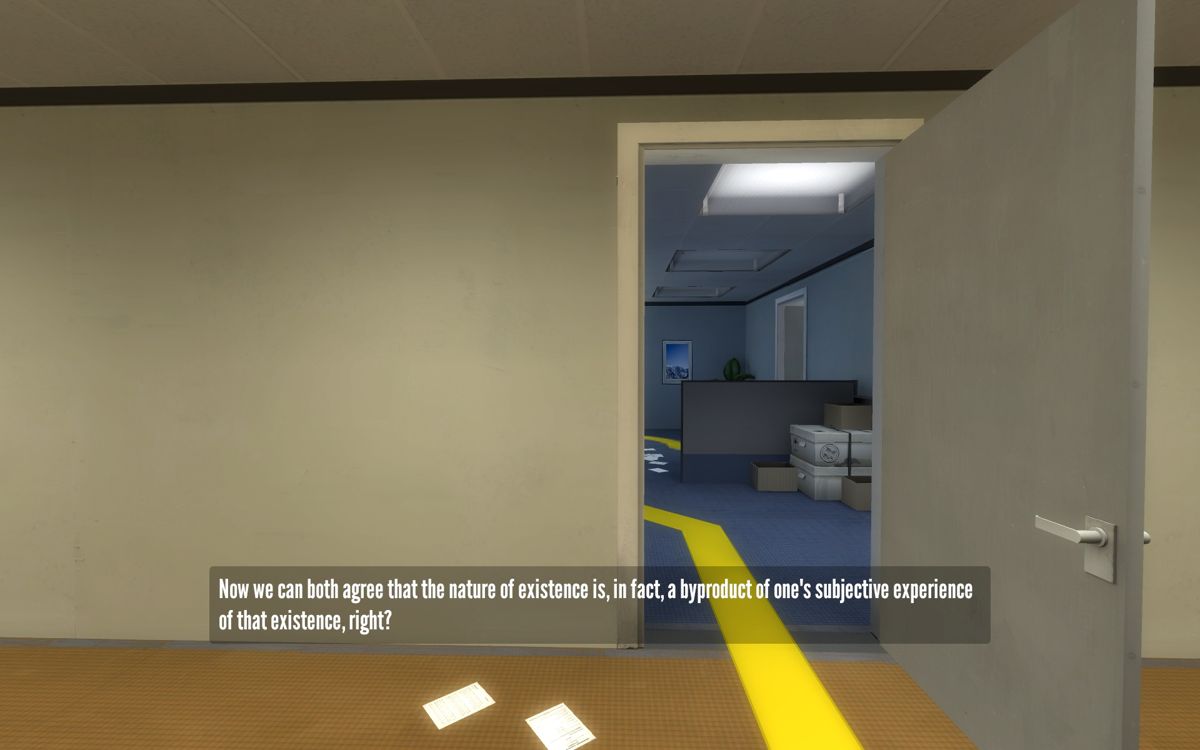
“The Stanley Parable” subverts traditional gameplay mechanics. There are no combat encounters, puzzles to solve in the conventional sense, or skill-based challenges. The primary mechanic revolves around choice – or rather, the illusion of choice. Players are guided by an unseen narrator (voiced brilliantly by Kevan Brighting) who provides instructions and commentary. However, players are free to ignore these instructions entirely, leading to a multitude of different outcomes and endings. This simple yet profound mechanic allows for immense replayability and encourages experimentation. The game’s core system is built around the player’s interaction with the narrator, creating a dynamic relationship that constantly shifts and evolves.
Level Design and World Atmosphere
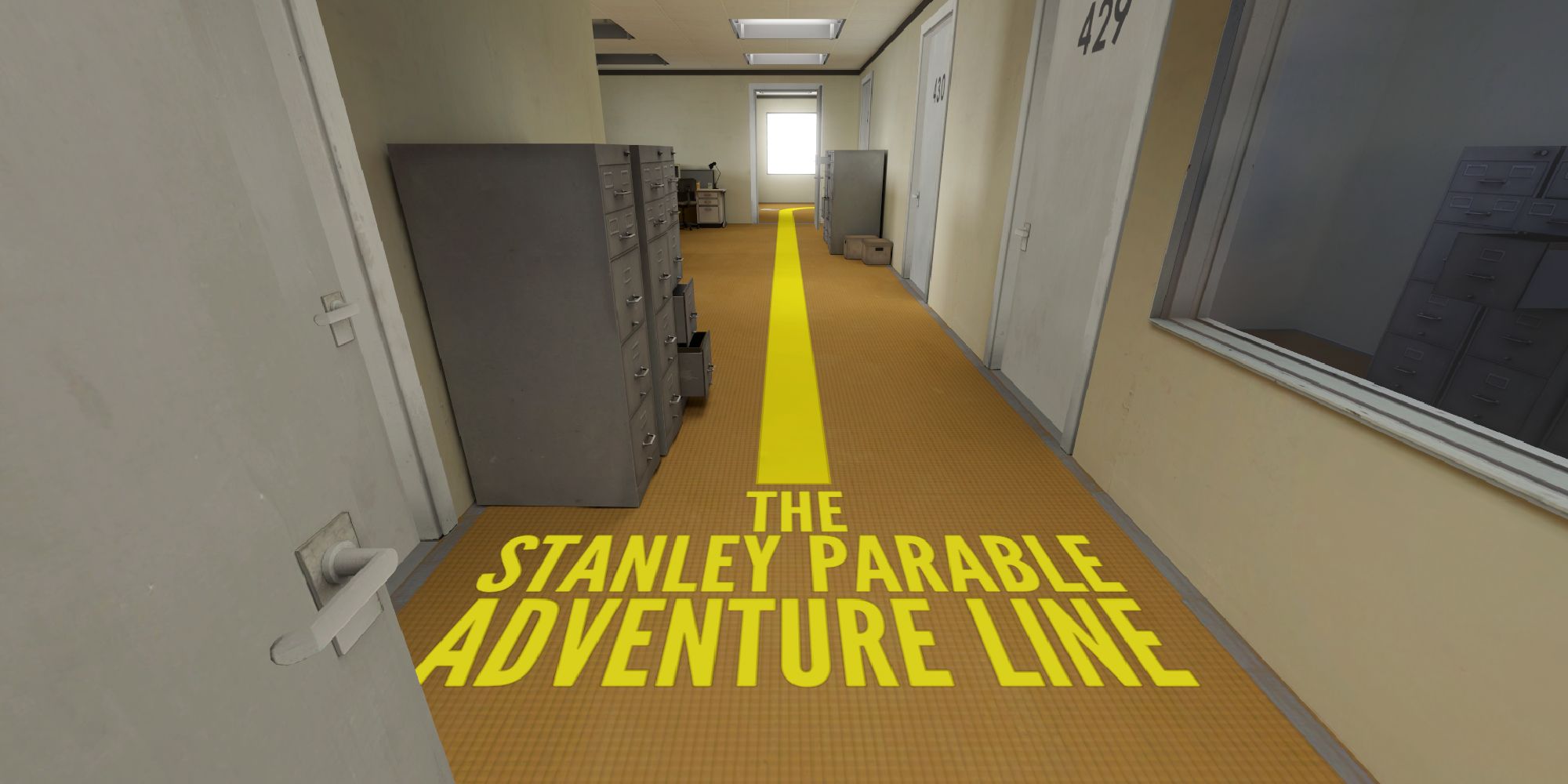
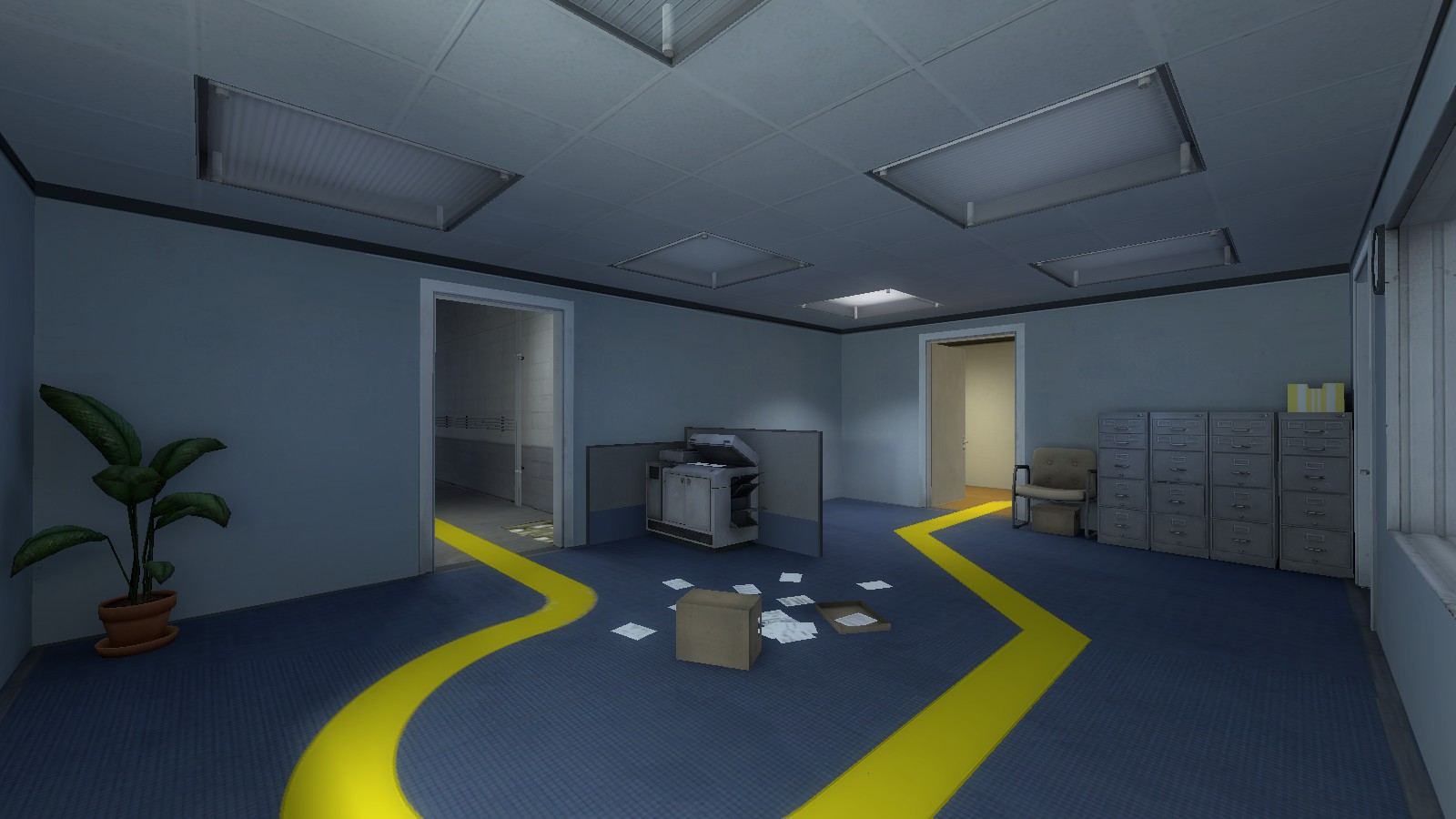
The level design in “The Stanley Parable” is deceptively simple. The initial office environment is meticulously crafted to create a sense of familiarity and routine. However, as the player deviates from the prescribed path, the environments become increasingly surreal and unpredictable. From the seemingly endless hallways to the bizarre and nonsensical rooms, each location contributes to the game’s overall atmosphere of unease and disorientation. The use of repetition is also key, with certain areas appearing multiple times in different contexts, further blurring the lines between reality and illusion. The level design serves not only as a backdrop for the narrative but also as an active participant in it, constantly challenging the player’s expectations and perceptions.
Narrative Depth and Character Profiles
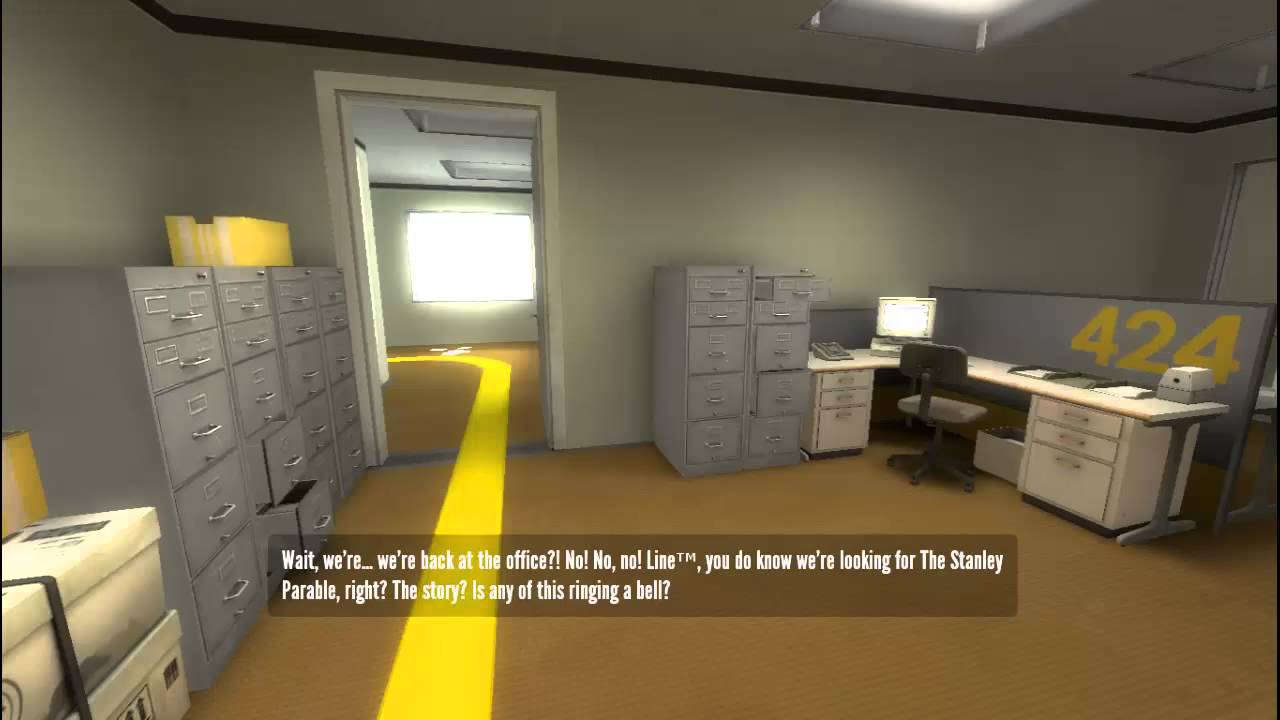
“The Stanley Parable” is more than just a game; it’s a philosophical exploration of free will, determinism, and the nature of storytelling itself. The narrator serves as both a guide and an antagonist, constantly commenting on the player’s actions and challenging their choices. Stanley, the silent protagonist, becomes a blank slate onto which players can project their own desires and motivations. While Stanley himself lacks a defined personality, his silence allows players to fully immerse themselves in the experience and become active participants in the narrative. The game’s brilliance lies in its ability to create a compelling story without relying on traditional character development or plot exposition.
Sound Design and Acoustic Realism
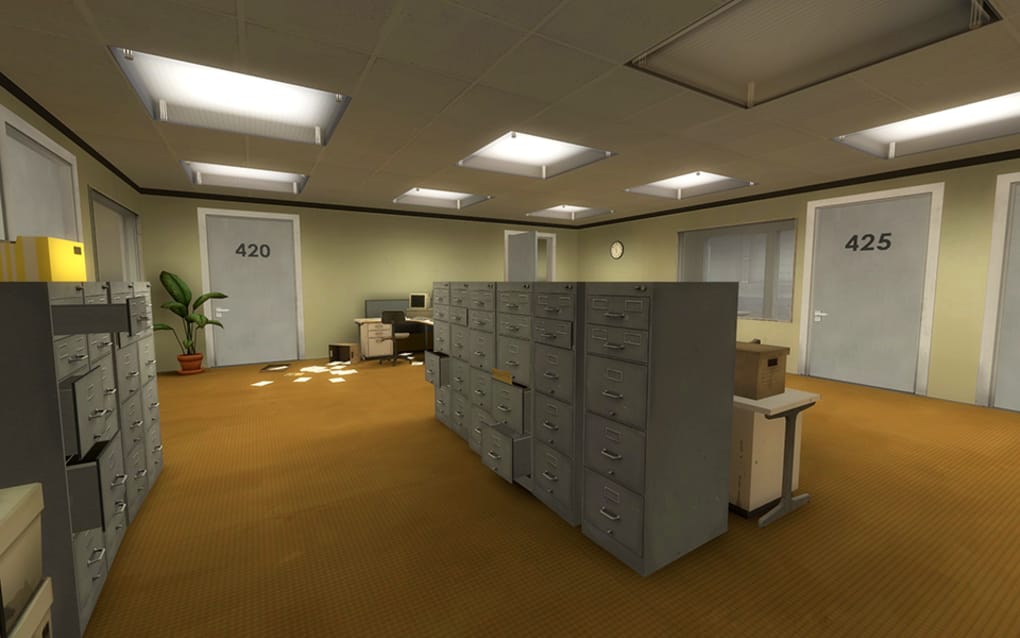
The sound design in “The Stanley Parable” is crucial to creating its unsettling atmosphere. The narrator’s voice, both comforting and menacing, guides the player through the experience. Ambient sounds, such as the hum of fluorescent lights and the distant clatter of machinery, contribute to the sense of isolation and unease. The use of silence is also important, allowing moments of quiet contemplation and amplifying the impact of sudden noises. The sound design works in perfect harmony with the visuals to create a truly immersive and unforgettable experience.
Release Expectations and Community Hype

The initial release of “The Stanley Parable” as a free modification for “Half-Life 2” generated significant buzz within the gaming community. Its unique premise and innovative gameplay quickly garnered attention, leading to widespread acclaim. The subsequent standalone release on Steam further amplified its popularity, attracting both hardcore gamers and casual players alike. The game’s success can be attributed not only to its originality but also to its accessibility. It’s a relatively short experience that can be completed in a few hours, making it an ideal choice for those seeking a thought-provoking and unconventional gaming experience.
Conclusion: The Future of The Stanley Parable
“The Stanley Parable” remains a landmark achievement in game design, demonstrating the power of simplicity and innovation. Its enduring appeal lies in its ability to challenge players’ expectations and encourage critical thinking about the nature of games themselves. While sequels or direct continuations are unlikely given the unique nature of the original experience, the influence of “The Stanley Parable” can be seen in numerous subsequent titles that embrace unconventional gameplay mechanics and meta-narrative storytelling. It serves as a constant reminder that games can be more than just entertainment; they can be powerful tools for exploring complex ideas and challenging our perceptions of reality.

Source: Wikipedia