Introduction: The Next Chapter for The Path
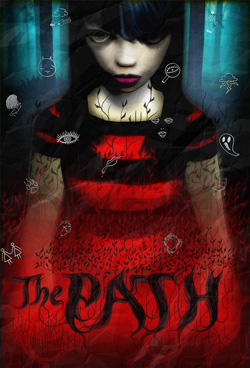
"The Path," developed by Tale of Tales, isn't just a game; it's an experience. Originally released in 1998 and later enhanced, this psychological horror art game challenges players to confront their fears and explore the darker aspects of human nature. It’s a title that transcends traditional gaming conventions, inviting introspection and contemplation rather than offering straightforward entertainment. This deep dive will dissect every facet of "The Path," from its groundbreaking engine to its haunting narrative, revealing why it remains a landmark achievement in interactive storytelling. The game's initial release was followed by numerous updates and expansions, each adding layers of complexity and depth to the original experience.
Visual Direction and Graphics Engineering
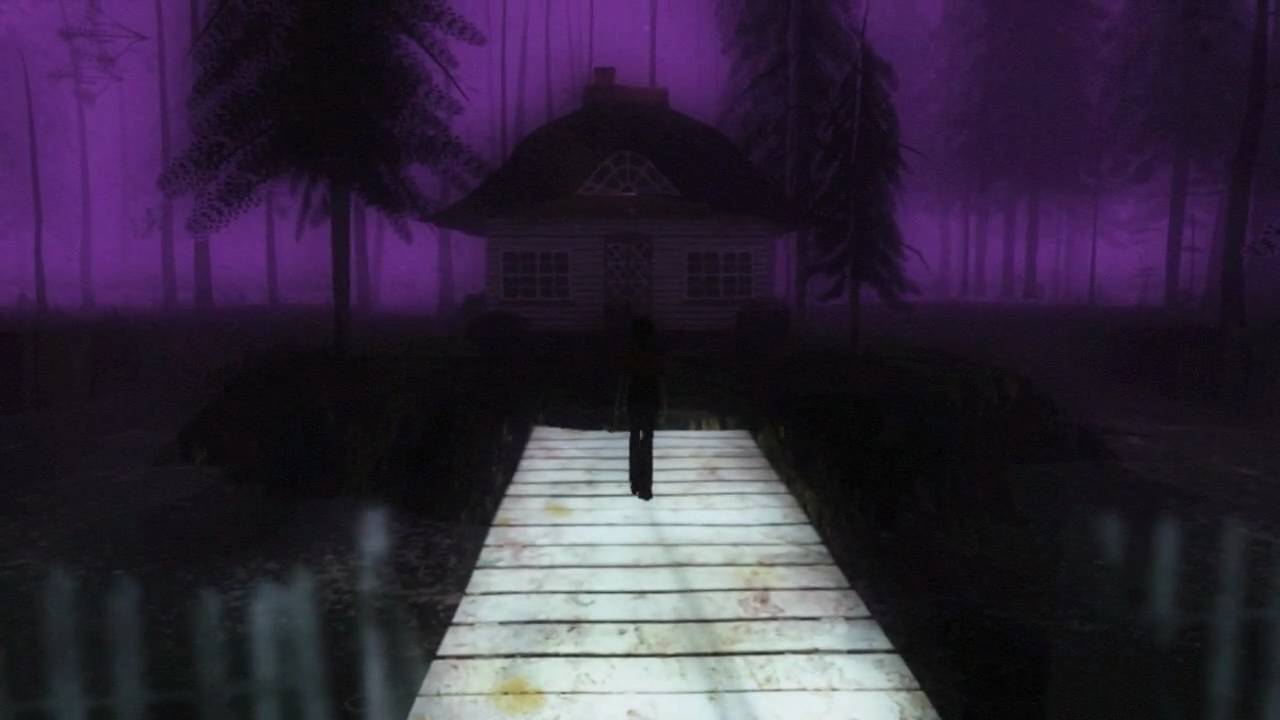
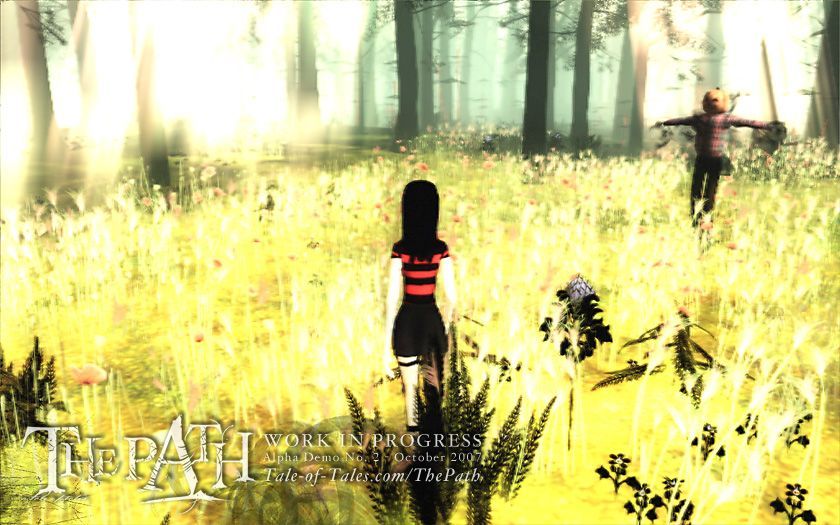
"The Path" boasts a unique visual style that blends realism with surrealism. The environments are rendered with meticulous detail, creating a sense of immersion that draws players into the game's unsettling atmosphere. The developers utilized a proprietary engine designed to push the boundaries of graphical fidelity while maintaining an artistic vision. This involved innovative techniques for lighting, texture mapping, and character animation, all contributing to the game's distinctive aesthetic. While technically dated by modern standards, the visual style remains impactful due to its deliberate choices and artistic execution. The developers prioritized atmosphere over raw processing power, resulting in a visually striking experience that continues to captivate players.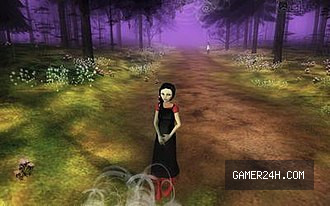
Gameplay Mechanics and Core Systems
The gameplay of "The Path" is unconventional and deliberately paced. Players control one of six sisters, each tasked with delivering goods to their ailing grandmother. The core mechanic revolves around choice: whether to stay on the designated path or venture off into the surrounding woods. Straying from the path invariably leads to encounters with wolves, representing the dangers that lurk beneath the surface of seemingly idyllic settings. There is no "winning" strategy; instead, players are encouraged to embrace the losing paths and confront the consequences of their choices. This unconventional approach challenges traditional gaming conventions and invites introspection rather than offering straightforward entertainment.Level Design and World Atmosphere
The level design in "The Path" is crucial to its overall impact. The environments are meticulously crafted to evoke a sense of unease and foreboding. The use of lighting, shadows, and sound plays a vital role in creating an atmosphere of suspense and dread. The world feels both familiar and unsettling, reflecting the game's exploration of psychological themes. Each location is carefully designed to contribute to the overall narrative and enhance the player's emotional experience. The level design serves not only as a backdrop but also as an active participant in the storytelling process.Narrative Depth and Character Profiles
The narrative depth of "The Path" is one of its most compelling features. While seemingly simple on the surface, the story delves into complex themes of fear, vulnerability, and the darker aspects of human nature. The sisters are not merely characters; they represent different facets of the human psyche. Their interactions with the environment and each other reveal their inner struggles and vulnerabilities. The game's narrative is not delivered through exposition but rather emerges from the player's actions and observations. This approach allows for a more personal and immersive experience, encouraging players to interpret the story in their own way.Sound Design and Acoustic Realism
The sound design in "The Path" is integral to its atmosphere of dread. The use of ambient sounds, subtle musical cues, and realistic animal noises creates a sense of unease that permeates every moment of gameplay. The absence of music during key moments amplifies the tension, forcing players to confront their fears without distraction. The sound design is not merely decorative; it's an active participant in the storytelling process, guiding the player's emotional response and enhancing the overall sense of immersion.Release Expectations and Community Hype
While "The Path" initially received critical acclaim, its unconventional gameplay and lack of traditional action elements limited its mainstream appeal. However, a dedicated community has emerged over the years, drawn to the game's unique artistic vision and thought-provoking themes. The release of enhanced versions and expansions has reignited interest in the title, attracting new players and reminding long-time fans of its enduring power. The game's cult following is a testament to its ability to transcend time and continue to resonate with audiences seeking more than just simple entertainment.Conclusion: The Future of The Path
"The Path" remains a landmark achievement in interactive storytelling, pushing the boundaries of what video games can be. Its unique blend of artistic vision, unconventional gameplay, and thought-provoking themes continues to captivate players long after its initial release. While not for everyone, "The Path" offers a truly unforgettable experience for those willing to embrace its unconventional approach. The game's enduring legacy serves as a reminder that video games can be more than just entertainment; they can be powerful tools for exploring the human condition and challenging our perceptions of reality.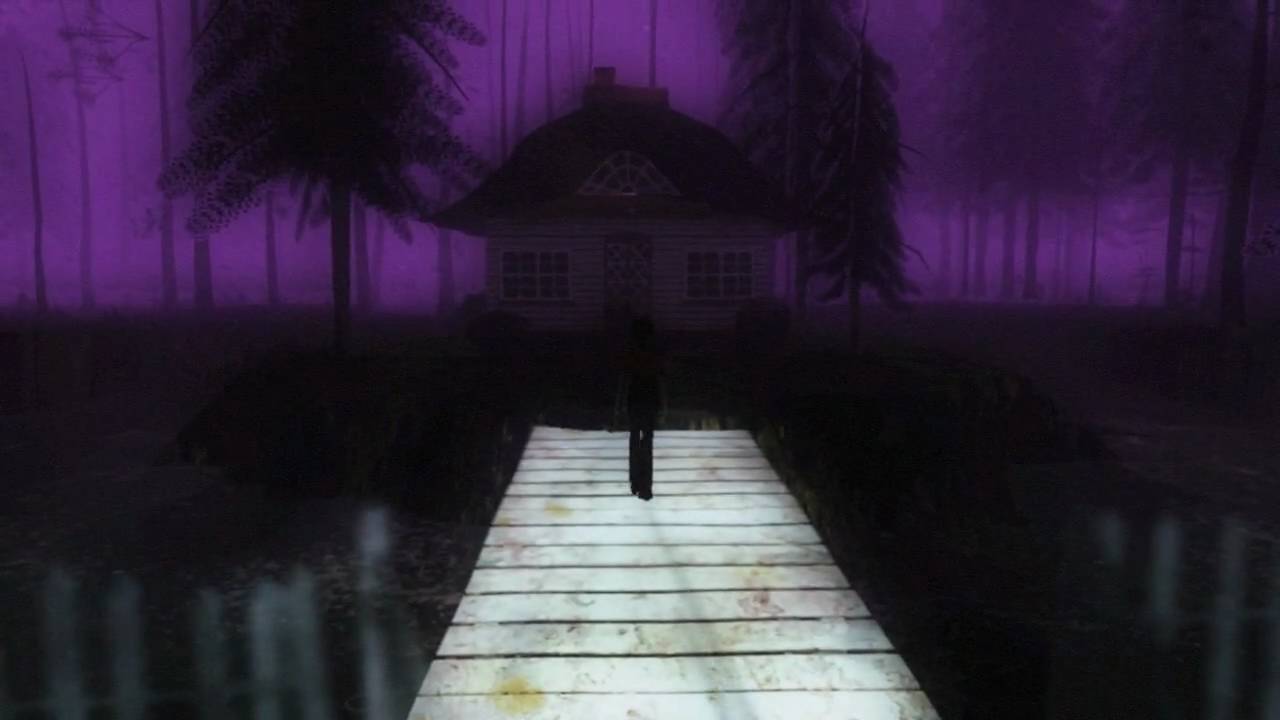
Source: Wikipedia
Google Preferred Source
Add us to your favorite news sources on Google
Get instant updates and breaking news directly in Google News