Introduction: The Next Chapter for The Legend of Zelda: Twilight Princess
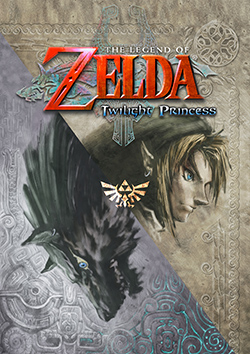
“The Legend of Zelda: Twilight Princess,” released in 2006 for both the GameCube and Wii, represents a pivotal moment in Nintendo’s storied franchise. Initially slated as a GameCube exclusive, its subsequent release on the Wii marked a significant shift towards motion controls and a broader audience. More than just a port, the Wii version incorporated enhanced visuals and gameplay tweaks, solidifying its place as a landmark title. This deep dive explores the game’s technical achievements, artistic vision, and lasting impact.
Visual Direction and Graphics Engineering
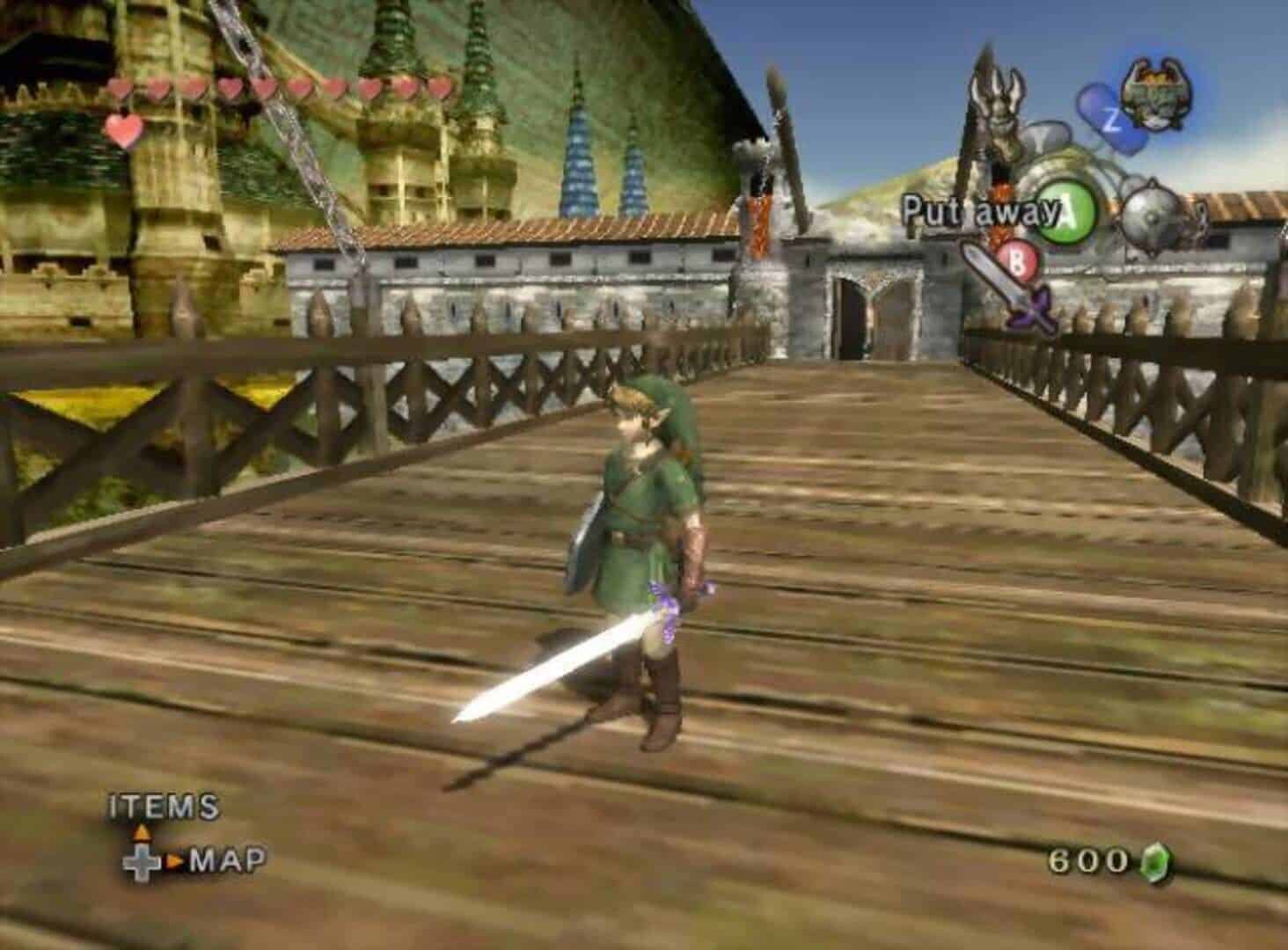
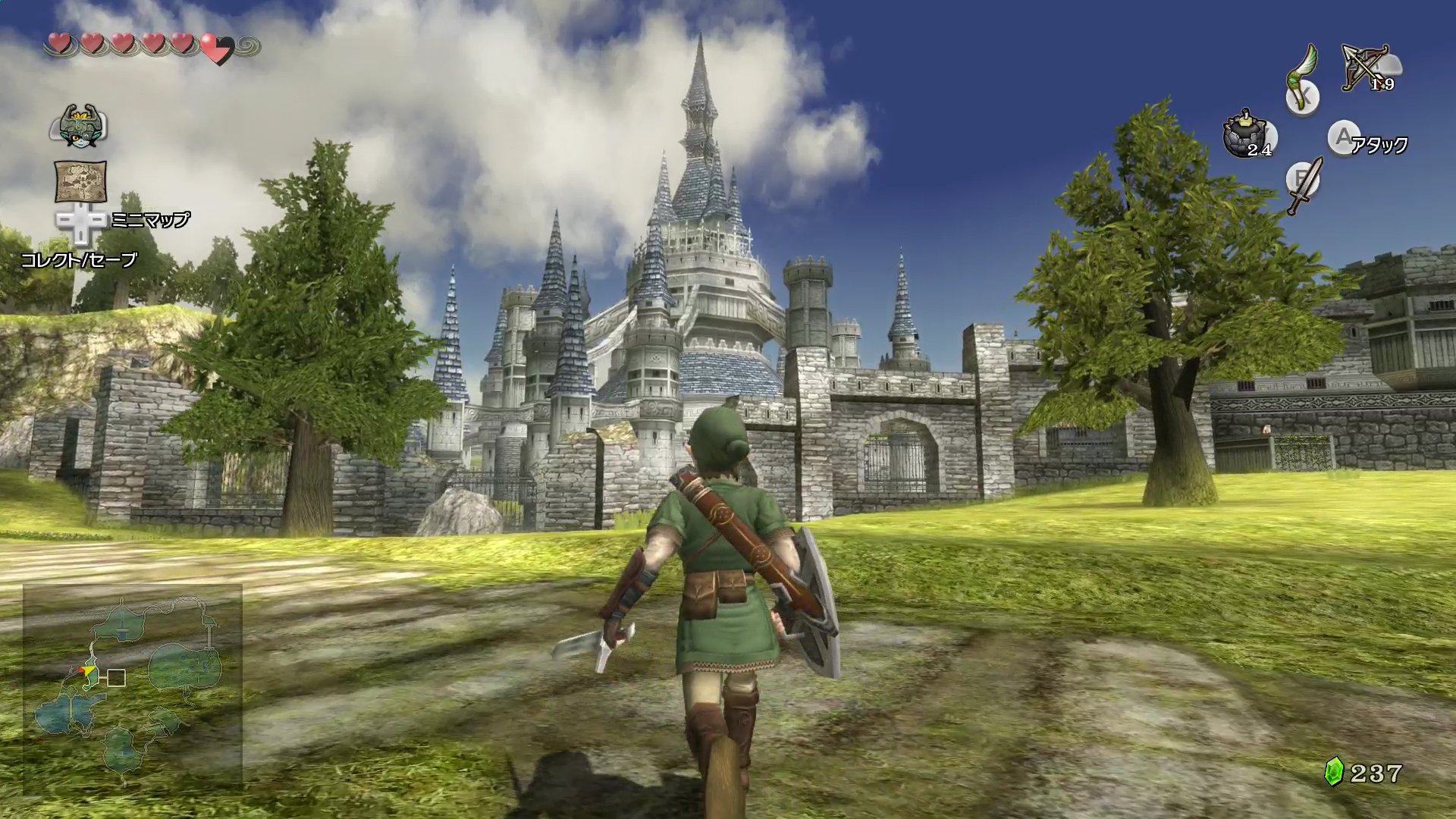
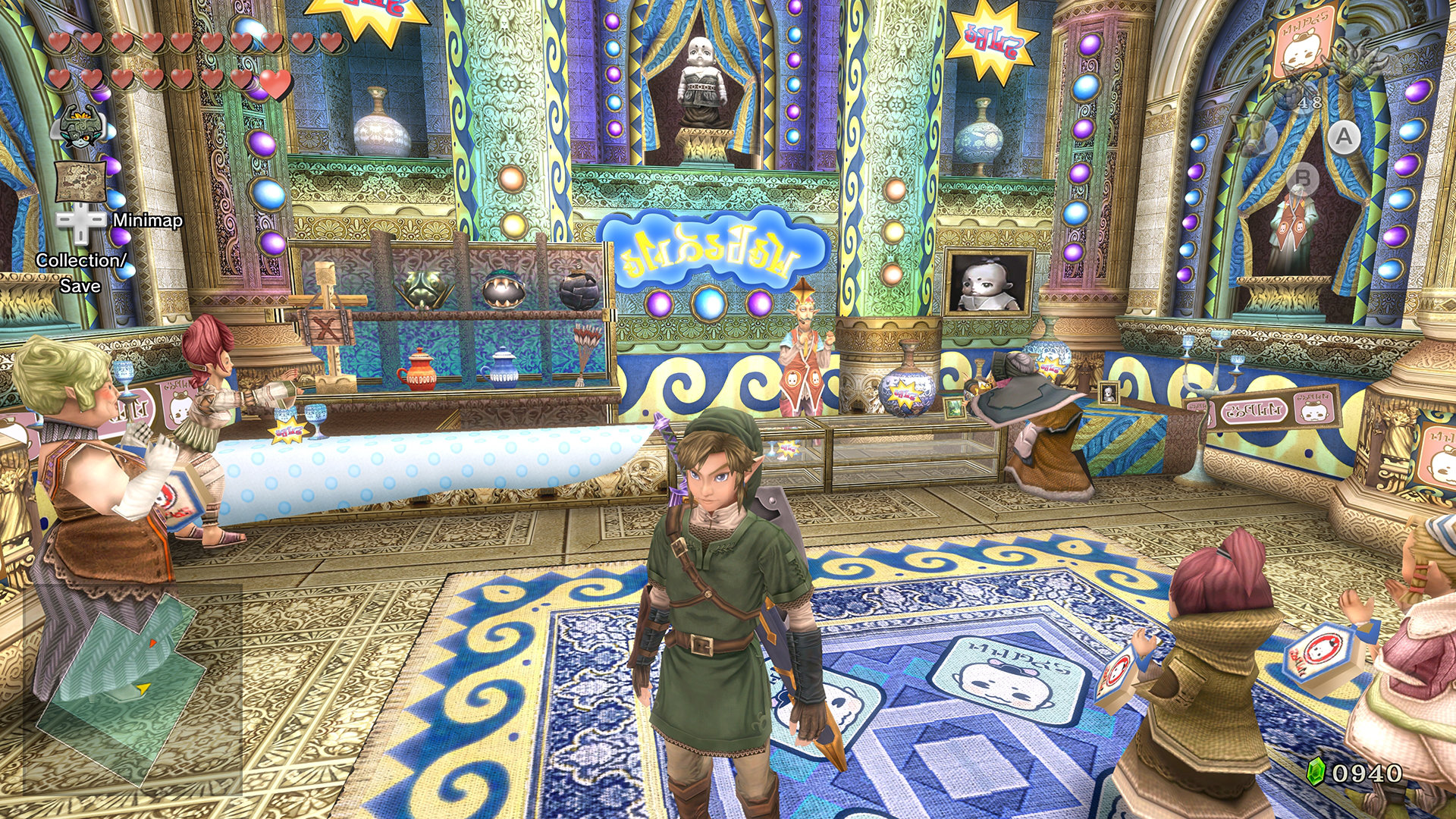
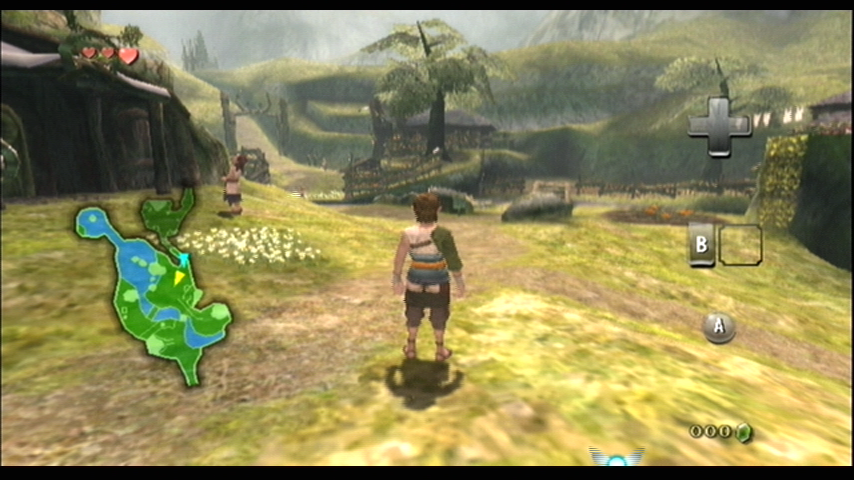
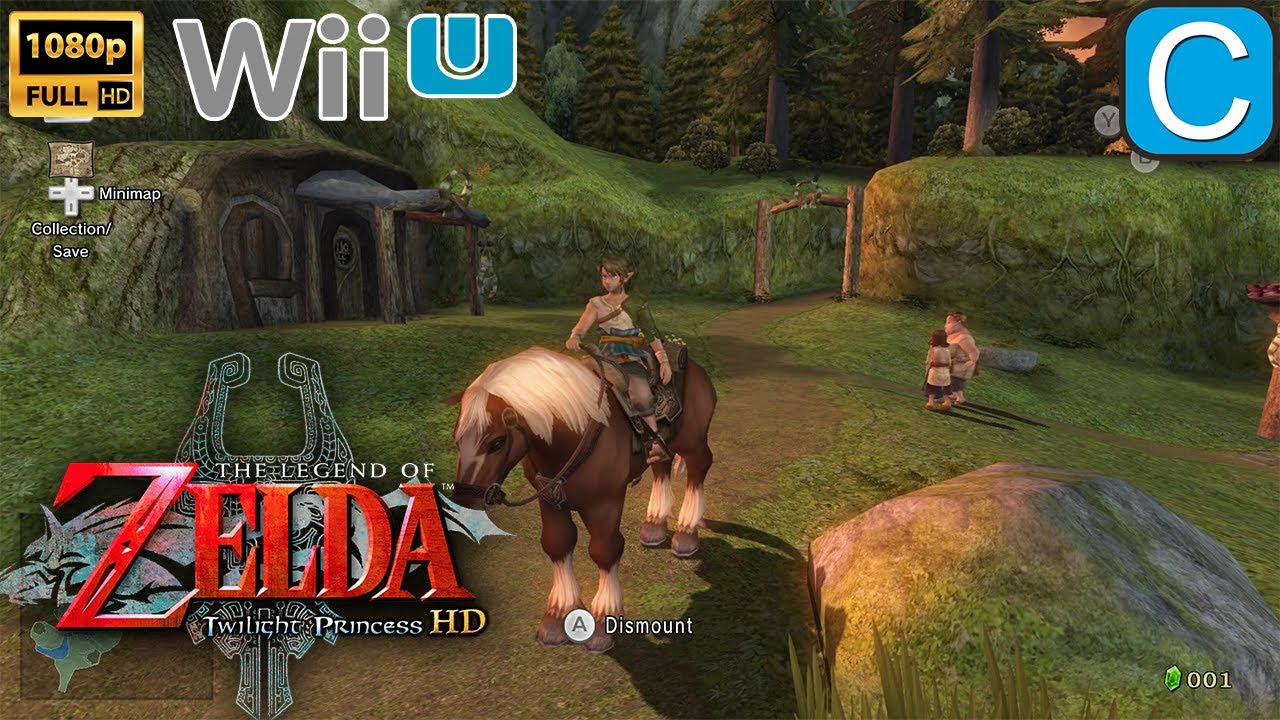
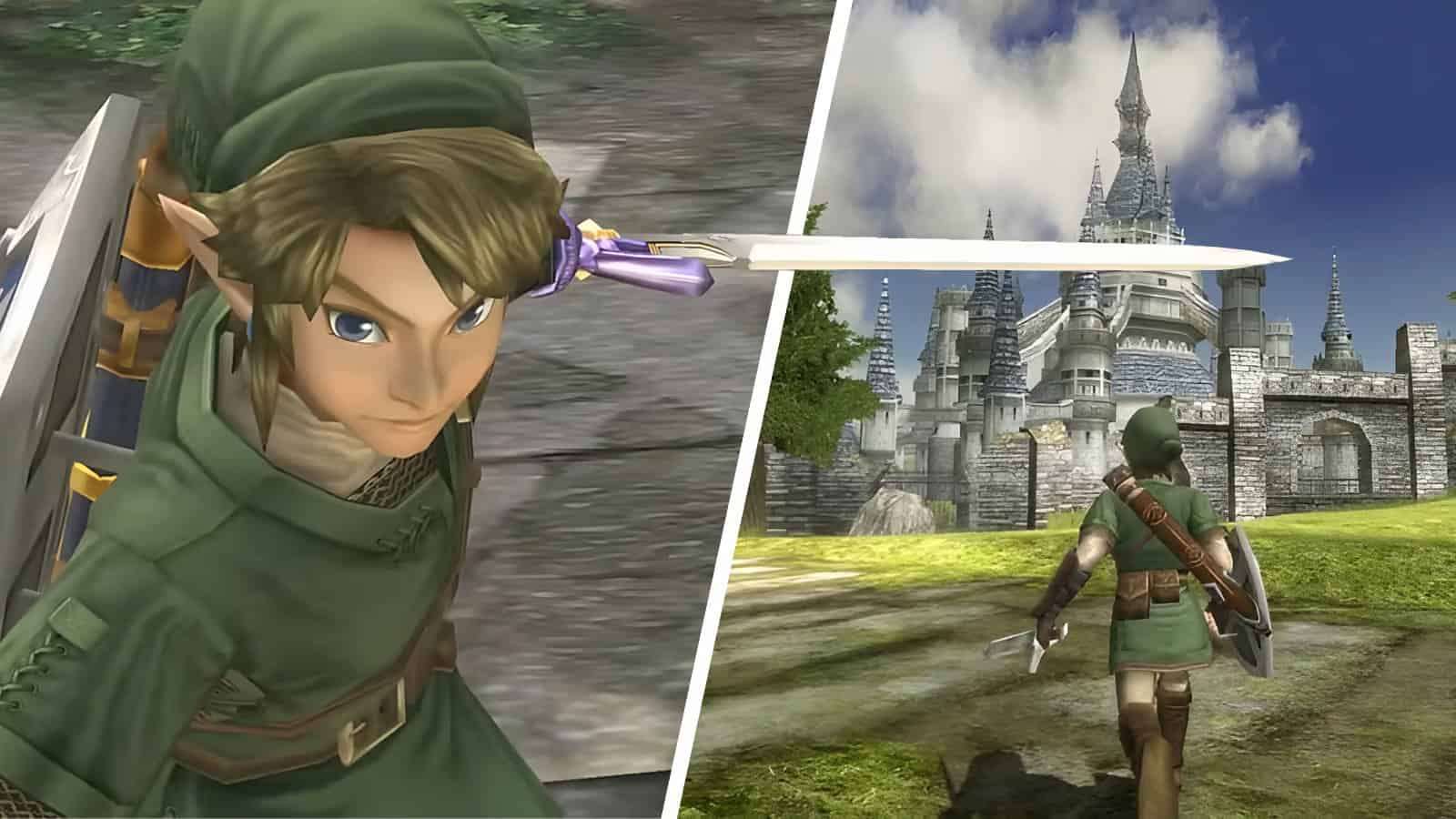
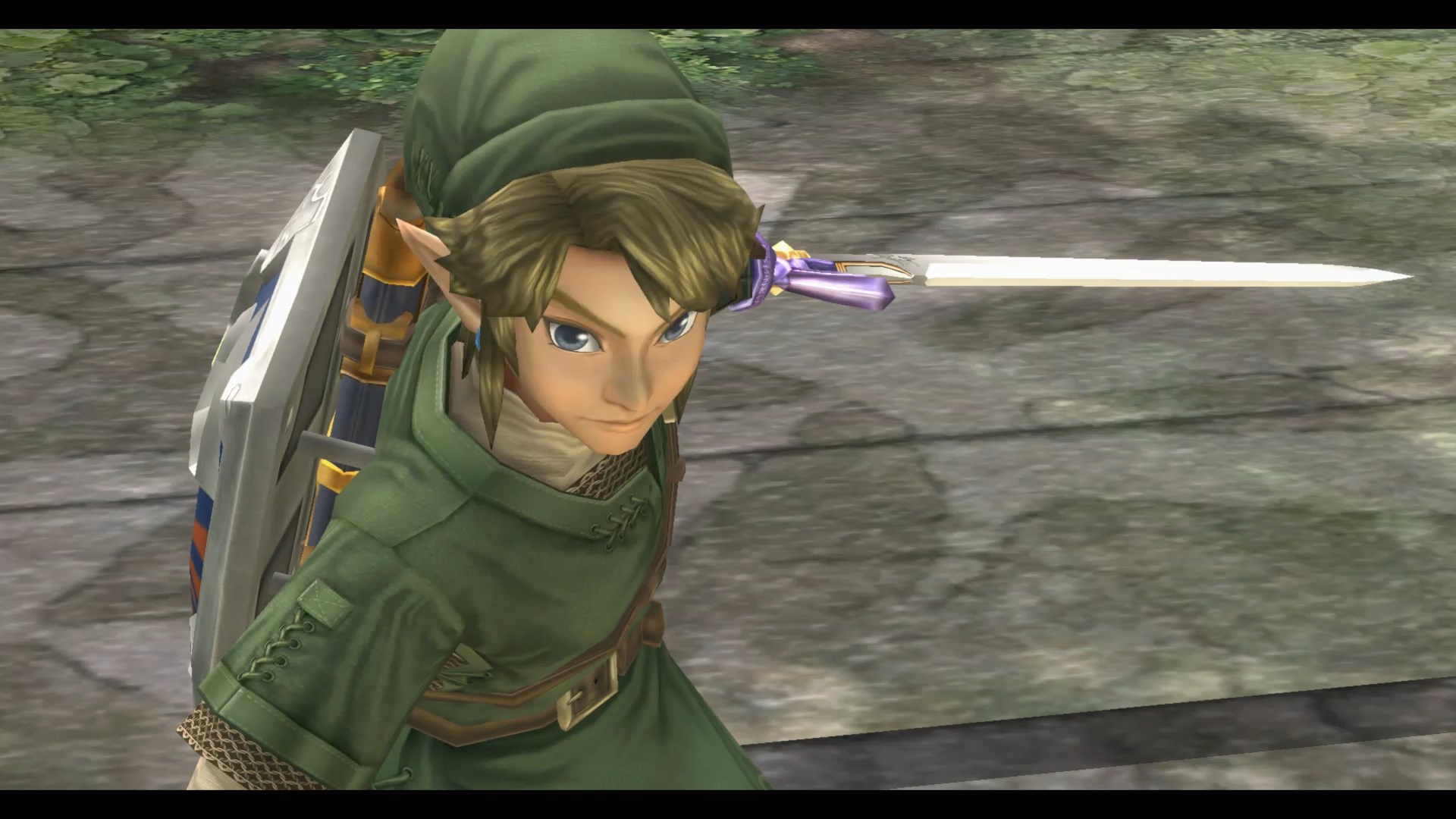
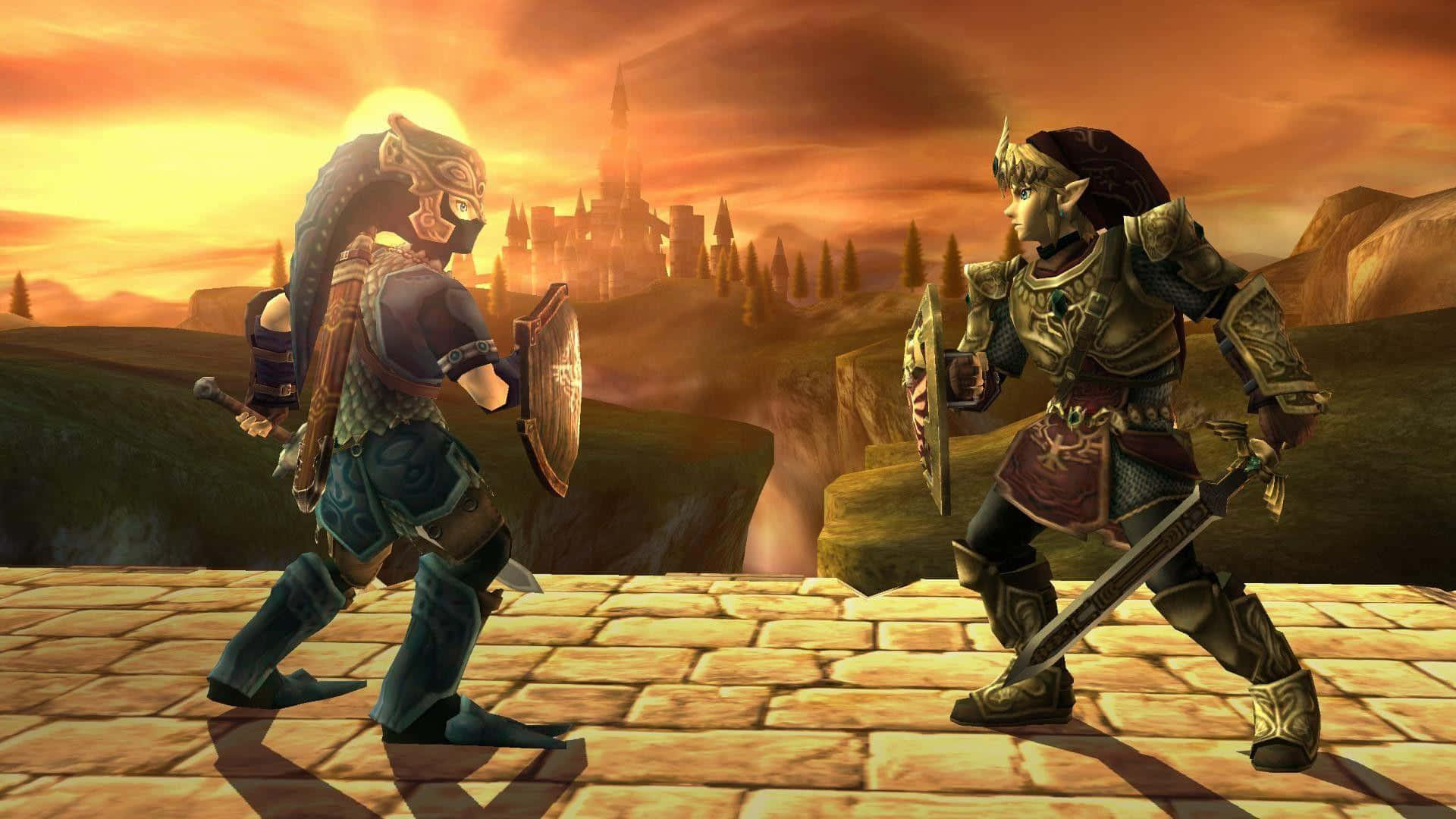
“Twilight Princess” boasts an impressive visual style that blends realism with fantasy. The art direction is characterized by detailed character models, expansive environments, and a distinct color palette that evokes both beauty and darkness. The game’s engine, a proprietary creation from Nintendo EAD, pushed the hardware of both the GameCube and Wii to their limits. While the Wii version benefited from higher resolution textures and improved lighting effects, the core visual foundation remained consistent across platforms. The use of cel-shading techniques contributes to the game’s unique aesthetic, creating a visually striking experience that remains captivating even today.
Gameplay Mechanics and Core Systems
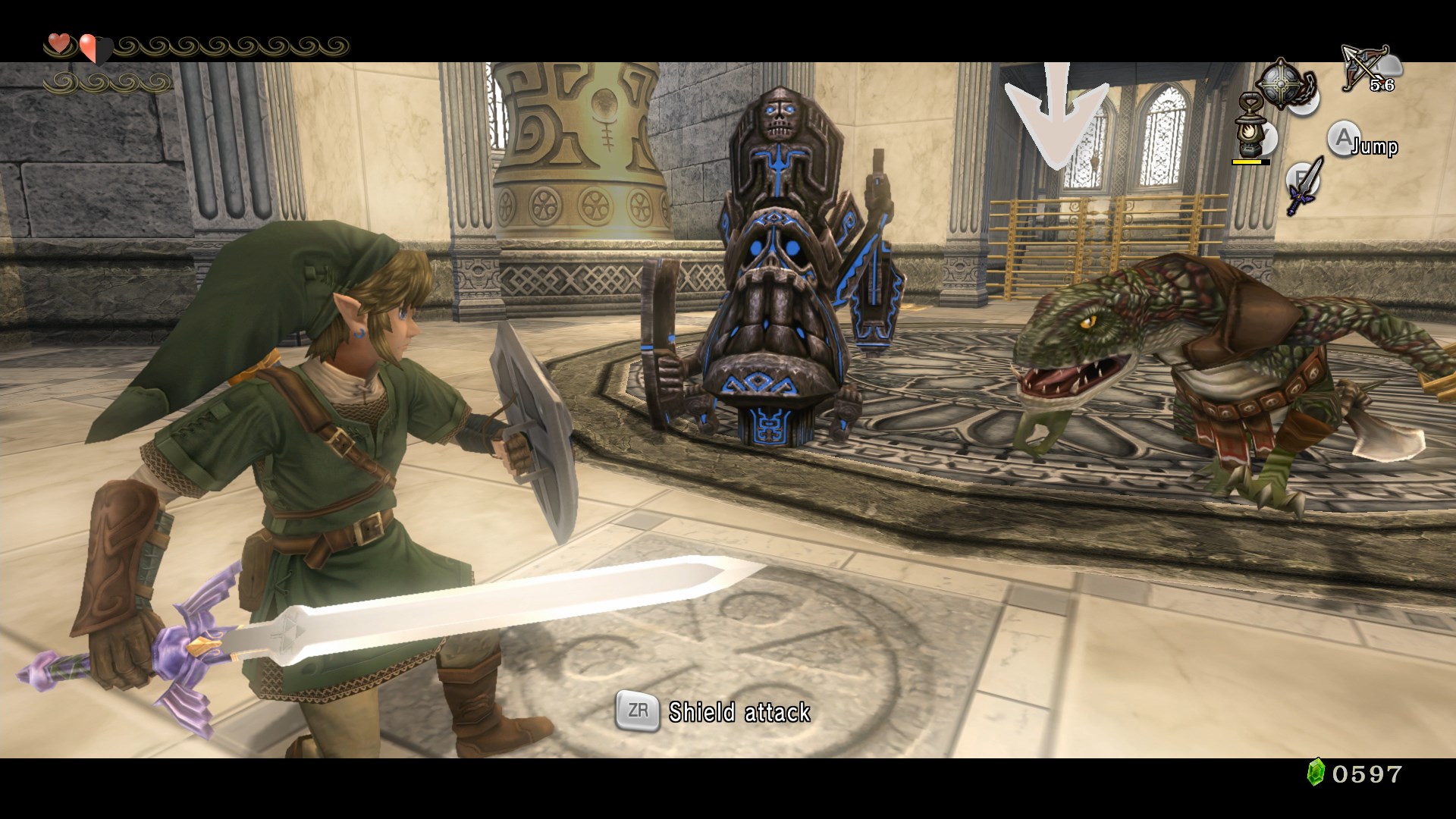
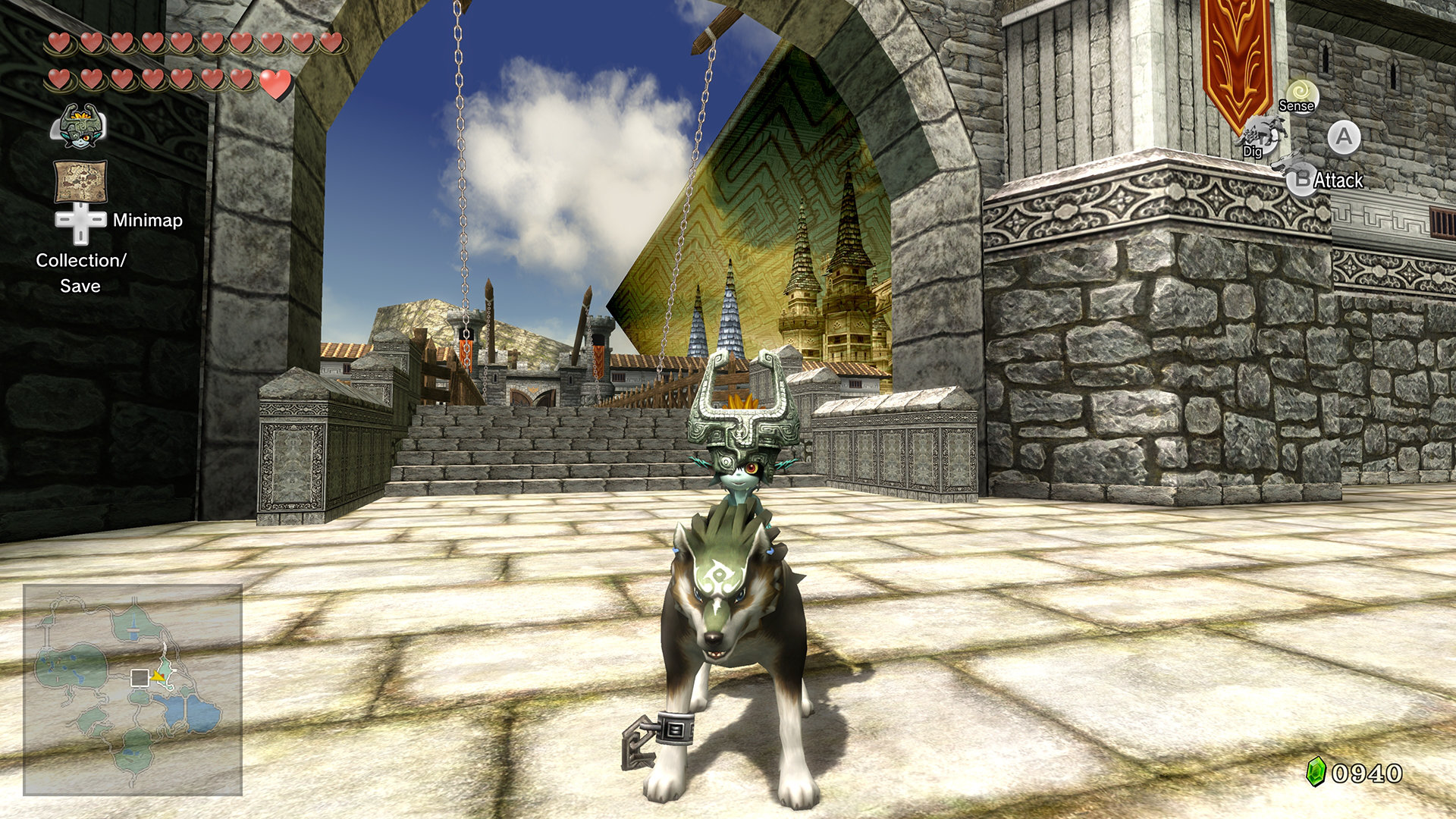
The gameplay in “Twilight Princess” is a refined evolution of previous Zelda titles. Link’s combat system features a variety of sword attacks, shield maneuvers, and projectile options. The introduction of the wolf form adds another layer to exploration and puzzle-solving, allowing players to access previously unreachable areas. The game’s physics engine plays a crucial role in both combat and environmental interactions, adding a sense of weight and realism to Link’s movements. The intuitive controls, particularly on the Wii version with its motion-sensing capabilities, enhance the player’s immersion in the world.
Level Design and World Atmosphere
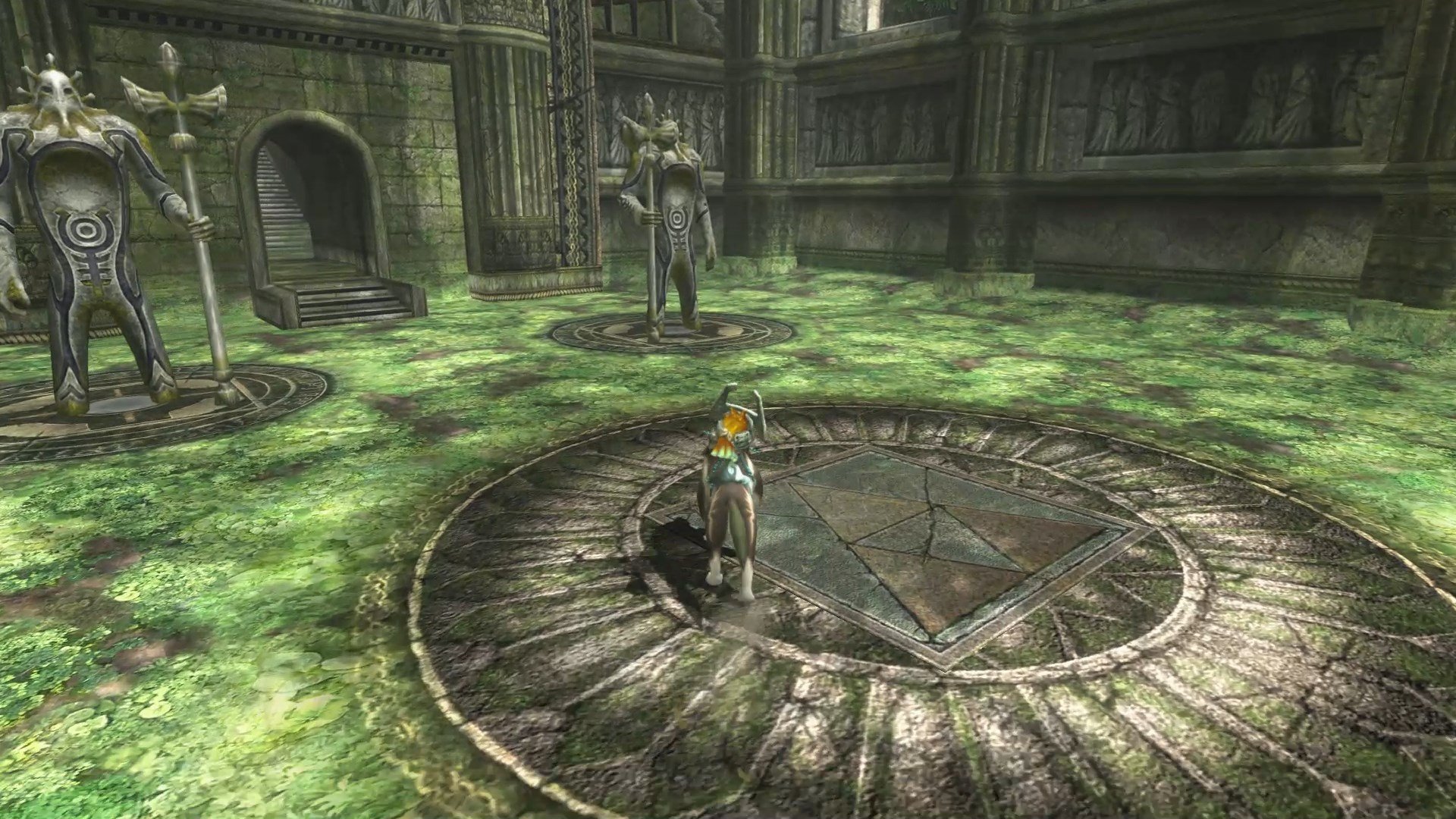
Hyrule in “Twilight Princess” is a vast and varied land, filled with secrets to uncover and challenges to overcome. The level design is meticulously crafted, guiding players through diverse environments ranging from lush forests and rolling plains to dark dungeons and imposing castles. Each area possesses its own unique atmosphere, brought to life by detailed environmental textures, dynamic lighting effects, and evocative music. The seamless transitions between indoor and outdoor areas contribute to the game’s sense of scale and immersion.
Narrative Depth and Character Profiles
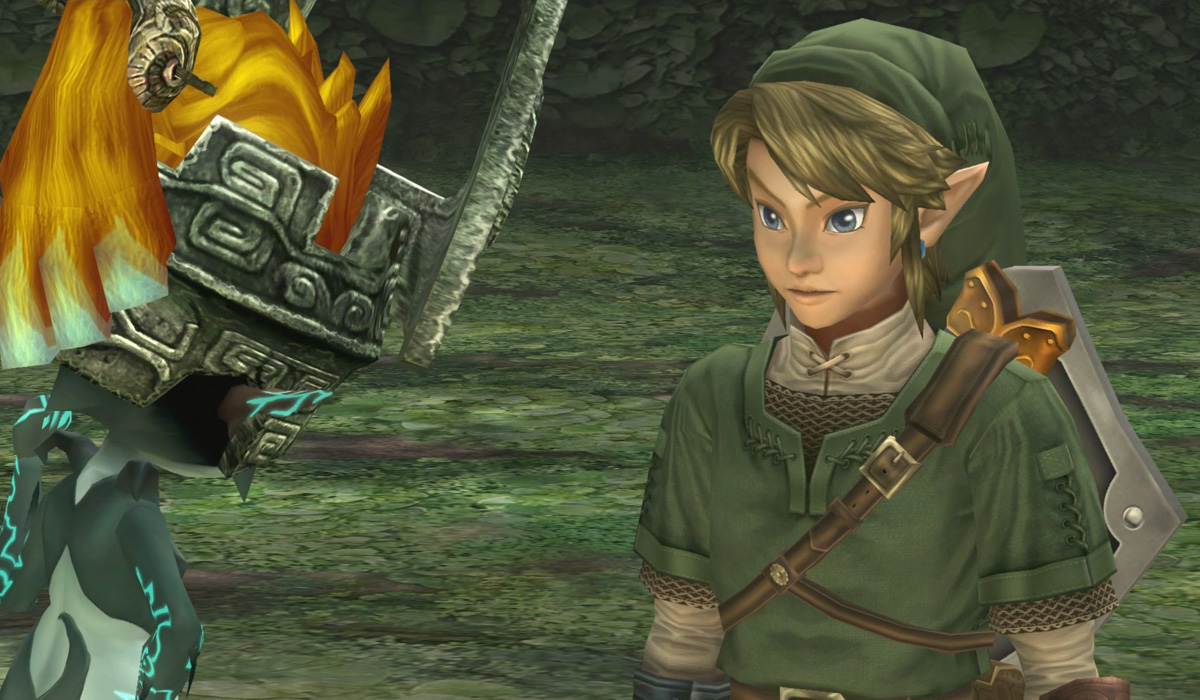
The story of “Twilight Princess” is a compelling tale of heroism, sacrifice, and redemption. Link’s journey to save Hyrule from the encroaching Twilight Realm is driven by his unwavering determination and the support of his companions. The introduction of Midna, a mysterious imp with a complex backstory, adds depth and intrigue to the narrative. The game explores themes of friendship, courage, and the importance of fighting for what you believe in.
Sound Design and Acoustic Realism
The sound design in “Twilight Princess” is an integral part of the overall experience. The orchestral soundtrack, composed by Toru Minegishi and Asuka Ota, perfectly complements the game’s visuals and atmosphere. The realistic sound effects, from the clash of swords to the rustling of leaves, further enhance the player’s immersion in the world. The subtle nuances in character dialogue add depth and personality to each NPC.
Release Expectations and Community Hype
The announcement of “Twilight Princess” generated significant hype within the gaming community. The decision to delay the GameCube release and port it to the Wii sparked debate, but ultimately proved to be a strategic move that broadened the game’s appeal. The anticipation for the game was palpable, with fans eagerly awaiting its arrival on both platforms.
Conclusion: The Future of The Legend of Zelda: Twilight Princess
“The Legend of Zelda: Twilight Princess” remains a timeless classic, celebrated for its captivating story, stunning visuals, and engaging gameplay. Its impact on the gaming industry is undeniable, influencing countless titles that followed. While newer entries in the series have pushed the boundaries of technology even further, “Twilight Princess” holds a special place in the hearts of many gamers, representing a golden age for the franchise.
Source: Wikipedia