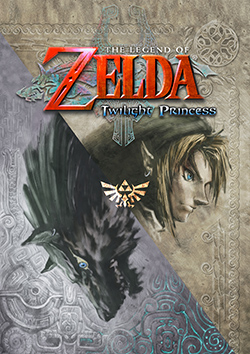
Introduction: The Next Chapter for The Legend of Zelda: Twilight Princess
“The Legend of Zelda: Twilight Princess,” released in 2006 for both the GameCube and Wii, represents a pivotal moment in Nintendo’s iconic franchise. Originally slated for a late 2005 GameCube release, the game underwent significant development to capitalize on the launch of the Wii console. This dual-platform approach allowed Nintendo to reach a broader audience while simultaneously providing a visually stunning experience on the more powerful GameCube hardware. The decision to delay and retool the game ultimately resulted in a title that pushed the boundaries of what was possible at the time, solidifying its place as a cornerstone of the Zelda series.
Visual Direction and Graphics Engineering
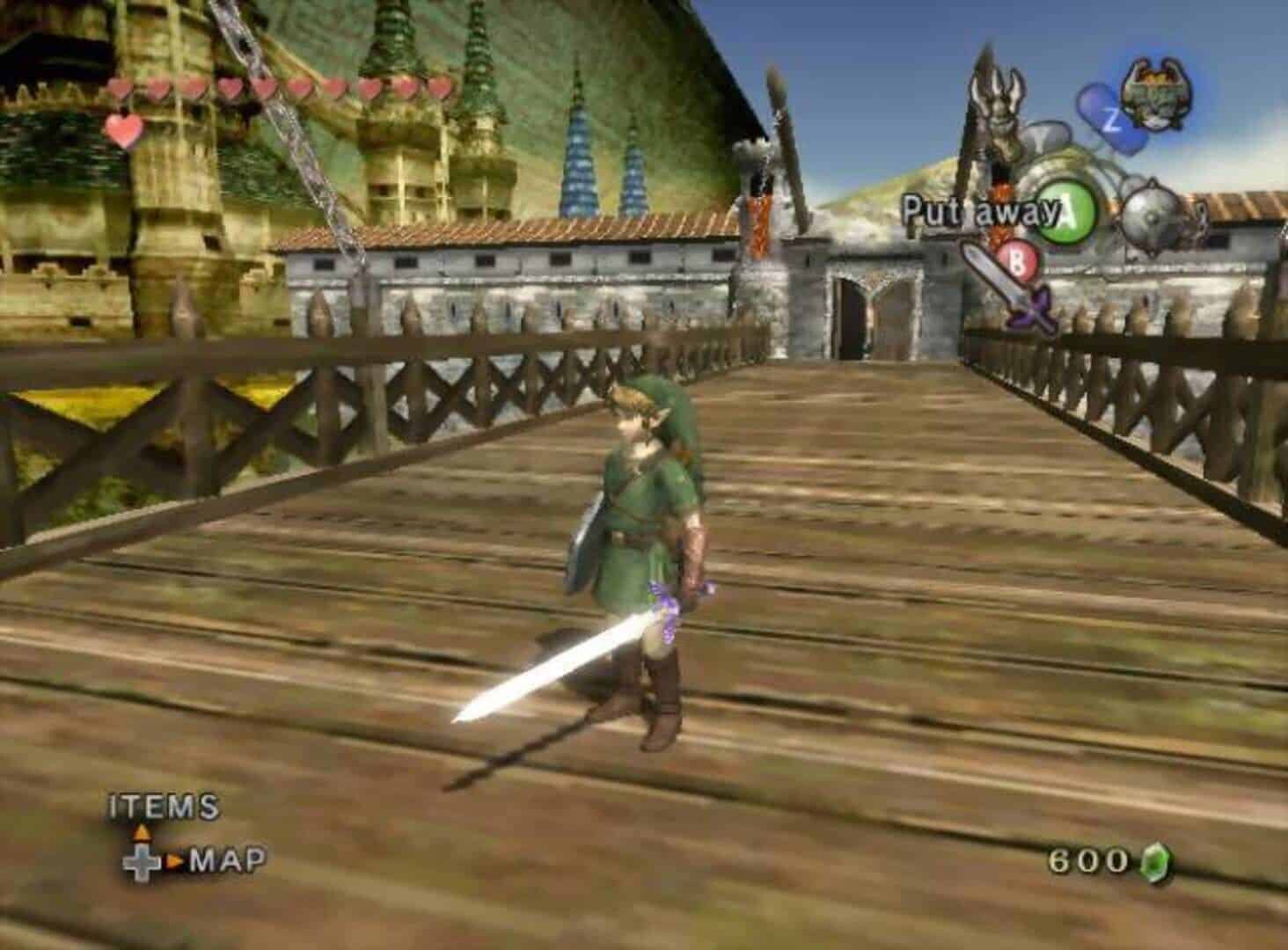
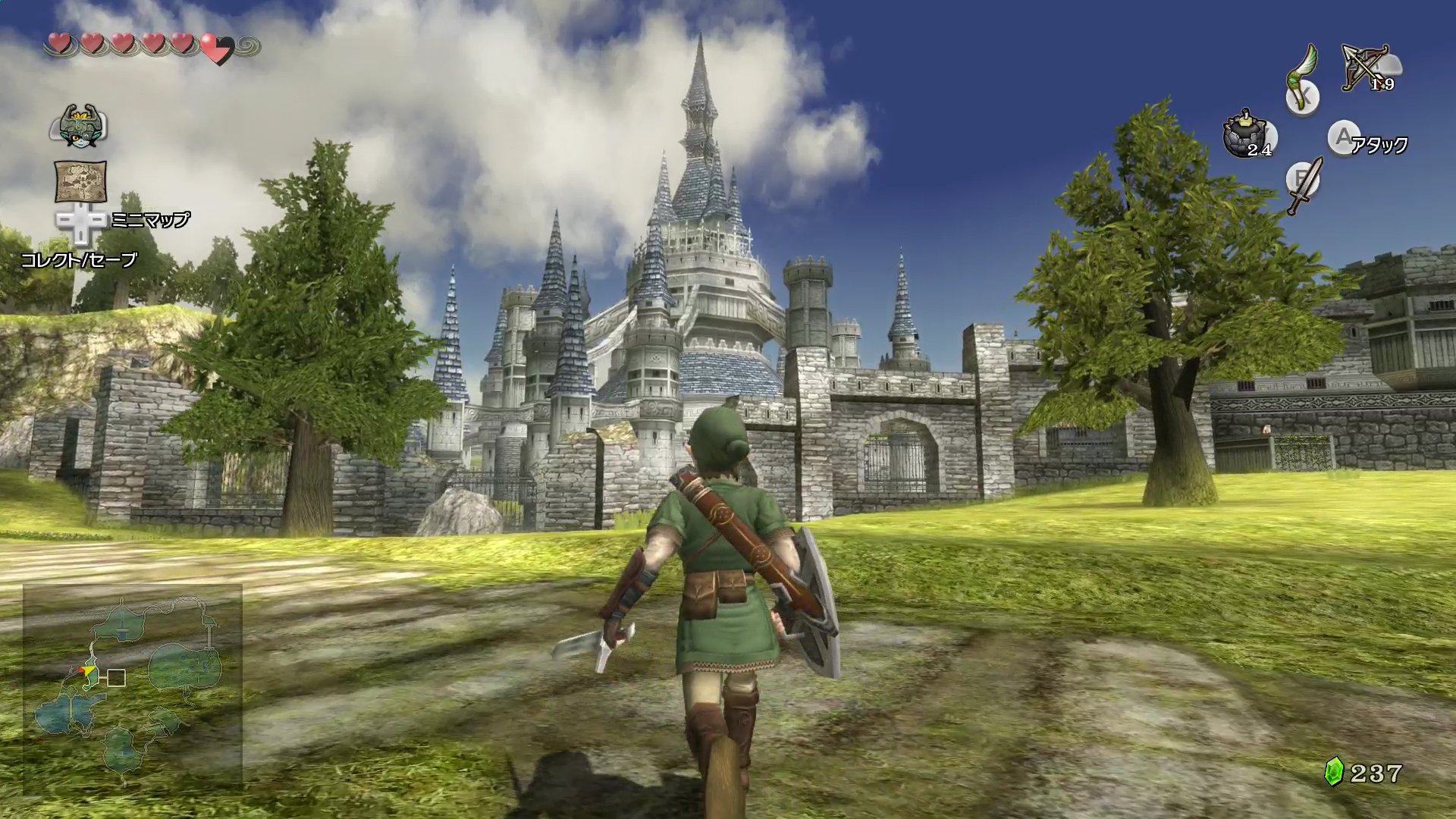
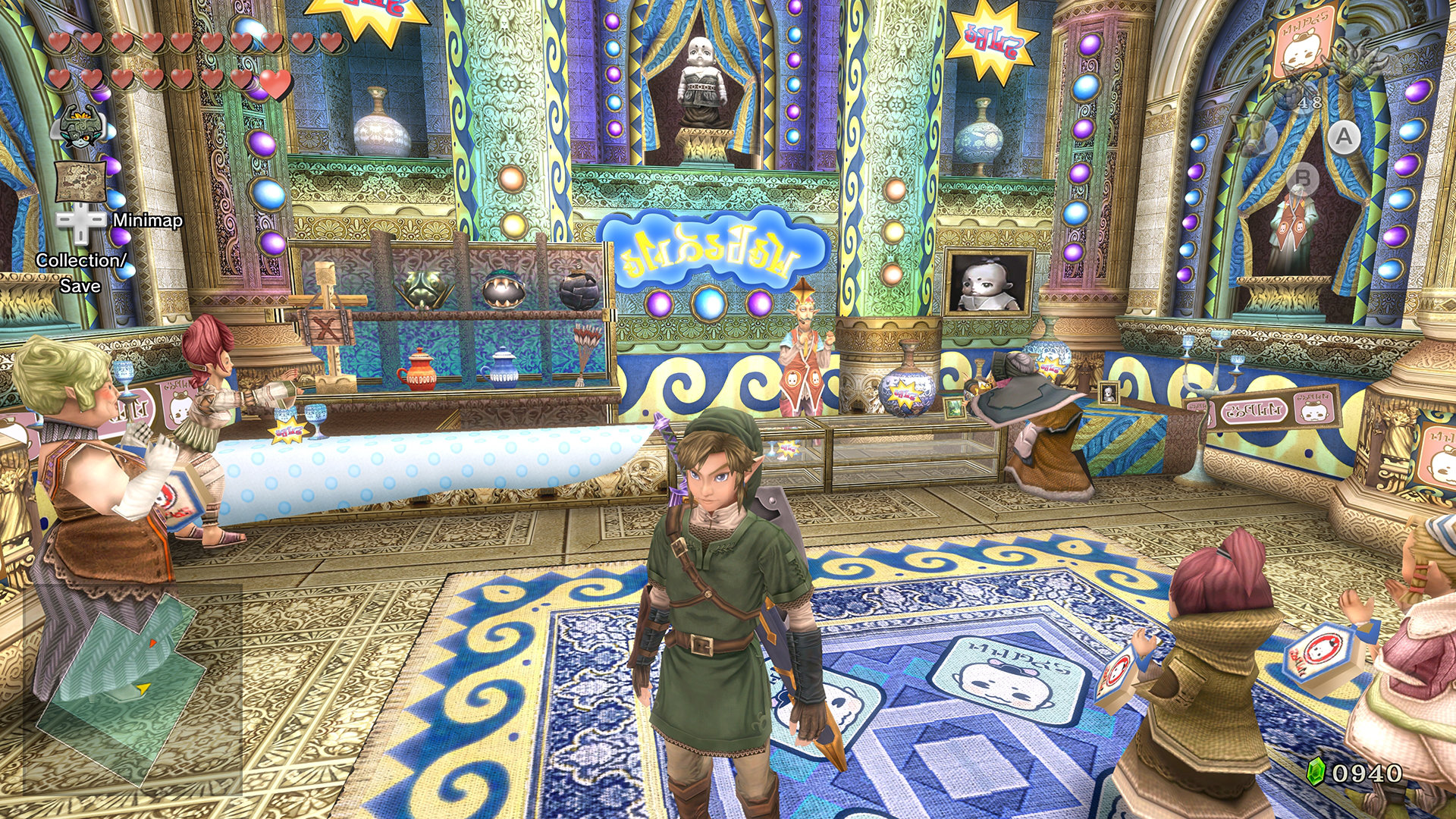
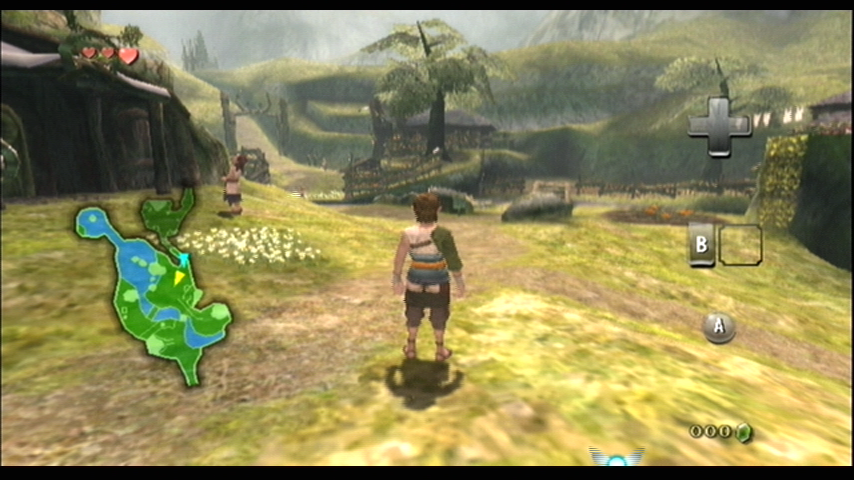
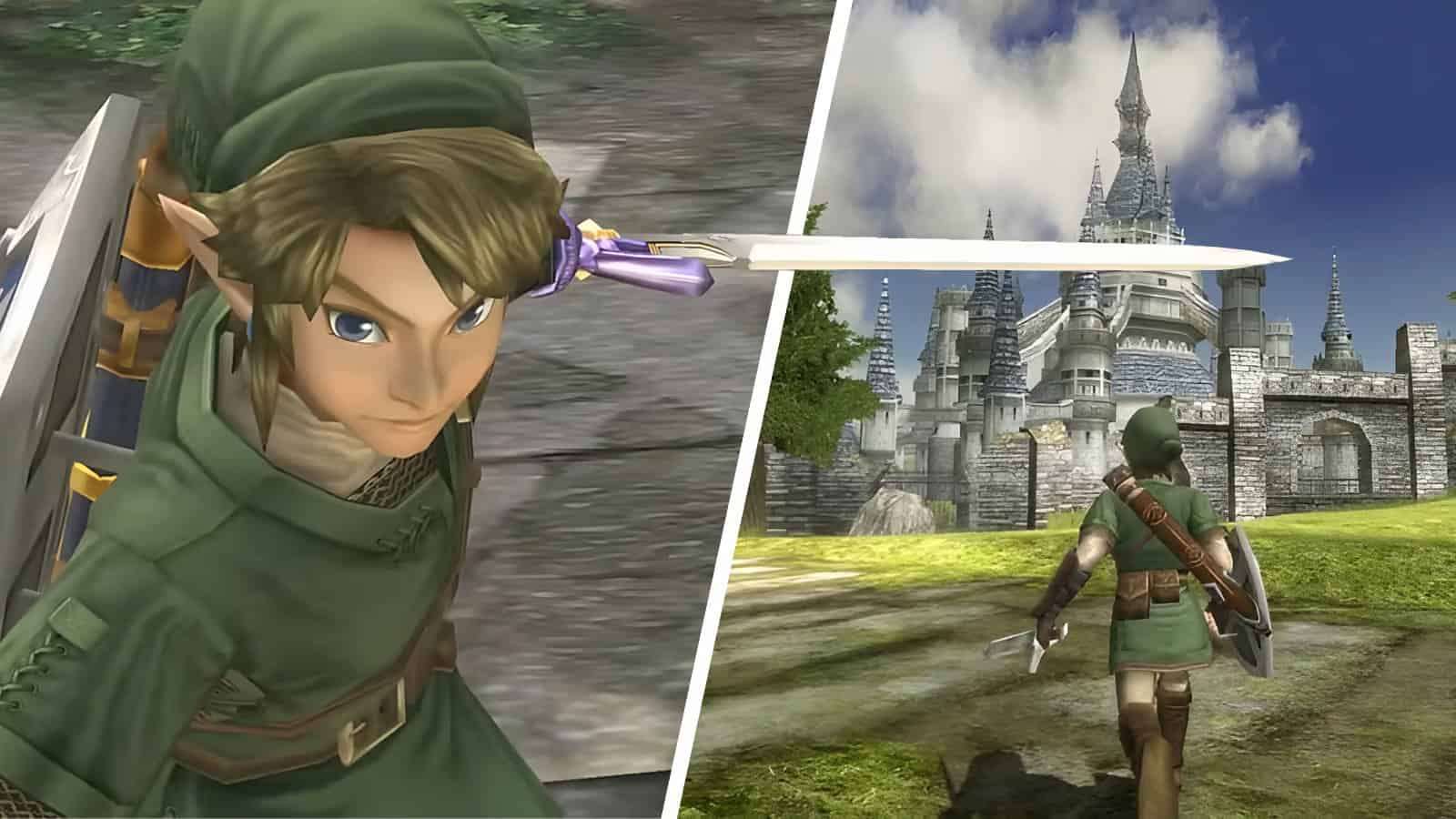
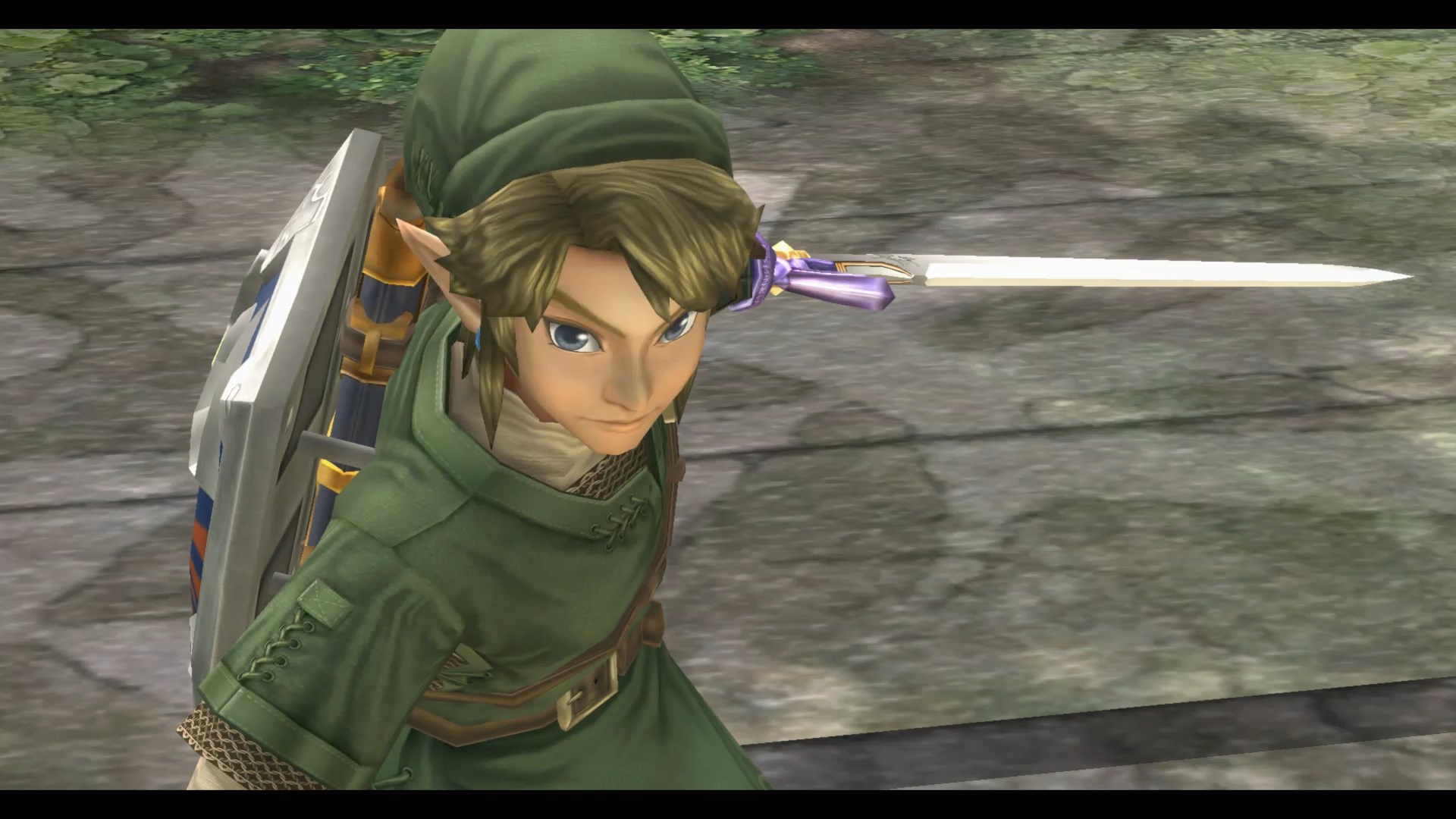
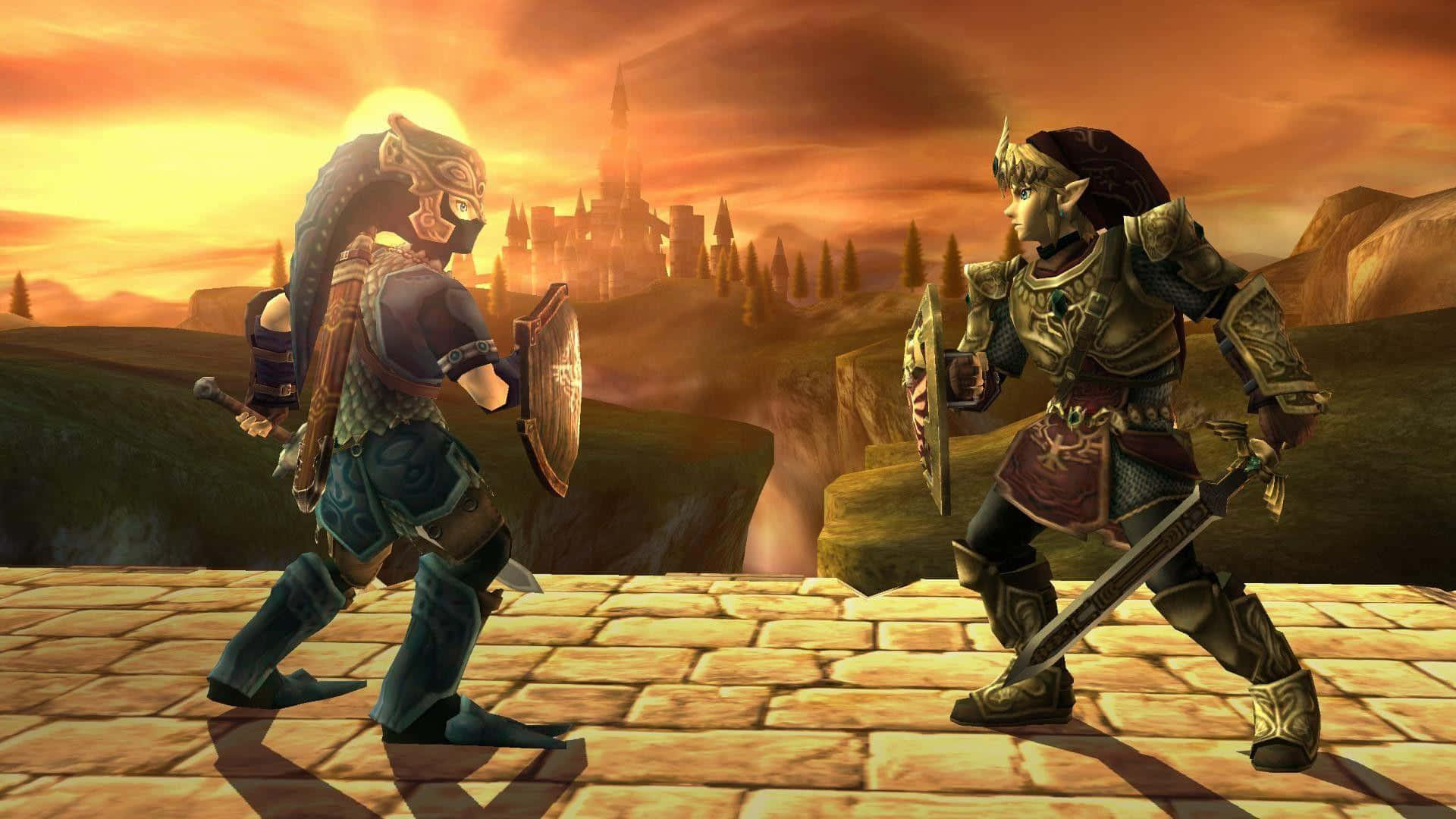
“Twilight Princess” boasted an impressive visual style, characterized by a blend of realism and fantasy. The art direction aimed for a darker, more mature aesthetic compared to previous installments like “The Wind Waker,” which opted for a cel-shaded look. This shift in artistic vision was driven by a desire to appeal to a wider age range while maintaining the core Zelda charm. The proprietary Next-Gen engine, developed specifically for this title, allowed for detailed character models, expansive environments, and dynamic lighting effects that were groundbreaking for its time. The use of motion capture technology further enhanced the realism of character animations, contributing significantly to the immersive experience. While the Wii version benefited from waggle controls, the GameCube rendition showcased the engine’s full potential with higher resolution textures and more complex visual effects.
Gameplay Mechanics and Core Systems
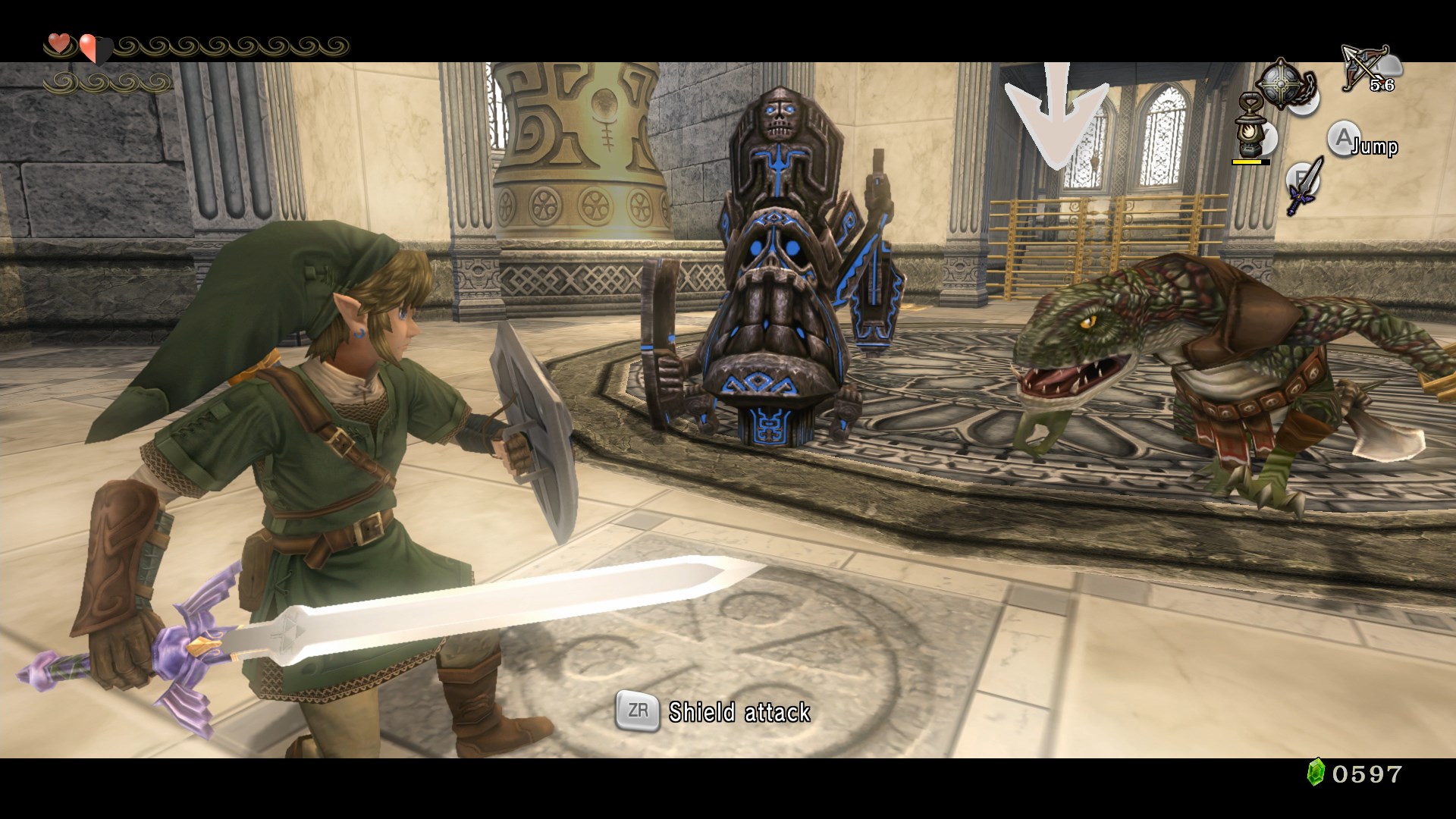
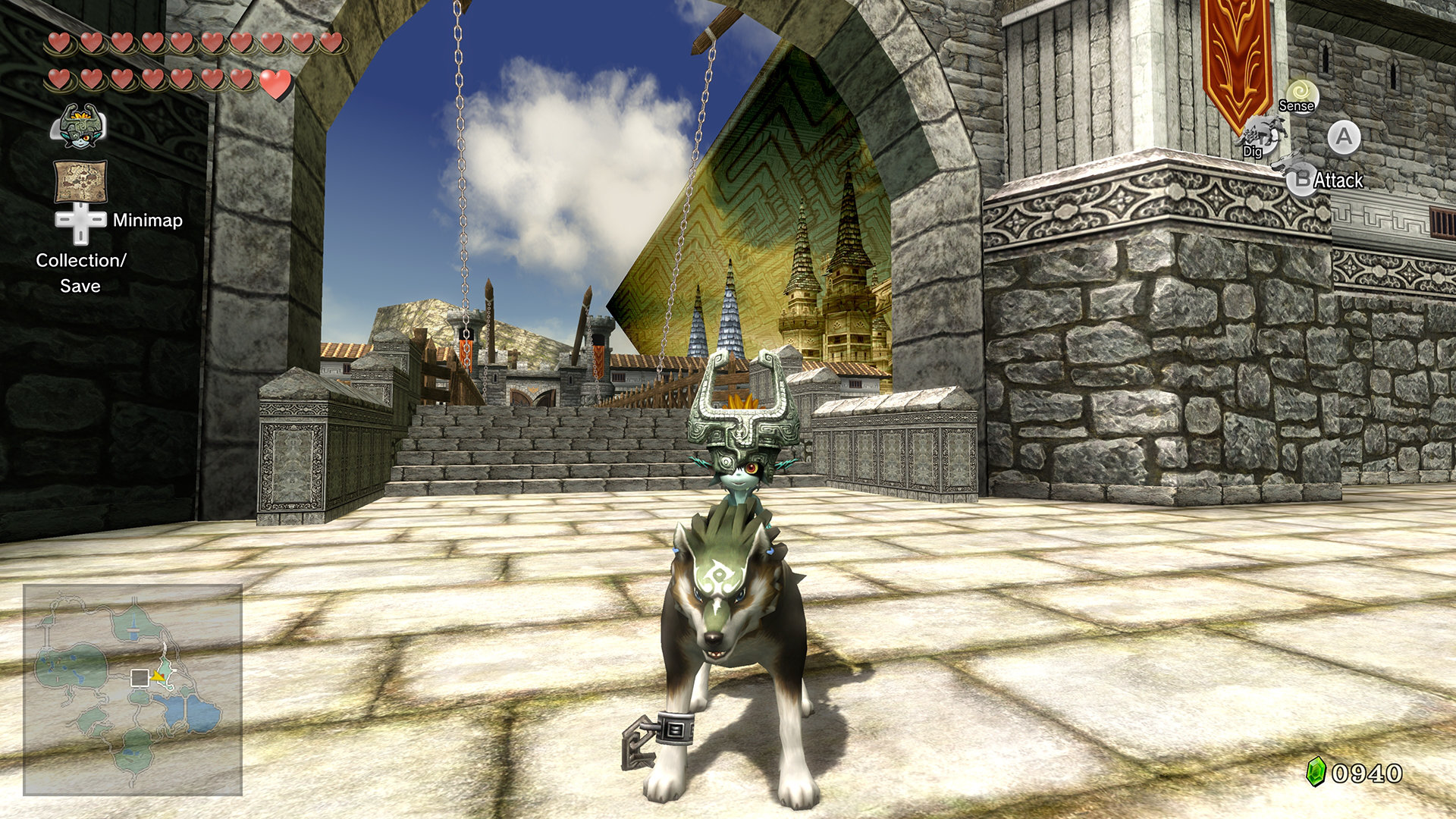
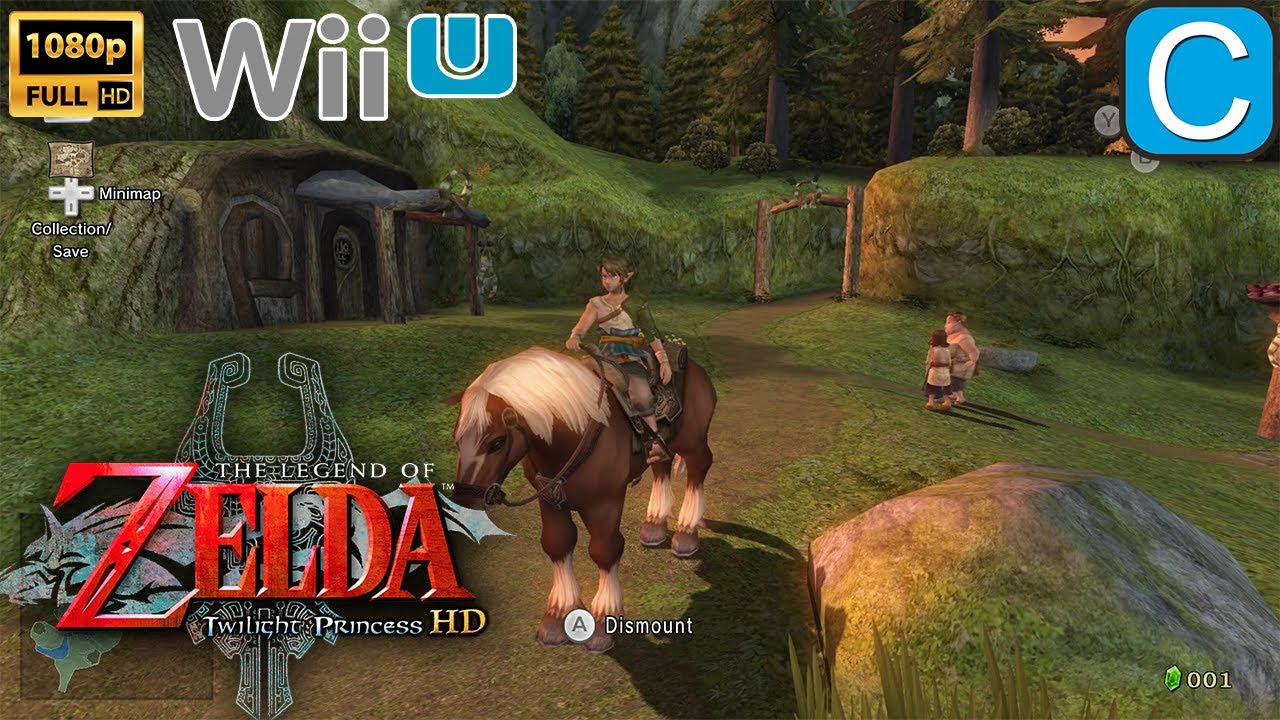
The gameplay in “Twilight Princess” builds upon established Zelda conventions while introducing new mechanics. Link retains his signature swordplay, archery skills, and puzzle-solving abilities. However, the introduction of the Wolf Link form adds a unique dimension to exploration and combat. As Wolf Link, players can traverse previously inaccessible areas, solve puzzles that require a quadrupedal perspective, and engage in visceral melee encounters. The game also features an extensive item collection system, with classic Zelda items like the Hookshot and Boomerang returning alongside new additions. The horseback riding mechanic is refined, allowing for faster traversal of Hyrule’s vast landscapes. The combat system emphasizes timing and precision, rewarding players who master Link’s moveset.
Level Design and World Atmosphere
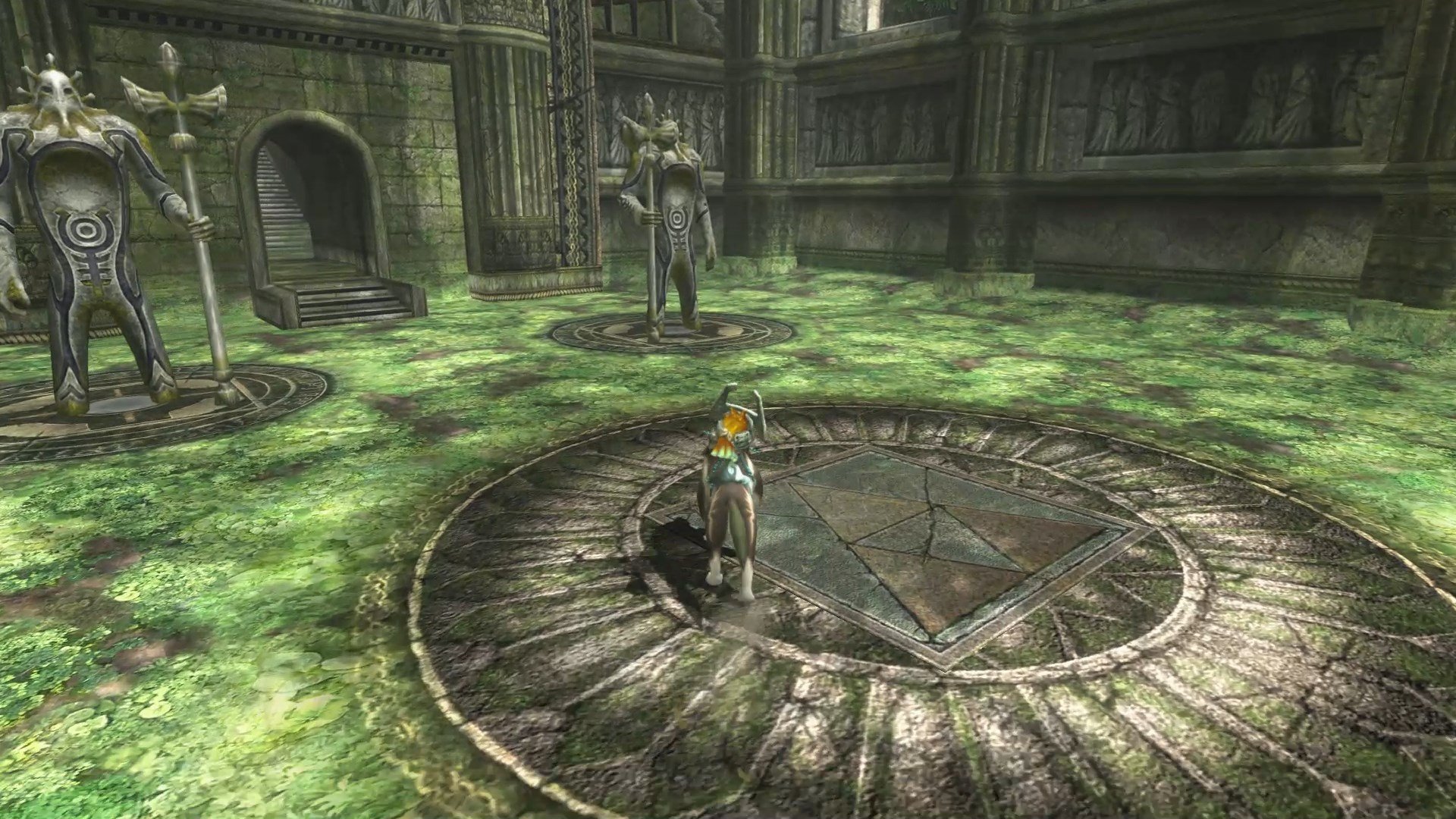
Hyrule in “Twilight Princess” is a sprawling and meticulously crafted world. From the verdant fields of Hyrule Field to the treacherous depths of the Twilight Realm, each region possesses its own distinct visual identity and gameplay challenges. The level design seamlessly blends exploration with puzzle-solving, encouraging players to discover hidden secrets and uncover the lore of the land. The game’s atmosphere is enhanced by dynamic weather effects, day-night cycles, and a haunting musical score that perfectly complements the on-screen action. The dungeons are particularly noteworthy, offering intricate layouts, challenging puzzles, and memorable boss encounters.
Narrative Depth and Character Profiles
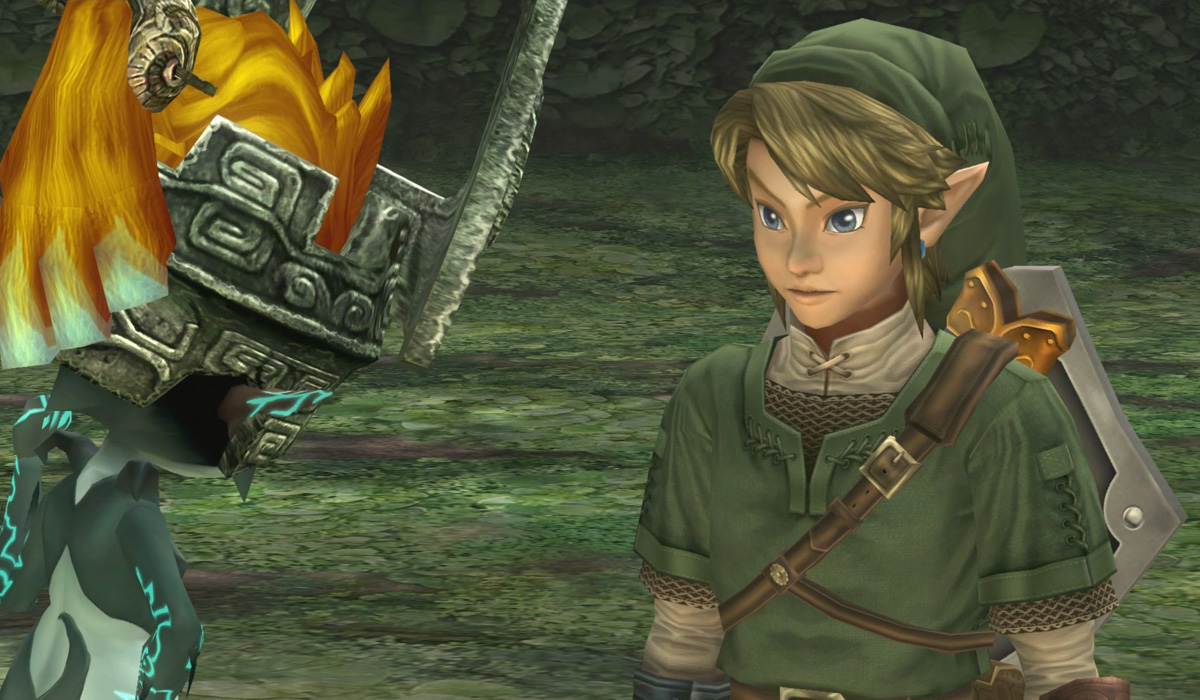
The story of “Twilight Princess” delves into themes of courage, sacrifice, and the eternal struggle between light and darkness. Link, as always, is the silent protagonist tasked with saving Hyrule from impending doom. He is aided by Midna, a mysterious imp who serves as both a guide and a source of conflict. The narrative explores the complex relationship between Hyrule and the Twilight Realm, revealing a history of betrayal and resentment. Key characters like Zelda and Eiji Aonuma play crucial roles in shaping the story’s trajectory. The game’s mature tone and intricate plot contribute to its overall depth and emotional impact.
Sound Design and Acoustic Realism
The sound design in “Twilight Princess” is a masterclass in atmospheric immersion. Toru Minegishi and Asuka Ota composed a hauntingly beautiful soundtrack that perfectly complements the game’s visuals and narrative. The orchestral arrangements, combined with traditional Japanese instruments, create a truly unforgettable auditory experience. Sound effects are meticulously crafted to enhance the sense of realism, from the clashing of swords to the rustling of leaves in the wind. The voice acting, while limited, is well-executed and adds depth to the characters’ personalities.
Release Expectations and Community Hype
The announcement of “Twilight Princess” generated significant hype within the gaming community. The decision to delay the GameCube release and port the game to the Wii was met with both excitement and apprehension. Some fans were disappointed that they would not be able to experience the game on the more powerful GameCube hardware, while others were eager to explore the new control scheme and visual enhancements offered by the Wii. The dual-platform approach ultimately proved successful, allowing Nintendo to reach a wider audience and capitalize on the launch of their new console.
Conclusion: The Future of The Legend of Zelda: Twilight Princess
“The Legend of Zelda: Twilight Princess” remains a landmark achievement in gaming history. Its stunning visuals, engaging gameplay, and compelling narrative have cemented its place as one of the greatest video games ever made. While the Wii version offered a unique control scheme, the GameCube rendition showcased the engine’s full potential. The game’s legacy continues to inspire developers and captivate players worldwide. As technology advances, it remains to be seen how “Twilight Princess” will be reinterpreted and reimagined in the future, but its impact on the gaming landscape is undeniable.
Source: Wikipedia