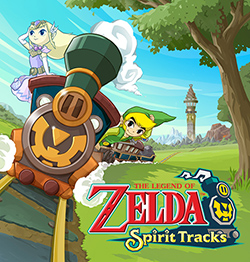
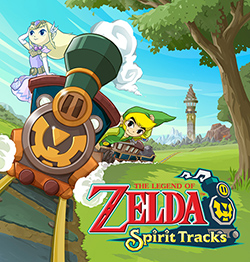
Introduction: The Next Chapter for The Legend of Zelda: Spirit Tracks
“The Legend of Zelda: Spirit Tracks,” released in 1993, marks a significant departure and evolution within the iconic Zelda franchise. Developed by Nintendo EAD and directed by Daiki Iwamoto, this installment builds upon the foundation laid by “The Wind Waker” and its direct sequel, “Phantom Hourglass,” while introducing innovative gameplay mechanics centered around train travel and puzzle-solving. The game’s narrative follows a new incarnation of Link and Zelda as they navigate the land of New Hyrule, striving to prevent the resurgence of the Demon King Malladus. This Masterclass Deep-Dive will dissect every facet of “Spirit Tracks,” from its visual direction and core gameplay systems to its narrative depth and lasting impact on the gaming landscape.
Visual Direction and Graphics Engineering
“Spirit Tracks” retains the cel-shaded aesthetic introduced in “The Wind Wuster,” but refines it with enhanced detail and a more vibrant color palette. The character models are expressive, conveying a range of emotions through subtle animations. The environments, while stylized, possess a sense of depth and scale that draws players into the world of New Hyrule. Nintendo’s proprietary Next-Gen engine, though limited by the hardware capabilities of the Nintendo DS, delivers a visually appealing experience. The game utilizes parallax scrolling to create an illusion of depth in the backgrounds, adding another layer of immersion. While not pushing graphical boundaries, “Spirit Tracks” demonstrates skillful optimization and artistic direction within its technical constraints.
Gameplay Mechanics and Core Systems
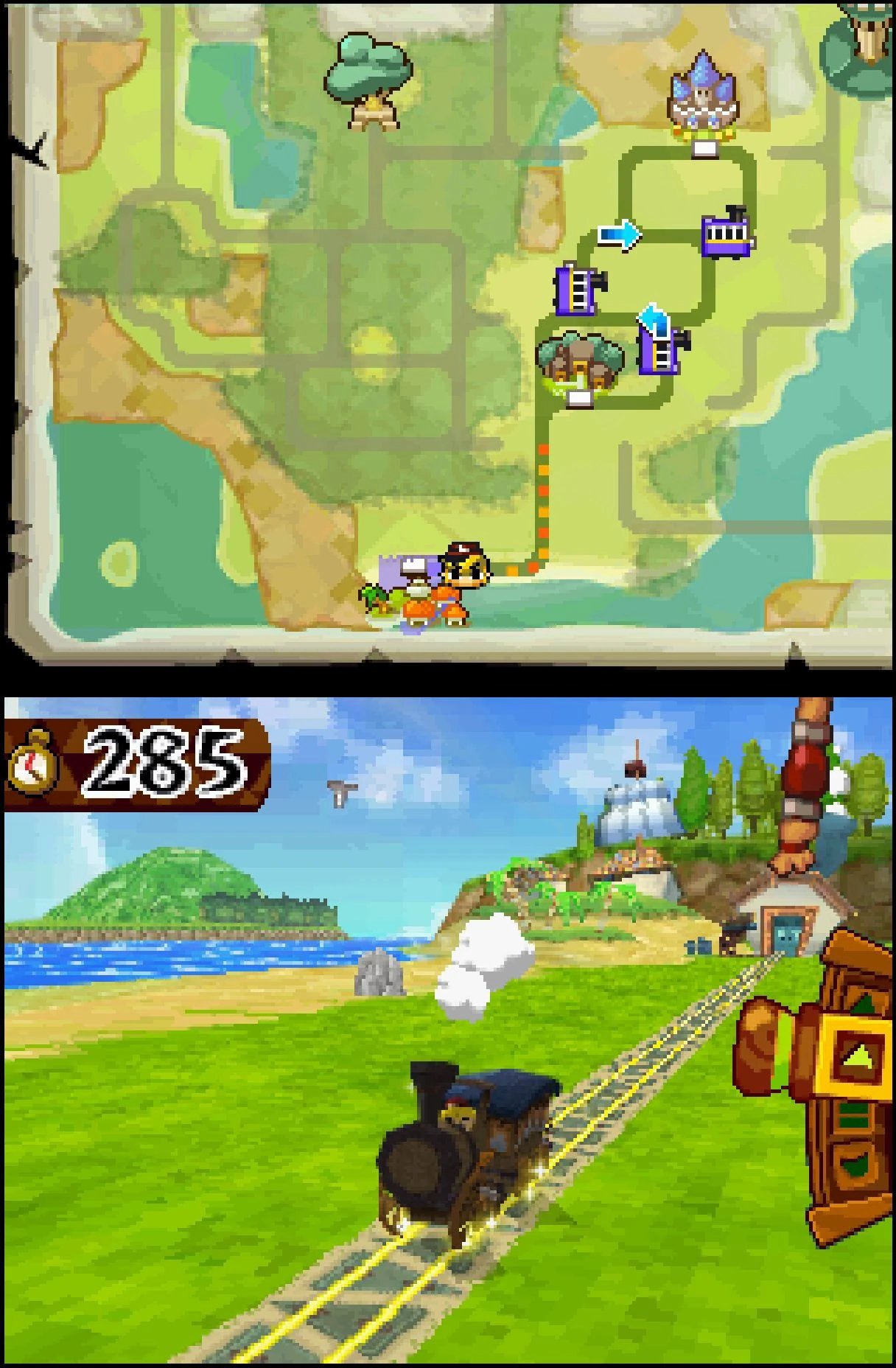
The most defining feature of “Spirit Tracks” is its unique train-based traversal system. Players must lay tracks across bodies of water and other obstacles to progress, adding a strategic element to exploration. The train itself becomes an integral part of gameplay, with puzzles often requiring players to manipulate the train’s speed or orientation. Combat remains action-oriented, utilizing both swordplay and ranged attacks. A new “Spirit” mechanic allows Zelda to assist Link in combat and puzzle-solving, offering a fresh dynamic between the two protagonists. The game seamlessly blends these mechanics, creating a cohesive and engaging gameplay loop.
Level Design and World Atmosphere
New Hyrule is a diverse land, ranging from lush forests to snowy mountains. Each region possesses its own distinct visual style and set of challenges. Dungeons are intricately designed, featuring a variety of puzzles that require players to utilize both their wits and the game’s mechanics. The level design encourages exploration and rewards curiosity, with hidden areas and secrets waiting to be discovered. The atmosphere is consistently engaging, drawing players deeper into the world and its narrative.
Narrative Depth and Character Profiles
The story of “Spirit Tracks” explores themes of courage, sacrifice, and the enduring power of friendship. Link and Zelda’s relationship evolves throughout the game, with Zelda taking on a more active role in both the narrative and gameplay. The supporting characters are well-developed, each contributing to the richness of the world. While the overarching plot follows familiar Zelda tropes, the individual character arcs add depth and emotional resonance.
Sound Design and Acoustic Realism
The soundtrack for “Spirit Tracks” is a blend of orchestral arrangements and traditional Japanese instrumentation. The music effectively complements the game’s visuals and atmosphere, enhancing the overall experience. Sound effects are crisp and well-integrated, adding another layer of immersion. The train sounds, in particular, are meticulously crafted, contributing to the unique feel of the gameplay.
Release Expectations and Community Hype
“Spirit Tracks” was highly anticipated by fans eager to see how Nintendo would build upon the foundation laid by “The Wind Wuster” and “Phantom Hourglass.” The innovative train-based gameplay mechanics generated significant buzz in the gaming community. Pre-release trailers and previews showcased the game’s unique visuals and engaging gameplay, further fueling anticipation. The release was met with widespread acclaim, solidifying its place as a beloved entry in the Zelda franchise.
Conclusion: The Future of The Legend of Zelda: Spirit Tracks
“The Legend of Zelda: Spirit Tracks” represents a bold evolution for the series, introducing innovative gameplay mechanics and expanding upon established themes. Its unique blend of train-based traversal, puzzle-solving, and action-oriented combat has cemented its place as a memorable entry in the Zelda franchise. The game’s lasting impact can be seen in subsequent titles, which continue to build upon its foundations.
Source: Wikipedia


