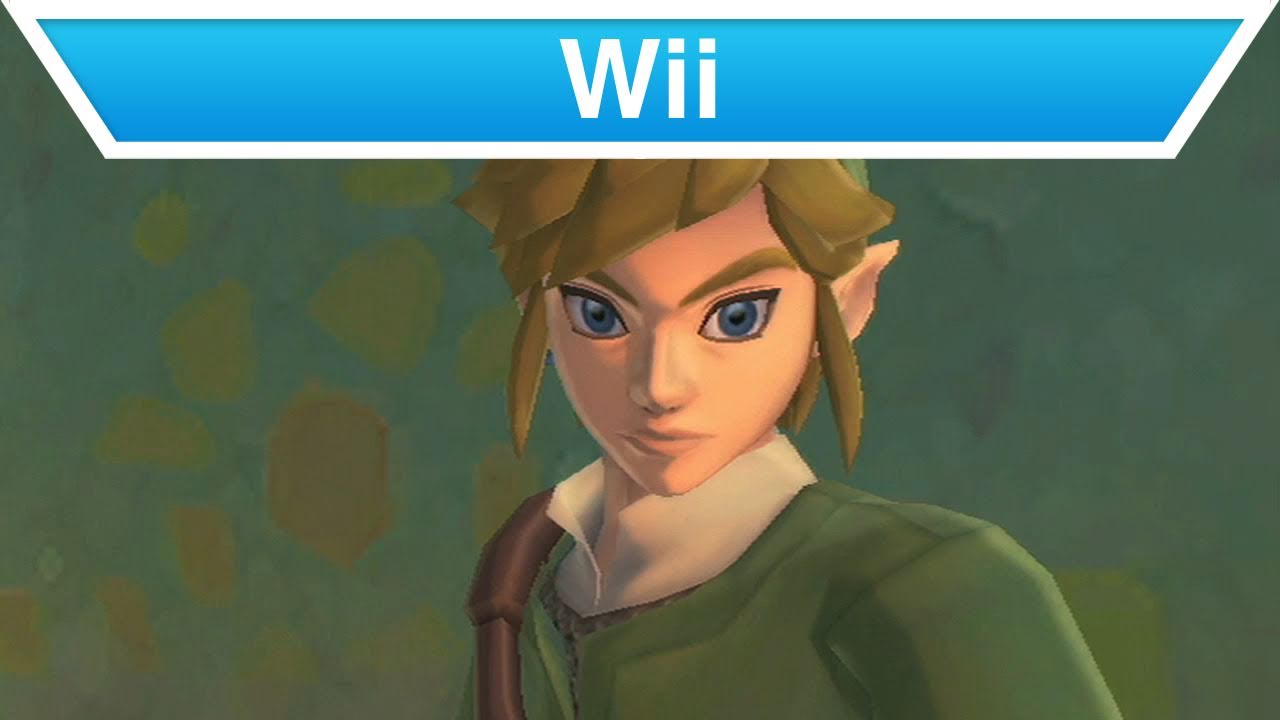
Introduction: The Next Chapter for The Legend of Zelda: Skyward Sword
“The Legend of Zelda: Skyward Sword,” released in 2011 for the Wii, represents a pivotal moment in the franchise’s history. More than just another installment, it serves as an origin story, detailing the creation of the Master Sword and setting the stage for the entire timeline. Developed by Nintendo EAD under the direction of Hidemaro Fujibayashi, this title boldly reimagines classic Zelda gameplay while introducing innovative motion controls that deeply integrate with the core experience. The game’s narrative focuses on Link, a young resident of Skyloft, who embarks on a quest to rescue his childhood friend Zelda from the dangers lurking below the clouds. This Masterclass Deep-Dive will dissect every facet of “Skyward Sword,” examining its visual direction, gameplay mechanics, level design, narrative depth, and overall impact on the gaming landscape.
Visual Direction and Graphics Engineering
“Skyward Sword” boasts a distinctive art style that blends impressionistic influences with a vibrant color palette. While limited by the Wii’s hardware capabilities, the development team masterfully crafted environments that are both visually appealing and functional. The floating islands of Skyloft provide a breathtaking introduction to the world, while the surface lands offer a stark contrast with their darker, more mysterious atmosphere. The game leverages cel-shading techniques to create a stylized look that complements the overall aesthetic. While not pushing graphical boundaries by today’s standards, “Skyward Sword” demonstrates how artistic vision can overcome technical limitations to deliver a memorable visual experience. The use of lighting and shadow is particularly noteworthy, adding depth and atmosphere to the environments.
Gameplay Mechanics and Core Systems
The core gameplay in “Skyward Sword” revolves around exploration, puzzle-solving, and combat. The game’s innovative motion controls are deeply integrated into every aspect of the experience. Players control Link’s movements with the Wii Remote, allowing for precise swordplay and aiming. The introduction of MotionPlus enhances the accuracy of these controls, providing a more immersive and responsive feel. Combat is strategic and challenging, requiring players to master timing and positioning. Puzzles are cleverly designed and often require creative use of the environment and Link’s various abilities. The game also features a robust crafting system, allowing players to create new items and upgrades using resources found throughout the world.
Level Design and World Atmosphere
“Skyward Sword” features a diverse range of environments, from the serene floating islands of Skyloft to the treacherous dungeons below. The level design is carefully crafted to guide players through the story while providing ample opportunities for exploration and discovery. Each area has its own unique atmosphere and challenges, keeping the gameplay fresh and engaging. The transition between the sky and surface worlds is seamless, creating a sense of interconnectedness that enhances the overall experience. The dungeons are particularly noteworthy, featuring intricate layouts and challenging puzzles that test players’ problem-solving skills.
Narrative Depth and Character Profiles
The narrative in “Skyward Sword” is both epic and intimate, exploring themes of courage, friendship, and sacrifice. Link’s journey from a carefree youth to a heroic figure is compellingly portrayed, and his relationship with Zelda is the heart of the story. The supporting characters are also well-developed, each with their own motivations and backstories. The game delves into the origins of iconic elements of the Zelda universe, such as the Master Sword and the Triforce, providing valuable context for long-time fans. The narrative is delivered through a combination of cutscenes, dialogue, and environmental storytelling, creating a rich and immersive experience.
Sound Design and Acoustic Realism
The sound design in “Skyward Sword” is exceptional, contributing significantly to the game’s atmosphere and immersion. The orchestral soundtrack is both beautiful and evocative, perfectly complementing the visuals and gameplay. Sound effects are meticulously crafted to provide feedback on player actions and enhance the sense of realism. The use of positional audio further enhances the experience, allowing players to pinpoint the location of enemies and other important elements in the environment. The sound design works seamlessly with the motion controls, providing tactile feedback that reinforces the feeling of being present in the game world.
Release Expectations and Community Hype
Prior to its release, “Skyward Sword” generated significant hype within the gaming community. Nintendo’s decision to leverage the Wii’s motion controls was both praised and criticized, but it undoubtedly sparked curiosity and anticipation. The game’s unique art style and intriguing premise further fueled the excitement. Upon release, “Skyward Sword” received overwhelmingly positive reviews, with critics praising its innovative gameplay, compelling narrative, and stunning visuals. While some players struggled to adapt to the motion controls, most found them to be a rewarding and immersive experience.
Conclusion: The Future of The Legend of Zelda: Skyward Sword
“The Legend of Zelda: Skyward Sword” represents a bold and ambitious step forward for the franchise. Its innovative gameplay mechanics, compelling narrative, and stunning visuals have cemented its place as a classic in the Zelda lineage. While the motion controls may not be for everyone, the game’s overall experience is undeniably rewarding. The recent release of an enhanced version for the Nintendo Switch has introduced “Skyward Sword” to a new generation of players, ensuring that its legacy will continue to endure.
Its influence can be seen in subsequent Zelda titles, and it serves as a testament to the power of innovation and artistic vision.
Source: Wikipedia


