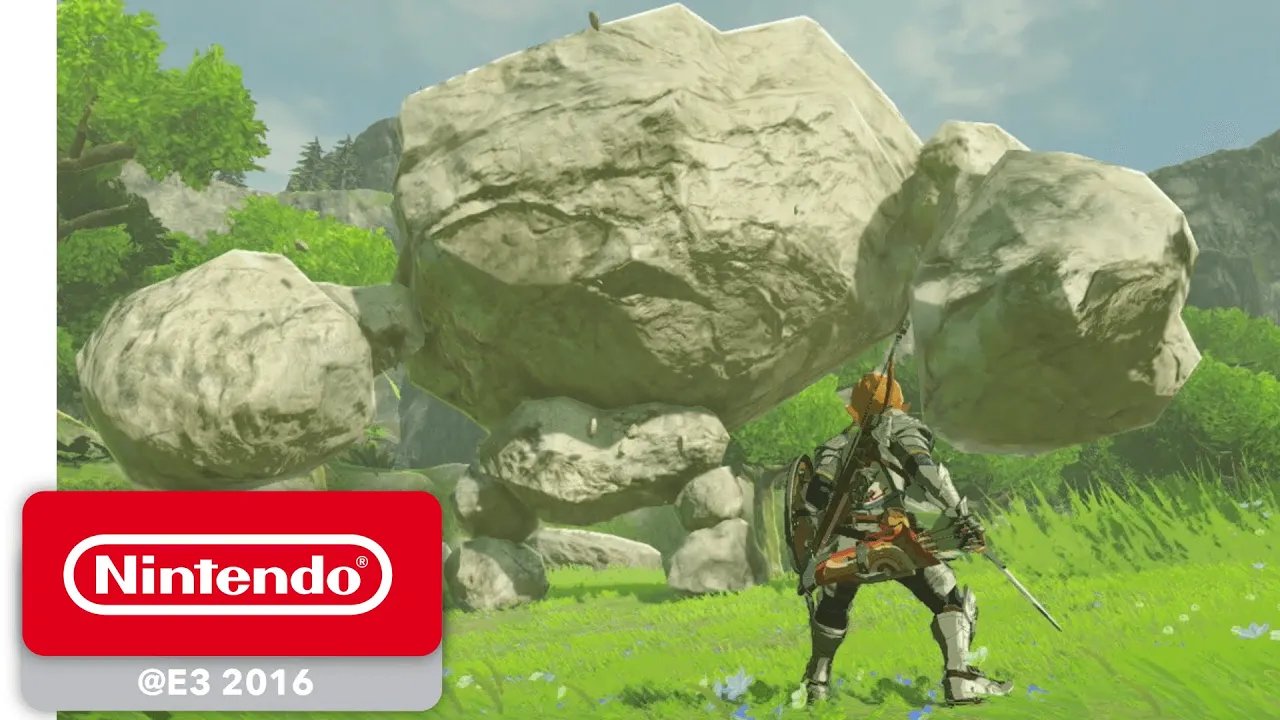
Introduction: The Next Chapter for The Legend of Zelda: Breath of the Wild
“The Legend of Zelda: Breath of the Wild,” released in 2017, wasn’t just another Zelda game; it was a paradigm shift. Developed by Nintendo EPD and published by Nintendo, this title marked a bold departure from established conventions while retaining the core essence of what makes a Zelda game so beloved. It arrived as a launch title for both the Wii U and the Nintendo Switch, immediately setting a new benchmark for open-world adventure games. The game’s impact resonated deeply with critics and players alike, solidifying its place as a modern classic. This deep dive will explore the technical artistry, design choices, and overall brilliance that made “Breath of the Wild” such a groundbreaking achievement.
Visual Direction and Graphics Engineering
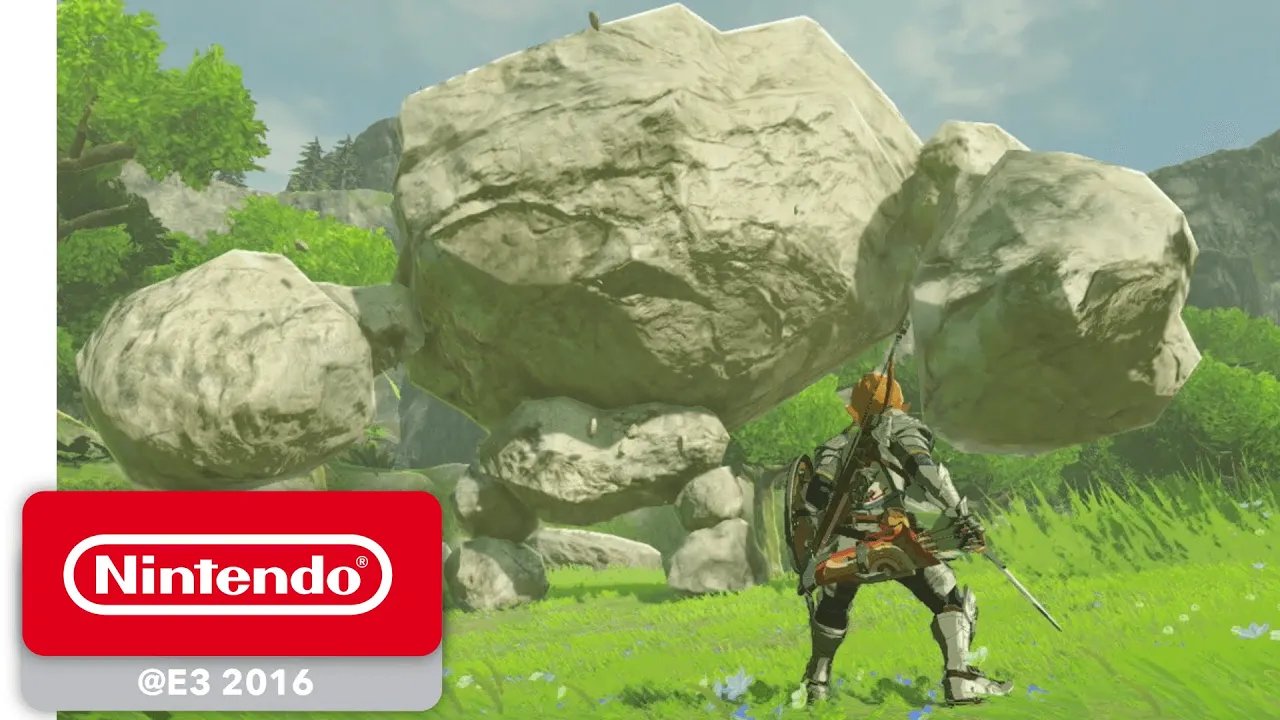
The visual style of “Breath of the Wild” is characterized by a vibrant cel-shaded aesthetic. While seemingly simple, this art direction was crucial for achieving the game’s expansive open world without sacrificing performance. The proprietary Next-Gen engine allowed for impressive draw distances and complex environmental effects, all while maintaining a consistent frame rate. The developers cleverly utilized lighting and shadow to create a sense of depth and atmosphere, making Hyrule feel both vast and intimately detailed. The art style also served to mask the limitations of the Wii U hardware, allowing for a visually stunning experience on both platforms.
Gameplay Mechanics and Core Systems
“Breath of the Wild” revolutionized Zelda gameplay with its emphasis on player freedom and emergent gameplay. The physics engine plays a central role, allowing players to interact with the environment in countless ways. From using fire to create updrafts to manipulating objects with magnesis, experimentation is constantly rewarded. The climbing mechanic, while initially challenging, opens up vast areas of the map and encourages exploration. The weapon degradation system, though controversial for some, adds a layer of realism and forces players to adapt their strategies.
Level Design and World Atmosphere
Hyrule in “Breath of the Wild” is not just a pretty backdrop; it’s an interactive playground. The world design encourages exploration and discovery at every turn. Shrines are scattered throughout the landscape, offering bite-sized puzzles and combat challenges. The game masterfully blends familiar Zelda locations with entirely new areas, creating a sense of both nostalgia and wonder. The dynamic weather system further enhances the atmosphere, transforming the environment and impacting gameplay in subtle but meaningful ways.
Narrative Depth and Character Profiles
While “Breath of the Wild” prioritizes player agency, it doesn’t neglect narrative depth. The story of Link’s quest to defeat Calamity Ganon is presented through flashbacks and environmental storytelling, allowing players to piece together the events that led to Hyrule’s downfall. Princess Zelda’s character arc is particularly compelling, showcasing her struggles and growth as she prepares to face the ultimate threat. The supporting cast, though often encountered briefly, adds richness and personality to the world.
Sound Design and Acoustic Realism
The sound design in “Breath of the Wild” is a crucial element that contributes significantly to its immersive quality. From the subtle rustling of leaves to the dramatic orchestral score, every audio cue serves to enhance the player’s experience. The game utilizes dynamic music that adapts to the environment and gameplay, creating a sense of tension or tranquility as needed. The sound effects for combat and environmental interactions are equally well-crafted, adding weight and impact to every action.
Release Expectations and Community Hype
The hype surrounding “Breath of the Wild” was immense leading up to its release. Years of anticipation had built expectations to a fever pitch, and Nintendo delivered on almost every front. The game’s innovative gameplay mechanics and stunning visuals immediately captivated players, while its open-world design offered unparalleled freedom and replayability. The positive reception from critics and the enthusiastic response from the community solidified its status as a must-play title.
Conclusion: The Future of The Legend of Zelda: Breath of the Wild
“The Legend of Zelda: Breath of the Wild” is more than just a game; it’s a testament to Nintendo’s commitment to innovation and creativity. Its impact on the gaming industry is undeniable, inspiring countless developers to rethink open-world design and player agency. The success of “Breath of the Wild” paved the way for future Zelda titles, including the highly anticipated sequel, “Tears of the Kingdom,” which builds upon its foundations while introducing new mechanics and expanding the world.
It remains a landmark achievement in gaming history, a title that continues to inspire and delight players years after its release.

Source: Wikipedia


