Introduction: The Next Chapter for The Legend of Zelda: A Link Between Worlds
“The Legend of Zelda: A Link Between Worlds,” released in 1991, marked a significant evolution for the franchise. Building upon its legacy, Nintendo’s “A Link Between Worlds” (2013) for the 3DS delivers a fresh perspective on familiar territory while introducing innovative gameplay mechanics that redefine what it means to be a Zelda game. This Masterclass Deep-Dive will dissect every facet of this critically acclaimed title, from its visual direction and core systems to its narrative depth and lasting impact.
Visual Direction and Graphics Engineering
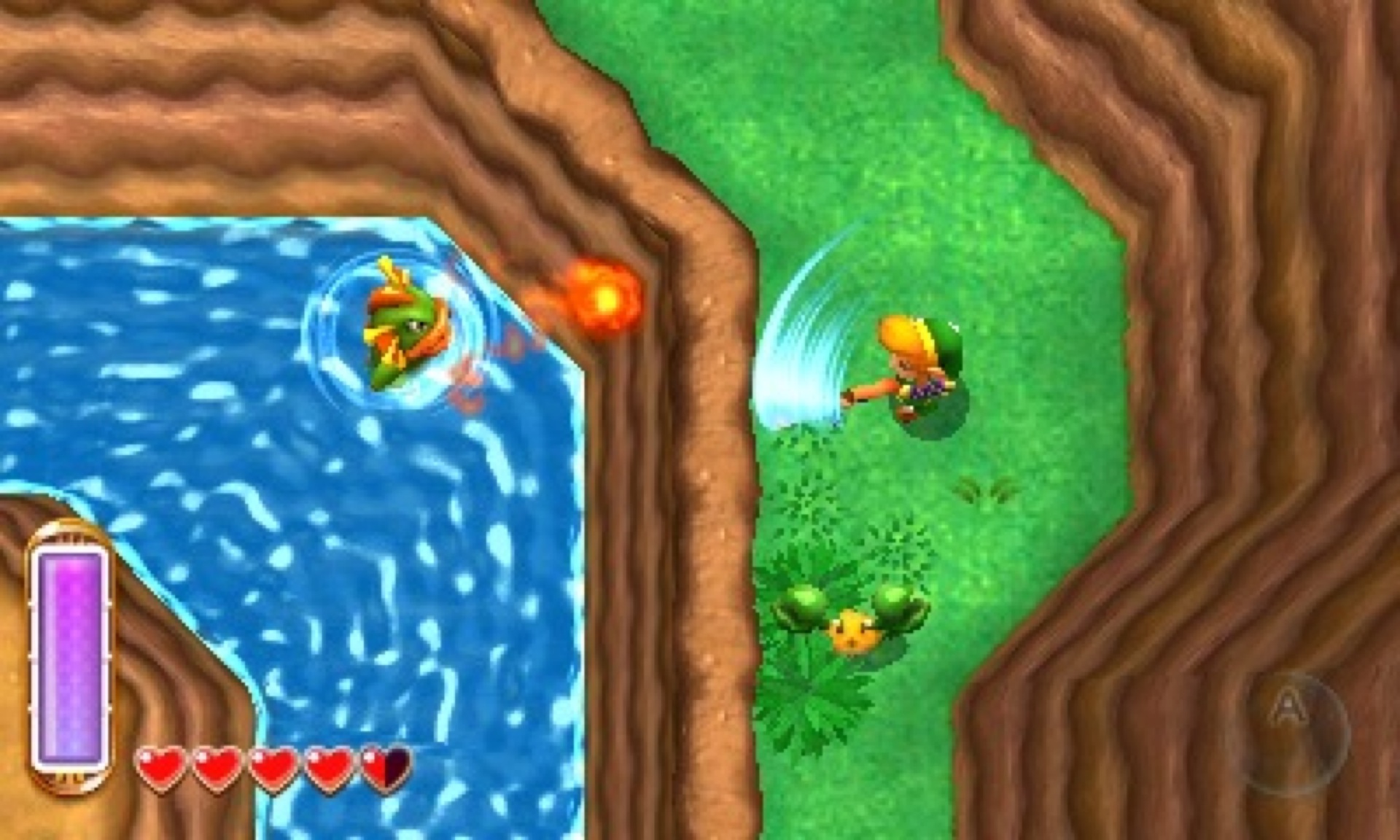
“A Link Between Worlds” leverages the 3DS’s capabilities to create a vibrant and detailed world. While retaining the top-down perspective reminiscent of “A Link to the Past,” the game introduces a painterly aesthetic, enhancing the visual appeal. The use of parallax scrolling adds depth to the environments, creating a sense of immersion that was impressive for its time. The transition between 2D and pseudo-3D elements is seamless, contributing to the overall polish of the experience. This careful attention to detail extends to character design, with expressive animations bringing life to Link and the diverse cast of characters he encounters.
Gameplay Mechanics and Core Systems
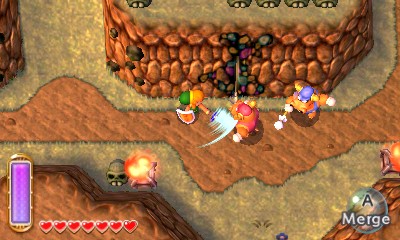
The core gameplay loop revolves around exploration, puzzle-solving, and combat. However, “A Link Between Worlds” introduces a game-changing mechanic: the ability for Link to merge into walls. This allows players to navigate previously inaccessible areas, solve puzzles in creative ways, and gain a strategic advantage in battles. The item system is also well-designed, with each item offering unique abilities that complement the wall-merging mechanic. Combat is challenging but rewarding, requiring players to master timing and positioning.
Level Design and World Atmosphere
The game’s world is a clever blend of familiar Hyrule locales and the mysterious realm of Lorule. Each area is meticulously crafted, with secrets hidden around every corner. The level design encourages exploration and experimentation, rewarding players who are willing to think outside the box. The atmosphere is both whimsical and melancholic, reflecting the story’s themes of loss and redemption.
Narrative Depth and Character Profiles
The story follows Link as he embarks on a quest to rescue Princess Zelda and restore peace to Hyrule. However, the narrative delves deeper than previous installments, exploring themes of sacrifice, identity, and the consequences of power. The characters are well-developed, each with their own motivations and backstories. Yuga, the primary antagonist, is particularly compelling, driven by a tragic past that adds layers to his villainy.
Sound Design and Acoustic Realism
The game’s soundtrack is a masterful blend of familiar melodies and original compositions. The music perfectly complements the visuals and enhances the emotional impact of key moments in the story. The sound effects are also well-executed, adding realism and immersion to the gameplay experience. From the clink of Link’s armor to the whoosh of his sword, every sound is carefully crafted to create a believable world.
Release Expectations and Community Hype
“A Link Between Worlds” was highly anticipated by fans eager to see how Nintendo would evolve the classic “A Link to the Past” formula. The game delivered on its promises, introducing innovative gameplay mechanics while staying true to the spirit of the original. The community response was overwhelmingly positive, with players praising the game’s creativity, challenge, and overall polish.
Conclusion: The Future of The Legend of Zelda: A Link Between Worlds
“The Legend of Zelda: A Link Between Worlds” stands as a testament to Nintendo’s commitment to innovation and quality. Its unique gameplay mechanics, compelling story, and stunning visuals have cemented its place as a modern classic. While it builds upon the foundation laid by its predecessors, it also carves out its own identity, offering a fresh and unforgettable experience for players of all ages. The game’s influence can be seen in subsequent Zelda titles, demonstrating its lasting impact on the franchise.
Source: Wikipedia


