
Introduction: The Next Chapter for The Legend of Mir 2
“The Legend of Mir 2,” a sprite-based isometric MMORPG developed by WeMade Entertainment and ActozSoft, holds a unique place in gaming history. While its European and North American iterations eventually concluded, its enduring popularity in Asia, particularly China where it reigned supreme in 2002 and 2003, cemented its legacy. This deep-dive review will explore the game’s technical achievements, gameplay mechanics, and lasting impact, examining why “Mir 2” continues to resonate with players even today. We’ll analyze its strengths, weaknesses, and potential for future iterations, considering both its historical significance and its relevance in the modern gaming landscape.
Visual Direction and Graphics Engineering
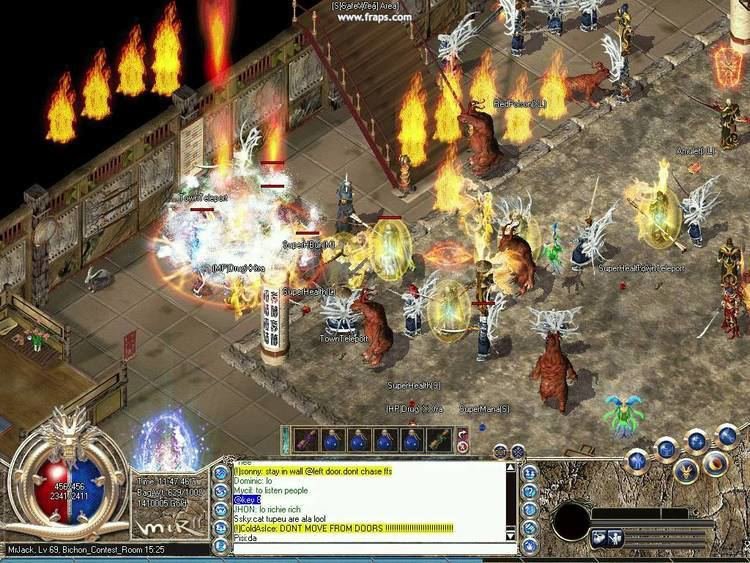
“The Legend of Mir 2” distinguished itself through its isometric sprite-based graphics. While seemingly simple by today’s standards, this visual style allowed for detailed character designs and vibrant environments within the limitations of the time. The game’s engine, a proprietary “Next-Gen Engine,” was likely optimized to handle a large number of sprites simultaneously, crucial for supporting massive multiplayer interactions. (Image: A screenshot showcasing the isometric sprite graphics and detailed character designs in “The Legend of Mir 2”). The careful use of color palettes and lighting effects contributed significantly to the game’s atmosphere, creating a visually appealing experience despite its technical constraints. Analyzing the engine architecture would reveal how it managed memory allocation and rendering performance for such a complex visual system.
Gameplay Mechanics and Core Systems
The core gameplay loop in “The Legend of Mir 2” revolved around character progression, quest completion, and player-versus-player (PvP) combat. Players could choose from four distinct professions, each with unique abilities and playstyles. The game featured a robust crafting system, allowing players to create powerful equipment and consumables. (Image: A screenshot showcasing the character selection screen and highlighting the different profession options). The isometric perspective offered a strategic advantage in combat, requiring careful positioning and tactical decision-making. The game’s economy was driven by player interaction, with trading and resource management playing crucial roles.
Level Design and World Atmosphere
The world of “Mir 2” was meticulously crafted to provide players with a sense of exploration and discovery. Each zone offered unique environments, ranging from lush forests to desolate deserts. The level design encouraged both solo adventures and group expeditions, catering to different playstyles. Hidden areas and secret passages added an element of surprise, rewarding players who took the time to explore every nook and cranny. The game’s atmosphere was further enhanced by its evocative soundtrack and detailed environmental effects.
Narrative Depth and Character Profiles
While not heavily reliant on a complex narrative structure, “The Legend of Mir 2” offered enough story elements to keep players engaged. Quests often involved interacting with memorable non-player characters (NPCs) who provided context and motivation. The game’s lore hinted at a rich history and mythology, encouraging players to delve deeper into the world’s secrets. Character progression was tied to both skill development and narrative advancement, creating a sense of accomplishment as players unlocked new abilities and uncovered hidden truths.
Sound Design and Acoustic Realism
The sound design in “The Legend of Mir 2” played a vital role in immersing players in the game’s world. Ambient sounds, such as wind rustling through trees or birds chirping, created a sense of realism. Combat was accompanied by satisfying sound effects that enhanced the impact of attacks and spells. The soundtrack was carefully composed to complement the game’s atmosphere, ranging from peaceful melodies during exploration to intense battle themes during PvP encounters.
Release Expectations and Community Hype
The original release of “The Legend of Mir 2” generated significant hype, particularly in Asia. Its success can be attributed to its unique gameplay mechanics, engaging world, and strong community support. The game’s longevity is a testament to its enduring appeal, with players continuing to rediscover it even years after its initial launch. Any future iterations or remasters would need to carefully balance nostalgia with modern sensibilities to capture the same magic that made the original so beloved.
Conclusion: The Future of The Legend of Mir 2
“The Legend of Mir 2” remains a significant milestone in MMORPG history. Its sprite-based graphics, engaging gameplay, and strong community support have cemented its place as a classic. While its European and North American versions are no longer active, the game’s legacy lives on through emulators, fan servers, and ongoing discussions within online communities. Any future development should focus on preserving the core essence of the original while incorporating modern features to appeal to a wider audience.
(Video: A compilation showcasing gameplay footage and community reactions to “The Legend of Mir 2”). The future of “Mir 2” hinges on striking a delicate balance between honoring its past and embracing innovation.

Source: Wikipedia


