Introduction: The Next Chapter for The Last of Us
Naughty Dog’s “The Last of Us” franchise has cemented its place as a cornerstone of modern gaming, renowned for its gripping narrative, compelling characters, and emotionally resonant storytelling. More than just a game, it’s an experience that lingers long after the credits roll. This deep-dive review will dissect every facet of this masterpiece, from its groundbreaking engine to its unforgettable soundtrack, offering a comprehensive analysis for seasoned gamers and newcomers alike. We’re not just looking at what makes “The Last of Us” great; we’re exploring *why* it resonates so deeply with players worldwide.
Visual Direction and Graphics Engineering
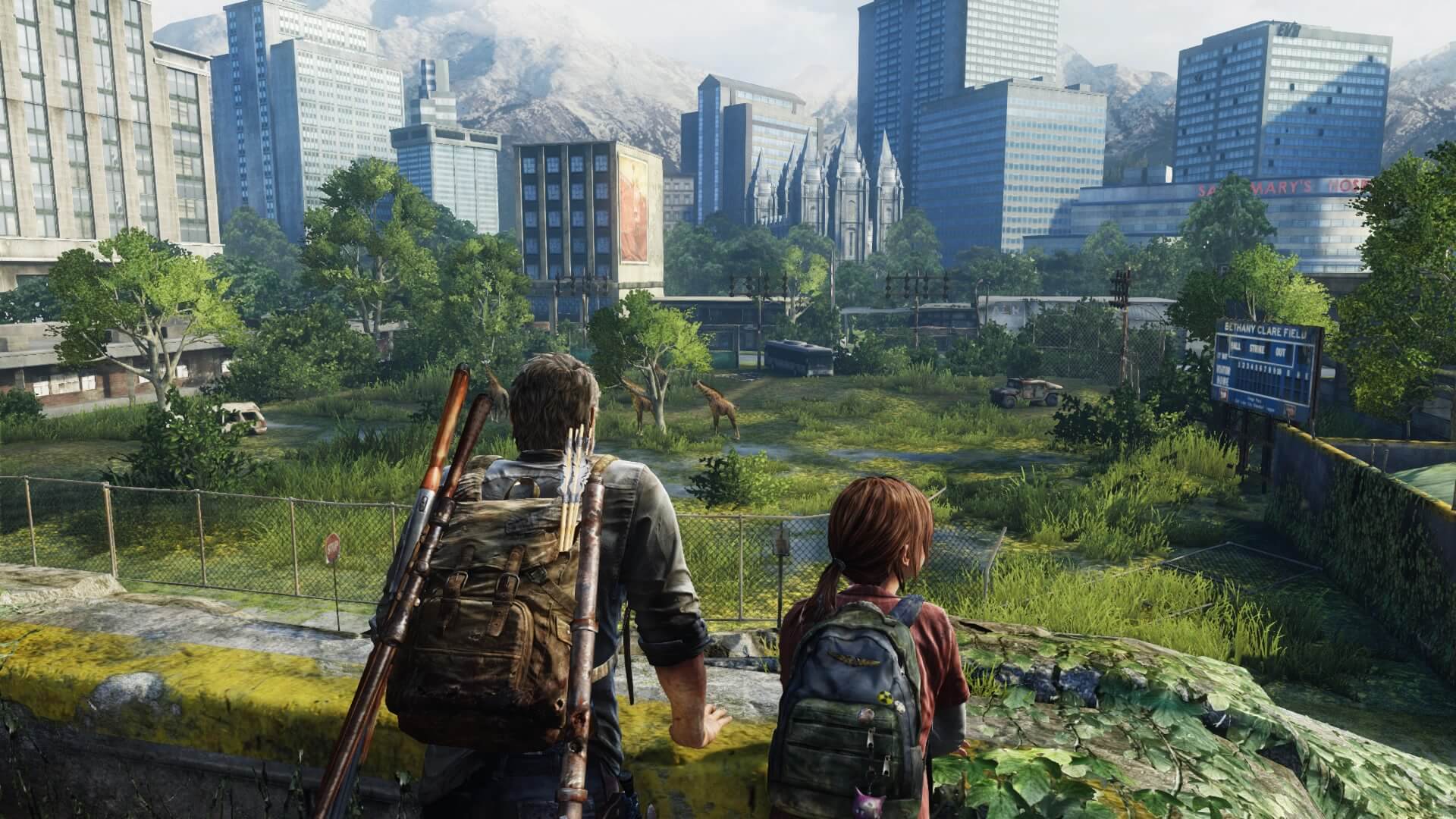
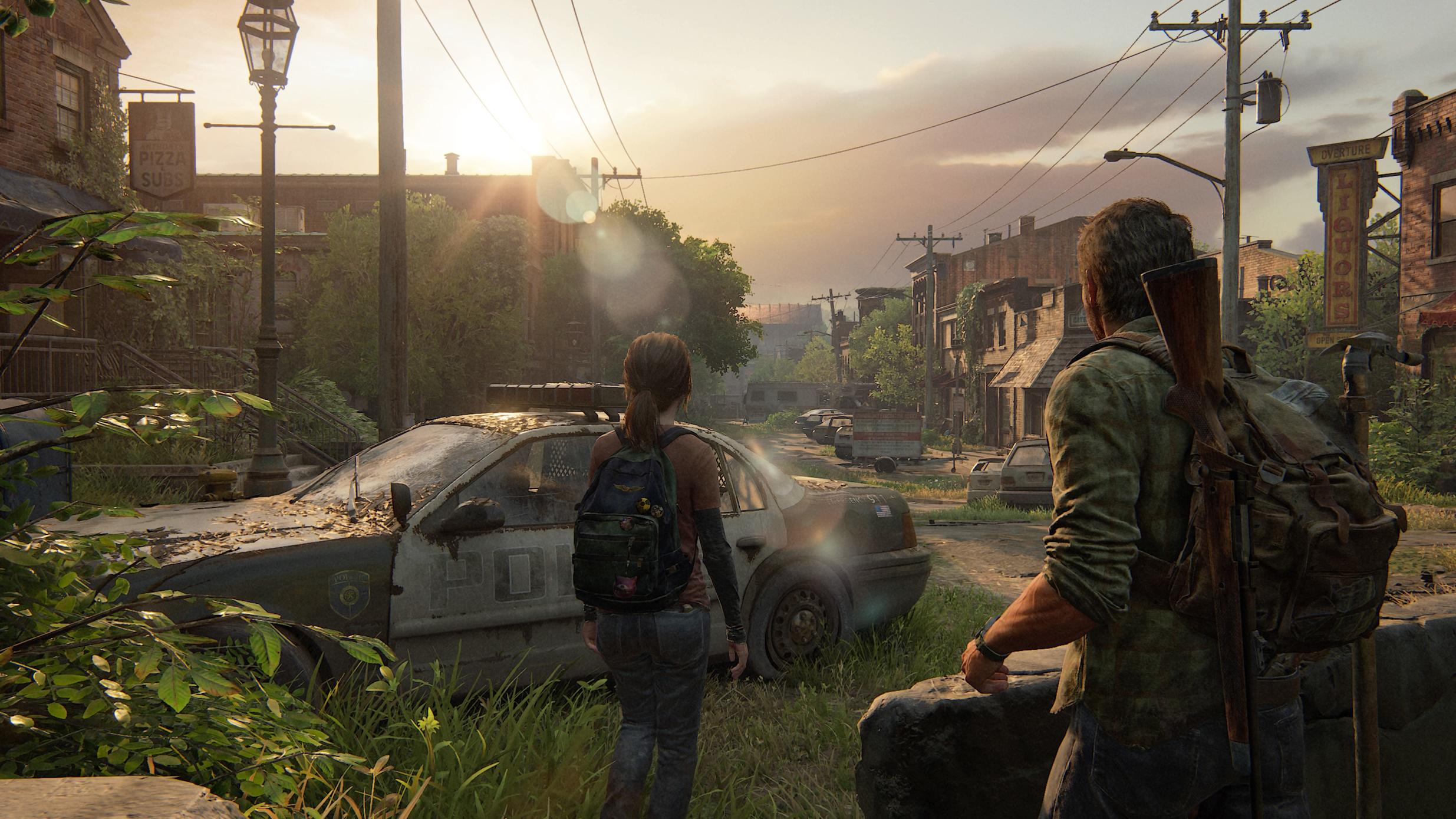
Naughty Dog’s proprietary next-gen engine is the unsung hero behind “The Last of Us”‘s stunning visuals. The game masterfully blends photorealistic character models with meticulously crafted environments, creating a world that feels both beautiful and terrifying. The attention to detail is astounding, from the subtle expressions on characters’ faces to the decaying infrastructure that reflects the post-apocalyptic setting. Lighting plays a crucial role, casting long shadows and highlighting key moments, enhancing the game’s atmosphere of dread and suspense. The engine allows for dynamic weather effects, further immersing players in the world. While technically impressive, the visual design isn’s just about raw power; it’s about using those capabilities to tell a story and evoke emotion.
Gameplay Mechanics and Core Systems
“The Last of Us” distinguishes itself with its blend of stealth, action, and resource management. Combat is visceral and unforgiving, emphasizing strategic thinking over brute force. Players must scavenge for supplies, craft essential items like Molotov cocktails and shivs, and make difficult choices about how to approach each encounter. The AI is intelligent and reactive, forcing players to adapt their tactics on the fly. The game’s core systems are tightly integrated, creating a cohesive and engaging gameplay loop that keeps players constantly engaged. While linear in structure, the freedom within those boundaries allows for diverse playstyles, catering to both stealth aficionados and action-oriented players.
Level Design and World Atmosphere
The level design in “The Last of Us” is a masterclass in environmental storytelling. Each location, from the overgrown ruins of Pittsburgh to the desolate landscapes of Salt Lake City, tells its own story through subtle details and carefully placed objects. The world feels lived-in, even in its ruined state, thanks to the meticulous attention paid to creating a sense of history and decay. The game’s atmosphere is thick with tension and dread, heightened by the constant threat of infected creatures and hostile human factions. The level design isn’t just about navigating from point A to point B; it’s about immersing players in a world that feels both real and dangerous.
Narrative Depth and Character Profiles
The heart of “The Last of Us” lies in its narrative depth and compelling character profiles. Joel, the hardened smuggler haunted by his past, is a complex and morally ambiguous protagonist. Ellie, the resilient young girl who represents hope for the future, is equally captivating. The supporting cast is equally well-developed, each with their own motivations and struggles. The game explores themes of love, loss, sacrifice, and redemption, prompting players to confront difficult questions about morality and survival. The narrative isn’t afraid to challenge players emotionally, creating a truly unforgettable experience.
Sound Design and Acoustic Realism
The sound design in “The Last of Us” is nothing short of exceptional. The haunting soundtrack by Gustavo Santaolalla perfectly complements the game’s atmosphere, enhancing moments of tension and emotional resonance. The environmental sounds are equally impressive, creating a sense of realism that draws players deeper into the world. From the rustling leaves to the distant cries of infected creatures, every sound is carefully crafted to create an immersive experience. The audio cues also play a crucial role in gameplay, alerting players to potential threats and guiding them through the environment.
Release Expectations and Community Hype
The release of “The Last of Us” was met with immense anticipation from gamers worldwide. Naughty Dog had built a reputation for delivering high-quality experiences, and the trailers and previews hinted at something truly special. The game lived up to the hype, exceeding expectations in almost every aspect. The community response was overwhelmingly positive, with players praising the game’s story, characters, gameplay, and visuals. The success of “The Last of Us” solidified Naughty Dog’s position as one of the leading developers in the industry.
Conclusion: The Future of The Last of Us
“The Last of Us” is more than just a game; it’s a cultural phenomenon that has left an indelible mark on the gaming landscape. Its blend of compelling narrative, memorable characters, and innovative gameplay mechanics has set a new standard for storytelling in video games. The success of “The Last of Us Part II” further cemented the franchise’s legacy, demonstrating Naughty Dog’s commitment to pushing the boundaries of interactive entertainment. As we look towards the future, it’s clear that “The Last of Us” will continue to inspire and captivate players for years to come.
Source: Wikipedia


