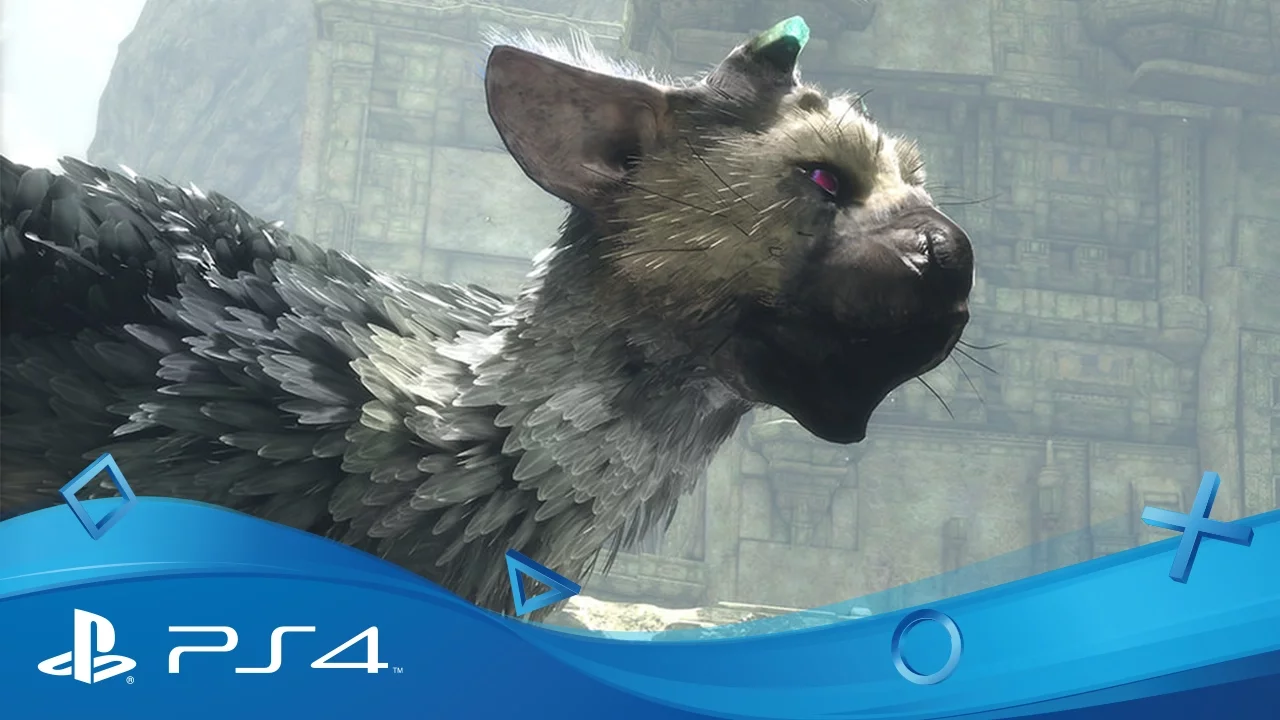
Introduction: The Next Chapter for The Last Guardian
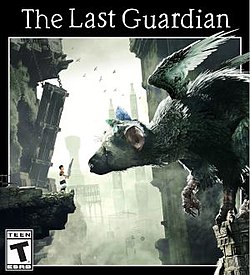
“The Last Guardian,” a title that has echoed through the gaming world for over a decade, finally arrived on PlayStation 4. Developed by Japan Studio and GenDesign, with Fumito Ueda at the helm, this game represents more than just a release; it’s a culmination of years of development, technical hurdles, and artistic vision. Building upon the foundations laid by “Ico” and “Shadow of the Colossus,” “The Last Guardian” aims to capture the same sense of wonder, connection, and emotional resonance that made its predecessors so beloved. The long wait has undoubtedly built immense anticipation, setting a high bar for what this game needs to deliver.
Visual Direction and Graphics Engineering
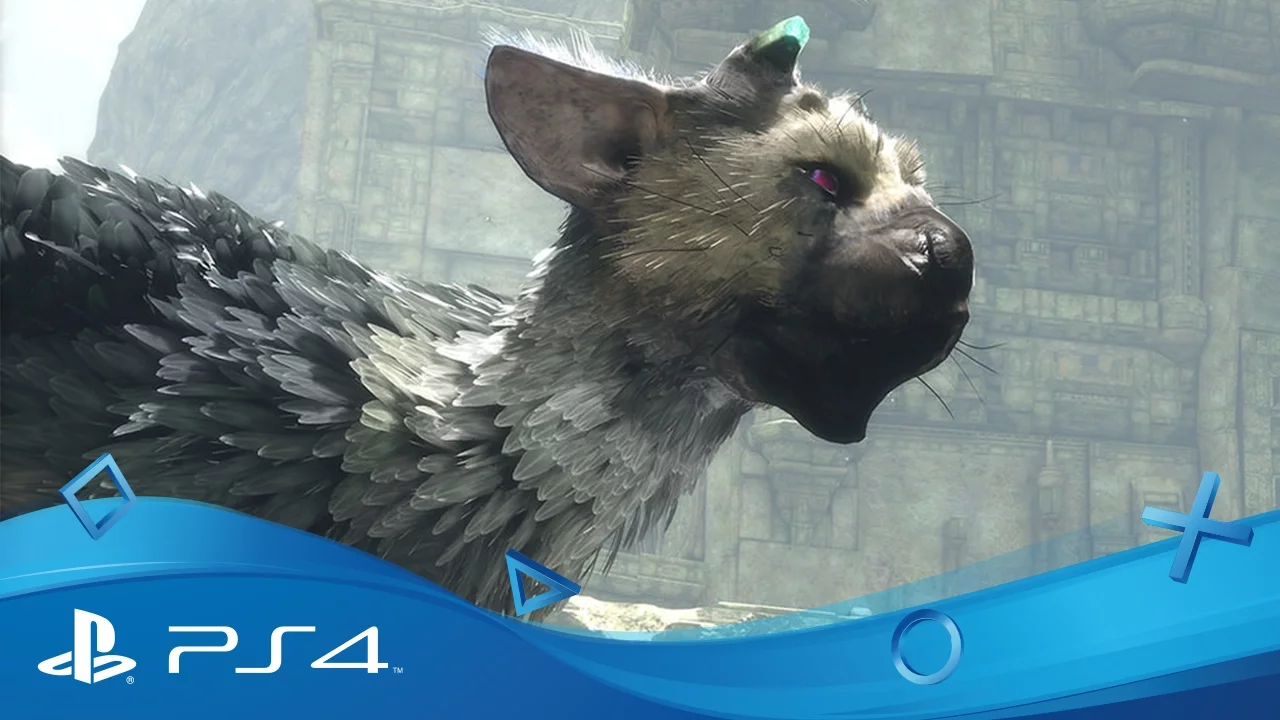
Visually, “The Last Guardian” is stunning. The environments are richly detailed, showcasing the power of the PlayStation 4’s hardware. The character models, particularly Trico, are incredibly expressive, conveying a wide range of emotions through subtle animations. The game utilizes a proprietary next-gen engine, allowing for complex lighting effects and intricate textures that bring the ancient ruins to life. The art style is reminiscent of Ueda’s previous works, blending realism with a touch of fantasy. However, the sheer scale of the environments and the complexity of Trico’s animations presented significant technical challenges during development, requiring constant optimization and refinement.
Gameplay Mechanics and Core Systems
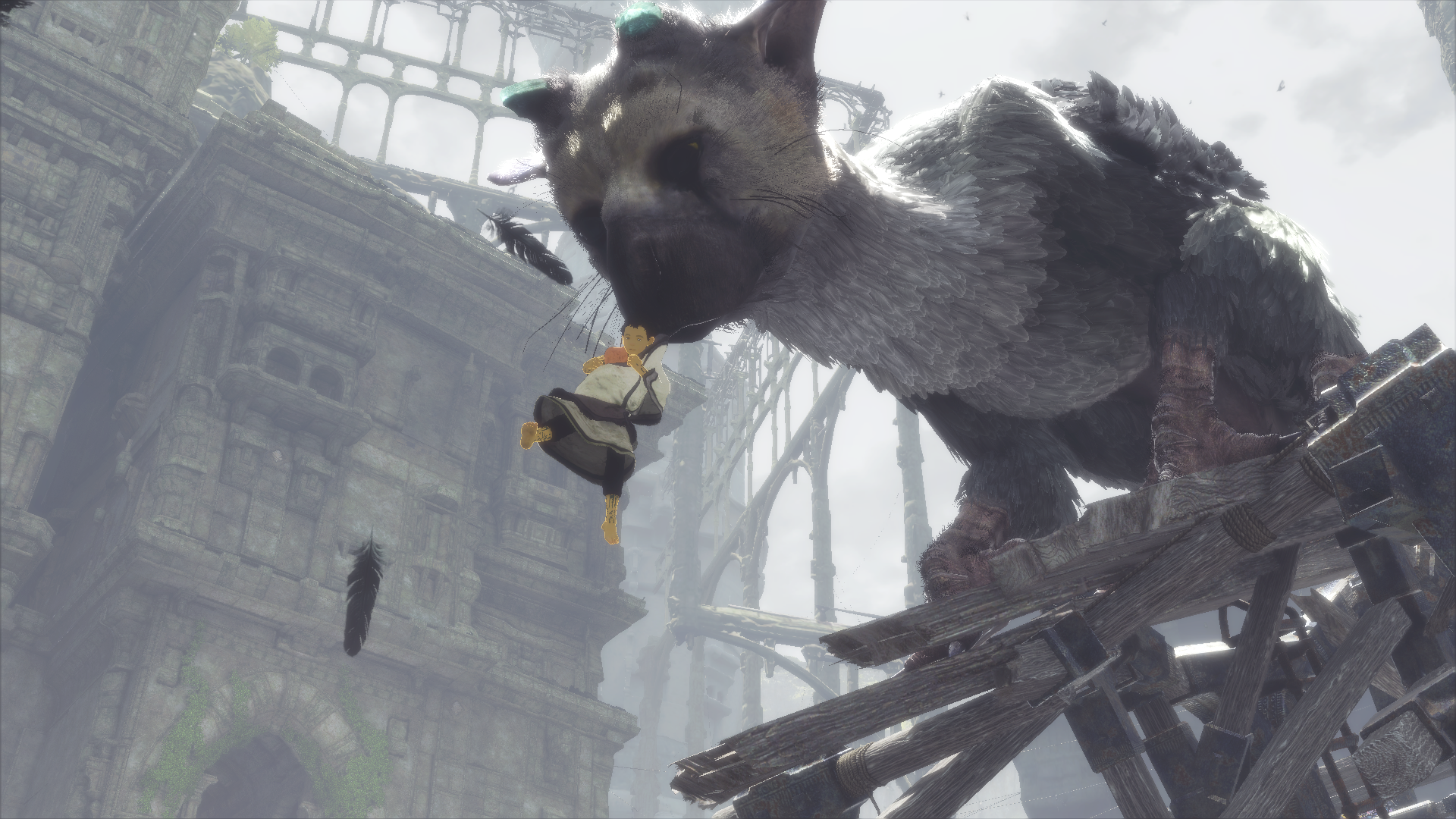
The core gameplay revolves around the bond between the boy and Trico. Players must solve puzzles, navigate treacherous environments, and protect Trico from danger. The game emphasizes cooperation; players need to guide Trico, climb onto him, and use his abilities to overcome obstacles. This creates a unique gameplay experience that is both challenging and rewarding. The AI for Trico is impressive, allowing him to react realistically to the player’s actions and the environment. However, some critics have noted that the controls can be occasionally clunky, particularly when trying to maneuver Trico in tight spaces.
Level Design and World Atmosphere
The level design in “The Last Guardian” is exceptional. The ancient ruins are vast and interconnected, filled with secrets and hidden pathways. Each area feels distinct, offering a unique visual experience and gameplay challenges. The atmosphere is thick with mystery and danger, creating a sense of constant tension. The game’s pacing is deliberate, allowing players to soak in the environment and appreciate the intricate details. However, some have criticized the linearity of certain sections, wishing for more freedom to explore.
Narrative Depth and Character Profiles
The narrative in “The Last Guardian” is subtle yet powerful. The story unfolds gradually, revealing fragments of information about the boy’s past and the origins of Trico. The relationship between the two characters is at the heart of the game, driving the emotional core of the experience. While the dialogue is minimal, the non-verbal communication between the boy and Trico speaks volumes. The supporting characters are less developed, but they contribute to the overall sense of mystery surrounding the ancient civilization.
Sound Design and Acoustic Realism
The sound design in “The Last Guardian” is crucial to creating its immersive atmosphere. The ambient sounds of the ruins, the cries of Trico, and the subtle musical cues all work together to create a sense of tension and wonder. The game utilizes acoustic realism to enhance the feeling of being present in the environment.
The sound effects are meticulously crafted, adding weight and impact to every action. However, some players have noted that the music can occasionally be repetitive.
Release Expectations and Community Hype
The long development cycle for “The Last Guardian” has created a significant amount of community hype. Players have eagerly awaited its release, hoping it would live up to the legacy of “Ico” and “Shadow of the Colossus.” The game’s initial announcement at E3 2009 generated immense excitement, but subsequent delays tempered expectations. Despite the wait, the anticipation remains high, with players eager to experience the bond between the boy and Trico.
Conclusion: The Future of The Last Guardian
“The Last Guardian” is a remarkable achievement, representing a culmination of years of development and artistic vision. While it may not be perfect, its unique gameplay, stunning visuals, and emotional core make it a truly special experience. It stands as a testament to the power of connection and the enduring legacy of Fumito Ueda’s work. The future for this franchise remains open, with potential for sequels or spin-offs that could further explore the world and characters introduced in this game.
Source: Wikipedia


