Introduction: The Next Chapter for The King of Fighters 2000
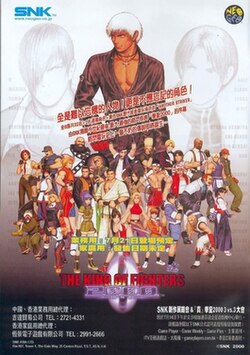
The King of Fighters 2000, often abbreviated as KOF ’00, arrived on the scene in 2000 as a pivotal entry in SNK’s legendary fighting game franchise. More than just a sequel to ’99, it represented a bold step forward, attempting to refine and expand upon the foundations laid by its predecessors while navigating the turbulent waters of SNK’s internal restructuring. This Masterclass Deep-Dive will dissect every facet of KOF ’00, from its groundbreaking (for the time) visual presentation to its intricate gameplay mechanics, offering an in-depth analysis for seasoned gamers and newcomers alike. We’re not just looking at a game; we’re examining a snapshot of fighting game history, a testament to SNK’s ambition and innovation.
Visual Direction and Graphics Engineering
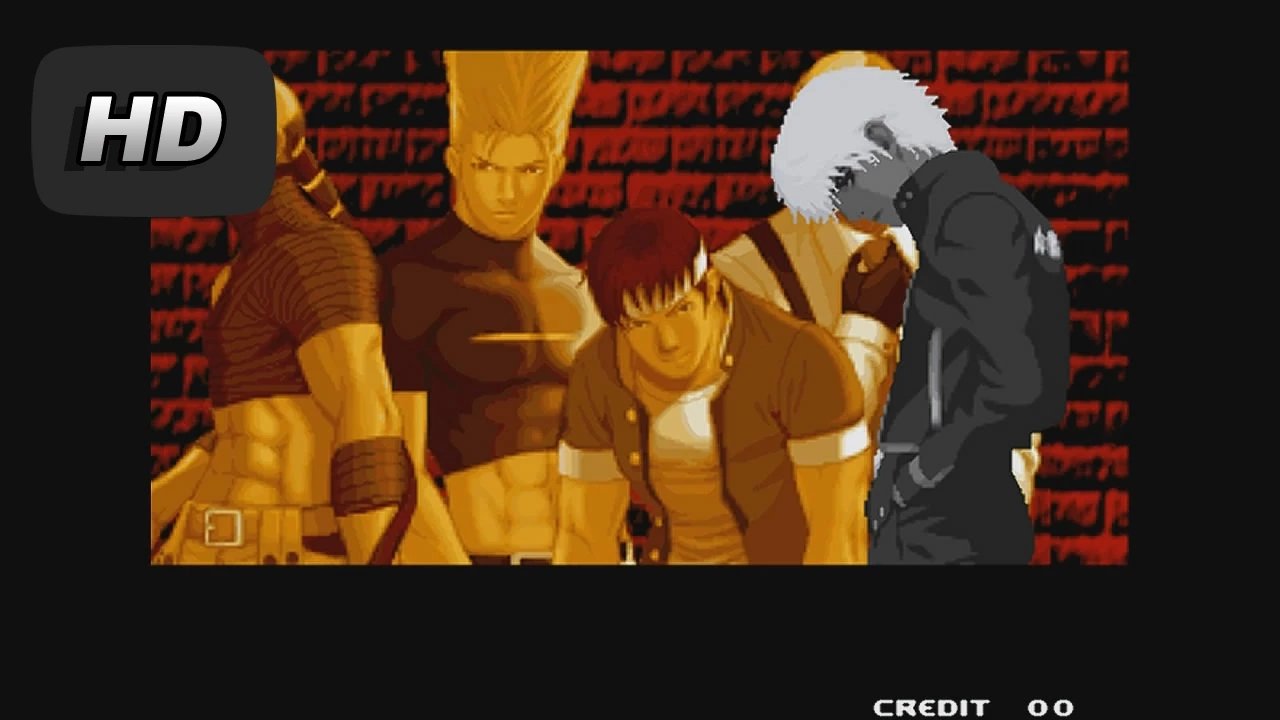
KOF ’00 pushed the graphical capabilities of its target platforms – primarily the Neo Geo arcade system and later ports to Dreamcast and PlayStation 2. While pixel art remained the dominant aesthetic, SNK implemented techniques to enhance visual fidelity. Character sprites were meticulously crafted, boasting a level of detail previously unseen in the series. The use of color palettes was expanded, creating more vibrant and dynamic environments. showcases the character design; note the attention given to clothing textures and facial expressions. The game’s engine, while proprietary, leveraged advancements in sprite animation and layering to create a sense of depth and movement that was impressive for its era. However, limitations inherent in the hardware meant compromises were necessary, leading to occasional visual glitches, especially noticeable in later ports.
Gameplay Mechanics and Core Systems
The core gameplay of KOF ’00 remains faithful to the series’ roots: a 3-on-3 fighting system with a focus on combos, special moves, and strategic team composition. The “Striker” system, introduced in ’99, was refined, allowing for more seamless transitions between characters and opening up new combo possibilities. This refinement was crucial; it allowed players to experiment with different character pairings and discover unique strategies. However, the game also inherited some of the balancing issues that plagued earlier entries, leading to certain character combinations being considered overpowered. The control scheme is tight and responsive, allowing for precise execution of complex move sets. illustrates a combo sequence; observe the fluidity and responsiveness required for mastery.
Level Design and World Atmosphere
The stage design in KOF ’00 is diverse, ranging from bustling cityscapes to serene natural environments. Each stage is meticulously crafted to reflect the personality of its location, with unique background details and interactive elements. While some stages are visually stunning, others suffer from repetitive backgrounds or limited interactivity, a common limitation of the era’s technology. The game attempts to create a sense of atmosphere through subtle visual cues and ambient sounds, but these efforts are sometimes hampered by technical constraints.
Narrative Depth and Character Profiles
The story in KOF ’00 continues the overarching narrative established in previous installments, focusing on the conflict between various factions and the search for answers regarding the NESTS cartel. New characters are introduced, each with their own motivations and backstories, adding depth to the game’s universe. However, the storytelling is often delivered through brief cutscenes and dialogue sequences, leaving much of the narrative interpretation up to the player. The character profiles are well-developed, providing insights into their personalities and relationships with other characters.
Sound Design and Acoustic Realism
The sound design in KOF ’00 is a crucial element of its immersive experience. The music tracks are catchy and memorable, perfectly complementing the on-screen action. Sound effects are crisp and impactful, adding weight to each punch, kick, and special move. While the audio quality is limited by the technology of the time, the overall sound design effectively enhances the game’s atmosphere and excitement.
Release Expectations and Community Hype
The release of KOF ’00 was met with considerable anticipation from fans of the series. The promise of refined gameplay mechanics, new characters, and improved visuals generated significant hype within the fighting game community. However, the game also faced scrutiny due to SNK’s precarious financial situation at the time, raising concerns about its long-term support and potential for future installments. Despite these uncertainties, KOF ’00 ultimately delivered a solid experience that satisfied many fans while leaving room for improvement in subsequent releases.
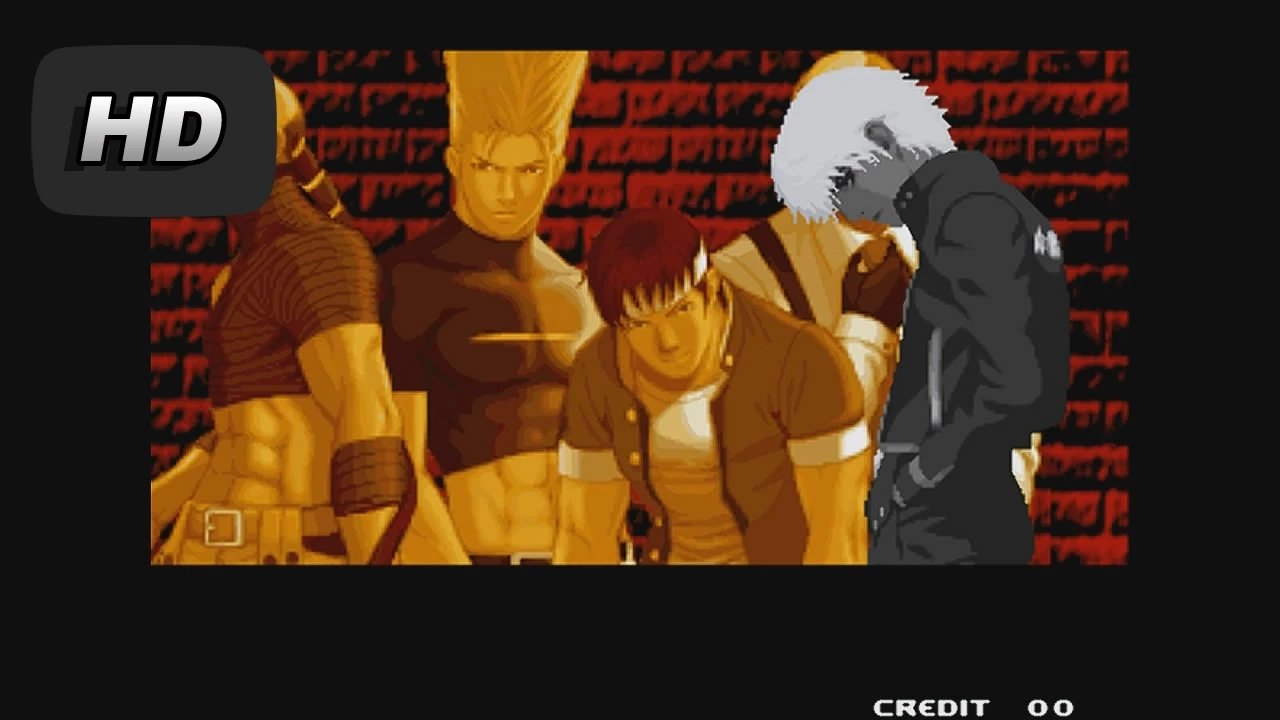
showcases gameplay footage from the era.
Conclusion: The Future of The King of Fighters 2000
The King of Fighters 2000 stands as a significant milestone in the franchise’s history, representing both a continuation of its core values and an attempt to innovate within the limitations of its time. While not without its flaws, the game offers a compelling fighting experience that remains enjoyable even today. Its legacy extends beyond its gameplay mechanics, serving as a reminder of SNK’s enduring influence on the fighting game genre and the challenges faced by developers during a period of rapid technological advancement. The future of KOF 2000 rests in the hands of those who continue to play and appreciate its unique blend of classic gameplay and innovative design.
Source: Wikipedia


