
Introduction: The Next Chapter for The Evil Within
“The Evil Within,” a survival horror title developed by Tango Gameworks and published by Bethesda Softworks, arrived in 2014 as the brainchild of legendary game director Shinji Mikami, the architect behind the “Resident Evil” franchise. This wasn’t just another horror game; it was an attempt to recapture the raw terror and strategic resource management that defined early survival horror, while simultaneously pushing technical boundaries with the id Tech 5 engine. The game plunges players into the shoes of Sebastian Castellanos, a detective grappling with a reality twisted beyond comprehension, battling grotesque creatures in nightmarish locales. “The Evil Within” aimed to deliver a visceral and unforgettable experience, blending intense action with psychological horror, setting the stage for a franchise that would both challenge and reward its audience.
Visual Direction and Graphics Engineering
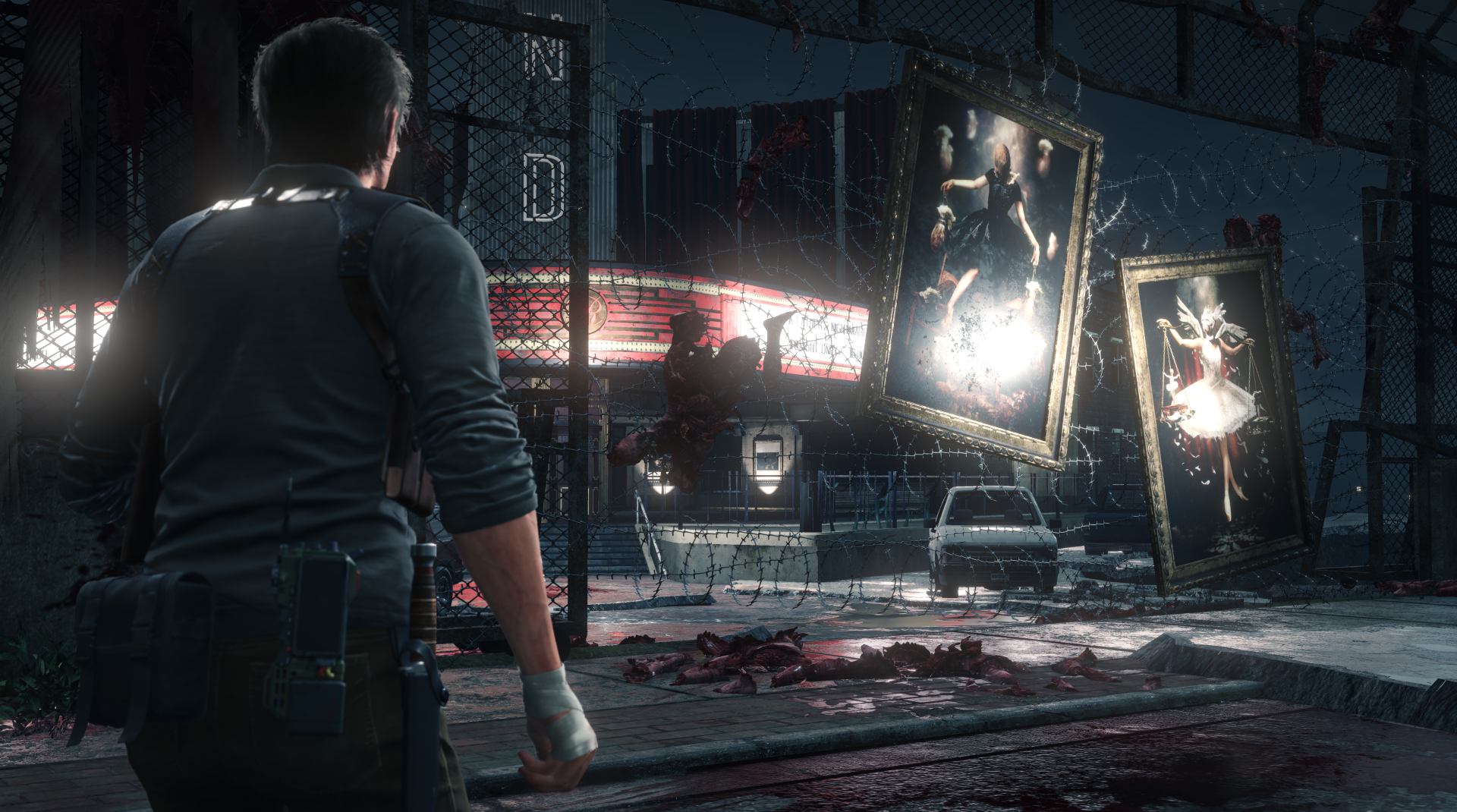
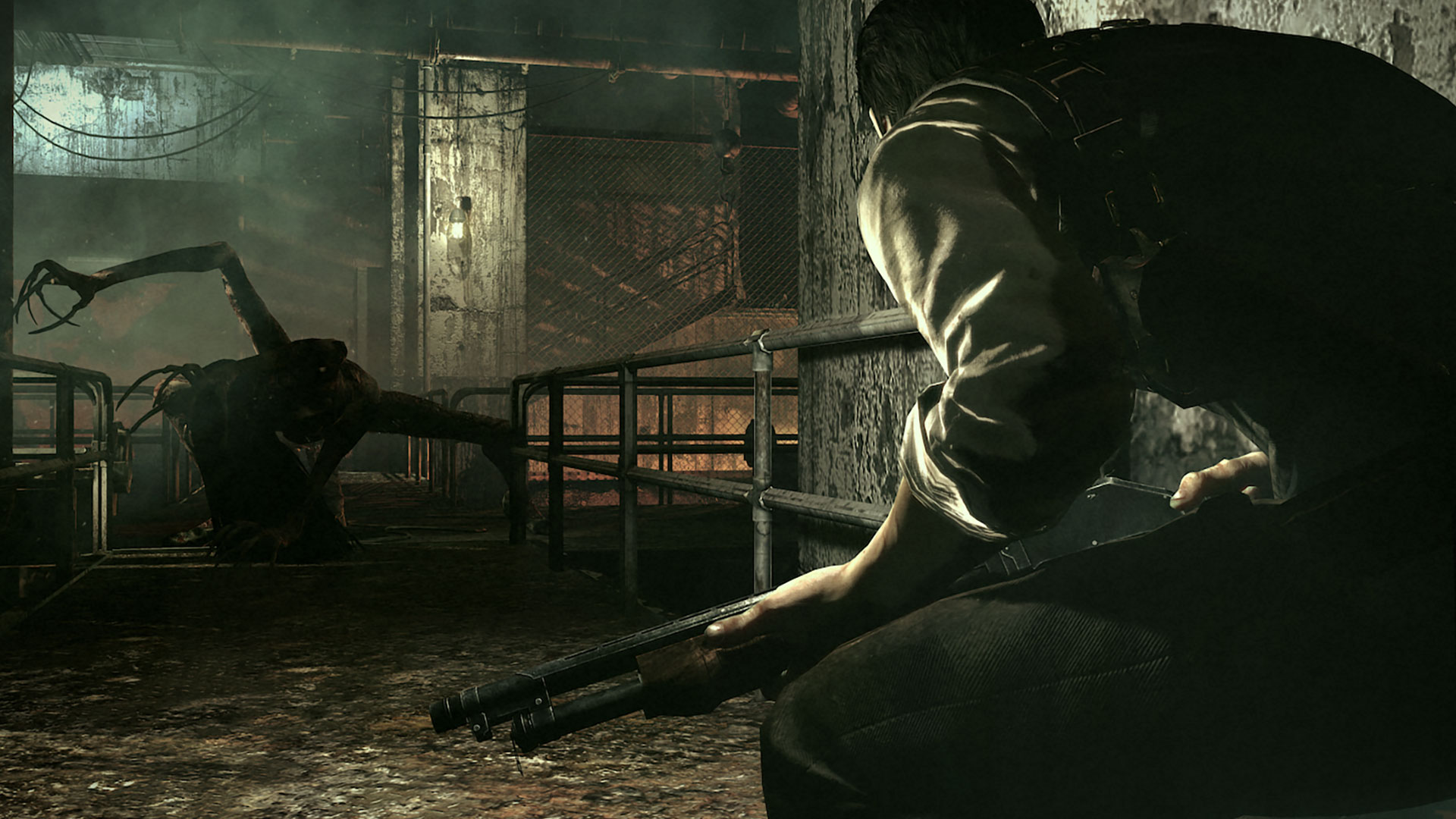
“The Evil Within” leveraged id Tech 5, a powerful engine known for its flexibility and scalability. The visual direction was crucial to establishing the game’s oppressive atmosphere. Tango Gameworks opted for a deliberately unsettling aesthetic, characterized by distorted environments, grotesque enemy designs, and a pervasive sense of decay. While id Tech 5 allowed for impressive lighting effects and detailed textures, the team also employed creative techniques to enhance the horror elements. This included manipulating perspective, utilizing limited visibility, and employing visual distortions to create a constant feeling of unease. The engine’s capabilities were stretched to deliver both stunning visuals and unsettling imagery, contributing significantly to the game’s overall impact.
Gameplay Mechanics and Core Systems
The gameplay in “The Evil Within” is a blend of strategic combat, resource management, and exploration. Players must carefully manage their ammunition, health, and other resources while navigating treacherous environments filled with horrifying creatures. The game emphasizes stealth as a viable option for avoiding direct confrontation, but when combat is unavoidable, players must utilize a variety of weapons and tactics to survive. A unique “Recovery” system allows Sebastian to restore lost health by absorbing the blood of fallen enemies, adding another layer of strategic decision-making. This combination of elements creates a tense and engaging gameplay loop that keeps players on edge throughout their journey.
Level Design and World Atmosphere
The level design in “The Evil Within” is integral to its success. Environments range from claustrophobic corridors to sprawling outdoor locations, each meticulously crafted to evoke a sense of dread and isolation. The game’s world is constantly shifting and changing, both physically and psychologically, keeping players disoriented and vulnerable. Tango Gameworks masterfully uses environmental storytelling to reveal fragments of the narrative, encouraging exploration and rewarding curiosity. The level design isn’t just about navigating spaces; it’s about immersing the player in a nightmarish reality that blurs the line between what is real and what is imagined.
Narrative Depth and Character Profiles
The narrative of “The Evil Within” is complex and unsettling, delving into themes of trauma, identity, and the fragility of the human psyche. Sebastian Castellanos, the protagonist, is a flawed and relatable character grappling with his own demons as he navigates this twisted reality. The supporting cast, though often enigmatic, adds depth to the story and contributes to the overall sense of unease. While the plot can be challenging to follow at times, it rewards players who are willing to piece together the fragments of information scattered throughout the game. The narrative is not just a backdrop for the action; it’s an integral part of the experience, adding another layer of psychological horror.
Sound Design and Acoustic Realism
The sound design in “The Evil Within” is crucial to its effectiveness as a survival horror title. From the subtle creaks and groans of the environment to the guttural roars of the monstrous creatures, every sound is carefully crafted to create a sense of dread and unease. The game utilizes positional audio to enhance immersion, allowing players to pinpoint the location of threats and adding another layer of tension. The soundtrack, composed by Masafumi Takada, perfectly complements the visuals and gameplay, further amplifying the psychological horror elements. The sound design isn’t just about creating noise; it’s about manipulating the player’s emotions and keeping them on edge.
Release Expectations and Community Hype
Prior to its release, “The Evil Within” generated significant hype within the gaming community, largely due to Shinji Mikami’s involvement and his pedigree in the survival horror genre. Players eagerly anticipated a return to the roots of classic survival horror, with a focus on resource management, strategic combat, and psychological terror. The game was also expected to showcase the capabilities of the id Tech 5 engine, delivering impressive visuals and innovative gameplay mechanics. While some pre-release concerns revolved around potential deviations from the established formula, the overall sentiment was one of excitement and anticipation.
Conclusion: The Future of The Evil Within
“The Evil Within” represents a bold attempt to revitalize the survival horror genre, blending classic elements with modern technology and design sensibilities. While it may not have achieved mainstream success, it resonated deeply with fans of the genre and established itself as a cult classic. The game’s unique blend of strategic combat, psychological horror, and unsettling visuals created an unforgettable experience that continues to captivate players today.
The legacy of “The Evil Within” extends beyond its initial release, influencing subsequent games and inspiring a new generation of survival horror enthusiasts.

Source: Wikipedia


