Introduction: The Next Chapter for The Elder Scrolls V: Skyrim
“The Elder Scrolls V: Skyrim,” released in 2011, wasn’t just a game; it was an event. Following the success of “Oblivion,” Bethesda Game Studios set out to create a vast and immersive open world that would redefine the RPG genre. The promise was simple: unparalleled freedom, a rich narrative, and a level of player agency never before seen in a mainstream title. While initial impressions were largely positive, the game’s legacy is complex, marked by both groundbreaking achievements and persistent technical shortcomings. This deep-dive review will dissect “Skyrim,” examining its strengths, weaknesses, and enduring impact on gaming.
Visual Direction and Graphics Engineering
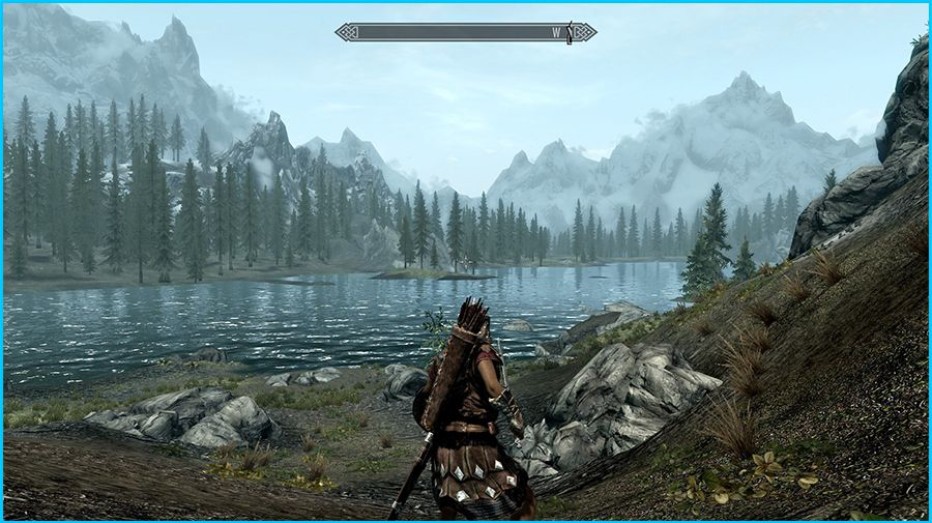
“Skyrim’s” visual direction aimed for a blend of realism and stylized fantasy. The Creation Engine, while powerful for its time, presented limitations. Character models, though improved from “Oblivion,” often felt stiff and lacked the nuanced animations found in more modern titles. However, the environmental design was a triumph. From the snow-capped peaks of the Throat of the World to the lush forests of The Rift, each region felt distinct and meticulously crafted. The game’s art style, with its vibrant color palettes and detailed textures, contributed significantly to the overall sense of immersion. While “Skyrim” may not have pushed the boundaries of graphical fidelity, its artistic vision created a world that was both beautiful and believable.
Gameplay Mechanics and Core Systems
The core gameplay loop in “Skyrim” revolves around exploration, questing, and character progression. The game offers an unprecedented level of freedom, allowing players to chart their own course through the vast open world. The skill system is robust, with a wide range of abilities to master, from swordsmanship and archery to magic and stealth. The perk system allows for deep customization, enabling players to tailor their characters to suit their preferred playstyle. While some mechanics, such as the fast travel system, can detract from the sense of exploration, the overall gameplay experience is highly engaging and rewarding.
Level Design and World Atmosphere
“Skyrim’s” level design is a masterclass in environmental storytelling. Each location, from bustling cities to abandoned ruins, feels lived-in and authentic. The game’s world is teeming with secrets and hidden treasures, encouraging players to explore every nook and cranny. The atmosphere is palpable, enhanced by the dynamic weather system and the haunting soundtrack. While some dungeons can feel repetitive, the overall level design is exceptional, creating a sense of wonder and discovery that few games can match.
Narrative Depth and Character Profiles
The main storyline in “Skyrim” focuses on the player character’s role as the Dragonborn, tasked with defeating Alduin, the World-Eater. While the narrative itself may not be groundbreaking, it provides a compelling framework for exploration and character development. The game features a diverse cast of characters, each with their own motivations and backstories. However, some characters feel underdeveloped, lacking the depth and complexity found in other RPGs.
Sound Design and Acoustic Realism
“Skyrim’s” sound design is crucial to its immersive qualities. The ambient sounds of nature, the clashing of swords, and the haunting melodies of Jeremy Soule’s soundtrack all contribute to a rich auditory experience. The voice acting, while uneven at times, is generally well-executed, bringing life to the game’s diverse cast of characters.
Release Expectations and Community Hype
The release of “Skyrim” was met with immense hype, fueled by years of anticipation and Bethesda’s reputation for creating open-world masterpieces. The game largely delivered on its promises, captivating players with its vast world, engaging gameplay, and sense of freedom. However, the initial release was plagued by technical issues, including bugs and performance problems, which dampened the experience for some players.
Conclusion: The Future of The Elder Scrolls V: Skyrim
“The Elder Scrolls V: Skyrim” remains a landmark achievement in gaming, setting a new standard for open-world RPGs. Its vast world, engaging gameplay, and sense of freedom continue to captivate players years after its release. While the game has its flaws, its enduring legacy is undeniable. The modding community has breathed new life into “Skyrim,” extending its lifespan and adding countless hours of content.
As technology advances, it will be fascinating to see how future installments in “The Elder Scrolls” series build upon the foundation laid by “Skyrim.”
Source: Wikipedia


