

Über dieses Spiel
Introduction: The Next Chapter for The Elder Scrolls IV: Oblivion
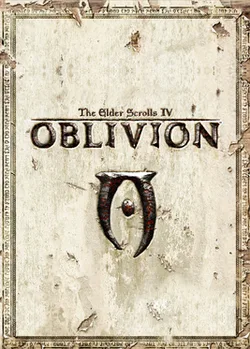
Released in 2006, The Elder Scrolls IV: Oblivion arrived as a highly anticipated sequel, poised to build upon the foundation laid by its predecessor, Morrowind. Developed by Bethesda Game Studios and published by Bethesda Softworks (and later Ubisoft for the PlayStation 3), Oblivion promised an expansive open world, refined gameplay mechanics, and a compelling narrative. The game’s development began shortly after Morrowind‘s release, with a clear mandate to address some of its predecessor’s shortcomings while retaining the core elements that made it so beloved. This meant streamlining certain systems, improving accessibility, and enhancing the overall visual presentation. The anticipation surrounding Oblivion was palpable, fueled by promises of a more user-friendly experience without sacrificing depth or player freedom.
Visual Direction and Graphics Engineering
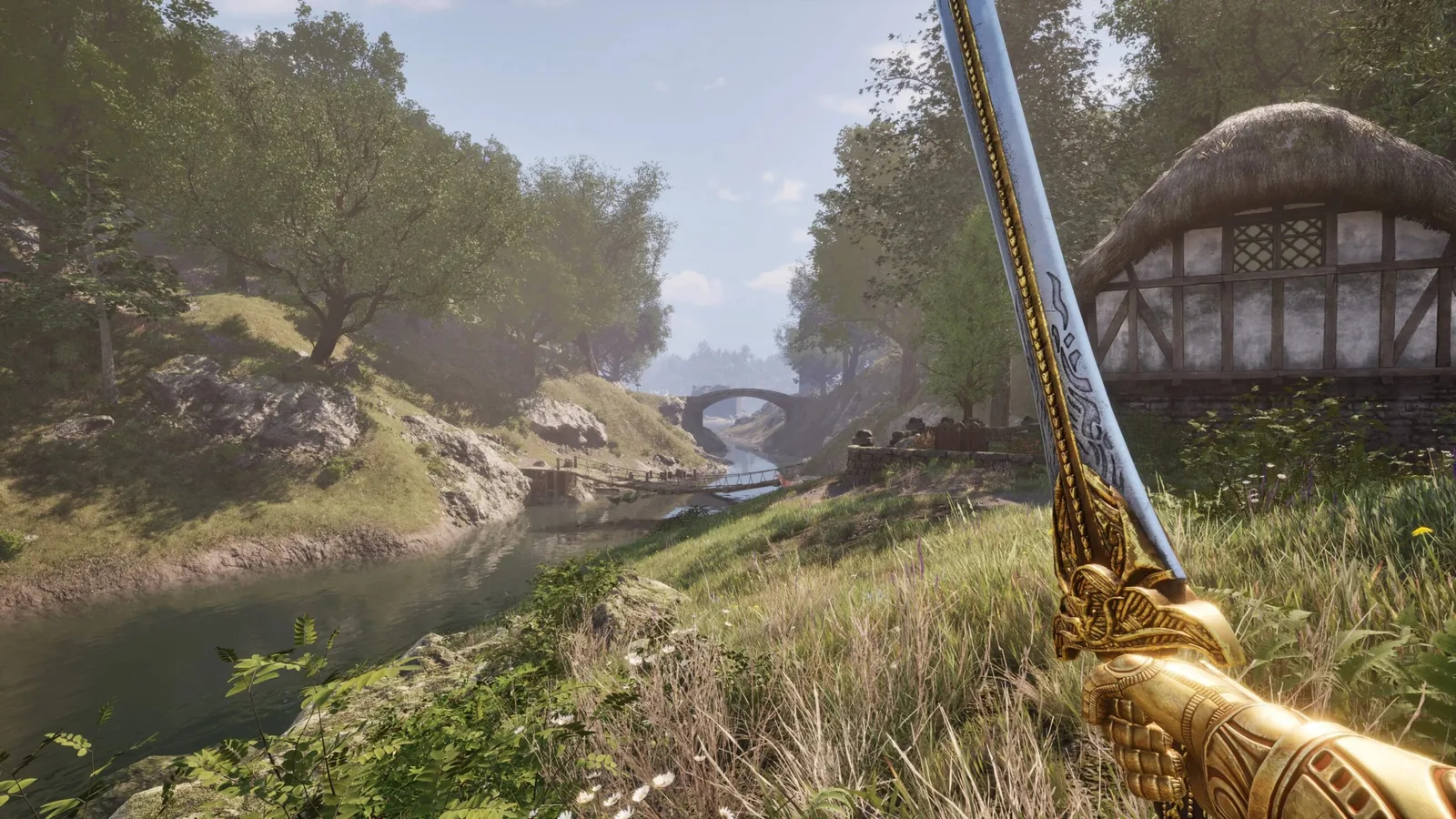
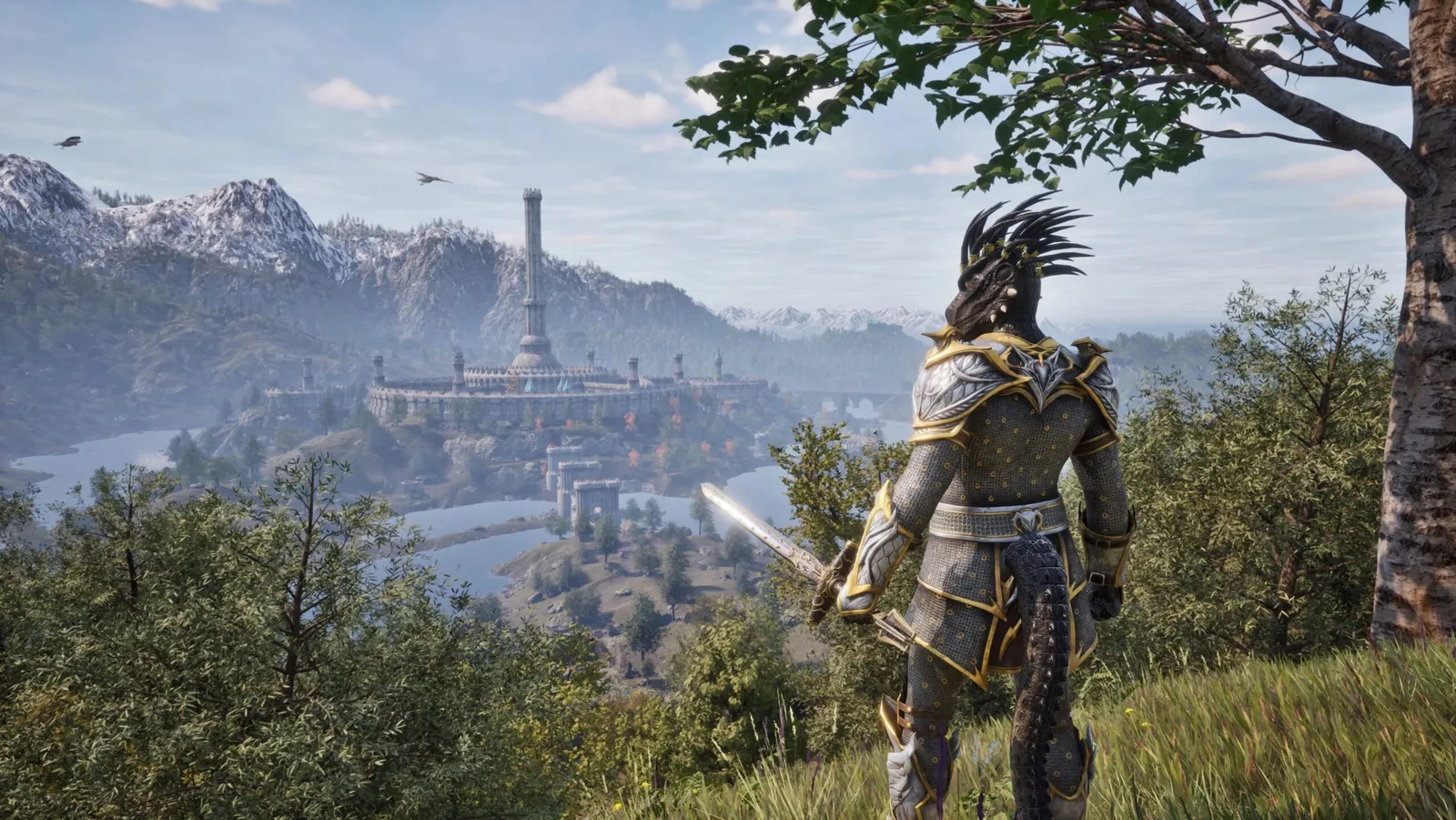
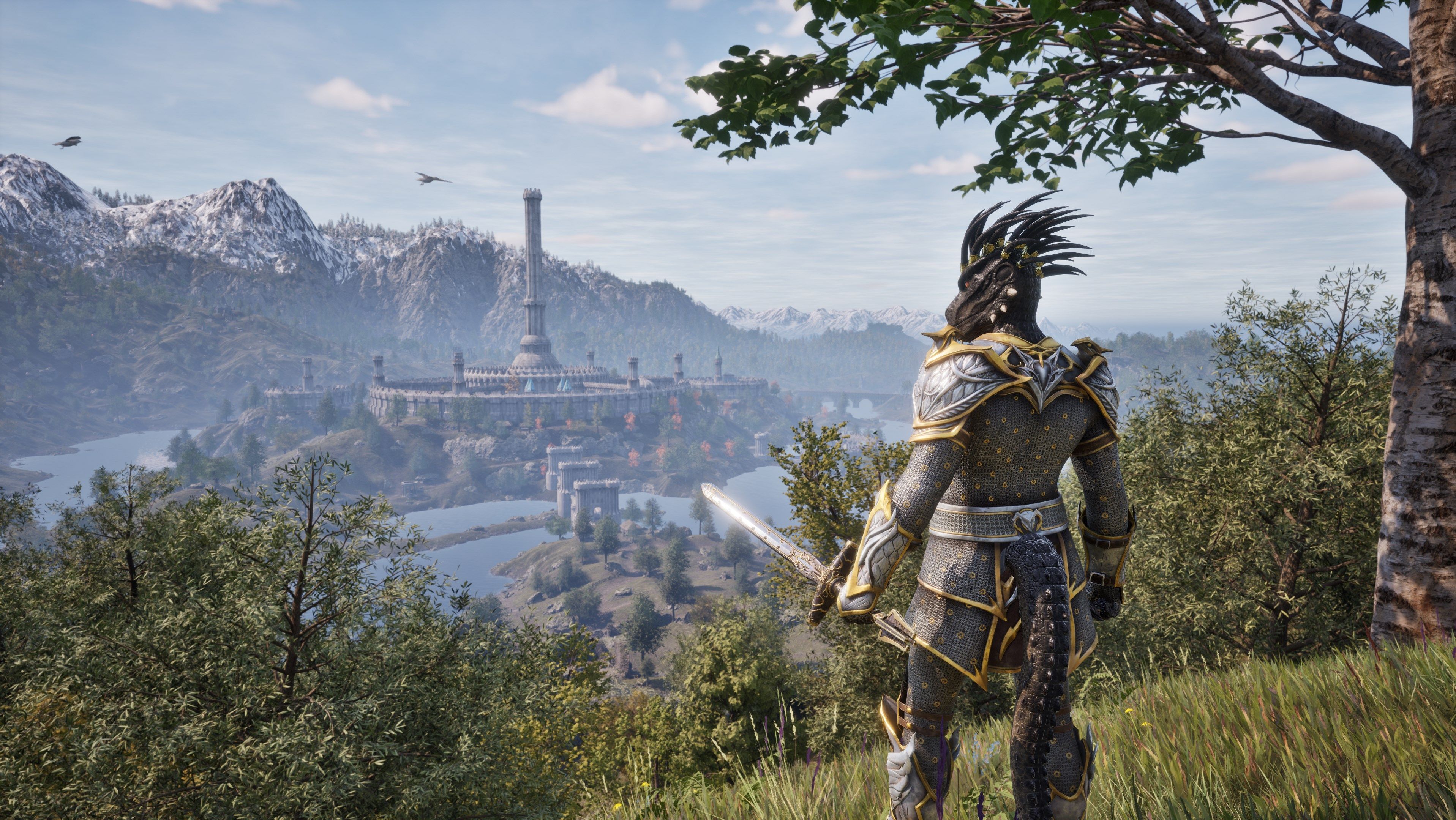
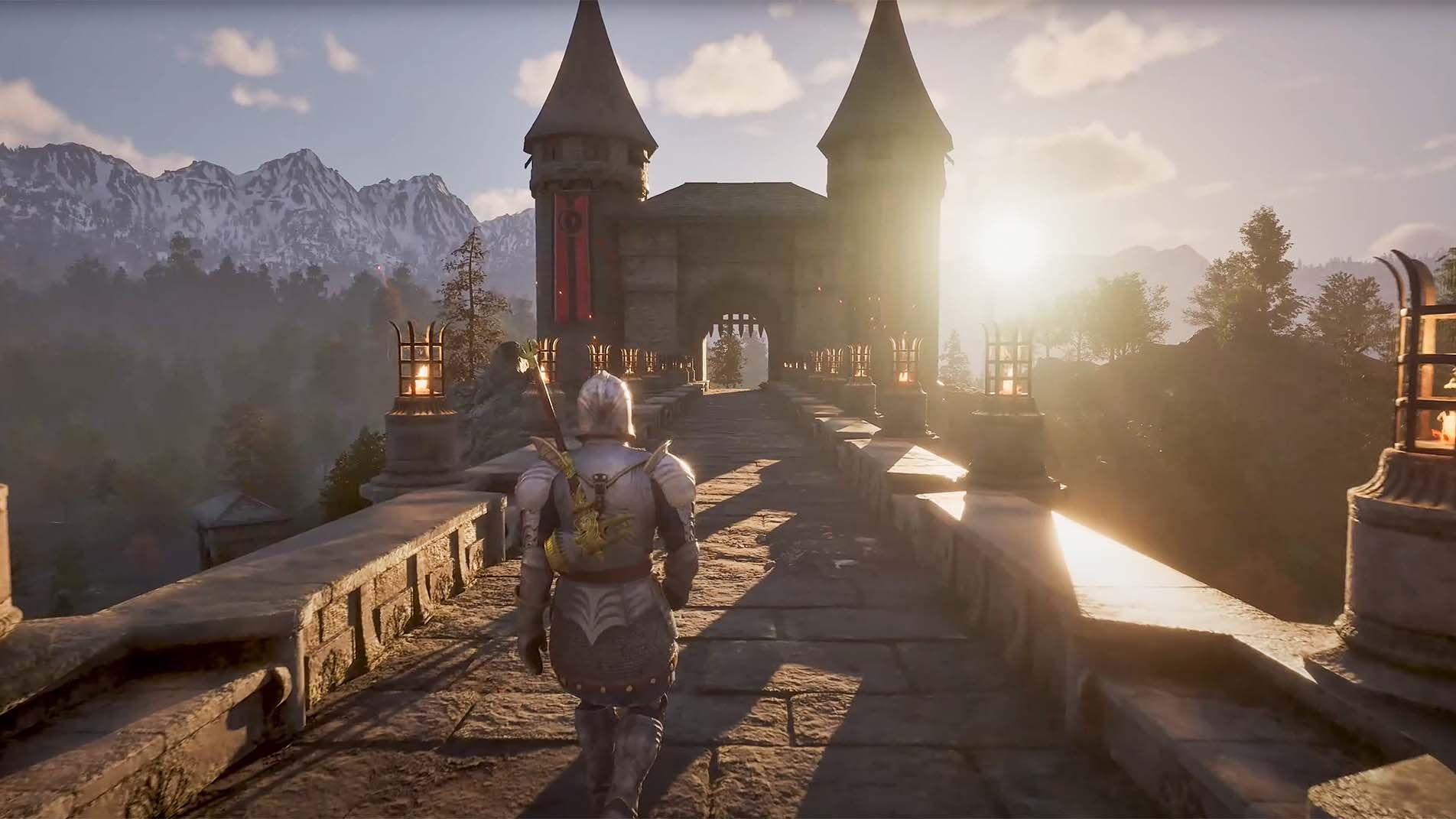
Oblivion‘s visual direction represented a significant departure from Morrowind‘s darker, more alien aesthetic. While still rooted in fantasy, the game opted for a brighter, more vibrant color palette, aiming to create a world that felt both inviting and believable. The use of the Gamebryo engine was crucial here, as Bethesda leveraged its capabilities to achieve impressive (for the time) environmental detail and character models. However, the visual presentation wasn’s without its criticisms. Character faces, in particular, were often derided for their somewhat uncanny valley appearance, a common issue with early facial animation technology. Despite these shortcomings, Oblivion successfully established a distinct visual identity that resonated with players and helped to define the look of open-world fantasy games for years to come.
Gameplay Mechanics and Core Systems
One of the key areas of improvement in Oblivion was its gameplay mechanics. Bethesda sought to make the game more accessible to a wider audience while retaining the depth that seasoned players craved. The leveling system, for example, was streamlined, allowing players to progress more quickly and customize their characters with greater flexibility. While some purists lamented the loss of certain complexities found in Morrowind, the changes ultimately made Oblivion a more enjoyable experience for many. The introduction of Radiant AI, which dynamically adjusted NPC behavior based on player actions, added another layer of immersion to the game world. However, the system wasn’t without its flaws, occasionally leading to humorous or nonsensical situations.
Level Design and World Atmosphere
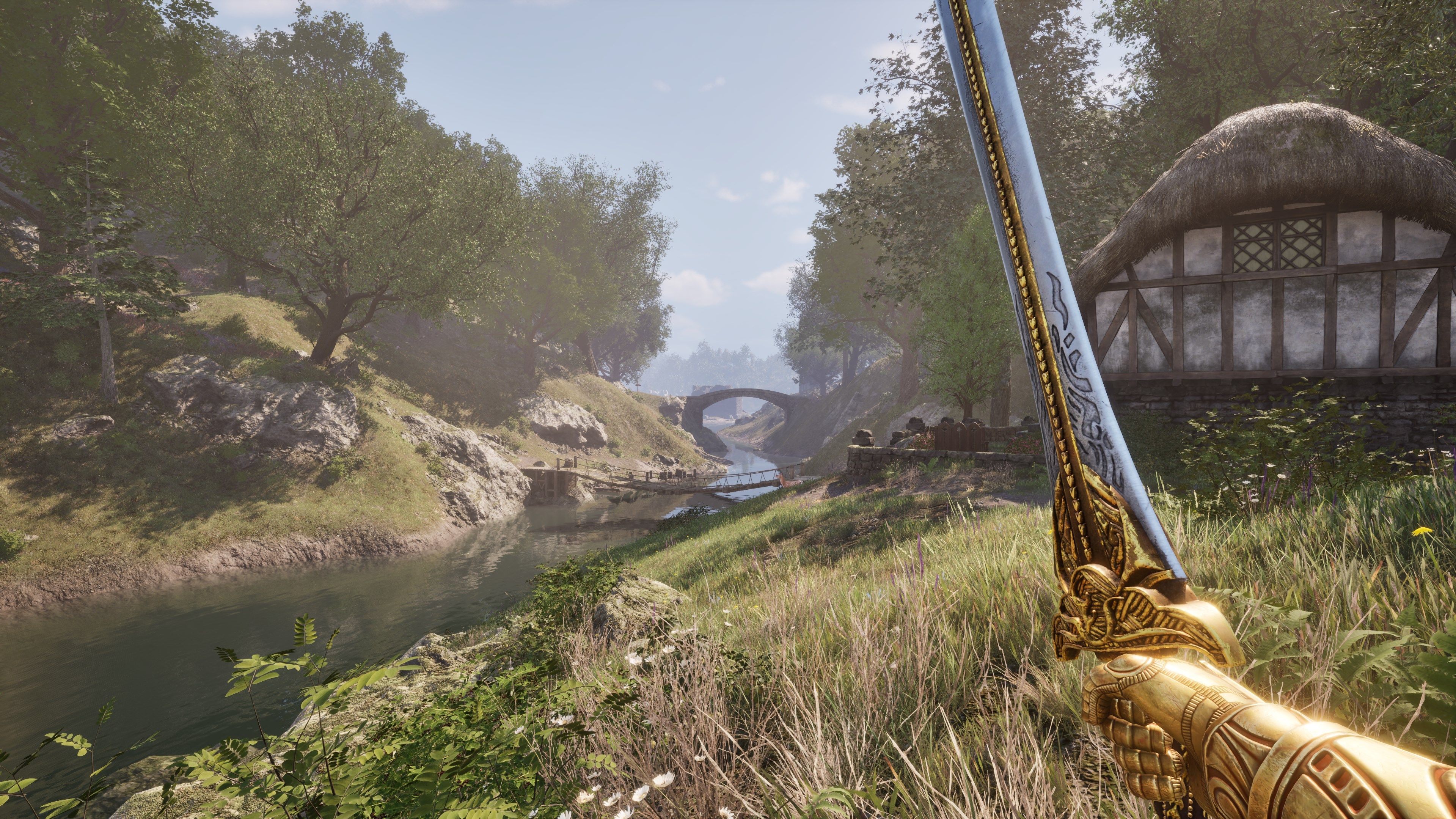
Cyrodiil, the province in which Oblivion takes place, is a meticulously crafted open world filled with diverse environments, from lush forests and rolling hills to bustling cities and treacherous dungeons. The level design team worked tirelessly to create a sense of scale and wonder, encouraging players to explore every nook and cranny. While some criticized the repetitive nature of certain dungeon layouts, the overall quality of the environment design is undeniable. The atmosphere of Cyrodiil is brought to life by dynamic weather systems, day-night cycles, and a captivating soundtrack composed by Jeremy Soule.
Narrative Depth and Character Profiles
The main storyline of Oblivion revolves around the player character’s efforts to prevent the Oblivion Crisis, a demonic invasion led by Mehrunes Dagon. While some found the narrative somewhat predictable, the game offers a wealth of side quests and faction storylines that add depth and replayability. The characters encountered throughout the game are generally well-developed, each with their own motivations and backstories. However, the player character remains largely a blank slate, allowing players to project themselves into the role and shape their own destiny.
Sound Design and Acoustic Realism
The sound design in Oblivion is another area where the game excels. Jeremy Soule’s soundtrack perfectly complements the visuals, creating an immersive and unforgettable audio experience. The ambient sounds of the environment, from the rustling leaves to the distant cries of animals, further enhance the sense of realism. The voice acting, while not always flawless, is generally well-executed, bringing the characters to life.
Release Expectations and Community Hype
The release of Oblivion was met with immense hype, fueled by years of anticipation and a strong marketing campaign. Pre-orders were through the roof, and gamers eagerly awaited their chance to explore Cyrodiil. While some initial reviews were mixed, praising the game’s scope and ambition while criticizing its technical issues, the overall reception was overwhelmingly positive. The community quickly embraced Oblivion, creating countless mods that addressed its shortcomings and expanded upon its already vast content.
Conclusion: The Future of The Elder Scrolls IV: Oblivion
The Elder Scrolls IV: Oblivion remains a landmark achievement in open-world game design. Its influence can be seen in countless games that have followed, and it continues to be enjoyed by players today. While its technical limitations may seem dated by modern standards, its core gameplay loop and immersive world remain timeless. The legacy of Oblivion is secure, and its place in gaming history is well-deserved.
Source: Wikipedia
Galerie




Diskutieren Sie mit