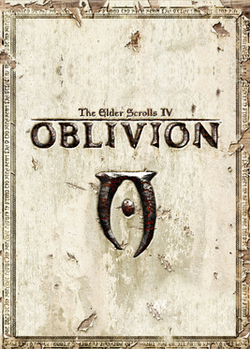
Introduction: The Next Chapter for The Elder Scrolls IV: Oblivion
Released in 2006, *The Elder Scrolls IV: Oblivion* arrived as the highly anticipated successor to *Morrowind*, carrying the weight of expectation on its broad shoulders. Developed by Bethesda Game Studios and published under both the Bethesda Softworks and 2K Games banners (with Ubisoft handling distribution for the PlayStation 3 version), *Oblivion* promised a vast, open world ripe for exploration, a compelling narrative, and refined gameplay mechanics. While inheriting the core tenets of its predecessors, *Oblivion* sought to address some of the criticisms leveled at *Morrowind*, aiming for a more accessible experience without sacrificing depth. The game’s immediate impact was undeniable, setting a new benchmark for open-world RPGs and solidifying Bethesda’s position as industry leaders.
Visual Direction and Graphics Engineering
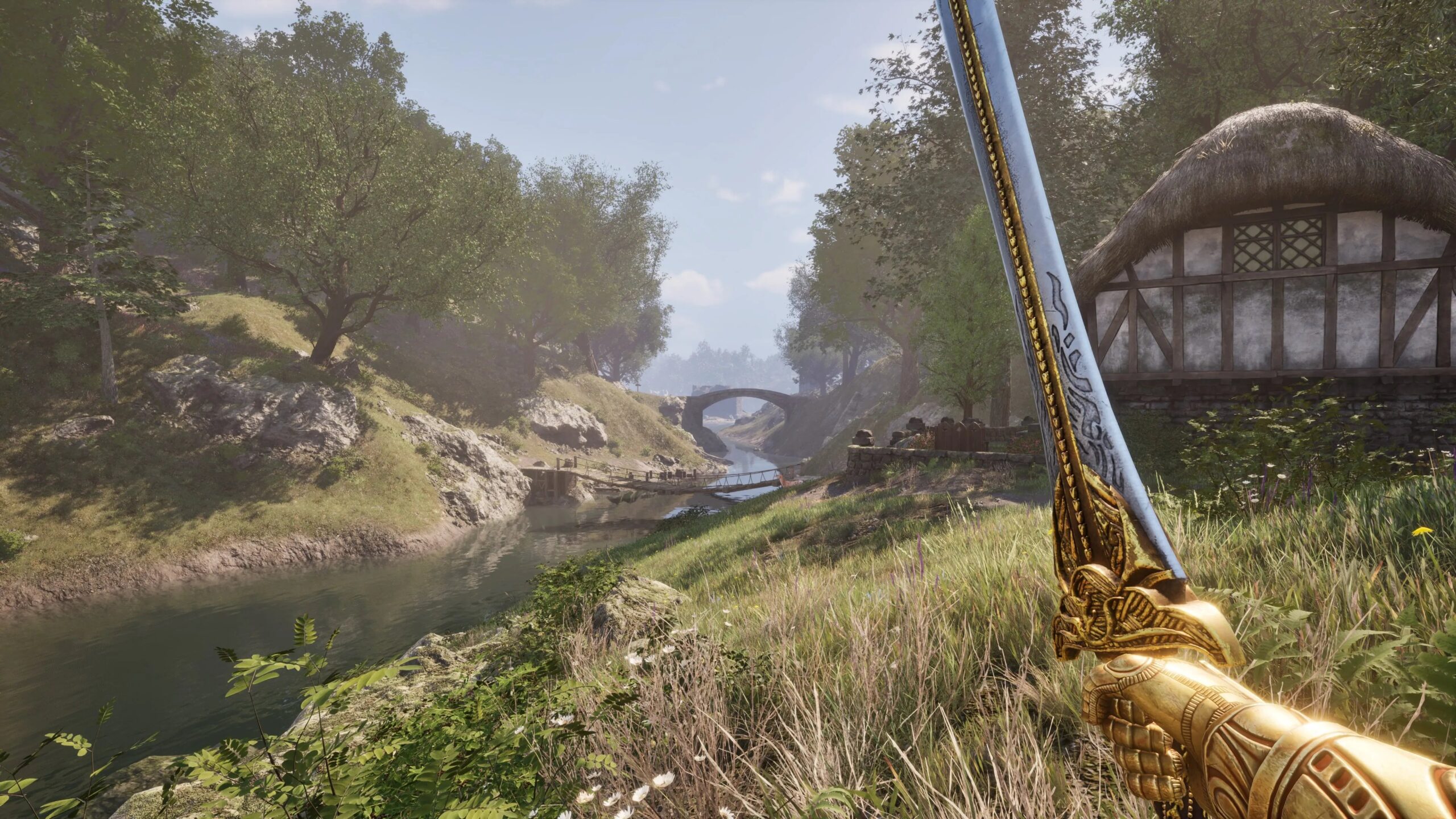
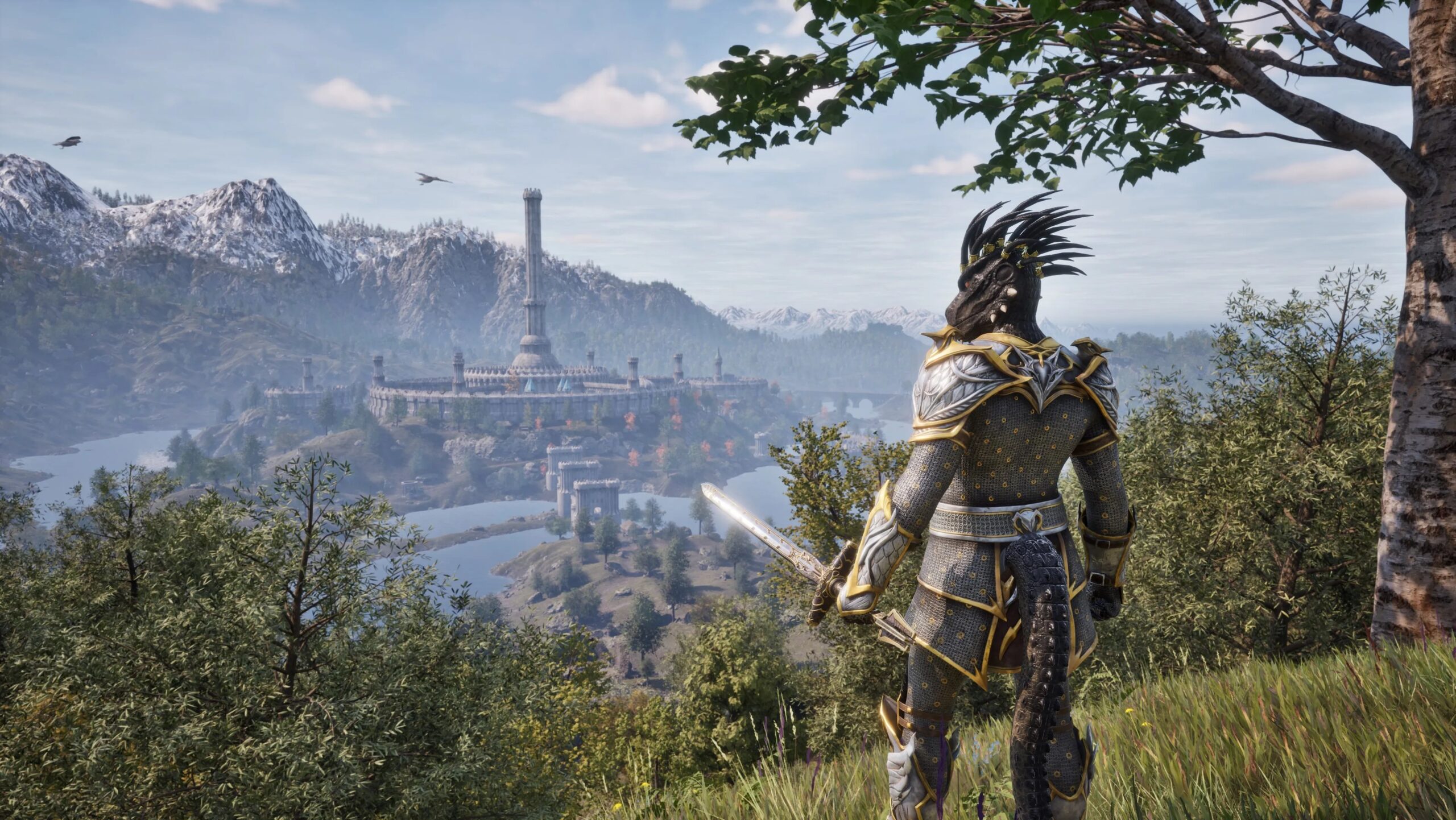
*Oblivion*’s visual direction represented both an evolution and a departure from *Morrowind*. While *Morrowind*’s unique aesthetic was beloved by many, it also presented challenges for some players. *Oblivion*, on the other hand, opted for a more realistic and vibrant art style, aiming to create a visually appealing world that would draw players in. The game utilized the Gamebryo engine (later known as the Creation Engine), which had been significantly upgraded to handle the increased graphical fidelity. While not pushing the boundaries of what was technically possible at the time, *Oblivion* delivered impressive visuals with detailed character models, expansive landscapes, and dynamic lighting effects. The engine’s limitations became apparent over time, particularly in areas like animation and facial expressions, but these were often overlooked due to the overall immersive quality of the game world.
Gameplay Mechanics and Core Systems
At its heart, *Oblivion* retains the core gameplay loop that defines the Elder Scrolls series: explore a vast open world, complete quests, develop your character’s skills, and uncover hidden secrets. The game features a robust skill system, allowing players to customize their characters to suit their preferred playstyle. Unlike *Morrowind*, where skills were largely static, *Oblivion* introduced a more dynamic leveling system, tied directly to the player’s actions. This allowed for greater flexibility in character development, but also led to some complaints about “stat inflation” as players gained levels and became increasingly powerful. The game’s combat system was streamlined compared to its predecessor, offering both first-person and third-person perspectives. While not particularly deep or complex, the combat was functional and provided a satisfying sense of progression.
Level Design and World Atmosphere
Cyrodiil, the province where *Oblivion* takes place, is a meticulously crafted world filled with diverse environments, from lush forests and rolling hills to bustling cities and treacherous dungeons. The level design in *Oblivion* is generally well-executed, offering a good balance between open spaces for exploration and more structured quest areas. The game’s atmosphere is enhanced by its dynamic weather system, day/night cycle, and the presence of numerous non-player characters (NPCs) who populate the world. While some locations are undeniably repetitive, the overall sense of immersion is strong, thanks to the detailed environments and the constant stream of activities available to the player. The Radiant AI system, while not always perfect, added a layer of dynamism to the game world by allowing NPCs to react more realistically to their surroundings.
Narrative Depth and Character Profiles
The main storyline in *Oblivion* revolves around the Oblivion Crisis, a demonic invasion that threatens to engulf Cyrodiil. The player character, the “Hero of Kvatch,” is tasked with closing the Oblivion Gates and preventing the Daedric hordes from overwhelming the province. While the main questline is engaging enough, it’s the numerous side quests and faction storylines that truly enrich the narrative experience. These optional adventures offer a glimpse into the lives of Cyrodiil’s inhabitants and provide opportunities to explore different aspects of the game world. The characters in *Oblivion* are generally well-developed, with memorable personalities and compelling motivations. While some NPCs can be somewhat stereotypical, they contribute to the overall sense of immersion and make the game world feel alive.
Sound Design and Acoustic Realism
The sound design in *Oblivion* is a crucial element that contributes significantly to its immersive quality. The ambient sounds of the environment, from the rustling leaves in the forests to the bustling crowds in the cities, create a believable atmosphere. The music score, composed by Jeremy Soule, is equally impressive, seamlessly blending orchestral arrangements with traditional Nordic instruments. The voice acting in *Oblivion* is generally well-executed, although some performances are more memorable than others. The sound effects for combat and magic are impactful and add to the visceral experience of gameplay. Overall, the audio design in *Oblivion* is a testament to the attention to detail that went into creating this landmark RPG.
Release Expectations and Community Hype
The release of *The Elder Scrolls IV: Oblivion* was met with immense anticipation from fans worldwide. Following the success of *Morrowind*, expectations were high for Bethesda to deliver another groundbreaking open-world experience. The game’s marketing campaign effectively built hype, showcasing its improved graphics, expansive world, and enhanced gameplay mechanics. Pre-orders were through the roof, and when the game finally launched, it was an instant commercial success. While some players experienced technical issues at launch, these were largely addressed in subsequent patches. The community response to *Oblivion* was overwhelmingly positive, with many praising its immersive qualities, engaging storyline, and vast amount of content.
Conclusion: The Future of The Elder Scrolls IV: Oblivion
*The Elder Scrolls IV: Oblivion* remains a landmark achievement in the history of open-world RPGs. Its influence can be seen in countless games that have followed, and its legacy continues to inspire developers today. While it may not be as technically advanced as modern titles, *Oblivion*’s immersive qualities, engaging storyline, and vast amount of content still hold up remarkably well. The game’s modding community has kept it alive for years, with countless fan-made additions that enhance the experience even further.
Even now, *The Elder Scrolls IV: Oblivion* offers a compelling and rewarding gaming experience that is well worth revisiting.
Source: Wikipedia


