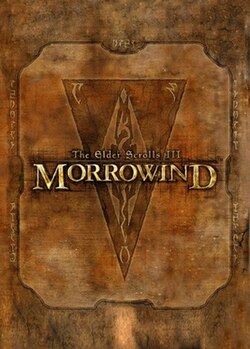
Introduction: The Next Chapter for The Elder Scrolls III: Morrowind

Released in 2002, *The Elder Scrolls III: Morrowind* wasn't just a game; it was a paradigm shift. Building upon the foundation laid by its predecessors, particularly *Daggerfall*, Bethesda Game Studios crafted an expansive and immersive world that redefined open-world RPGs. While inheriting familiar fantasy tropes, *Morrowind* distinguished itself with its unique blend of cultures, intricate lore, and a gameplay experience designed for unparalleled freedom. This Masterclass Deep-Dive will dissect every facet of this landmark title, from its groundbreaking engine to its enduring legacy.
Visual Direction and Graphics Engineering
*Morrowind*'s visual style is immediately striking. The game's art direction draws heavily on the volcanic landscapes and Dunmer (Dark Elf) culture of Vvardenfell, creating a world that feels both alien and captivating. While limited by the technology of its time, the NetImmerse engine was cleverly utilized to achieve impressive results. Character models, though blocky by modern standards, possess distinct features that contribute to their individual personalities. The environments, rendered in muted tones punctuated by vibrant flora and fauna, evoke a sense of both beauty and danger. The game's use of lighting and particle effects adds depth and atmosphere, particularly during encounters with creatures like Cliff Racers or exploring the depths of Red Mountain.
Gameplay Mechanics and Core Systems
At its core, *Morrowind* offers a vast array of gameplay options. Character creation is incredibly detailed, allowing players to customize their skills, attributes, and even their race, each with unique advantages and disadvantages. The game's skill system encourages experimentation and specialization, rewarding players who invest in specific areas like combat, magic, or stealth. Unlike more linear RPGs, *Morrowind* allows players to approach quests and challenges in a variety of ways. Whether you choose to be a noble warrior, a cunning mage, or a master thief is entirely up to you. The freedom afforded by this system is both exhilarating and daunting, requiring players to think strategically and adapt to unforeseen circumstances.
Level Design and World Atmosphere
Vvardenfell, the island setting of *Morrowind*, is a masterpiece of level design. From the lush forests of Balfiera to the desolate ashlands surrounding Red Mountain, each region possesses its own distinct character and challenges. The game's open-world structure encourages exploration, rewarding players who venture off the beaten path with hidden treasures, secret locations, and encounters with unique characters. The sense of scale is truly remarkable, making Vvardenfell feel like a living, breathing world. The dungeons and caves that dot the landscape are equally impressive, offering challenging combat encounters and intriguing puzzles.
Narrative Depth and Character Profiles
While *Morrowind* offers a main storyline centered around the demigod Dagoth Ur, the game's true strength lies in its wealth of side quests and character interactions. The characters you encounter are richly developed, each with their own motivations and backstories. From the eccentric mages of Vivec City to the enigmatic Telvanni wizards, every interaction feels meaningful and contributes to the overall sense of immersion. The main questline itself is compelling, but it's the smaller stories that truly make *Morrowind* unforgettable.
Sound Design and Acoustic Realism
The sound design in *Morrowind* plays a crucial role in creating its immersive atmosphere. Jeremy Soule's score is both epic and haunting, perfectly complementing the game's visuals and narrative. The ambient sounds of Vvardenfell, from the rustling leaves to the distant roar of a lava flow, further enhance the sense of realism. The sound effects for combat and magic are equally well-executed, adding impact to every action.
Release Expectations and Community Hype
Upon its release, *Morrowind* was met with widespread critical acclaim. Gamers were captivated by its open world, intricate lore, and unparalleled freedom. The game quickly became a cult classic, spawning countless mods and fan-made content. Even today, years after its initial release, *Morrowind* continues to inspire and captivate players around the world.
The community surrounding *Morrowind* is incredibly active, constantly creating new content and sharing their passion for the game.Conclusion: The Future of The Elder Scrolls III: Morrowind
*The Elder Scrolls III: Morrowind* remains a landmark achievement in video game design. Its influence can be seen in countless RPGs that have followed, and its legacy continues to inspire developers and players alike. While the graphics may show their age by modern standards, the core gameplay experience remains timeless. *Morrowind* is more than just a game; it's an invitation to explore a vast and wondrous world, forge your own destiny, and become a legend.
Source: Wikipedia