

게임 소개
Introduction: The Next Chapter for The Darkness
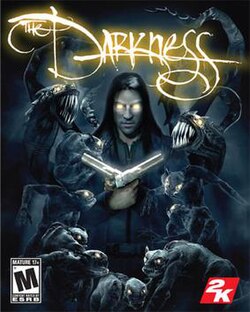
Starbreeze Studios’ “The Darkness” emerged in 2007 as a bold and ambitious title, drawing inspiration from the Top Cow Productions comic book series. 더보기 than just a shooter, it presented a unique blend of brutal combat, supernatural abilities, and a compelling narrative centered around Jackie Estacado. The game’s innovative approach to gameplay mechanics and its willingness to embrace mature themes set it apart in a crowded market. While initially met with mixed reviews due to technical limitations, “The Darkness” has since garnered a cult following, appreciated for its originality and the sheer audacity of its vision. This deep dive will explore the key elements that defined this landmark title, from its groundbreaking engine to its unforgettable characters.
Visual Direction and Graphics Engineering
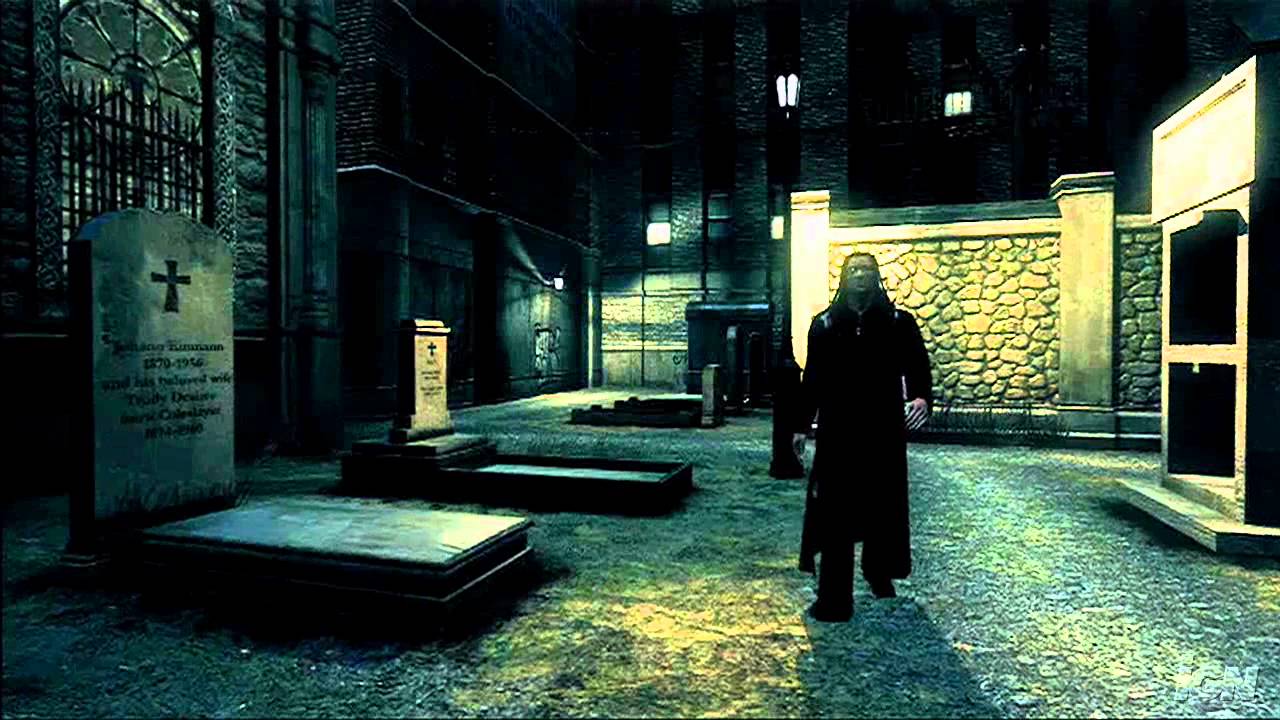
“The Darkness” was built upon a proprietary next-gen engine developed by Starbreeze Studios. While details about the specific architecture are scarce, it’s evident that the engine was designed to handle the game’s demanding visual requirements, including dynamic lighting, detailed character models, and intricate environments. The visual direction aimed for a gritty realism, reflecting the dark and violent world Jackie inhabits. Character models were meticulously crafted, capturing the nuances of each individual’s personality and appearance. Environments ranged from dimly lit alleyways to opulent mansions, all rendered with a level of detail that contributed to the game’s immersive atmosphere. The engine also facilitated the seamless integration of Jackie’s supernatural abilities, allowing for visually stunning displays of power during combat sequences. While the graphics may appear dated by today’s standards, they were undeniably impressive for their time and played a crucial role in establishing the game’s unique aesthetic.
게임플레이 Mechanics and Core Systems
The gameplay mechanics in “The Darkness” centered around Jackie’s ability to summon and control the titular entity. This manifested as two sentient extensions of his own body, capable of independent movement and combat. Players could seamlessly switch between controlling Jackie and directing these extensions, creating a dynamic and versatile combat experience. The game featured a wide array of weapons, from pistols and shotguns to more exotic firearms, each with its own strengths and weaknesses. Jackie also possessed a variety of melee attacks, allowing for brutal close-quarters combat. The “Darkness” mechanic itself offered unique abilities, such as teleportation, enhanced strength, and the ability to create temporary constructs. Mastering these abilities was crucial for overcoming the game’s challenging encounters. The seamless integration of these mechanics created a gameplay loop that was both engaging and rewarding.
Level Design and World Atmosphere
The level design in “The Darkness” played a vital role in establishing the game’s dark and oppressive atmosphere. Environments ranged from claustrophobic alleyways to sprawling mansions, each meticulously crafted to reflect the game’s themes of violence, corruption, and paranoia. The use of lighting was particularly effective, with dimly lit areas creating a sense of unease and danger. Levels were often interconnected, allowing for exploration and discovery. Environmental storytelling played a key role, with subtle details revealing clues about the world’s history and the characters who inhabited it. The game also featured a variety of interactive elements, such as destructible objects and hidden pathways, encouraging players to explore their surroundings.
Narrative Depth and Character Profiles
The narrative in “The Darkness” was a key element that set it apart from other shooters. Told through Jackie’s own narration, the story explored themes of family, loyalty, and revenge. Jackie Estacado himself was a complex and compelling protagonist, grappling with the burden of his powers and the consequences of his actions. The supporting cast was equally well-developed, each character possessing their own motivations and secrets. Paulie Franchetti, Jackie’s uncle and antagonist, was a particularly memorable villain, driven by paranoia and greed. The game also featured a number of morally ambiguous characters, blurring the lines between good and evil.
Sound Design and Acoustic Realism
The sound design in “The Darkness” played a crucial role in creating an immersive and unsettling atmosphere. Gunshots were loud and impactful, while ambient sounds created a sense of unease. The game also featured a haunting soundtrack that perfectly complemented the visuals. Voice acting was generally well-done, with Kirk Acevedo delivering a particularly strong performance as Jackie Estacado. The sound design effectively conveyed the brutality of the violence and the psychological toll it took on the characters.
Release Expectations and Community Hype
Prior to its release, “The Darkness” generated considerable hype within the gaming community. The game’s unique premise, based on a popular comic book series, piqued the interest of many players. However, initial reviews were mixed, with some critics praising the game’s originality and atmosphere while others criticized its technical limitations and occasionally repetitive gameplay. Despite these criticisms, “The Darkness” quickly developed a cult following among players who appreciated its bold vision and willingness to push boundaries. The release of “The Darkness II” in 2012 further solidified the franchise’s place in gaming history.
Conclusion: The Future of The Darkness
“The Darkness” remains a significant title in the history of gaming, remembered for its innovative gameplay mechanics, its dark and atmospheric world, and its willingness to embrace mature themes. While it may not have achieved mainstream success, it has earned a dedicated following among players who appreciate its unique vision. Whether or not we will see a direct sequel or a reimagining of the franchise remains to be seen, but the legacy of “The Darkness” continues to inspire developers and captivate gamers alike.
Source: Wikipedia
갤러리



대화에 참여하기