Introduction: The Next Chapter for Terraria
Terraria, the beloved action-adventure sandbox game developed by Re-Logic and published by 505 Games, has carved a unique niche in the gaming landscape. Released initially in May 2011, it’s more than just a game; it’s an experience that blends exploration, combat, crafting, and building into a compelling package. While seemingly simple on the surface, Terraria offers incredible depth and replayability, constantly evolving thanks to continuous updates and the passionate support of its community. This deep-dive review will dissect every facet of Terraria, from its visual style to its intricate gameplay mechanics, offering a comprehensive analysis for both seasoned veterans and newcomers alike.
Visual Direction and Graphics Engineering
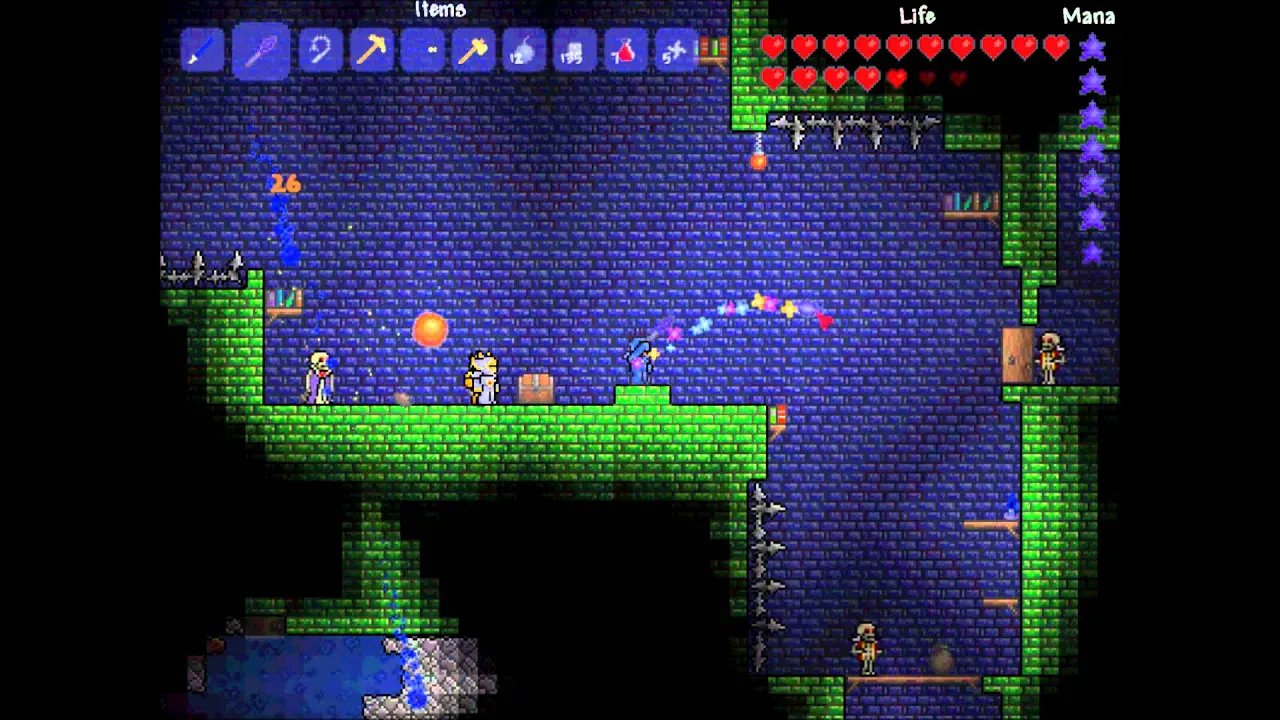
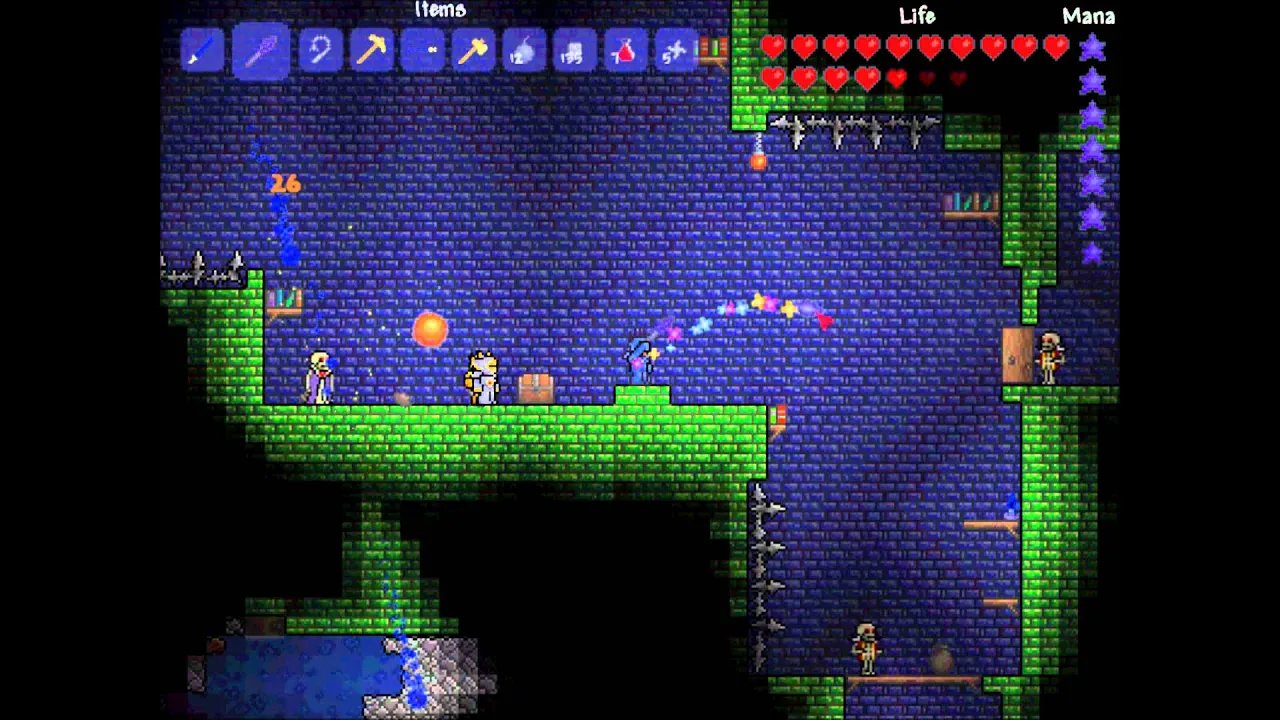
Terraria’s pixel art aesthetic is deceptively simple. While not pushing the boundaries of graphical fidelity, the developers at Re-Logic have masterfully crafted a world that is vibrant, detailed, and full of personality. The 2D environments are rich with visual cues, hinting at hidden secrets and potential dangers. The character designs, while blocky, are expressive and easily recognizable. shows the diverse biomes, each with its own unique flora, fauna, and atmosphere. While the game runs on a proprietary engine, it’s optimized for accessibility, ensuring smooth performance even on lower-end hardware. The consistent visual style contributes significantly to the game’s charm and overall appeal.
Gameplay Mechanics and Core Systems
At its core, Terraria is about freedom. There are no prescribed objectives; players are free to explore, build, fight, or simply wander at their own pace. The crafting system is incredibly deep, allowing players to create a vast array of items, from basic tools to powerful weapons and armor. Combat is challenging but rewarding, requiring players to master different weapon types and strategies. Boss battles are epic encounters that test the player’s skills and preparation. illustrates the progression system, showing how players unlock new content by defeating bosses and exploring deeper into the world. The game also features a robust multiplayer mode, allowing friends to team up and tackle challenges together.
Level Design and World Atmosphere
Terraria’s procedurally generated worlds are both beautiful and dangerous. Each playthrough offers a unique experience, with different biomes, resources, and enemy placements. From lush forests to scorching deserts, each environment is meticulously crafted to feel distinct and immersive. The game features a day-night cycle that significantly impacts gameplay, with certain enemies only appearing at night. This adds an element of tension and encourages players to carefully plan their expeditions. The world feels alive and reactive, constantly changing based on the player’s actions.
Narrative Depth and Character Profiles
While Terraria doesn’t have a traditional narrative structure, it possesses a subtle underlying story that unfolds through exploration and interaction with NPCs. These non-player characters offer quests, sell items, and provide glimpses into the world’s lore. The game encourages players to build settlements and create communities, fostering a sense of ownership and connection to the virtual world. While not explicitly stated, the player’s actions have consequences, shaping the environment and influencing the behavior of NPCs.
Sound Design and Acoustic Realism
The sound design in Terraria is surprisingly effective. The music complements the visuals perfectly, creating an immersive atmosphere that ranges from peaceful exploration to intense combat. The sound effects are crisp and satisfying, adding weight and impact to every action. From the rustling of leaves to the roar of a boss monster, the audio cues enhance the overall experience and contribute to the game’s sense of realism.
Release Expectations and Community Hype
Terraria has maintained a dedicated fanbase for over a decade, thanks to its constant stream of updates and expansions. The community is incredibly active, creating mods, sharing tips, and celebrating the game’s milestones. This unwavering support has allowed Re-Logic to continue developing and expanding Terraria, ensuring its longevity and relevance in the gaming landscape. The anticipation for future content releases is always high, fueled by the developers’ commitment to providing a constantly evolving experience.
showcases some of the community creations and highlights the passion surrounding the game.
Conclusion: The Future of Terraria
Terraria is more than just a game; it’s a testament to the power of creativity, freedom, and community. Its simple yet engaging gameplay mechanics, combined with its procedurally generated worlds and constant stream of updates, have cemented its place as a timeless classic. As Re-Logic continues to support and expand upon this beloved title, the future of Terraria remains bright, promising countless hours of exploration, adventure, and unforgettable moments for players old and new.
Source: Wikipedia


