The Genre Genesis: From Modern Titans to 2001 Pioneers
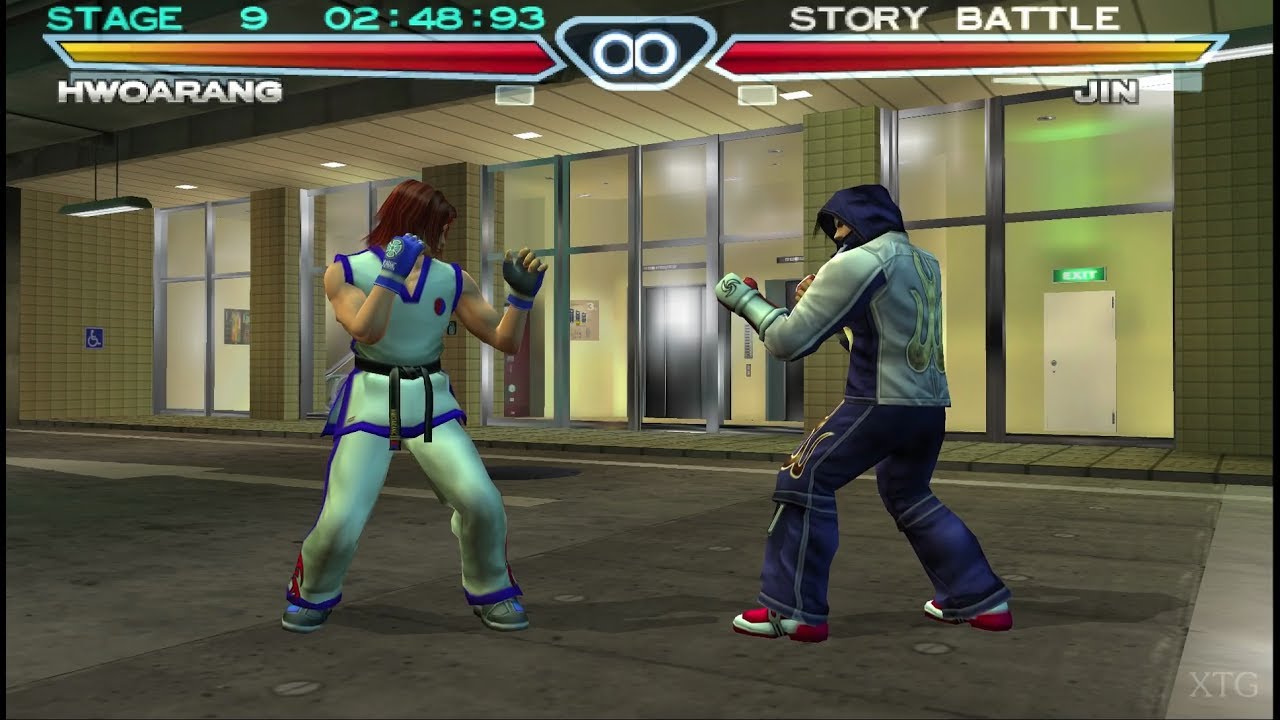
Walled physical arena boundaries in 3D fighting games (slamming opponents into concrete walls, telephone booths, and wire fences to trigger extended wall-splat stun combos), position-swapping throw reversals that corner-trap opponents, unlevel ground elevation physics, and dark cinematic psychological narrative storytelling—from Tekken 7 / 8, Virtua Fighter 5, Dead or Alive 6, Soulcalibur VI, and modern competitive fighting games—trace their boldest evolutionary turning point to March 28, 2002 with Namco’s landmark title, Tekken 4.
Directed by series mastermind Katsuhiro Harada at Namco in Tokyo with an unforgettable, moody electronic jazz-fusion and synth-funk soundtrack composed by Satoru Kosaki, Akitaka Tohyama, and Keiki Kobayashi (headlined by the iconic tracks *”The Inner Shrine”*, *”Kitsch”*, and *”Touch and Go”*), Tekken 4 was the most ambitious and experimental entry in franchise history. Holding an 88/100 on Metacritic and selling over two million copies on the PS2, its narrative and visual design set a lasting high watermark for the series.
Platform Context & Gaming Environment
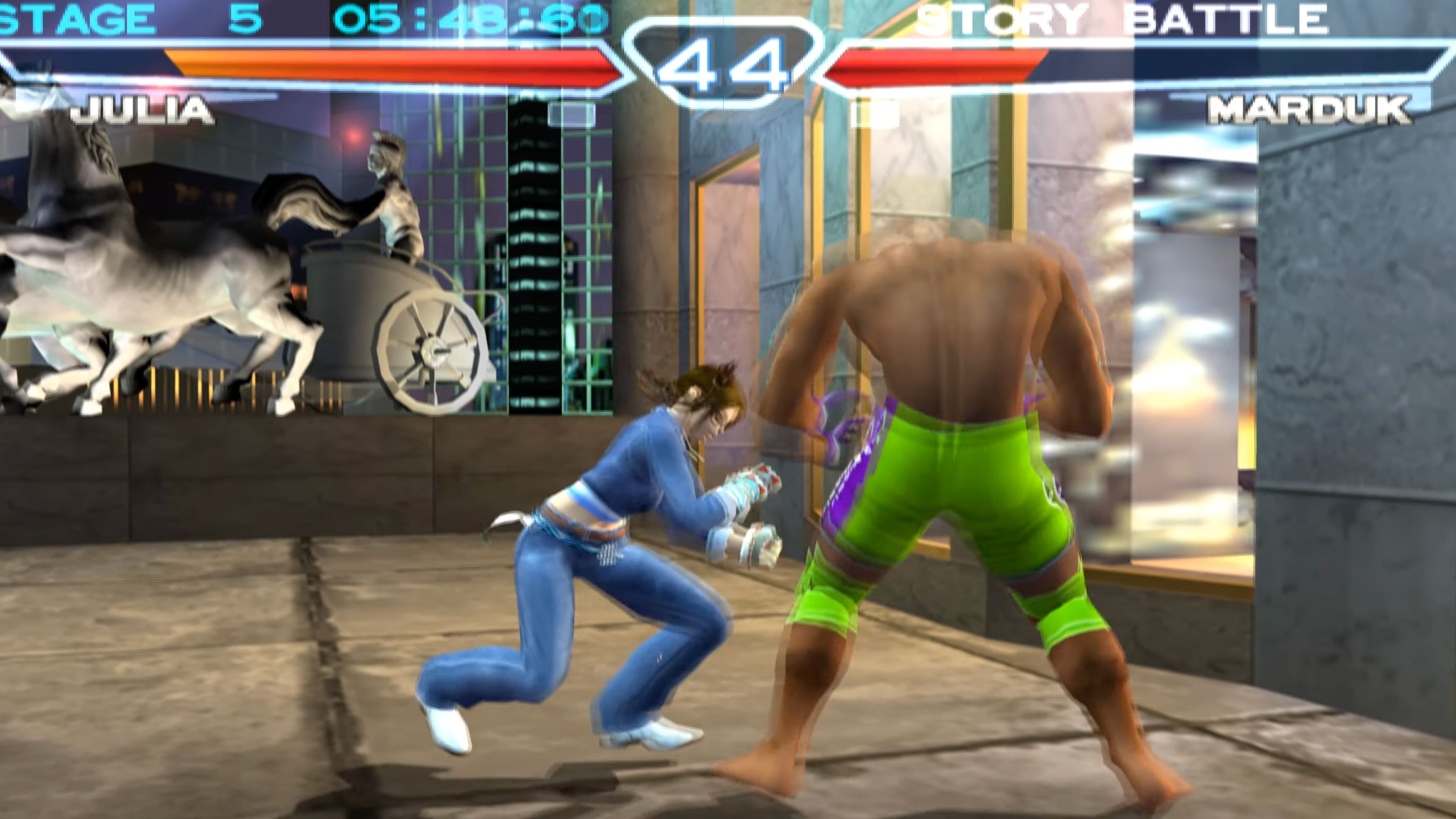
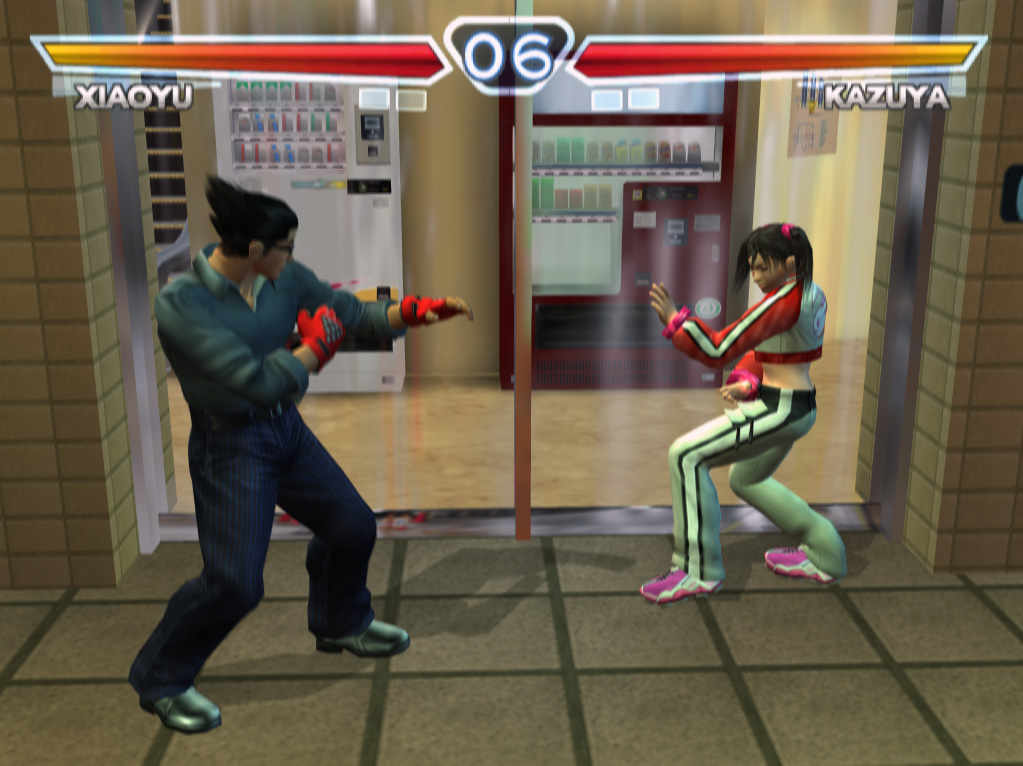
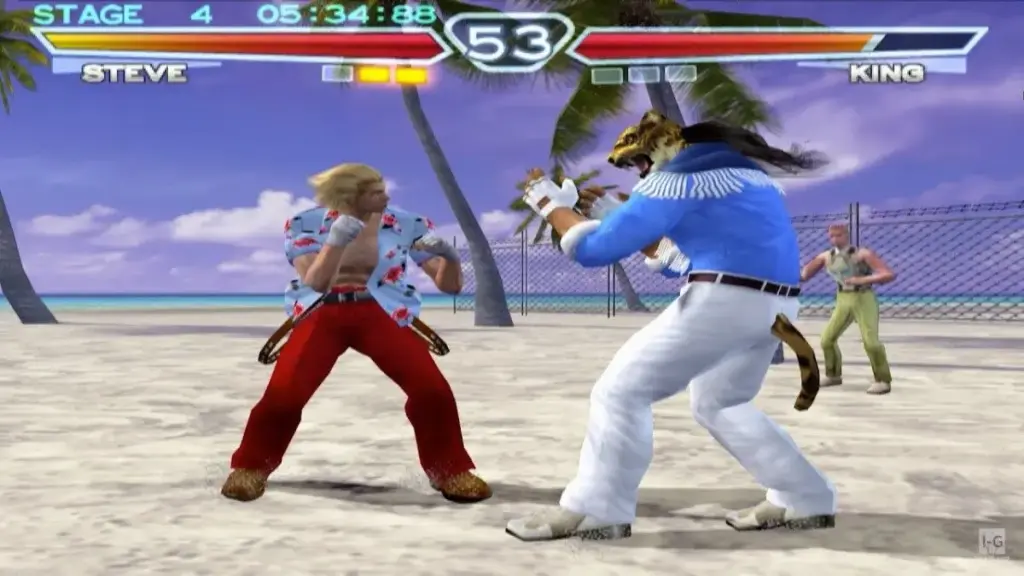
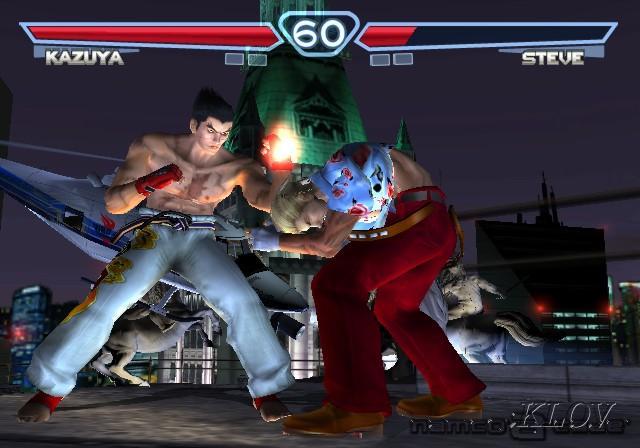
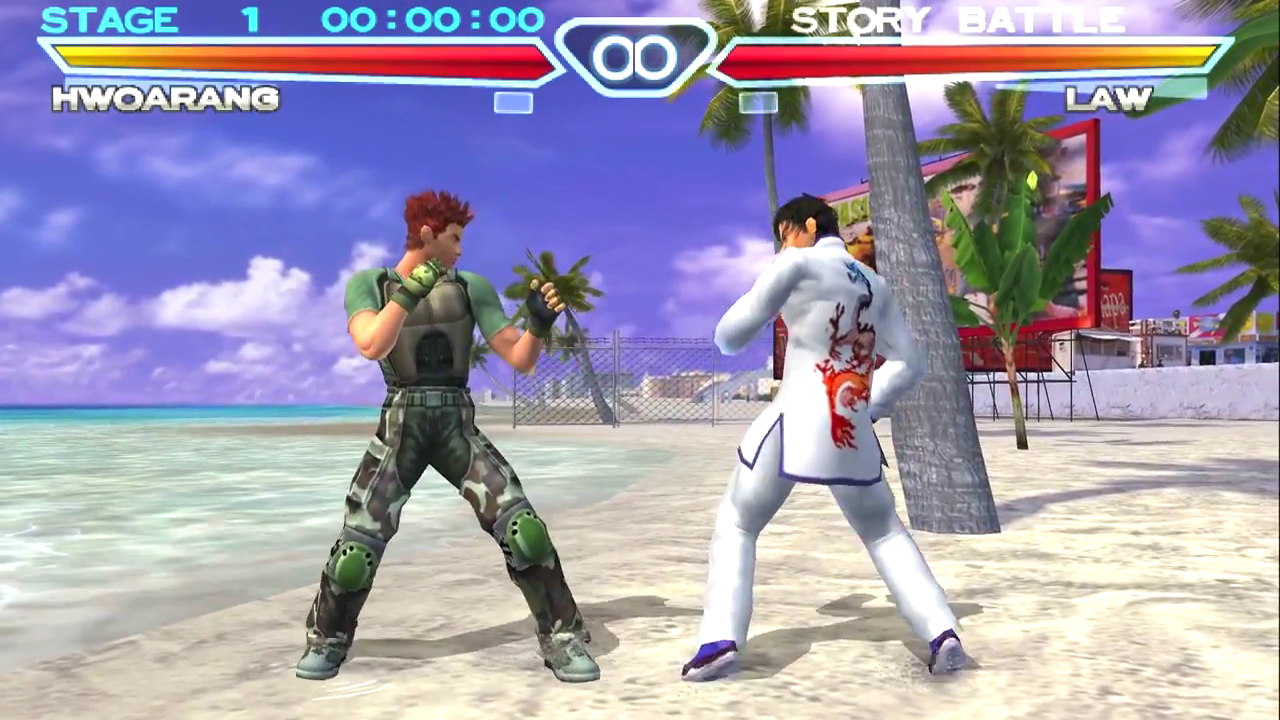
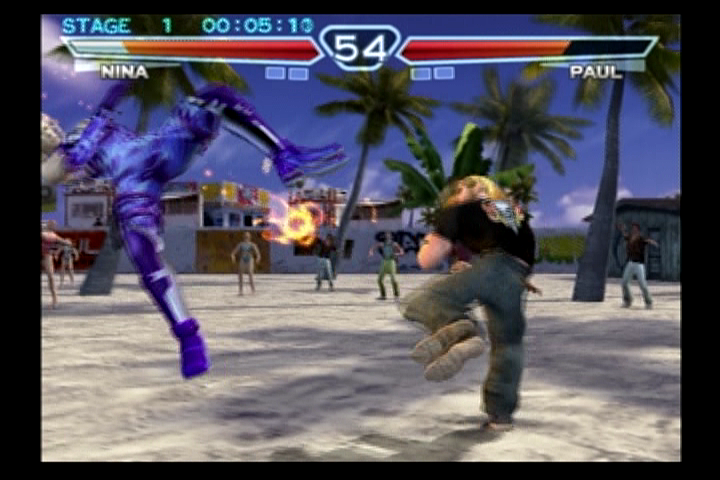
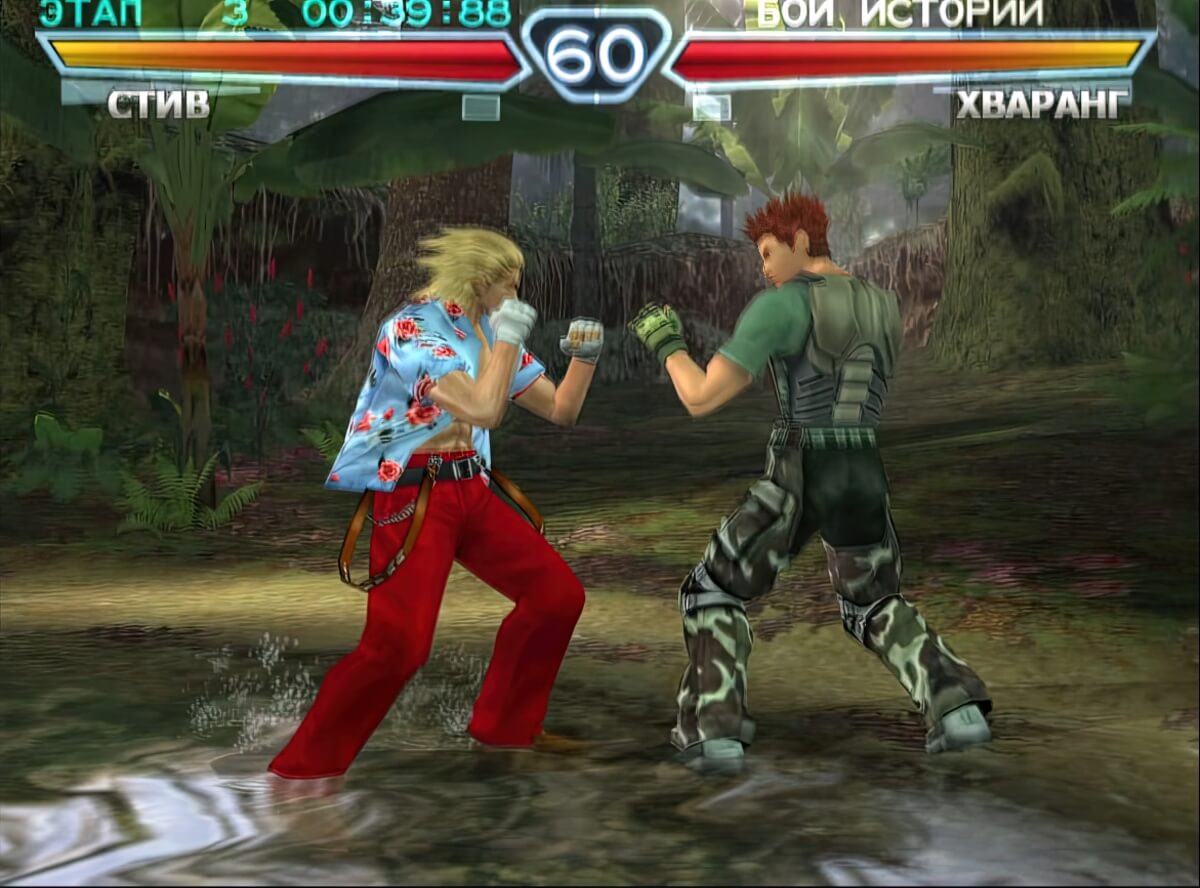
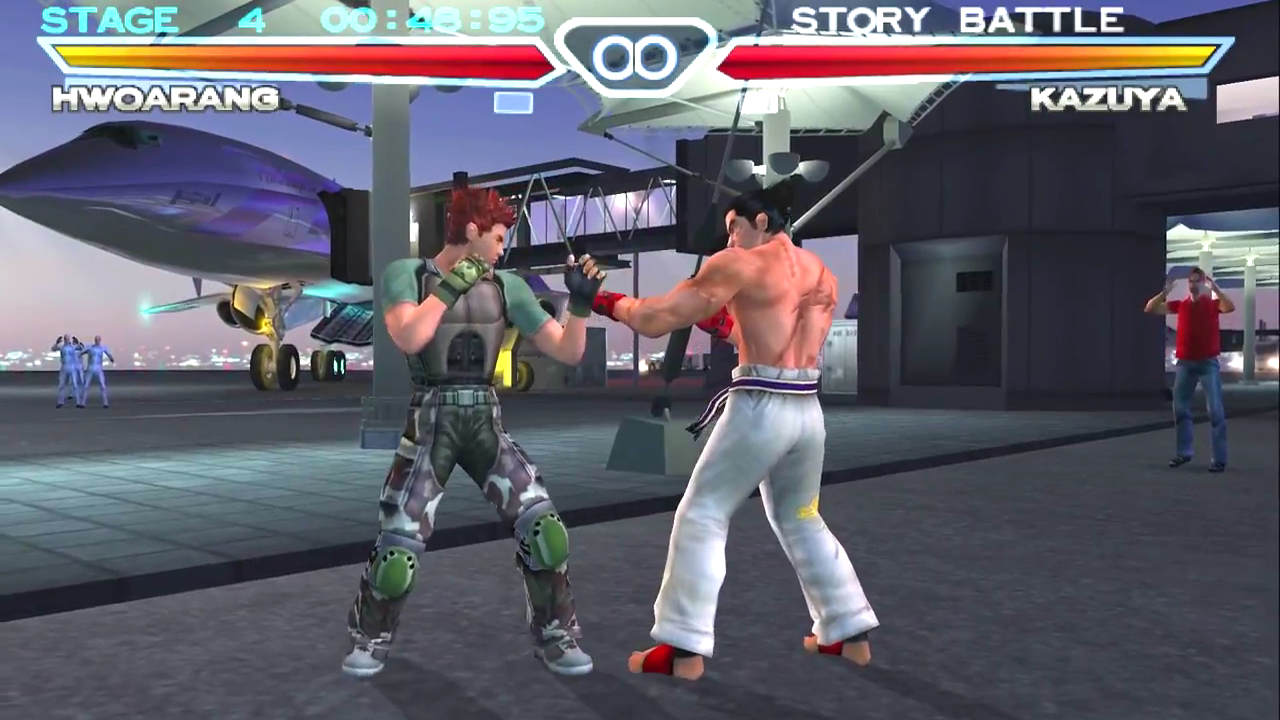
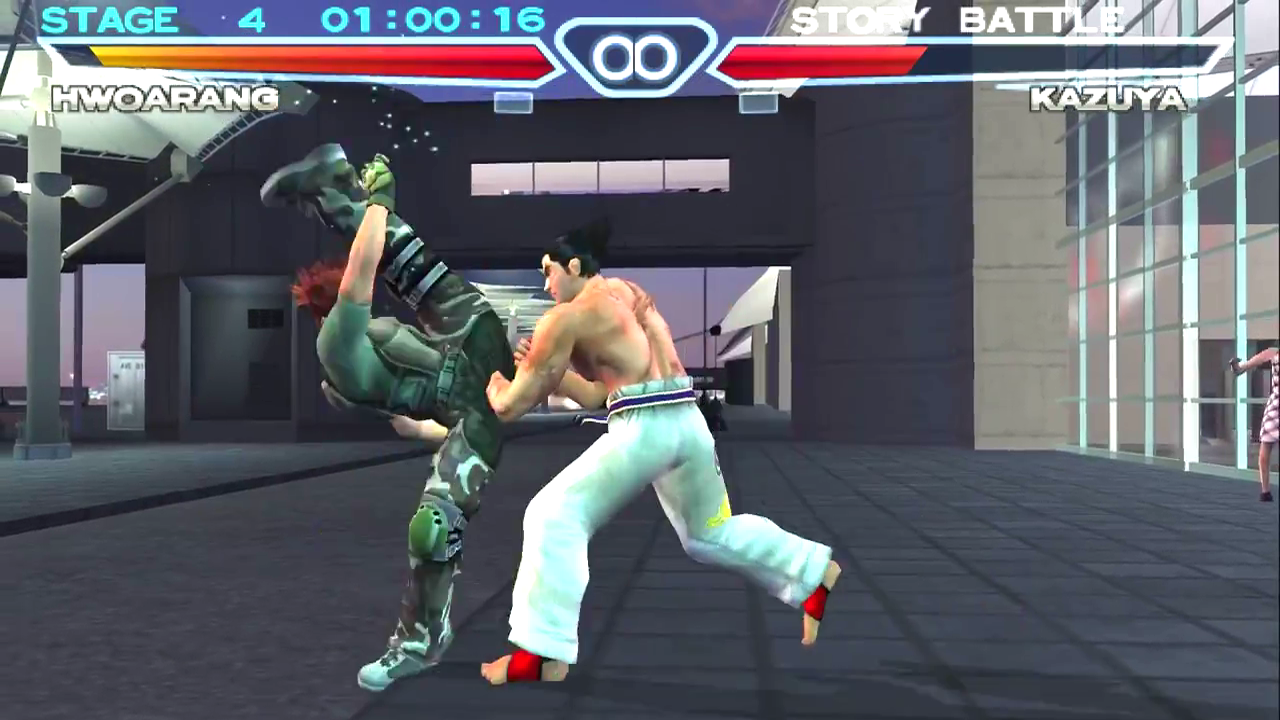
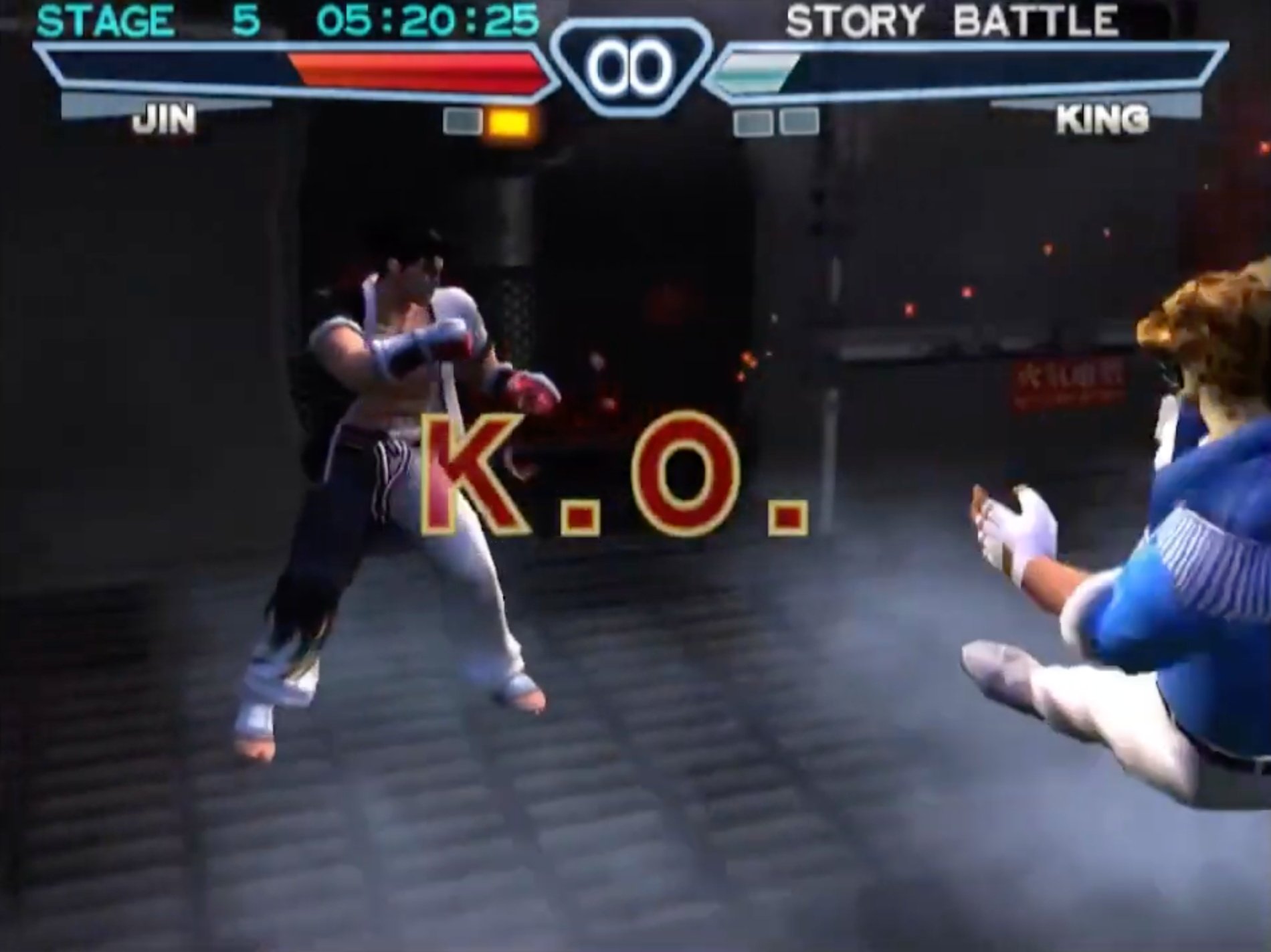
Two years after the King of Iron Fist Tournament 3, Heihachi Mishima attempts to merge his DNA with the demonic entity Ogre, but discovers he requires the Devil Gene. Sponsoring the King of Iron Fist Tournament 4 to lure his cursed grandson Jin Kazama and his resurrected son Kazuya Mishima (revived by G Corporation biotech), the story culminates in a dark family tragedy in the sacred Hon-Maru temple. Introducing three iconic newcomers: British orthodox boxer Steve Fox, Australian Vale Tudo brawler Craig Marduk, and Brazilian Capoeira master Christie Monteiro, the roster battles across 9 living, urban arenas (The Airport, Shinjuku Underground, Building Rooftop, Beach, Mall, Hon-Maru).
Popularity & Cultural Standing: Niche vs. Blockbuster
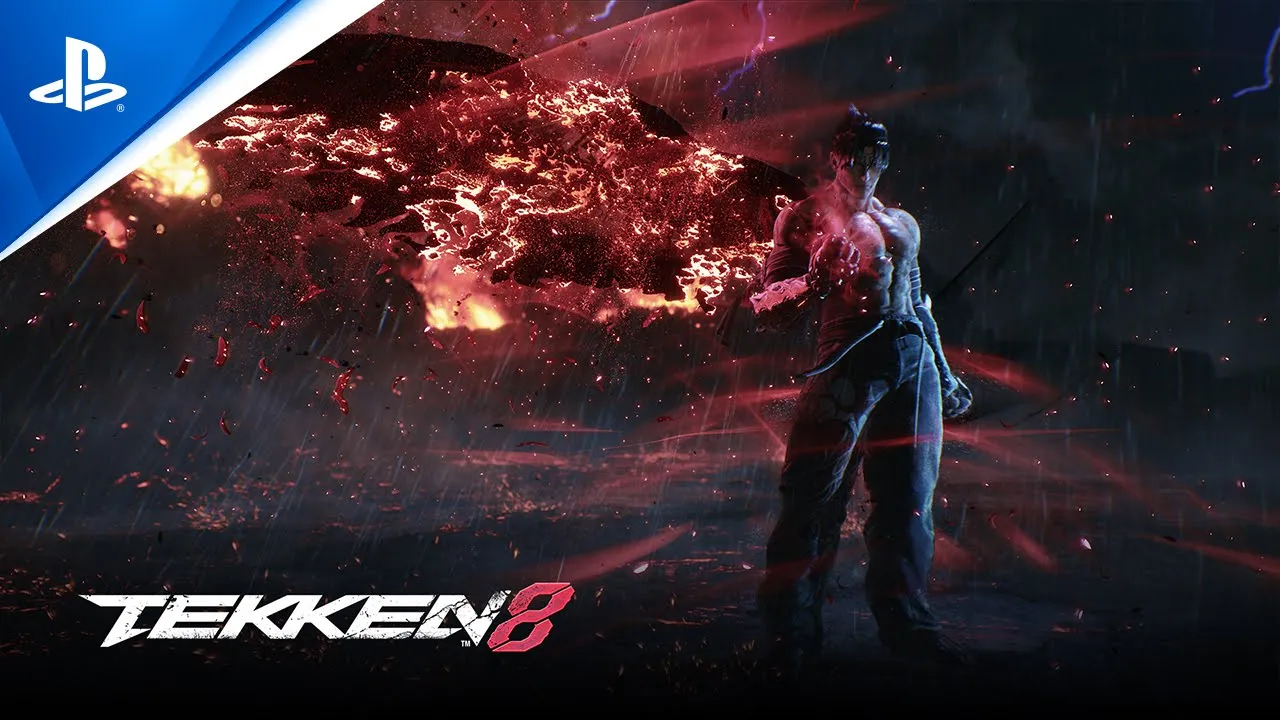
Tekken 4 was a major commercial hit on the PS2 that won Best Fighting Game from GameSpot. Its dramatic visual aesthetic—photorealistic lighting, motion-captured martial arts stances, and prologue narrative artwork—alongside Jin Kazama’s revolutionary redesign (unlearning Mishima-style karate to master pure Traditional Kyokushin Karate) remains legendary among fighting game purists.
Gameplay Mechanics & Technical Innovations

Tekken 4 introduced standard-setting fighting mechanics:
- The Introduction of Walled Stages & Wall Splat Combos: Replacing endless flat infinite planes with bounded 3D environments featuring physical walls, pillars, and glass barriers; knocking an opponent against a wall triggers a Wall Splat, allowing extended wall juggle combos.
- Position Switch Throw (Square + X): Executing a specialized grab that swaps positions with the opponent to push them into a corner or wall with their back trapped.
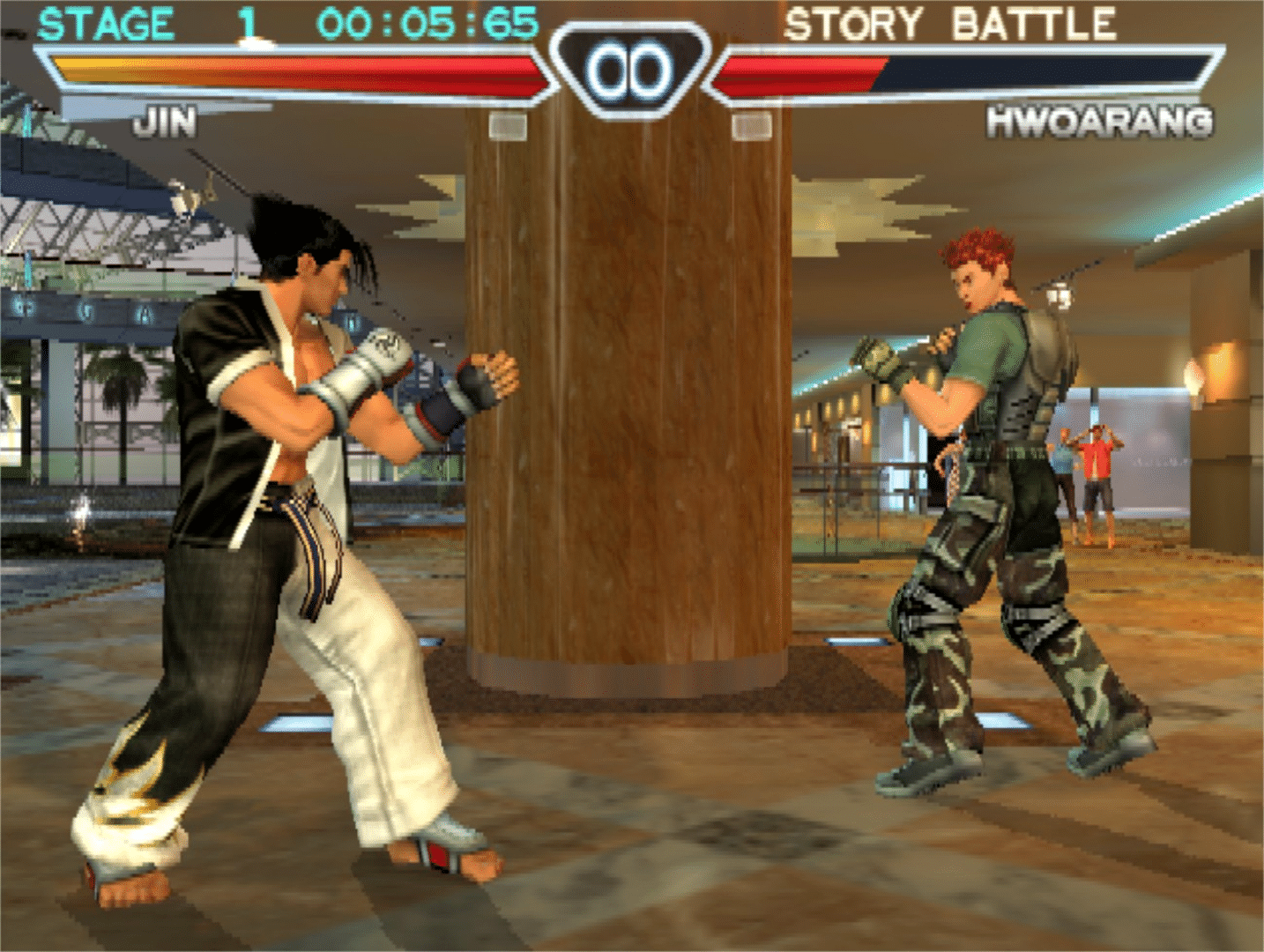
- Jin Kazama’s Complete Kyokushin Karate Overhaul: Completely removing Jin’s original Mishima moveset (Electric Wind Godfist, Hell Sweep) and rebuilding him from scratch with authentic Traditional Karate katas, parries, and stances.
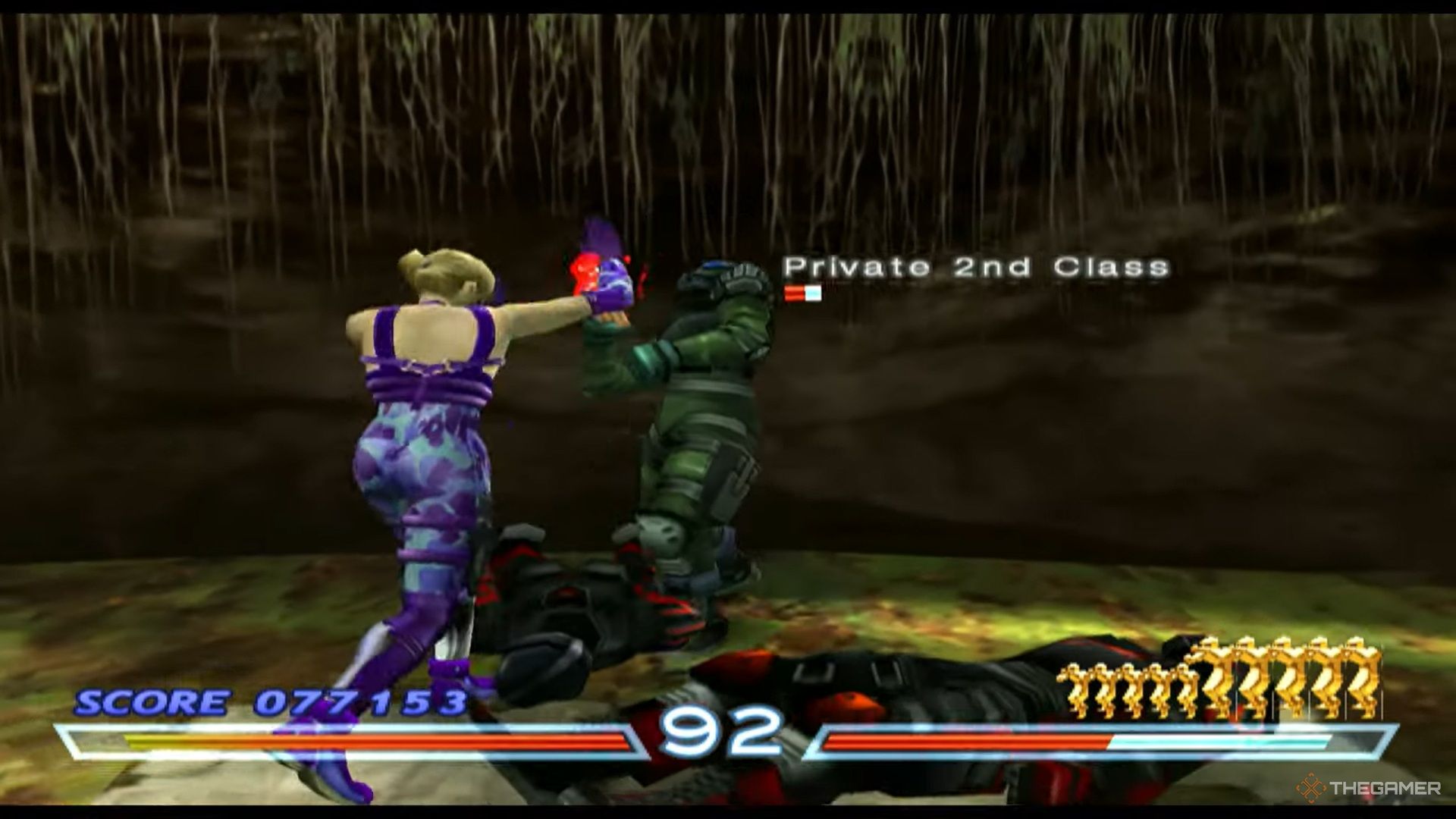
- The Expanded 3D “Tekken Force” Beat-‘Em-Up: A full third-person action brawler mode navigating four continuous urban stages (Military Base, Shinjuku City, Laboratory, Hon-Maru) fighting waves of Tekken Force soldiers and collecting health drinks.
Historical Legacy & Archival Preservation
Tekken 4 is permanently celebrated in fighting game history as the bold, visionary masterpiece that introduced wall mechanics and gave Tekken its greatest narrative depth.