Introduction: The Next Chapter for Team Fortress 2
Team Fortress 2, a name synonymous with chaotic fun and enduring appeal, has carved its place as a cornerstone of the online multiplayer landscape. More than just a game, it’s a cultural phenomenon, a testament to Valve’s commitment to accessible gameplay and constant evolution. This deep-dive review will dissect every facet of Team Fortress 2, from its humble beginnings as a Quake mod to its current status as a free-to-play juggernaut. We’ll explore the design choices that made it so successful, analyze its technical underpinnings, and speculate on its future in an ever-changing gaming world.
Visual Direction and Graphics Engineering
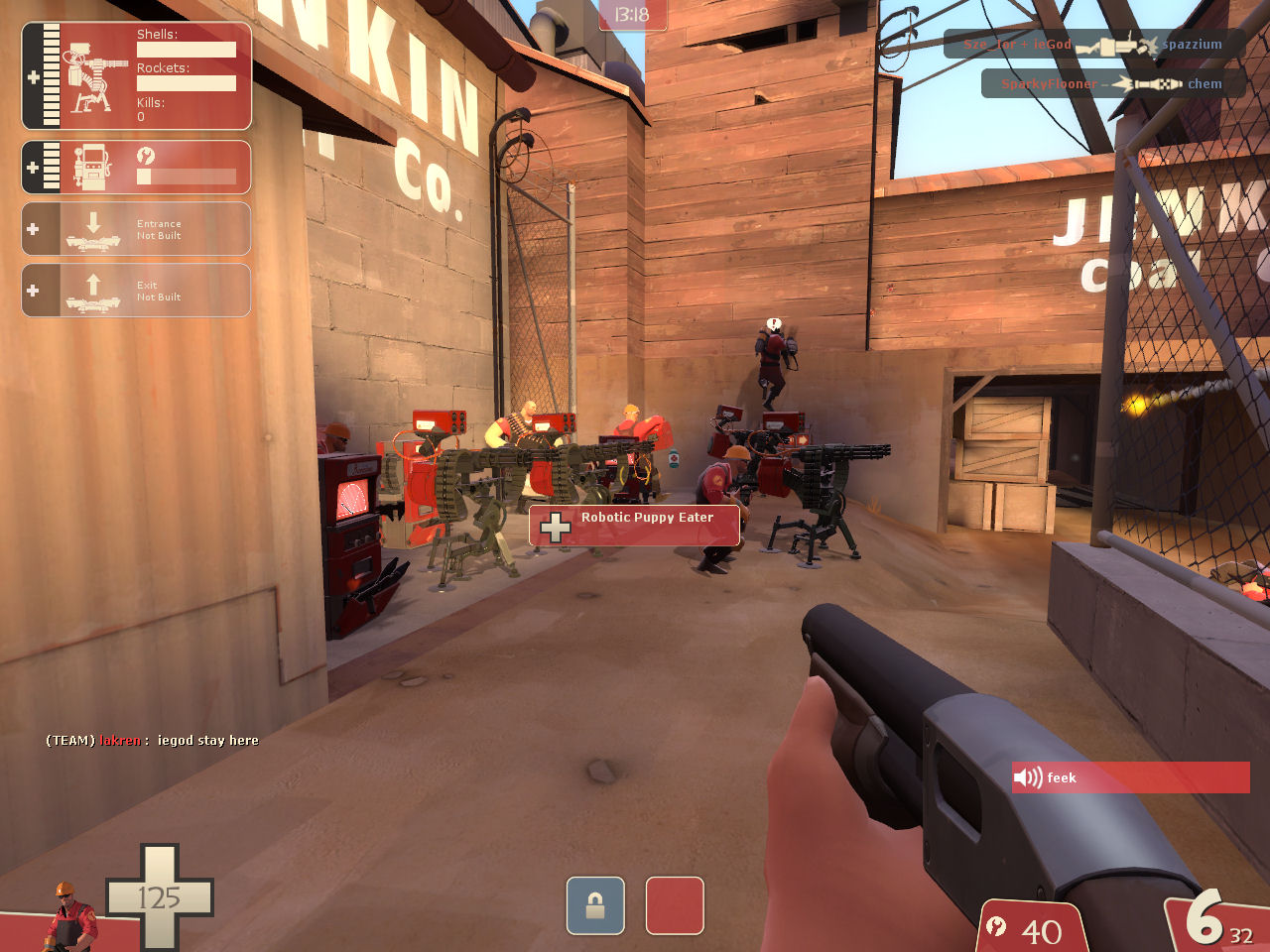
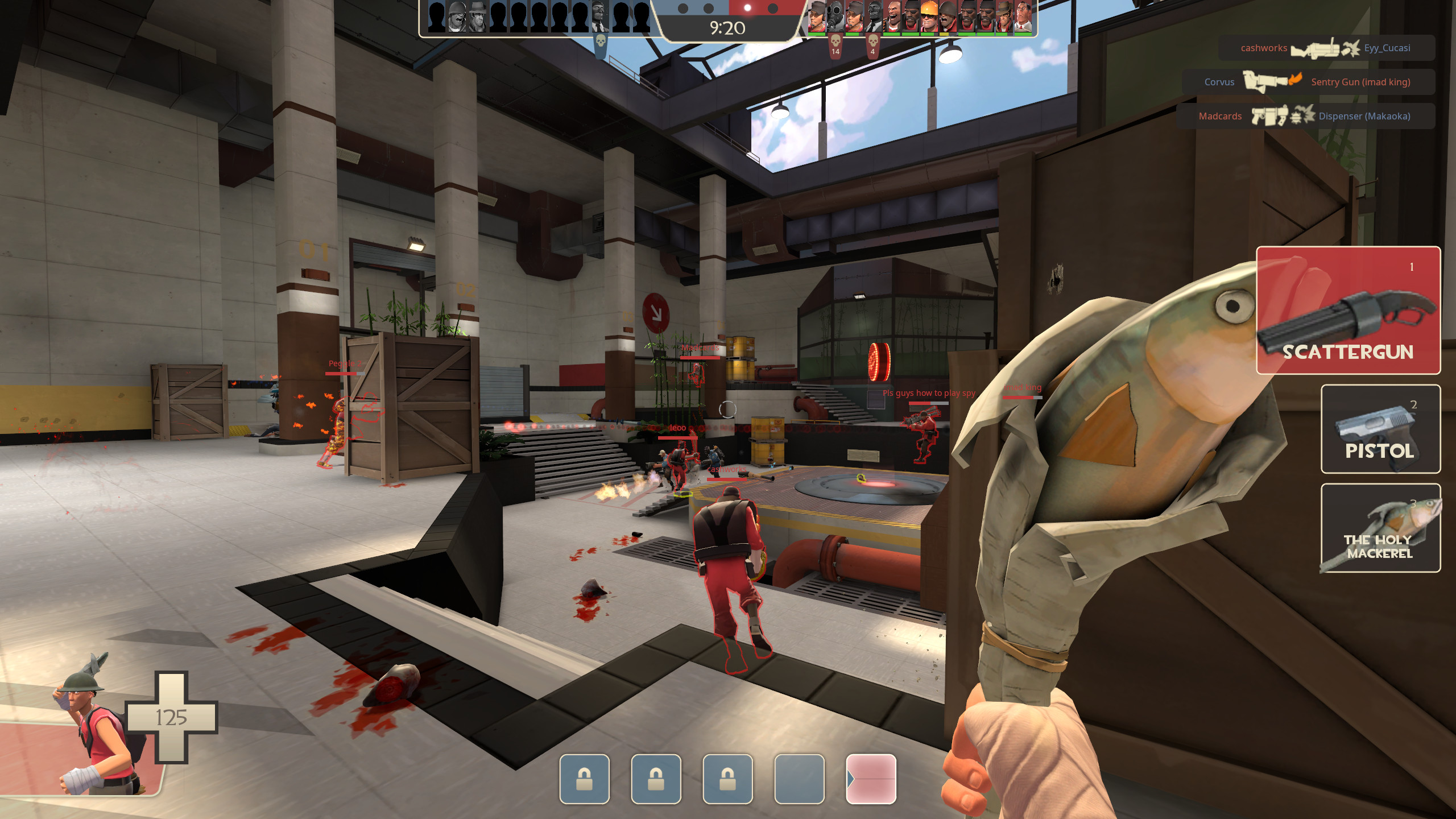
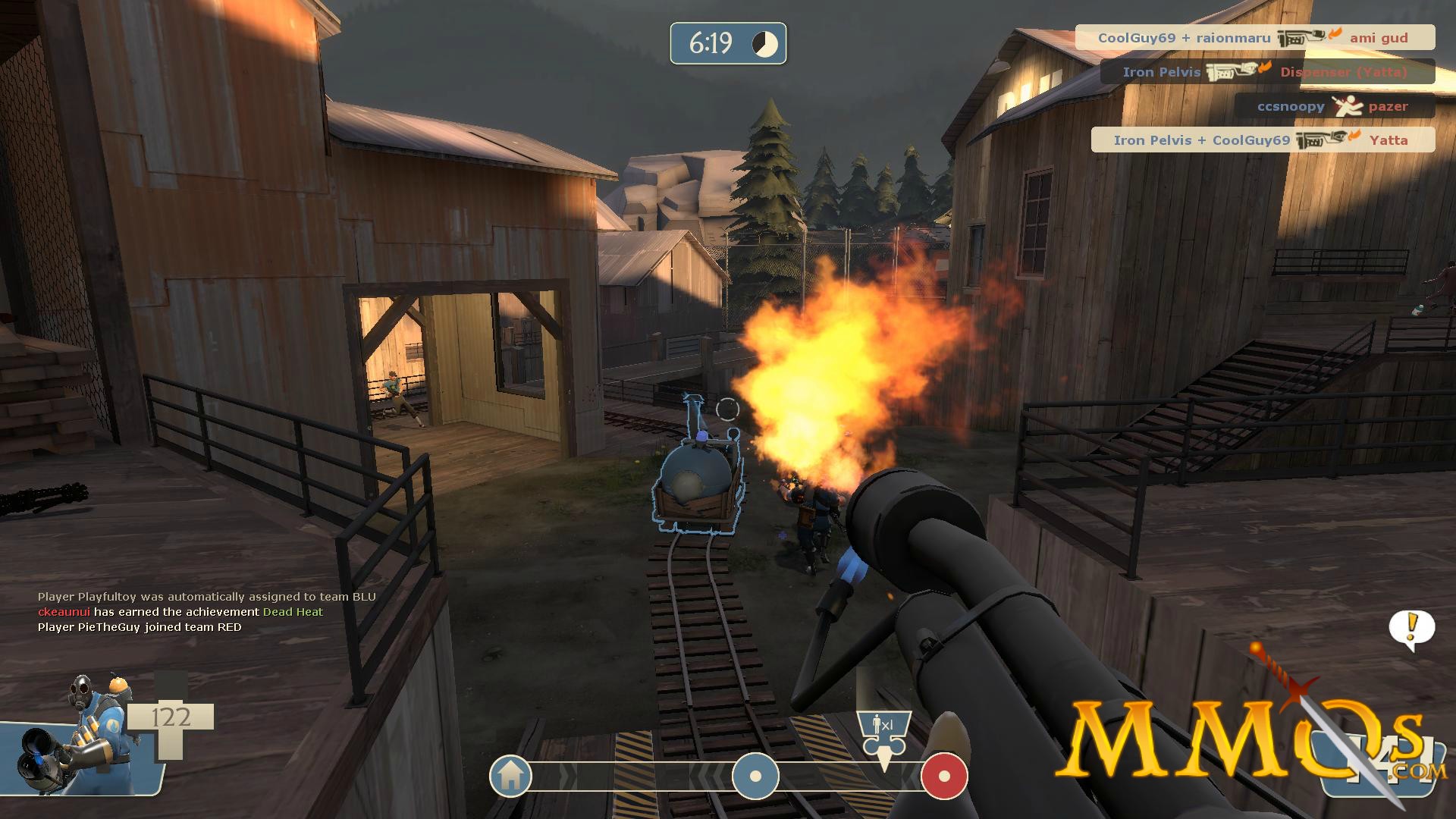
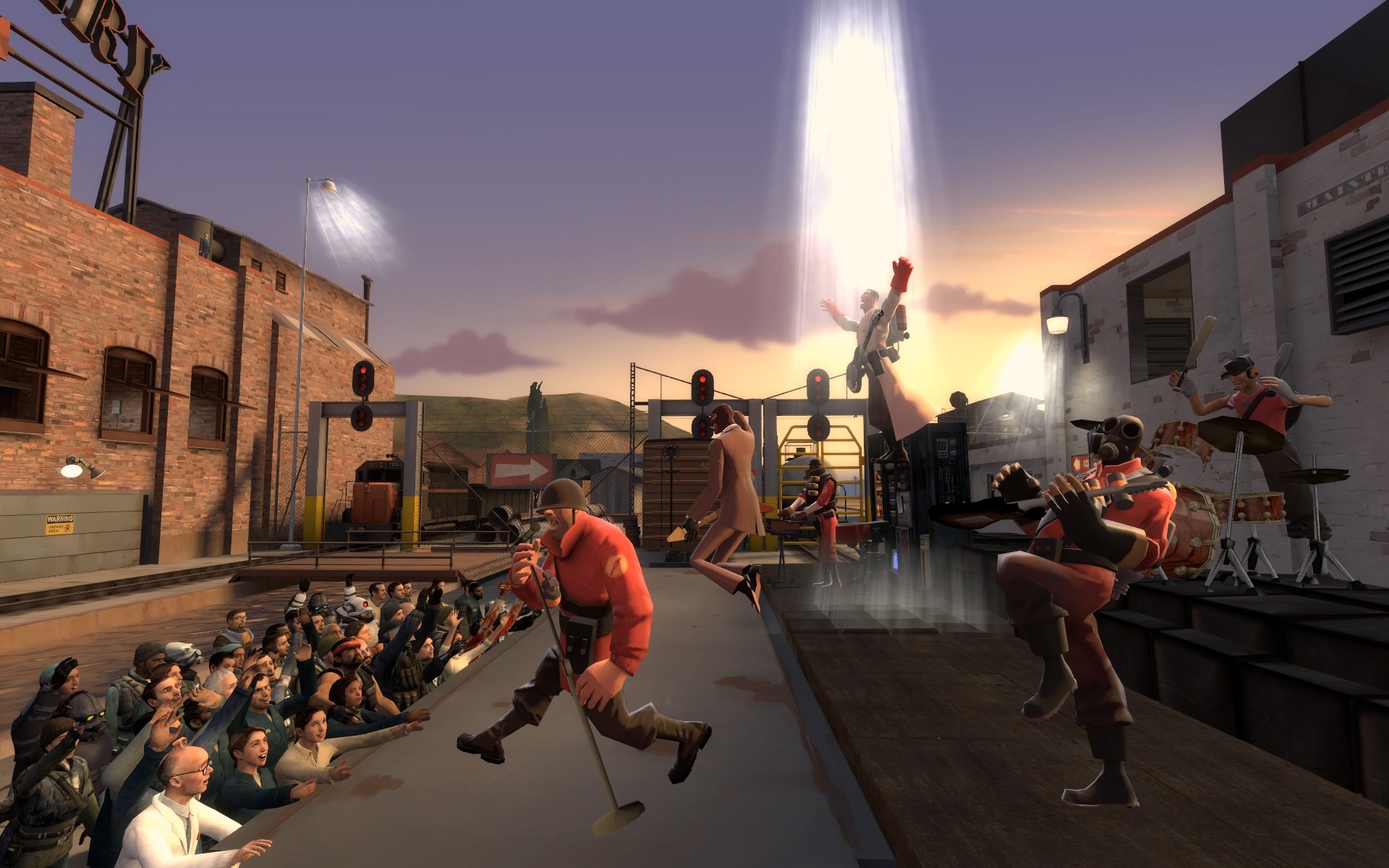
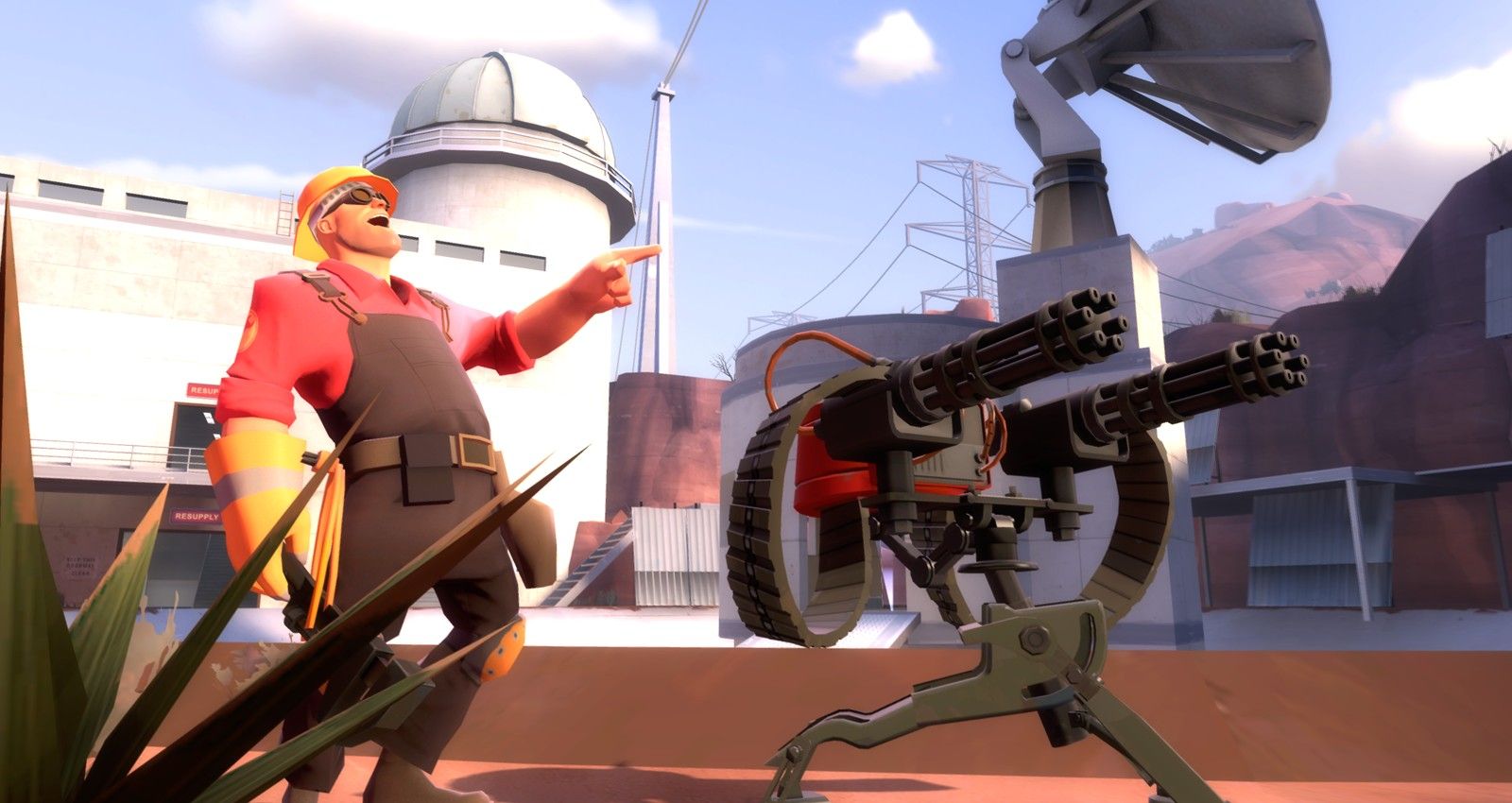
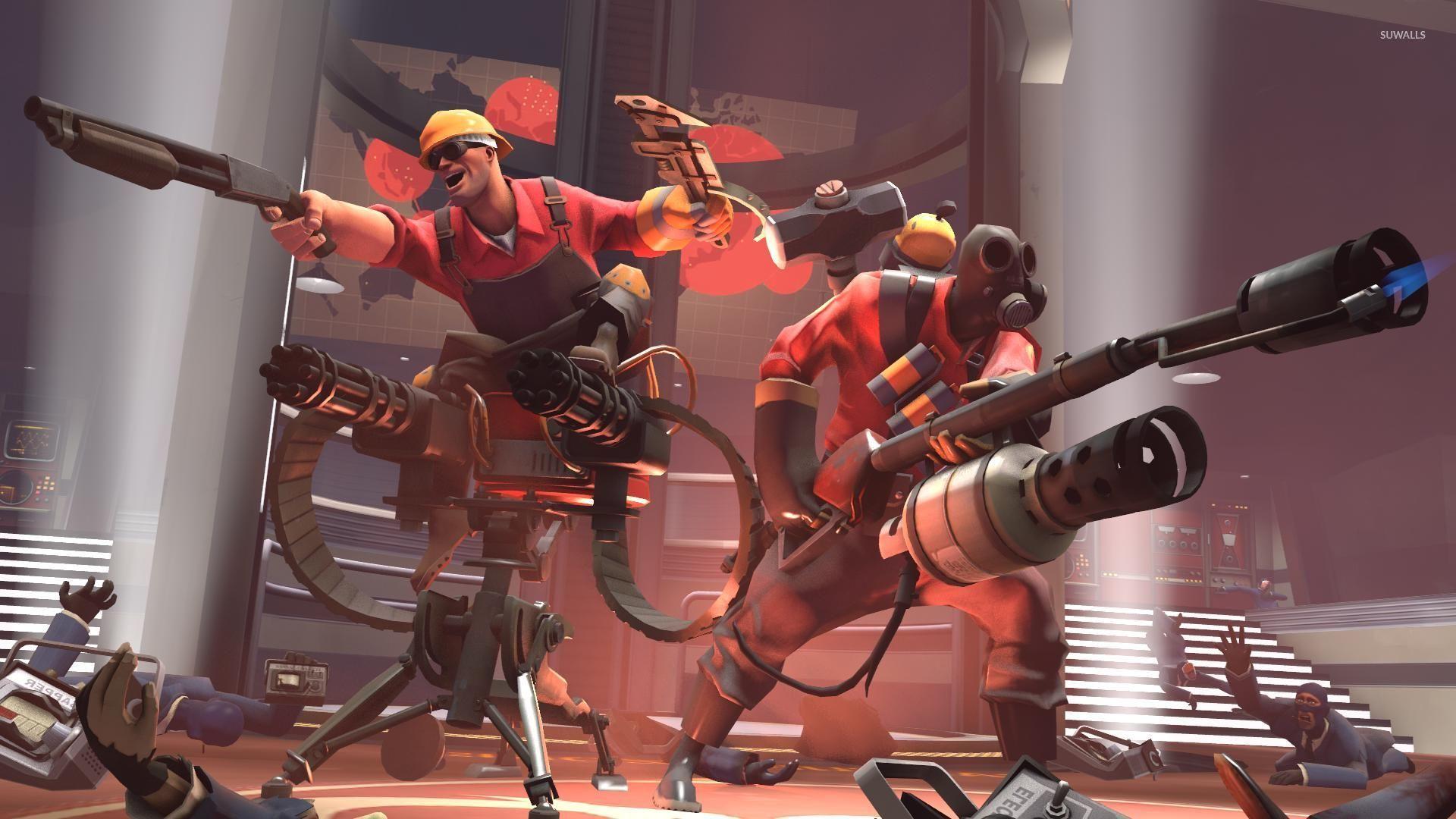
Team Fortress 2 boasts a distinctive art style that blends cartoonish aesthetics with surprisingly detailed character models and environments. This unique visual approach was a significant departure from the gritty realism of many contemporary shooters. The Source engine, while showing its age compared to modern iterations, has been meticulously optimized to deliver a smooth and visually appealing experience even on modest hardware. The game’s vibrant color palette and exaggerated character designs contribute significantly to its lighthearted atmosphere, making it accessible to players of all ages. While the graphics might not push the boundaries of modern technology, they remain charming and effective in conveying the game’s personality.
Gameplay Mechanics and Core Systems
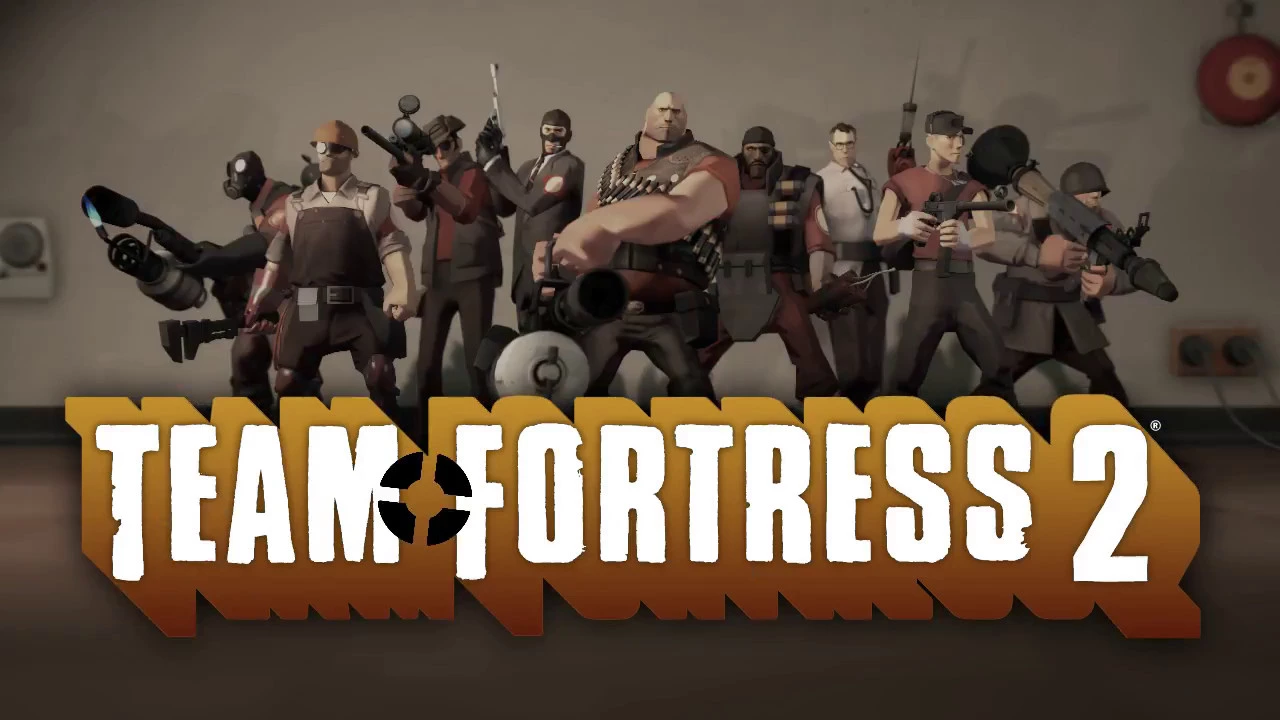
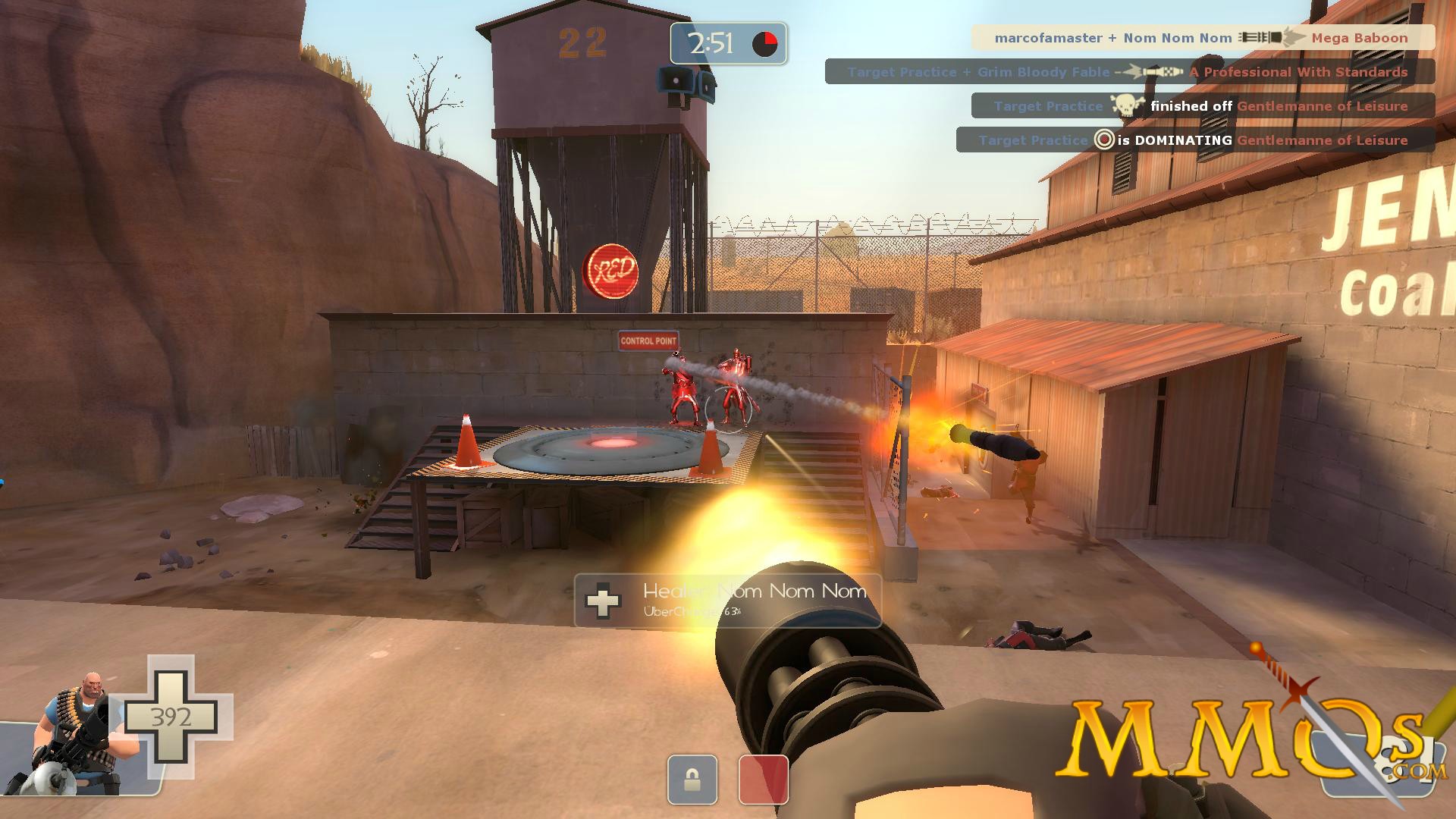
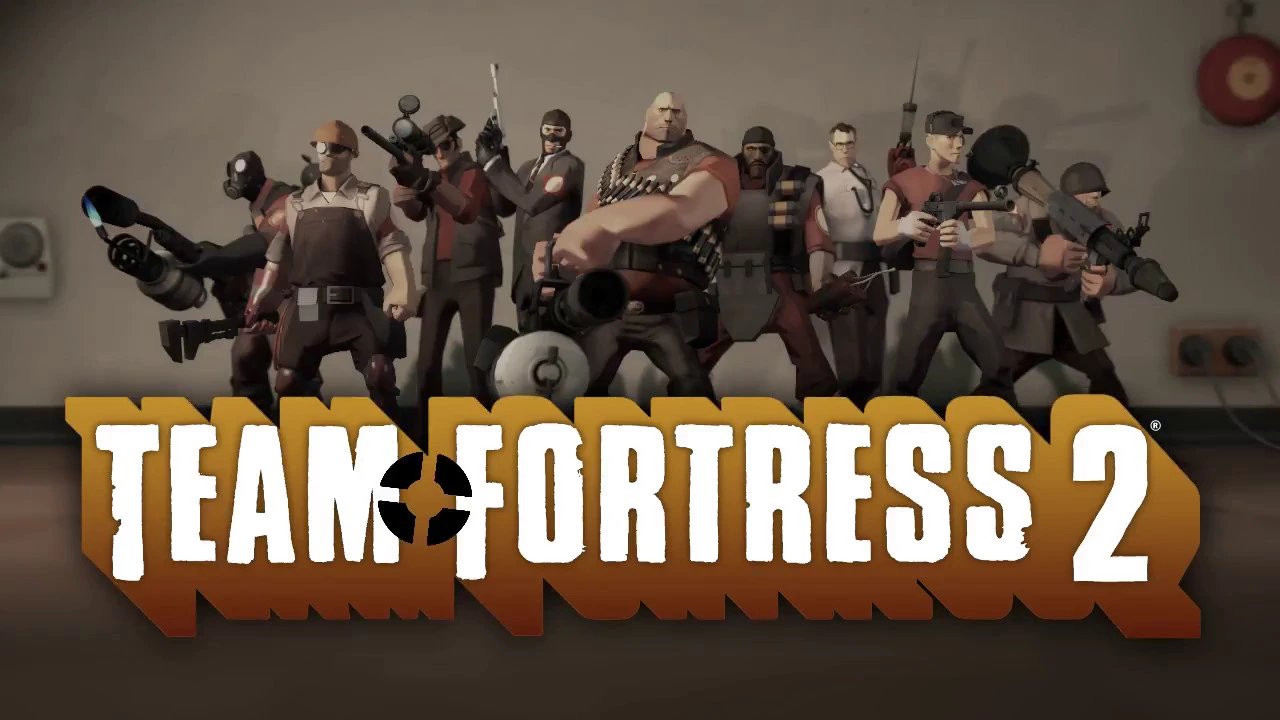
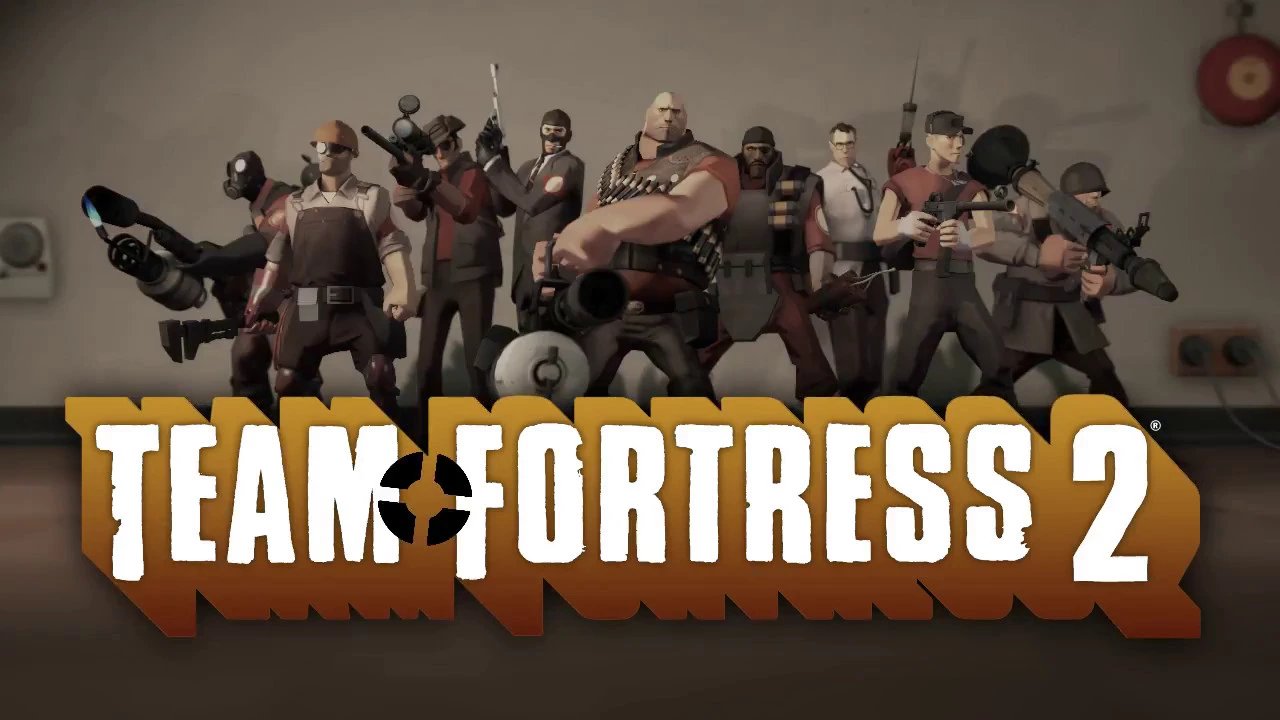
At its core, Team Fortress 2 is a class-based shooter that emphasizes teamwork and strategic decision-making. The nine distinct classes – Scout, Soldier, Pyro, Demoman, Heavy, Engineer, Medic, Sniper, and Spy – each offer unique abilities and playstyles, encouraging players to experiment and find their preferred role within the team. The game’s objective-based modes, such as Capture the Flag, Control Point, and Payload, demand coordination and communication between teammates, fostering a sense of camaraderie that is often lacking in other online shooters. The weapon system adds another layer of depth, allowing players to customize their loadouts and adapt to different situations.
Level Design and World Atmosphere
The maps in Team Fortress 2 are meticulously crafted environments that range from industrial complexes to tropical islands. Each map is designed with a specific objective in mind, encouraging strategic movement and tactical positioning. The level design often incorporates verticality and multiple pathways, adding complexity and replayability. The atmosphere of each map is carefully constructed through the use of lighting, textures, and sound effects, creating immersive experiences that transport players to different corners of the game world.
Narrative Depth and Character Profiles
While Team Fortress 2 doesn’t feature a traditional narrative campaign, it does possess a rich backstory and a cast of memorable characters. The ongoing comic series expands upon the lore of RED and BLU, exploring their motivations and relationships. Each class has its own distinct personality and quirks, adding depth and humor to the gameplay experience. The game’s subtle storytelling elements encourage players to invest in the world and its inhabitants.
Sound Design and Acoustic Realism
The sound design in Team Fortress 2 is a crucial element of its overall appeal. From the iconic voice lines of the characters to the satisfying sounds of weapons firing, every audio cue contributes to the game’s immersive atmosphere. The directional audio helps players pinpoint enemy locations, adding another layer of tactical awareness. The soundtrack complements the gameplay perfectly, creating a dynamic and engaging soundscape.
Release Expectations and Community Hype
The initial release of Team Fortress 2 was met with widespread acclaim, but it was the subsequent updates and community involvement that truly cemented its legacy. Valve’s commitment to supporting the game with new content, including classes, weapons, and maps, kept players engaged for years. The vibrant modding community further extended the game’s lifespan, creating countless custom maps, skins, and gameplay modifications. This constant stream of fresh content fueled a dedicated fanbase that continues to support the game to this day.
Conclusion: The Future of Team Fortress 2
Team Fortress 2 is more than just a game; it’s a cultural touchstone, a testament to the power of community and continuous evolution. While its age shows in some areas, its core gameplay remains as engaging and rewarding as ever. Valve’s ongoing support, coupled with the dedication of its passionate fanbase, ensures that Team Fortress 2 will continue to thrive for years to come. Its enduring popularity serves as a reminder that sometimes, the simplest ideas are the most timeless.
Source: Wikipedia