Introduction: The Next Chapter for Tales of Destiny 2
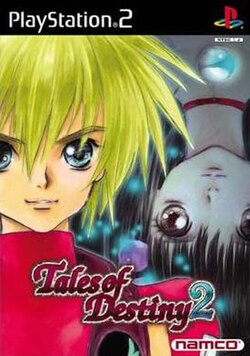
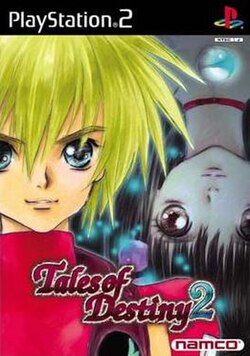
“Tales of Destiny 2,” a cornerstone title in the acclaimed “Tales of” series, arrived on the PlayStation 2 in 2002, promising a return to the world established by its predecessor. Co-developed by Wolf Team and Telenet Japan, and published by Namco, this installment aimed to build upon the foundations laid by “Tales of Destiny,” offering players an expansive narrative, refined gameplay mechanics, and a visually engaging experience for the time. While never officially localized for Western audiences, its legacy remains significant within the JRPG landscape. The game picks up eighteen years after the events of the first game, introducing Kyle Dunamis, son of Stahn Aileron and Rutee Katrea, who finds himself embroiled in a conflict that threatens to reshape the world.
Visual Direction and Graphics Engineering
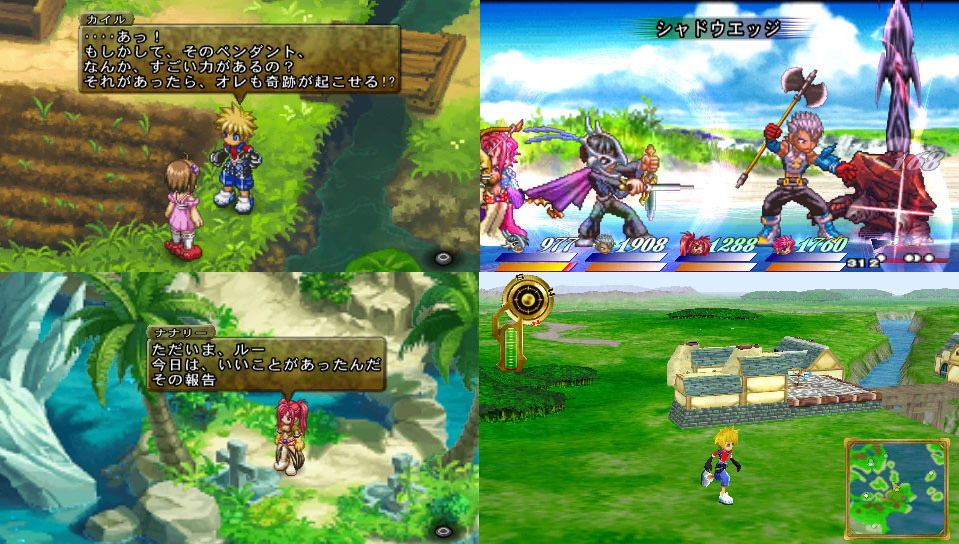
“Tales of Destiny 2” showcased a visual style characteristic of early PlayStation 2 games. The graphics, while dated by today’s standards, were impressive for their time, employing pre-rendered backgrounds and polygonal character models. The game leveraged the PS2’s capabilities to create detailed environments and expressive character animations. The art direction aimed for a blend of fantasy and realism, with vibrant colors and intricate designs that brought the world of “Destiny 2” to life. While the pre-rendered backgrounds provided a sense of depth and scale, they also presented limitations in terms of interactivity and camera movement. The developers likely faced challenges in optimizing performance to maintain a consistent frame rate, particularly during intense battles.
Gameplay Mechanics and Core Systems
The gameplay in “Tales of Destiny 2” revolves around real-time combat with party-based mechanics. Players control Kyle and his companions as they navigate through various environments, engaging in battles against a diverse range of enemies. The battle system is fast-paced and action-oriented, requiring players to strategically utilize each character’s unique abilities and skills. A key element of the gameplay is the “Destiny System,” which allows characters to unleash powerful attacks based on their individual strengths and weaknesses. Players can customize their party composition and equip different weapons and armor to enhance their combat effectiveness. The game also features a robust skill tree system, allowing players to develop their characters’ abilities and tailor them to their preferred playstyle.
Level Design and World Atmosphere
The level design in “Tales of Destiny 2” is varied and engaging, ranging from sprawling towns and villages to treacherous dungeons and expansive outdoor environments. Each location is meticulously crafted to create a distinct atmosphere and sense of place. The game’s world is rich with detail, with hidden secrets and optional areas to discover. While the pre-rendered backgrounds provide a static backdrop, they are often complemented by dynamic elements such as moving objects and interactive features. The level design encourages exploration and rewards players who take the time to uncover its hidden treasures.
Narrative Depth and Character Profiles
The narrative in “Tales of Destiny 2” is a complex and multifaceted tale of destiny, conflict, and redemption. The story follows Kyle Dunamis as he grapples with his lineage and confronts the forces that threaten to plunge the world into chaos. The game features a cast of memorable characters, each with their own motivations and backstories. The relationships between these characters are explored in depth, adding emotional weight to the narrative. The story is driven by themes of family, duty, and the struggle against oppression.
Sound Design and Acoustic Realism
The sound design in “Tales of Destiny 2” plays a crucial role in immersing players in the game’s world. The soundtrack, composed by Motoi Sakuraba and Shinji Tamura, is a blend of orchestral scores and electronic melodies that perfectly complements the game’s atmosphere. The sound effects are realistic and impactful, adding weight to the combat encounters and enhancing the overall sense of immersion. The voice acting, while limited in scope due to technical constraints, effectively conveys the emotions and personalities of the characters.
Release Expectations and Community Hype
Upon its release in Japan, “Tales of Destiny 2” generated significant hype among fans of the series. The game was praised for its engaging story, refined gameplay mechanics, and impressive visuals. While never officially localized for Western audiences, it developed a dedicated following through fan translations and online communities. The lack of an official English release has fueled ongoing discussions about its potential localization, with many fans hoping to experience the game in its intended language.
Conclusion: The Future of Tales of Destiny 2
“Tales of Destiny 2” remains a significant title in the “Tales of” series, despite its limited availability. Its enduring appeal lies in its compelling story, engaging gameplay, and memorable characters. While technological advancements have rendered its graphics somewhat dated, its core strengths continue to resonate with players. The ongoing desire for an official English release underscores its lasting legacy and potential for a wider audience.
Source: Wikipedia


