Introduction: The Next Chapter for Tales from the Borderlands
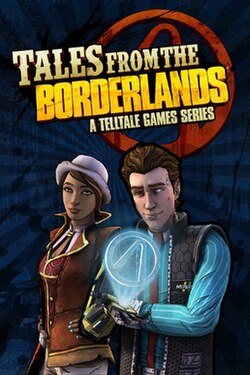
“Tales from the Borderlands,” developed by Telltale Games, represents a bold and successful foray into the world of interactive storytelling within the established “Borderlands” universe. Built upon the foundation laid by Gearbox Software’s original games, this episodic adventure offers players a unique blend of humor, heart, and choice-driven narrative. More than just a simple adaptation, it expands on the lore and characters while maintaining the signature Borderlands charm. This Masterclass Deep-Dive will dissect every facet of “Tales from the Borderlands,” from its technical underpinnings to its critical reception, providing an in-depth analysis for discerning gamers.
Visual Direction and Graphics Engineering
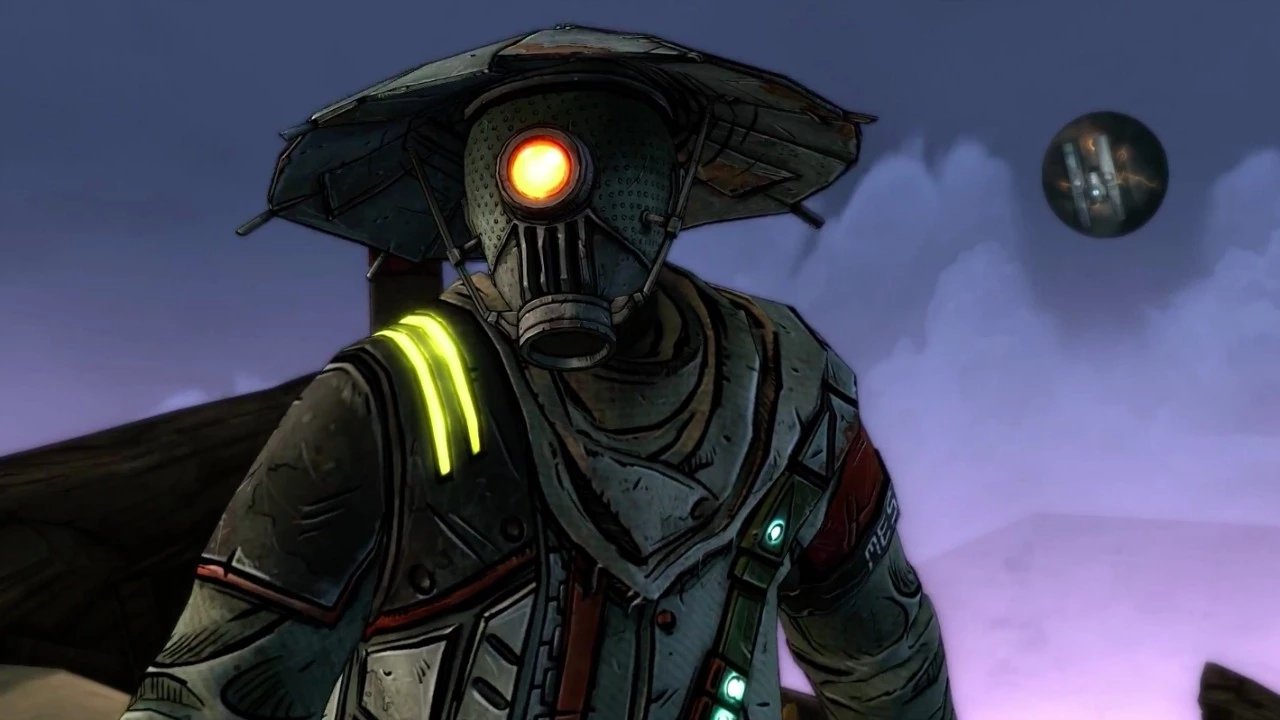
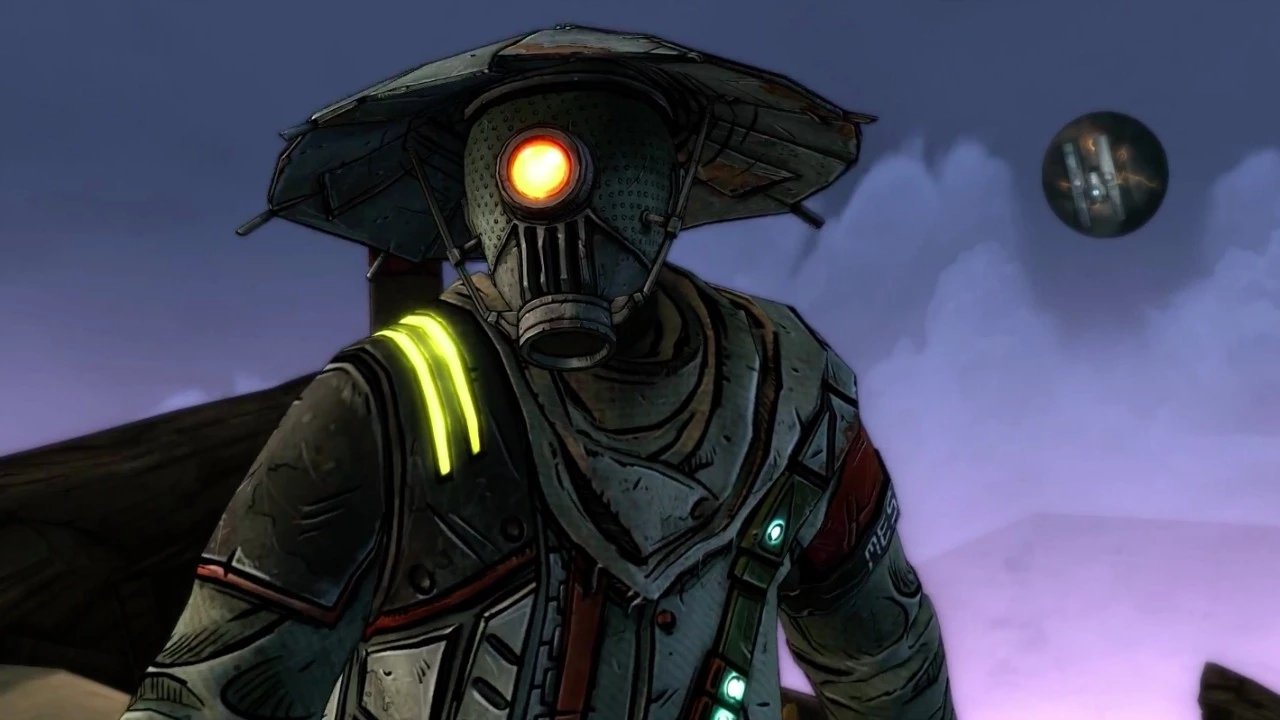
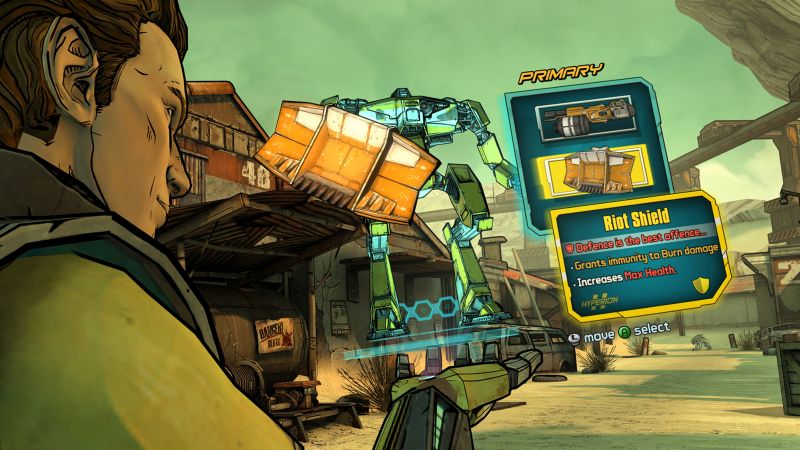
“Tales from the Borderlands” leverages Telltale’s proprietary engine, which, while not pushing graphical boundaries, effectively conveys the game’s distinct visual style. The character models, though stylized, are expressive and well-animated, capturing the personalities of both Rhys and Fiona. Environments range from the bustling streets of Hyperion to the desolate landscapes of Pandora, each rendered with a level of detail that enhances immersion. While the engine might not rival AAA titles in terms of raw graphical power, it excels at creating a visually appealing experience that complements the narrative focus.
Gameplay Mechanics and Core Systems
The gameplay in “Tales from the Borderlands” revolves around dialogue choices and quick-time events (QTEs). These QTEs are integrated seamlessly into the story, adding a layer of interactivity without overwhelming the player. The core mechanic is the ability to make impactful decisions that shape the narrative’s direction and influence character relationships. While seemingly simple, this system allows for a surprising degree of replayability, as different choices lead to vastly different outcomes.
Level Design and World Atmosphere
The level design in “Tales from the Borderlands” effectively utilizes both familiar and new locations within the Borderlands universe. From the sterile corporate environment of Hyperion headquarters to the gritty underworld of Pandora’s settlements, each location is meticulously crafted to evoke a specific mood and atmosphere. The game excels at creating a sense of place, drawing players into the world through detailed environments and evocative sound design.
Narrative Depth and Character Profiles
One of “Tales from the Borderlands'” greatest strengths lies in its narrative depth and well-developed characters. Rhys and Fiona are both compelling protagonists, each with their own motivations and flaws. The supporting cast is equally memorable, adding layers of complexity to the story. The game explores themes of morality, ambition, and redemption, offering a surprisingly nuanced exploration of human nature within the context of the Borderlands universe.
Sound Design and Acoustic Realism
The sound design in “Tales from the Borderlands” is crucial to its immersive quality. The voice acting is top-notch, bringing the characters to life with authenticity and emotion. The soundtrack complements the visuals perfectly, enhancing the atmosphere of each scene. From the subtle ambient sounds of Hyperion’s offices to the chaotic gunfire of Pandora’s underworld, the audio design contributes significantly to the overall experience.
Release Expectations and Community Hype
Prior to its release, “Tales from the Borderlands” generated significant hype within the gaming community. Fans were eager to see how Telltale Games would adapt the popular Borderlands franchise into an interactive narrative format. The game’s episodic structure was both a selling point and a potential source of criticism, as players had to wait between installments to experience the full story. However, the initial episodes largely delivered on expectations, setting the stage for a successful run.
Conclusion: The Future of Tales from the Borderlands
“Tales from the Borderlands” stands as a testament to Telltale Games’ ability to craft compelling interactive narratives within established franchises. While the game engine might not be cutting-edge, its strengths lie in its engaging story, well-developed characters, and impactful player choices. The game’s success paved the way for future Telltale projects and demonstrated the potential of episodic storytelling within the gaming landscape. Although Telltale Games faced challenges after the release of “Tales from the Borderlands,” its legacy continues to inspire developers and captivate players.
Source: Wikipedia


